
Safety
General information, not medical advice
Your prescriber and the leaflet in your pack know your situation. This page does not.
- Follow your prescriber and the leaflet
- Don't start, stop, or change a dose on your own
- Doses and warnings differ by country and product
Orudis Capsule: Uses, Dosage, Side Effects, Precautions and Alternates
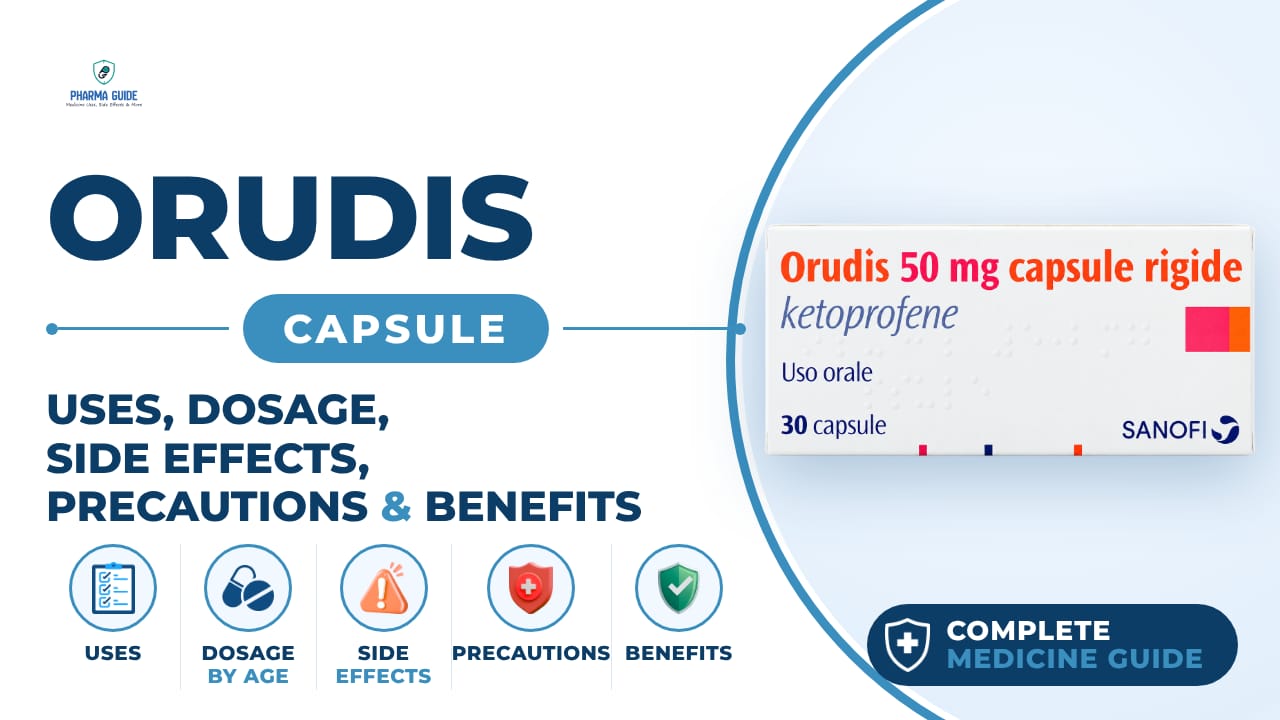
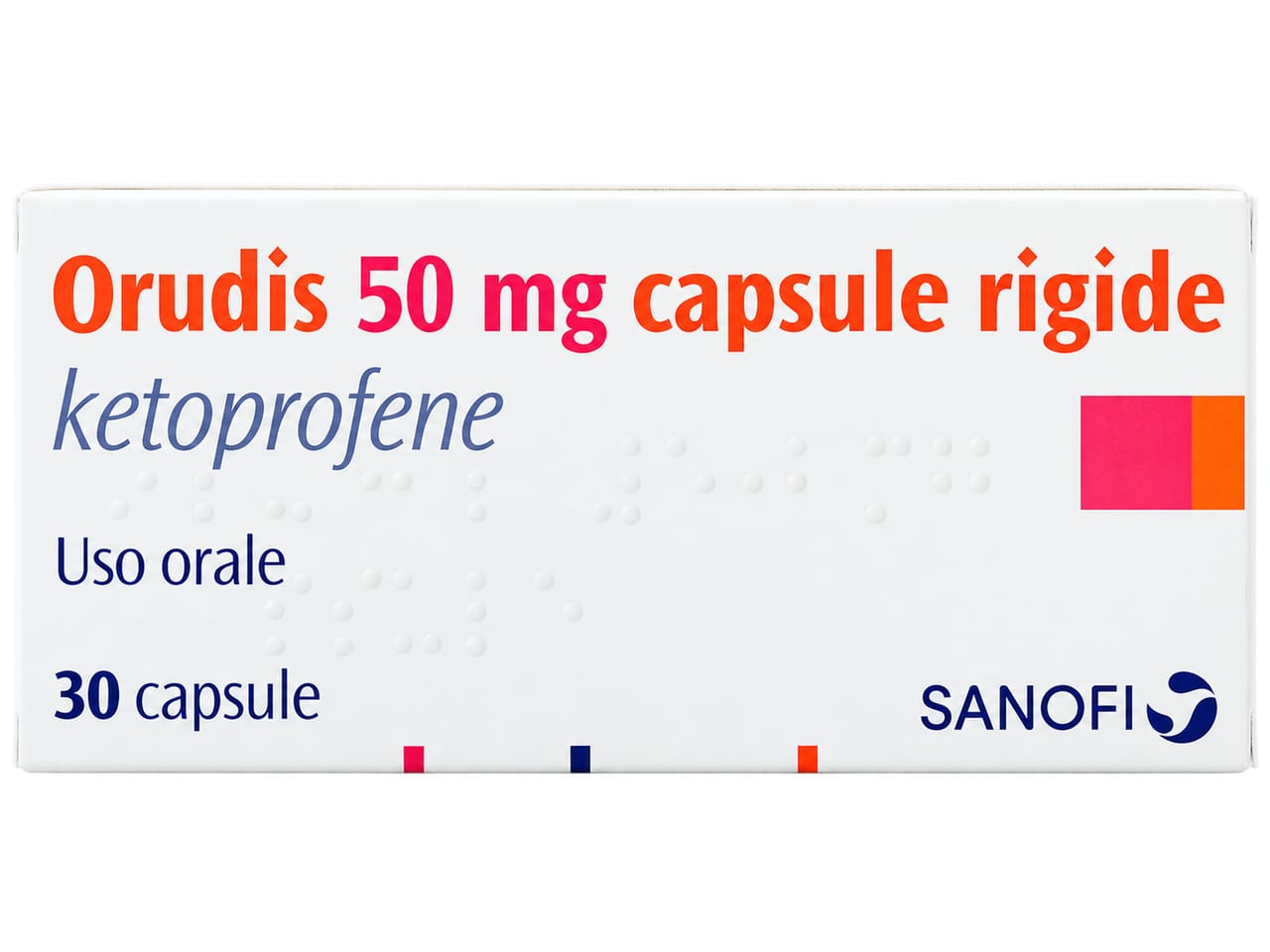
| Generic name | ketoprofen |
|---|---|
| Drug class | Nonsteroidal anti-inflammatory drug (NSAID) |
| Forms | Capsule |
Quick overview
Orudis Capsule (ketoprofen) is a nonsteroidal anti-inflammatory drug (NSAID) used to manage pain and inflammation from rheumatoid arthritis and osteoarthritis, as well as menstrual pain. It works by blocking substances in the body called prostaglandins and leukotrienes. The brand name Orudis is no longer available in the U.S.; it is available in its generic form, ketoprofen.
What is Orudis Capsule
Orudis is a nonsteroidal anti-inflammatory drug (NSAID) used to treat pain or inflammation caused by arthritis. It is also used to treat menstrual pain. The brand name Orudis is no longer available in the U.S.; it is available in its generic form, ketoprofen.
Orudis Capsule uses
- Management of the signs and symptoms of rheumatoid arthritis and osteoarthritis
- Management of pain
- Treatment of primary dysmenorrhea (menstrual pain)
Benefits of Orudis Capsule
- Reduces pain, swelling, and stiffness from arthritis
- Relieves mild-to-moderate pain
- Relieves menstrual cramps
How Orudis Capsule works
Ketoprofen reduces pain, fever, and inflammation by blocking substances in the body called prostaglandins and leukotrienes, though its full mechanism is not completely understood.
Orudis Capsule dosage
This medicine may be taken with antacids, food, or milk to help prevent stomach upset. Food and milk slow down how quickly the medicine is absorbed but do not change the total amount absorbed. Smaller starting doses should be used in small individuals, or in debilitated or elderly patients, or in patients with kidney or liver disease. People over 75 years of age should generally start with a reduced dose. This medicine should not be taken together with the extended-release form (Oruvail) at the same time.
| Age group | Dose |
|---|---|
| Under 18 years | Safety and effectiveness have not been established |
| 18–64 years – pain or menstrual pain | 25–50 mg every 6–8 hours as needed |
| 18–64 years – rheumatoid arthritis / osteoarthritis | 75 mg three times daily or 50 mg four times daily |
Available forms and strengths
- Capsule
Side effects of Orudis Capsule
Common
- Upset stomach
- Heartburn
- Stomach pain
- Unusual tiredness
- Constipation
- Diarrhea
- Bloating
- Gas
- Dizziness
- Nervousness
- Lightheadedness
- Drowsiness
- Loss of appetite
- Headache
- Skin itching or rash
- Dry mouth
- Increased sweating
- Runny nose
- Blurred vision
- Ringing in your ears
Serious
- Allergic reaction (hives, difficulty breathing, or swelling of face, lips, tongue, or throat)
- Chest pain
- Bloody or tarry stools
- Urinating less than usual or not at all
- Confusion
- Depression
- Fever
- Fast or irregular heartbeat
- Heart attack or stroke
- Serious stomach or intestinal bleeding, ulcers, or perforation
- Liver problems including liver failure
- Kidney problems including kidney failure
- Life-threatening skin reactions (such as Stevens-Johnson Syndrome or toxic epidermal necrolysis)
- Severe allergic (anaphylactic) reactions
Warnings and precautions
- NSAIDs like this medicine can increase the risk of a serious, possibly fatal heart attack or stroke. This risk can increase the longer you use it, and is higher in people with heart disease or risk factors for heart disease.
- This medicine should never be used for pain right before or after a coronary artery bypass graft (CABG) heart surgery.
- NSAIDs can cause serious stomach and intestinal problems, including bleeding, ulcers, and holes (perforation), which can be fatal. These can happen at any time, with or without warning signs, and elderly patients are at greater risk.
- Do not take this medicine if you have had asthma, hives, or an allergic reaction after taking aspirin or other NSAIDs, since severe and sometimes fatal allergic reactions have occurred in such patients.
- This medicine can cause serious, potentially fatal skin reactions such as exfoliative dermatitis, Stevens-Johnson syndrome, and toxic epidermal necrolysis. Stop taking it right away if a rash or any sign of allergic reaction develops.
- This medicine can cause new high blood pressure or make existing high blood pressure worse, and can cause fluid retention and swelling, which may worsen heart failure.
- Long-term use can cause kidney damage, especially in people with existing kidney problems, heart failure, liver problems, the elderly, or those taking certain other medicines like diuretics.
- Do not take aspirin while taking this medicine, as it can increase the level of active drug in your blood and raise the risk of side effects.
- Avoid using this medicine late in pregnancy because it can cause the baby's heart blood vessel (ductus arteriosus) to close too early. Using it from about 20 weeks of pregnancy onward may also harm the baby's kidneys. Use early in pregnancy only if your doctor says the benefits outweigh the risks.
- It is not known whether this drug passes into human breast milk. Because other similar drugs do pass into milk, ketoprofen is not recommended for use by nursing mothers.
- People with significant kidney problems should be monitored closely, and a lower dose should be expected to avoid buildup of the drug in the body. The medicine is not recommended for people with advanced kidney disease.
- People with liver disease and low blood protein (albumin) levels should be closely monitored and may need a lower starting dose, since more of the active drug remains in their blood.
- Drinking alcohol while taking this medicine increases the risk of serious stomach bleeding and ulcers.
Storage
- Keep tightly closed
- Store at room temperature, approximately 25°C (77°F)
- Dispense in a tight container
When to see a doctor
- Get emergency help right away if you have shortness of breath or trouble breathing, chest pain, weakness on one side of your body, slurred speech, or swelling of the face or throat.
- Stop taking this medicine and call your healthcare provider right away if you have nausea, unusual tiredness or weakness, itching, yellowing of skin or eyes, stomach pain, flu-like symptoms, vomiting blood, black or bloody stools, unusual weight gain, rash or blisters with fever, or swelling of the arms, legs, hands, or feet.
- Seek immediate emergency help if you notice signs of a severe allergic reaction, such as difficulty breathing or swelling of the face or throat.
- If you take too much of this medicine, get medical help right away.
Alternatives
- Ibuprofen
- Naproxen
- Diclofenac
Watch the video
FAQs
What is Orudis Capsule used for?
It is used to manage signs and symptoms of rheumatoid arthritis and osteoarthritis, relieve pain, and treat primary dysmenorrhea (menstrual pain).
Is Orudis still available as a brand name?
No, the brand name Orudis is no longer available in the U.S.; it is available in its generic form, ketoprofen.
How does Orudis Capsule work?
Ketoprofen reduces pain, fever, and inflammation by blocking substances in the body called prostaglandins and leukotrienes, though its full mechanism is not completely understood.
What is the typical dosage for adults?
For pain or menstrual pain, adults 18-64 years typically take 25-50 mg every 6-8 hours as needed. For rheumatoid arthritis or osteoarthritis, the dose is 75 mg three times daily or 50 mg four times daily.
What are the serious risks of taking Orudis Capsule?
Serious risks include heart attack or stroke, serious stomach or intestinal bleeding, ulcers or perforation, liver or kidney problems, and life-threatening skin reactions such as Stevens-Johnson Syndrome.
General information, not medical advice
Your prescriber and the leaflet in your pack know your situation. This page does not.
- Follow your prescriber and the leaflet
- Don't start, stop, or change a dose on your own
- Doses and warnings differ by country and product
Sources
Video
Related medicines
Relaxyl Capsule: Uses, Dosage, Side Effects, Precautions and Alternates
Nonsteroidal Anti-Inflammatory Drug (NSAID)
Relaxyl Capsule contains diclofenac, an NSAID used to relieve joint and muscle pain, swelling, and inflammation. Learn uses, dosage, and side effects.
Nabumetone Tablet: Uses, Dosage, Side Effects, Precautions and Alternates
Nonsteroidal anti-inflammatory drug (NSAID)
Nabumetone Tablet is an NSAID for osteoarthritis and rheumatoid arthritis pain relief. Learn its dosage, uses, side effects, and safety warnings.