
Safety
General information, not medical advice
Your prescriber and the leaflet in your pack know your situation. This page does not.
- Follow your prescriber and the leaflet
- Don't start, stop, or change a dose on your own
- Doses and warnings differ by country and product
Ozempic Injection: Uses, Dosage, Side Effects, Precautions and Alternates
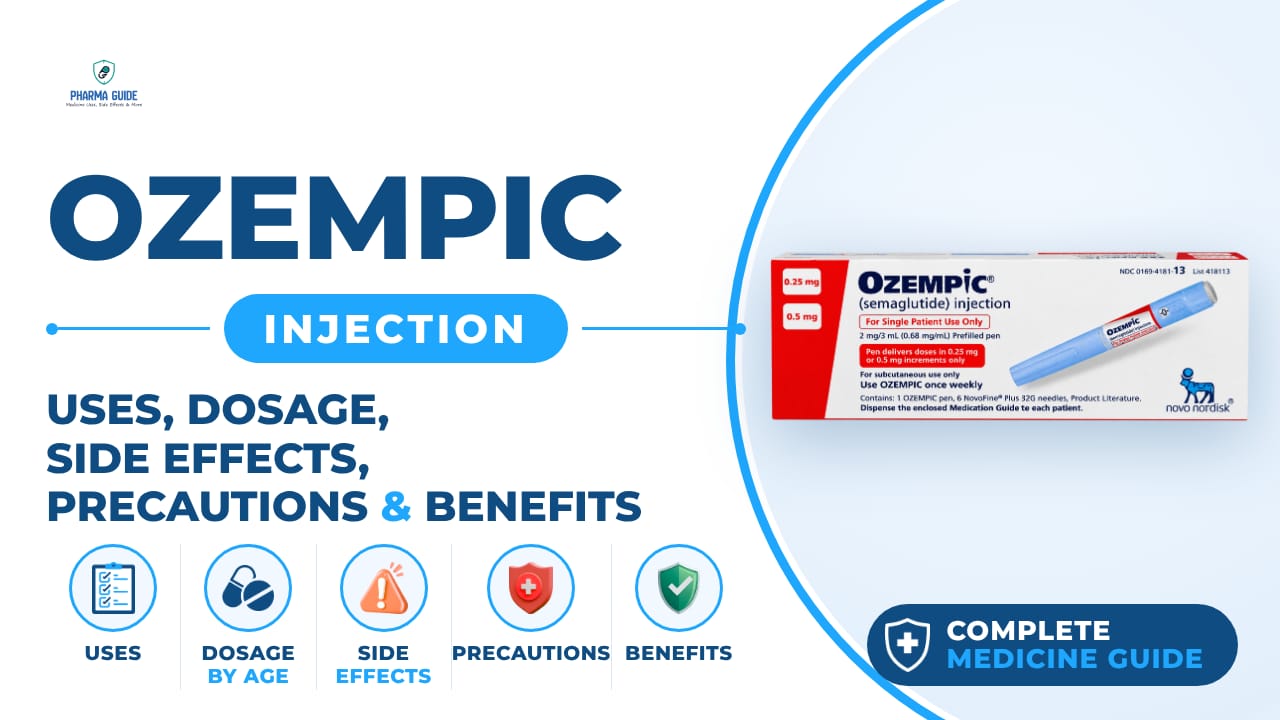
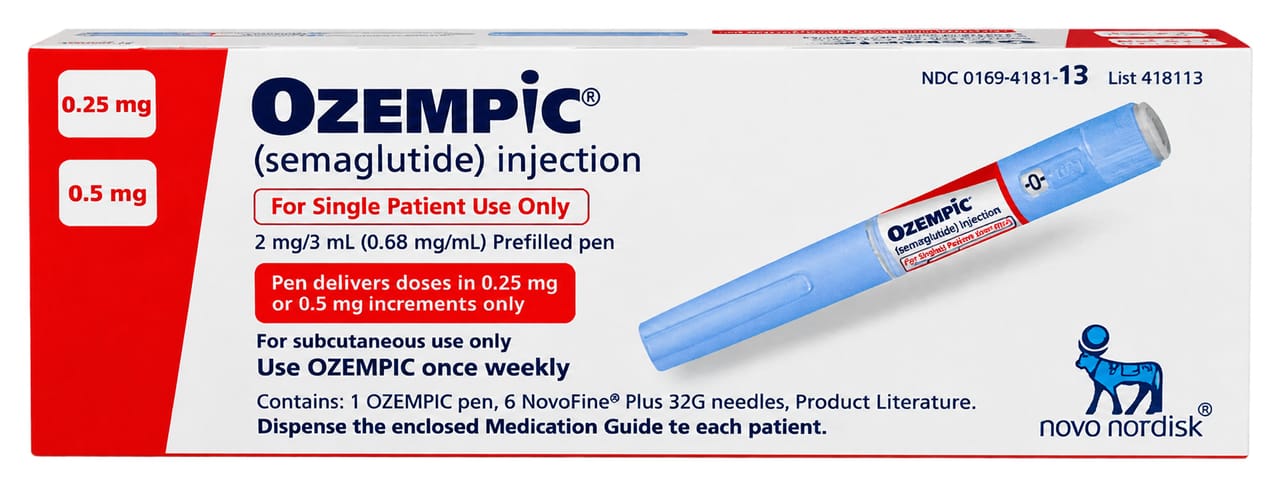
| Generic name | semaglutide |
|---|---|
| Drug class | GLP-1 Drugs (glucagon-like peptide-1 receptor agonist) |
| Forms | Single-patient-use injection pen (multiple strengths), Tablets (1.5 mg, 4 mg, 9 mg) |
Quick overview
Ozempic Injection contains semaglutide, a medicine in the GLP-1 receptor agonist drug class. It is a prescription injection given once a week to adults with type 2 diabetes to help control blood sugar alongside diet and exercise. It can also reduce the risk of major cardiovascular events and, in people with chronic kidney disease, may slow kidney decline and reduce cardiovascular death risk.
What is Ozempic Injection
Ozempic is a prescription medicine that comes as a weekly injection or a daily tablet. It contains semaglutide and is used for adults with type 2 diabetes.
Ozempic Injection uses
- Improve blood sugar control in adults with type 2 diabetes, along with diet and exercise
- Reduce the risk of a major cardiovascular event, such as heart attack, stroke, or death, in adults with type 2 diabetes at high risk for these events
- Reduce the risk of kidney function decline, kidney failure, and cardiovascular death in adults with type 2 diabetes and chronic kidney disease (CKD)
Benefits of Ozempic Injection
- Improves blood sugar (glucose) levels
- Lowers the risk of major cardiovascular events like heart attack and stroke
- Can slow kidney disease progression in certain patients
- May lead to weight loss when used with diet and exercise, though it is not approved for weight loss
How Ozempic Injection works
Ozempic copies a natural gut hormone called GLP-1. It tells the pancreas to release more insulin when blood sugar is high, lowers the amount of sugar released by the liver, slows down how fast the stomach empties, and reduces appetite so people tend to eat less.
Ozempic Injection dosage
The injection is given once a week and can be taken with or without meals at any time of day. Inject under the skin of the thigh, stomach area, or upper arm, and change the injection site each time. If you also use insulin, you can inject in the same body area but not right next to the Ozempic injection site, and never mix the two in the same injection.
The day you take your weekly injection can be changed if needed, as long as there are at least two days between doses. Never share an injection pen with another person, even if the needle has been changed, because this can spread infection.
If an injection dose is missed, give it as soon as possible within 5 days of the missed dose; if more than 5 days have passed, skip it and go back to the regular schedule.
| Age group | Dose |
|---|---|
| Under 18 years | Not recommended — safety and effectiveness not established |
| 18–64 years | 0.25 mg once weekly for 4 weeks, then 0.5 mg once weekly |
| 65 years and older | Same adult dosing; monitor according to individual response |
| Maintenance | 0.5 mg, 1 mg, or 2 mg once weekly |
| Maximum | 2 mg once weekly |
Available forms and strengths
- Single-patient-use injection pen (multiple strengths)
Side effects of Ozempic Injection
Common
- Nausea
- Vomiting
- Decreased appetite (mainly with tablets)
- Diarrhea
- Abdominal pain
- Constipation
Serious
- Inflammation of the pancreas (pancreatitis)
- Vision changes
- Low blood sugar (hypoglycemia)
- Kidney problems, including acute kidney injury from dehydration
- Serious allergic reactions, including anaphylaxis and angioedema
- Gallbladder problems, including gallstones and inflammation
- Stomach paralysis (ileus) or severe stomach problems
- Risk of food or liquid getting into the lungs during surgery or procedures requiring anesthesia or deep sedation
- Possible thyroid tumors, including thyroid cancer
Warnings and precautions
- Ozempic has a boxed warning, the FDA's strongest safety warning, because it caused thyroid tumors, including cancer, in animal studies.
- It is not known if this happens in humans. People with a personal or family history of a type of thyroid cancer called medullary thyroid carcinoma, or with Multiple Endocrine Neoplasia syndrome type 2, should not use this medicine.
- Severe stomach and intestinal problems, including stomach paralysis, have been reported. Ozempic is not recommended for people with severe gastroparesis.
- Inflammation of the pancreas (pancreatitis) has occurred with medicines like this one.
- Serious allergic reactions, including severe swelling reactions, can occur. Stop the medicine and get medical help if this happens.
- Dehydration from vomiting, nausea, or diarrhea can lead to sudden kidney injury.
- People with a history of diabetes-related eye disease (retinopathy) should be monitored, since complications have been reported.
- Low blood sugar can occur, especially when combined with insulin or certain other diabetes medicines.
- Gallbladder problems, including gallstones and inflammation, may occur.
- There is a risk of food or liquid getting into the lungs during surgery or procedures using anesthesia or deep sedation. Tell your healthcare providers you take this medicine before any planned procedure.
- It is not known if Ozempic will harm an unborn baby. You should stop using it at least 2 months before trying to get pregnant, and tell your doctor right away if you become pregnant while using it.
- It is not known if the injection passes into breast milk.
- Tell your doctor if you have kidney disease. Ozempic can also cause kidney problems related to dehydration from vomiting, nausea, or diarrhea.
- Drinking alcohol while taking this medicine may be risky.
Storage
- Store unopened injection pens in the original carton in a refrigerator between 36ºF to 46ºF (2ºC to 8ºC)
- Do not freeze. Discard any medicine that has been frozen
- Do not use past the expiration date
- After first use, store the pen with the needle removed in a refrigerator or at room temperature
- Protect from heat and light
- Keep the cap on when you are not using it
- Discard the pen 56 days after first opening it
- Do not reuse a needle. Place it in a puncture-proof sharps container and dispose of it following state or local laws. Keep out of the reach of children and pets
When to see a doctor
- Get emergency help right away if you have signs of a serious allergic reaction, such as hives, itching, dizziness, fast heartbeat, trouble breathing, or swelling of the face, lips, tongue, or throat
- Call your healthcare provider right away if you have vision changes, pounding or fluttering heartbeats, or feel like you might pass out
- Call your provider if you notice a lump or swelling in your neck, trouble swallowing, a hoarse voice, or shortness of breath, which could be signs of a thyroid tumor
- Seek help right away for severe upper stomach pain that spreads to your back, especially with nausea or vomiting and a fast heart rate, as these can be signs of pancreatitis
- Call your provider for signs of gallbladder problems, like upper stomach pain, fever, pale stools, or yellowing of the skin or eyes
- Watch for signs of low blood sugar, such as headache, hunger, weakness, sweating, confusion, irritability, dizziness, fast heart rate, or feeling jittery, and contact your provider
- Contact your provider if you have signs of kidney problems, like swelling, urinating less, blood in your urine, or feeling tired or short of breath
- Tell your provider about stomach flu-like symptoms such as cramps, vomiting, loss of appetite, or diarrhea that may be watery or bloody
- Report symptoms of stomach paralysis, including bloating, cramps or pain, nausea or vomiting, constipation or diarrhea, and loss of appetite
- If you think you've taken too much Ozempic, call your healthcare provider, contact a poison control center, or go to the nearest emergency room right away
Alternatives
- Trulicity
- Mounjaro
- Rybelsus
Watch the video
FAQs
What is Ozempic Injection used for?
It improves blood sugar control in adults with type 2 diabetes alongside diet and exercise, reduces the risk of major cardiovascular events like heart attack and stroke in high-risk patients, and can reduce the risk of kidney function decline, kidney failure, and cardiovascular death in those with type 2 diabetes and chronic kidney disease.
How is Ozempic Injection dosed?
It is injected once weekly under the skin of the thigh, stomach, or upper arm, with or without meals. Adults start at 0.25 mg weekly for 4 weeks, then move to a maintenance dose of 0.5 mg, 1 mg, or 2 mg weekly, with a maximum of 2 mg once weekly.
What should I do if I miss a dose of Ozempic?
Give the missed dose as soon as possible within 5 days of missing it. If more than 5 days have passed, skip the missed dose and resume your regular weekly schedule.
What are the common side effects of Ozempic Injection?
Common side effects include nausea, vomiting, decreased appetite, diarrhea, abdominal pain, and constipation.
Why does Ozempic have a boxed warning?
Ozempic has a boxed warning because it caused thyroid tumors, including cancer, in animal studies; it is not known if this occurs in humans. It should not be used by people with a personal or family history of medullary thyroid carcinoma or Multiple Endocrine Neoplasia syndrome type 2.
General information, not medical advice
Your prescriber and the leaflet in your pack know your situation. This page does not.
- Follow your prescriber and the leaflet
- Don't start, stop, or change a dose on your own
- Doses and warnings differ by country and product
Sources
- Drugs.com - Ozempic (semaglutide)
- Ozempic.com official prescribing and safety information
- Healthline - Ozempic (Semaglutide): Uses, Side Effects, and Risks
Video
Related medicines
Exenatide Injection: Uses, Dosage, Side Effects, Precautions and Alternates
GLP-1 Drugs (glucagon-like peptide-1 receptor agonist)
Exenatide Injection is a GLP-1 therapy for type 2 diabetes that boosts insulin and controls blood sugar. Learn dosage, side effects, and precautions.
Victoza Injection: Uses, Dosage, Side Effects, Precautions and Alternates
GLP-1 Drugs (glucagon-like peptide-1 receptor agonist)
Victoza Injection (liraglutide) controls blood sugar in type 2 diabetes and lowers heart attack/stroke risk. Learn dosage, side effects, and warnings.