Panadeine Tablet: Uses, Dosage, Side Effects, Precautions and Alternates
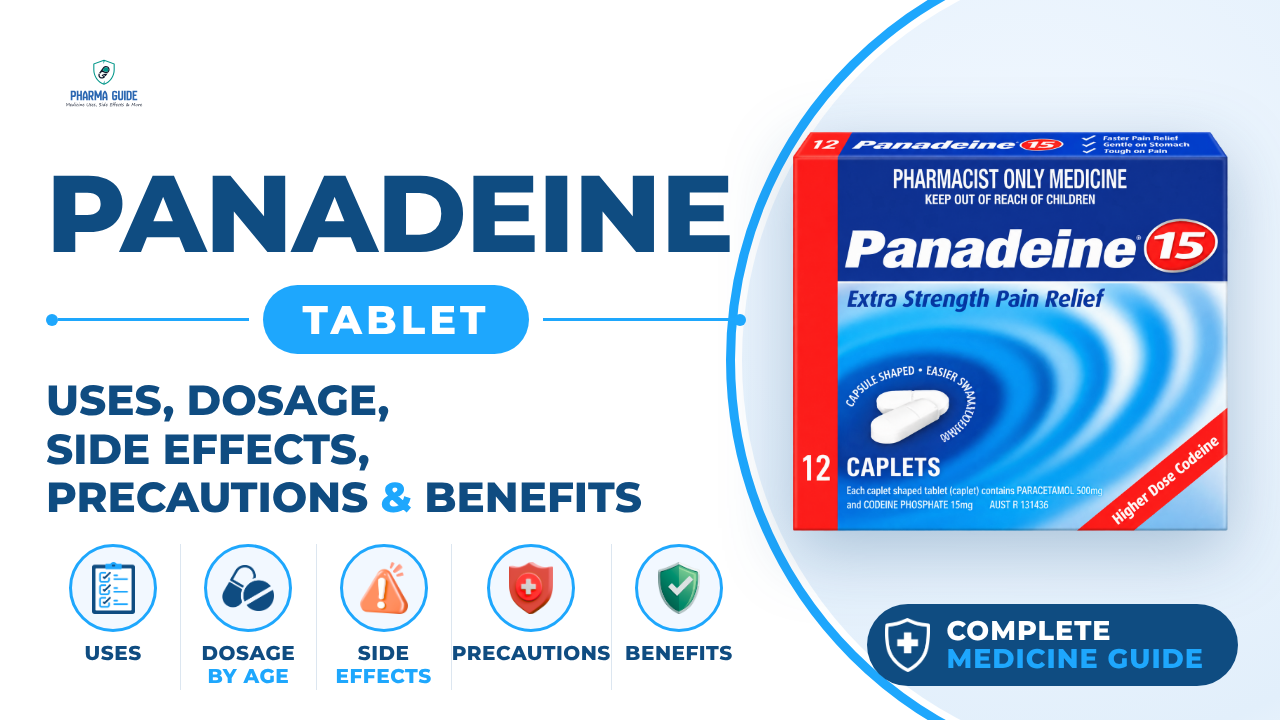
| Generic name | Paracetamol and Codeine Phosphate |
|---|---|
| Drug class | Opioid analgesics (opioid pain relief medicines) |
| Forms | Tablet |
Quick overview
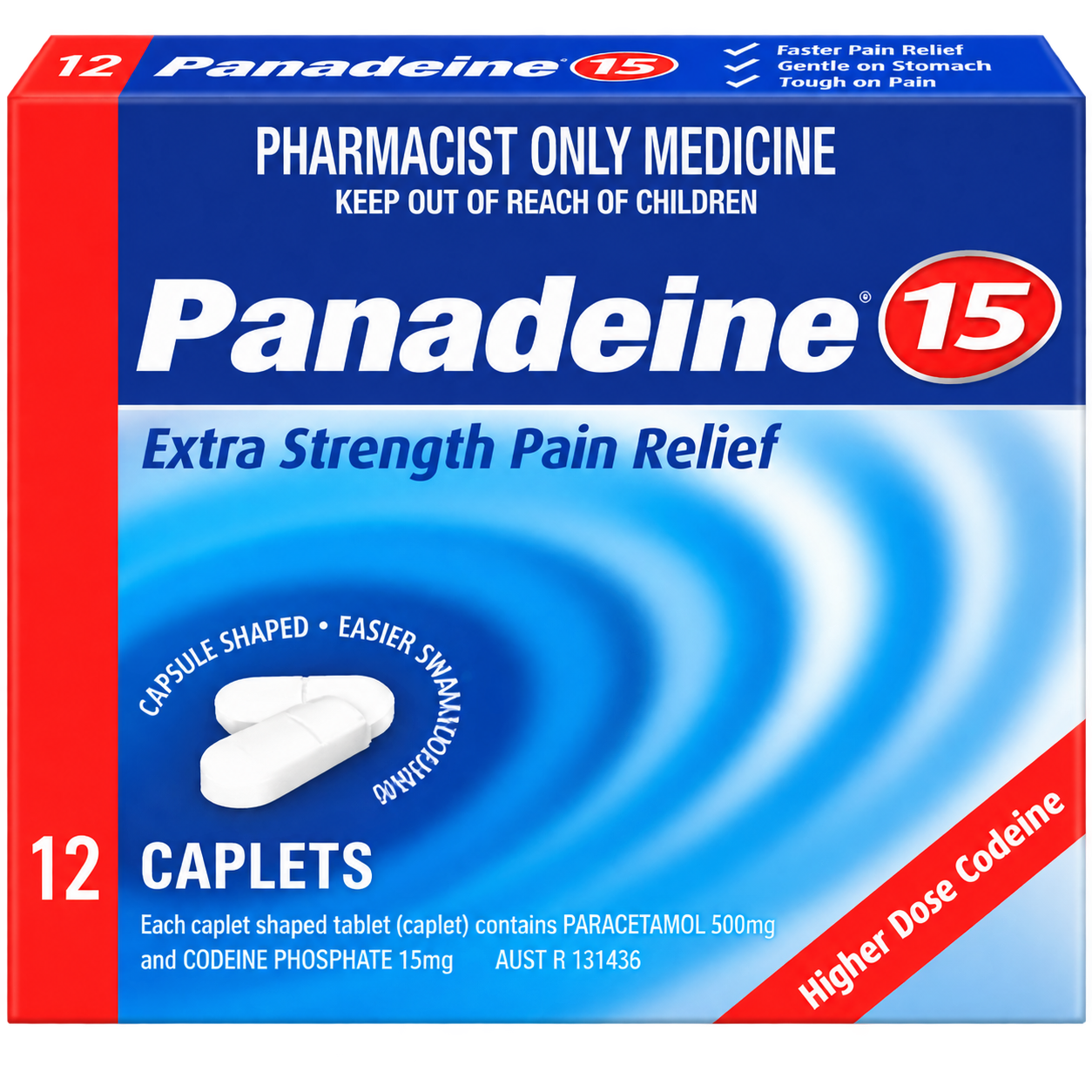
Panadeine Tablet contains two active ingredients, paracetamol and codeine phosphate, which work together to relieve pain and reduce fever. Codeine belongs to a group of medicines called opioid analgesics. It is used for various types of pain, including headaches, toothache, and muscle or joint pain, and for short-term relief of moderate pain in children over 12 years or severe pain when other options have failed. Panadeine should be used at the lowest dose for the shortest time necessary, and is not suitable for children under 12 years.
What is Panadeine Tablet
Panadeine tablets contain paracetamol and codeine, which are both pain-killing medicines. By working on your body in different ways, they combine to relieve pain. Paracetamol also helps reduce a high temperature when you have a fever. Codeine belongs to a group of medicines called opioid analgesics, which act to relieve pain.
Panadeine Tablet uses
- Joint, muscle and back pain
- Headaches, including migraine
- Toothache
- Sore throat
- Period pains
- Feverishness
- Colds and flu
- Short-term relief of moderate pain in children over 12 years that is not relieved by other painkillers such as paracetamol or ibuprofen alone
- Short-term management of severe pain when other treatment options have failed or are unsuitable
Benefits of Panadeine Tablet
- Provides effective relief for mild to moderate pain
- Helps reduce a high temperature when you have a fever
- Relieves mild to moderate pain
- Helps with headache
- Relieves toothache
- Helps reduce back pain
- Relieves muscle and joint pain
- Can help with period pain
- Provides stronger pain relief than paracetamol alone for some types of pain
How Panadeine Tablet works
Paracetamol and codeine work on your body in different ways and combine to relieve pain. Codeine is changed into morphine in the liver, and morphine is the substance that produces pain relief. Paracetamol also helps to lower a high temperature.
Panadeine Tablet dosage
Swallow the tablets with water. Do not take more often than every 6 hours, and allow at least 6 hours between doses. Do not take more than 4 doses in 24 hours. Do not take for more than 3 days without asking your doctor. If the pain does not improve after 3 days, talk to your doctor.
Do not take this product with any other product containing paracetamol or codeine. Take this product at the lowest dose for the shortest time necessary to relieve your symptoms. This medicine should not be taken by children below 12 years of age due to the risk of severe breathing problems.
In the elderly, the normal adult dosage is usually appropriate, but a reduced frequency of dosing may be needed if you are immobile or in poor health; consult your doctor or pharmacist.
If you forget a dose, take your normal dose as soon as you remember, but do not take a double dose to make up for a forgotten one.
| Age group | Dose |
|---|---|
| Under 12 years | Do not use codeine-containing Panadeine |
| 12–17 years | 1–2 tablets every 4–6 hours as needed; maximum 8 tablets in 24 hours |
| 18–64 years | 1–2 tablets every 4–6 hours as needed; maximum 8 tablets in 24 hours |
| 65+ years | 1–2 tablets every 4–6 hours as needed; maximum 8 tablets in 24 hours |
Available forms and strengths
- Tablet
Side effects of Panadeine Tablet
Common
- Dizziness
- Drowsiness
- Nausea
- Vomiting
- Constipation
- Indigestion (dyspepsia)
- Sleepiness (somnolence)
Serious
- Severe abdominal pain, nausea and vomiting if you have previously had gall bladder removal surgery
- Allergic reaction such as skin rash or itching, sometimes with breathing problems or swelling of the lips, tongue, face or throat
- Skin rash or peeling, or mouth ulcers
- Breathing problems similar to reactions previously experienced with aspirin or non-steroidal anti-inflammatories
- Unexplained bruising or bleeding
- Metabolic acidosis (a condition that makes the blood more acidic) in patients with severe illness
- Signs of morphine toxicity such as slow or shallow breathing, confusion, sleepiness, small pupils, feeling or being sick, constipation, lack of appetite
- Physical and psychological dependence (addiction) with prolonged regular use
Warnings and precautions
- Do not take this medicine if you are allergic to paracetamol, codeine or other opioid painkillers, if you are under 12 years, if you have acute asthma, if you are or may be pregnant, if you are breastfeeding, if you know you metabolise codeine into morphine very rapidly, or if you are taking any other medicine containing paracetamol or codeine.
- Do not take this product with any other product containing paracetamol or codeine, and do not exceed the stated dose. Prolonged regular use, except under medical supervision, may lead to physical and psychological dependence (addiction) and withdrawal symptoms such as restlessness and irritability when the drug is stopped.
- If you find you need to use this product all the time, consult your doctor.
- Taking this medicine together with sedative medicines such as benzodiazepines increases the risk of drowsiness, breathing difficulties, coma and may be life-threatening.
- Codeine should not be used for pain relief in children and adolescents after removal of their tonsils or adenoids due to Obstructive Sleep Apnoea Syndrome, and is not recommended in children with breathing problems.
- Do not use during pregnancy unless advised by your doctor.
- Do not take it if you suspect or know that you are pregnant.
- Ask your doctor or pharmacist for advice before taking any medicine.
- Do not take this medicine while breastfeeding.
- Codeine and morphine pass into breast milk, and codeine-containing products may harm your baby.
- Tell your pharmacist or doctor before taking this medicine if you have any kidney problems.
- Tell your doctor straight away if you have severe kidney impairment, as a serious condition called metabolic acidosis has been reported.
- Tell your pharmacist or doctor before taking this medicine if you have any liver problems, including Gilbert's Syndrome.
- Overdose carries a risk of irreversible liver damage.
- You should avoid alcohol when taking this medicine.
- Tell your doctor if you are an alcoholic.
- This medicine may make you feel drowsy or dizzy.
- You should not drive or operate machinery until you know how it affects you.
Storage
- Keep out of the sight and reach of children.
- Do not take this medicine after the "use by" expiry date stated on the blister and carton. The expiry date refers to the last day of that month.
- Do not store this medicine above 25°C.
- Medicines should not be disposed of via wastewater or household waste. Ask your pharmacist how to dispose of medicines no longer required.
When to see a doctor
- Seek immediate medical advice if you notice signs of too much morphine, such as slow or shallow breathing, confusion, sleepiness, small pupils, feeling or being sick, constipation or lack of appetite, and stop taking the medicine.
- Get immediate medical advice in the event of an overdose because of the risk of irreversible liver damage.
- Tell your doctor straight away if you develop symptoms of metabolic acidosis such as serious breathing difficulties with deep rapid breathing, drowsiness, feeling sick and being sick.
- Stop taking this medicine and tell your doctor immediately if you have an allergic reaction such as skin rash or itching, breathing problems, or swelling of the lips, tongue, face or throat.
Alternatives
- Paracetamol (Acetaminophen)
- Ibuprofen
- Naproxen
- Diclofenac
- Aceclofenac
- Meloxicam
- Celecoxib
Watch the video
FAQs
What is Panadeine Tablet used for?
Panadeine Tablet is used for joint, muscle and back pain, headaches including migraine, toothache, sore throat, period pains, feverishness, colds and flu, short-term relief of moderate pain in children over 12 years not relieved by other painkillers, and short-term management of severe pain when other treatments have failed or are unsuitable.
What is the dosage for Panadeine Tablet?
Swallow the tablets with water, not more often than every 6 hours, with at least 6 hours between doses. Do not take more than 4 doses in 24 hours, and do not take for more than 3 days without consulting your doctor.
Can children take Panadeine Tablet?
No, Panadeine should not be taken by children below 12 years of age due to the risk of severe breathing problems. Use in those aged 12-17 years is generally not recommended unless specifically prescribed.
What are the common side effects of Panadeine Tablet?
Common side effects include dizziness, drowsiness, nausea, vomiting, constipation, indigestion (dyspepsia), and sleepiness (somnolence).
Is it safe to take Panadeine Tablet during pregnancy or breastfeeding?
No, Panadeine should not be used during pregnancy unless advised by a doctor, and should not be taken while breastfeeding, as codeine and morphine pass into breast milk and may harm the baby.
Sources
- https://assets.hpra.ie/products/Human/19460/fb133c7d-fba6-414b-bc70-c3cdef128d7a.pdf
- https://www.healthdirect.gov.au/medicines/brand/amt,34821000168106/panadeine-forte
- https://www.duke-nus.edu.sg/lcpc/resources/sg-pall-ebook-disclaimer/sg-pall-ebook/drug-formulary/lists/listsProvider2/drugs-formulary/panadeine
Video
Related medicines
Ampicillin Injection: Uses, Dosage, Side Effects, Precautions and Alternates
Penicillin antibiotic (aminopenicillin)
Ampicillin Injection is a penicillin antibiotic used for meningitis, pneumonia, septicemia, and more. Learn dosage, side effects, and warnings.
Azithromycin Tablet: Uses, Dosage, Side Effects, Precautions and Alternates
Macrolide antibiotic (azalide subclass)
Azithromycin Tablet is a macrolide antibiotic used for bacterial infections like Chlamydia and MAC. Learn its uses, dosage, side effects, and precautions.