
Safety
General information, not medical advice
Your prescriber and the leaflet in your pack know your situation. This page does not.
- Follow your prescriber and the leaflet
- Don't start, stop, or change a dose on your own
- Doses and warnings differ by country and product
Pantoprazole Injection: Uses, Dosage, Side Effects, Precautions and Alternates
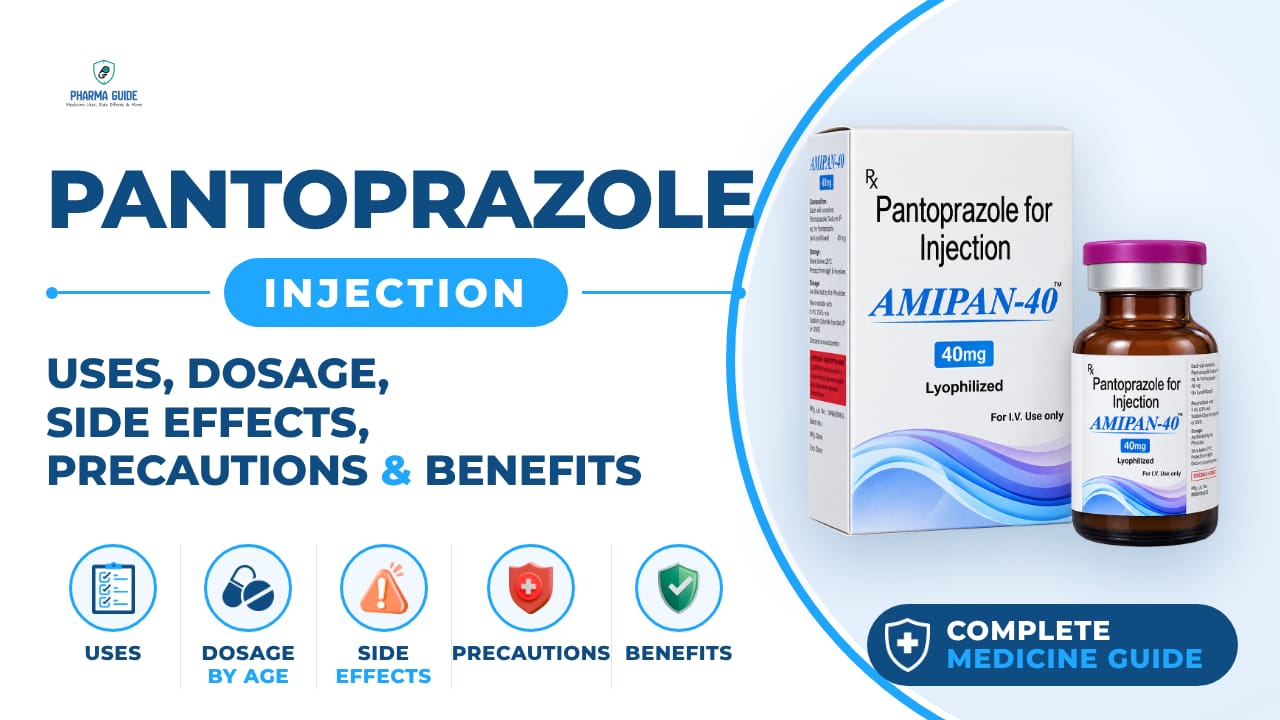
| Generic name | Pantoprazole |
|---|---|
| Drug class | Proton pump inhibitor (PPI) |
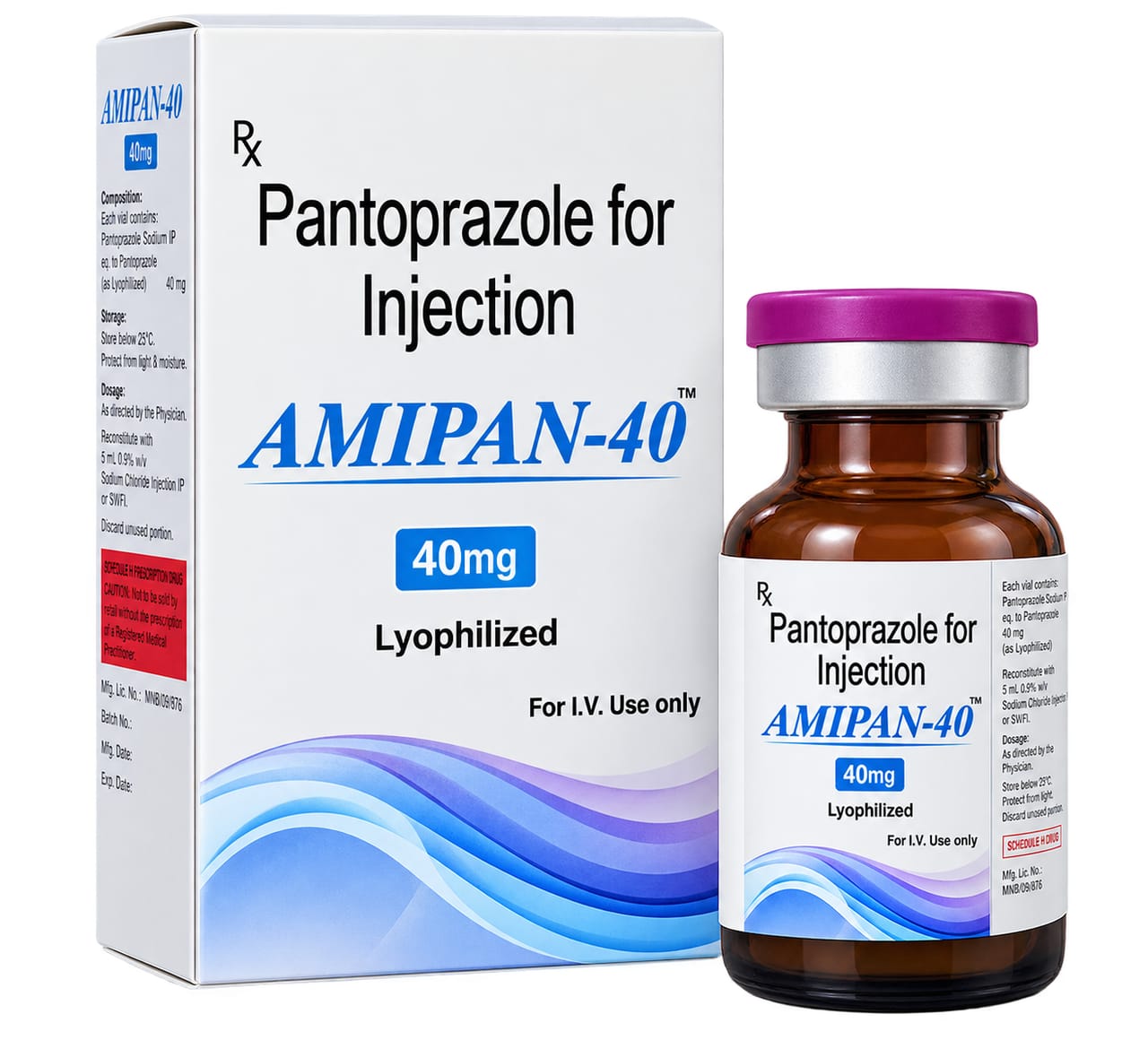
| Forms | Powder for Solution |
Quick overview
Pantoprazole Injection is a proton pump inhibitor given into a vein to treat conditions where the stomach makes too much acid. It is administered by a doctor or nurse in a medical facility, usually as a short-term treatment until a person can switch to a pill form. It is used for short-term treatment of GERD when oral therapy is not possible, erosive esophagitis, and conditions like Zollinger-Ellison syndrome.
What is Pantoprazole Injection
Pantoprazole injection is a medicine given into a vein to treat conditions where the stomach makes too much acid. It is given by a doctor or nurse in a medical facility, usually as a short-term treatment until you can switch to a pill form.
Pantoprazole Injection uses
- Short-term treatment of gastroesophageal reflux disease (GERD) in people who have damage to the esophagus and cannot take pantoprazole by mouth
- Treatment of a history of erosive esophagitis (damage to the esophagus from stomach acid)
- Treatment of conditions where the stomach makes too much acid, such as Zollinger-Ellison syndrome
Benefits of Pantoprazole Injection
- Reduces stomach acid production.
- Helps treat GERD and acid reflux when oral therapy is not appropriate.
- Helps promote healing of acid-related esophageal irritation.
- Used to control excessive acid production in Zollinger–Ellison syndrome and similar conditions.
- Provides an IV treatment option when oral pantoprazole cannot be taken.
How Pantoprazole Injection works
Pantoprazole blocks the acid pumps in the stomach lining, which stops the stomach from making acid. This effect can last about a day before the body needs another dose.
Pantoprazole Injection dosage
This medicine is given only by or under the direct supervision of your doctor, through an IV catheter placed into a vein. It may take several days before this medicine begins to relieve stomach pain; antacids may be used at the same time unless your doctor says otherwise. Your doctor will give you a few doses of this medicine until your condition improves, then switch you to a pill form that works the same way. For GERD, this injection is usually given once a day; for conditions with excess stomach acid, it may be given more often through the day. Your doctor may have you take zinc supplements while receiving this medicine.
| Age group | Dose |
|---|---|
| Under 18 years | IV dosing is indication/product-specific; use under specialist guidance |
| 18–64 years | GERD when oral therapy isn't possible: 40 mg once daily, generally for up to 7–10 days |
| 65+ years | Usually 40 mg once daily; routine age-based adjustment generally not required |
Available forms and strengths
- Powder for Solution
Side effects of Pantoprazole Injection
Common
- Headache
- Vomiting
- Joint pain
- Diarrhea
- Dizziness
- Pain, redness, or swelling near the injection site
- Difficulty achieving or maintaining an erection (in men)
- Belching, gas, or a full feeling
- Nausea
Serious
- Signs of a serious allergic reaction, such as rash, itching, hoarseness, trouble breathing or swallowing, or swelling of the hands, face, or mouth
- Serious skin reactions with blistering, peeling, or loosening of skin, fever, chills, sores or ulcers in the mouth, or unusual bleeding or bruising
- Injection site reaction called thrombophlebitis, with skin color changes, pain, tenderness, or swelling of the foot or leg
- Signs of a serious kidney problem, such as changes in urination, blood in urine, fever, joint pain, loss of appetite, nausea, or unusual swelling or weight gain
- Serious stomach conditions with stomach cramps, bloating, severe or bloody diarrhea, fever, nausea, or vomiting
- Bone fractures of the hip, wrist, or spine, especially with severe bone pain or trouble walking or sitting
- Low magnesium levels causing seizures, fast or uneven heartbeat, muscle spasms, tremors, or unusual tiredness
- New or worsening lupus symptoms, such as joint pain or a skin rash on the cheeks or arms that worsens in sunlight
- Fundic gland polyps (abnormal growths in the stomach) with long-term use
Warnings and precautions
- This medicine should not be used together with medicines containing rilpivirine, as this combination can cause unwanted side effects.
- This medicine can cause serious allergic reactions, including a life-threatening reaction called anaphylaxis.
- This medicine can cause serious skin reactions.
- Taking this medicine may increase the risk of broken bones in the hip, wrist, and spine, especially in people 50 and older, at high doses, or with long-term use.
- This medicine can lower magnesium levels in the blood, especially with long-term use or when combined with certain heart or water pill medicines.
- Lupus symptoms may appear or get worse while using this medicine.
- Long-term use of this medicine may increase the risk of growths in the stomach called fundic gland polyps.
- Heartburn can feel like the first signs of a heart attack, so seek emergency care if you have chest pain, pain spreading to your arm or shoulder, nausea, sweating, or feeling generally unwell.
- Using this medicine for a long time may make it harder for your body to absorb vitamin B-12, which can lead to a deficiency.
- It is not known whether this medicine could harm an unborn baby. Tell your doctor if you are pregnant or planning to become pregnant.
- There isn't enough research to know if this medicine is safe during breastfeeding. Your doctor will help you weigh the benefits and risks.
- Tell your doctor if you have kidney disease, since this medicine should be used with caution and could make kidney problems worse.
- If you have liver disease, this medicine should be used carefully because your body may remove it more slowly, increasing its effects.
When to see a doctor
- Get medical help right away if you have signs of a serious allergic reaction, such as rash, itching, hoarseness, or trouble breathing or swallowing, or swelling of your hands, face, or mouth.
- Contact your doctor right away if you notice black, tarry stools, blistering or peeling skin, chest pain, chills, cough, diarrhea, itching, joint or muscle pain, painful urination, red irritated eyes, unusual skin lesions, sore throat, mouth sores, swollen glands, or unusual bleeding or tiredness.
- Tell your doctor right away if you notice skin color changes, pain, tenderness, or swelling of your foot or leg near where the injection was given.
- Contact your doctor right away if you have changes in urination, blood in your urine, fever, joint pain, loss of appetite, nausea, skin rash, swelling, or unusual weight gain, as these could signal a kidney problem.
- Get medical help immediately if you have stomach cramps, bloating, severe or bloody diarrhea, fever, nausea, or vomiting.
- Call your doctor right away if you have severe bone pain or trouble walking or sitting normally.
- Check with your doctor right away if you have seizures, a fast or uneven heartbeat, muscle spasms, tremors, or unusual tiredness or weakness, which could be signs of low magnesium.
- Call your doctor right away if you develop joint pain or a skin rash on your cheeks or arms that worsens with sun exposure.
- Get emergency help if you have chest pain spreading to your jaw or shoulder along with anxiety or lightheadedness, since these could be heart attack symptoms.
Alternatives
- Cimetidine IV
- Famotidine IV
- Lansoprazole
- Esomeprazole IV
- Omeprazole IV
Watch the video
FAQs
What is Pantoprazole Injection used for?
It is used for short-term treatment of GERD when oral therapy isn't possible, for a history of erosive esophagitis, and for conditions where the stomach makes too much acid, such as Zollinger-Ellison syndrome.
How does Pantoprazole Injection work?
It blocks the acid pumps in the stomach lining, stopping acid production. This effect can last about a day before another dose is needed.
What is the dosage of Pantoprazole Injection for GERD?
For adults 18-64 years, the dose for GERD when oral therapy isn't possible is usually 40 mg once daily, generally for up to 7-10 days. Adults 65 and older usually receive 40 mg once daily as well.
What are the common side effects of Pantoprazole Injection?
Common side effects include headache, vomiting, joint pain, diarrhea, dizziness, pain or redness at the injection site, erectile difficulty in men, belching, gas, a full feeling, and nausea.
What are the serious warnings for Pantoprazole Injection?
It can cause serious allergic reactions, serious skin reactions, increased risk of bone fractures, low magnesium levels, lupus-like symptoms, fundic gland polyps with long-term use, and should not be used with rilpivirine.
General information, not medical advice
Your prescriber and the leaflet in your pack know your situation. This page does not.
- Follow your prescriber and the leaflet
- Don't start, stop, or change a dose on your own
- Doses and warnings differ by country and product
Sources
Video
Related medicines

Dexlansoprazole Capsule: Uses, Dosage, Side Effects, Precautions and Alternates
Proton pump inhibitor (PPI)
Dexlansoprazole Capsule is a PPI that reduces stomach acid to treat heartburn, GERD, and erosive esophagitis. Learn dosage, side effects, and warnings.
Ppi Rabium Tablet: Uses, Dosage, Side Effects, Precautions and Alternates
Proton pump inhibitor (PPI)
Ppi Rabium Tablet (rabeprazole) reduces stomach acid to treat GERD, ulcers, H. pylori infections, and heartburn. Learn uses, dosage, and side effects.