
Safety
General information, not medical advice
Your prescriber and the leaflet in your pack know your situation. This page does not.
- Follow your prescriber and the leaflet
- Don't start, stop, or change a dose on your own
- Doses and warnings differ by country and product
Pantoprazole Tablet: Uses, Dosage, Side Effects, Precautions and Alternates
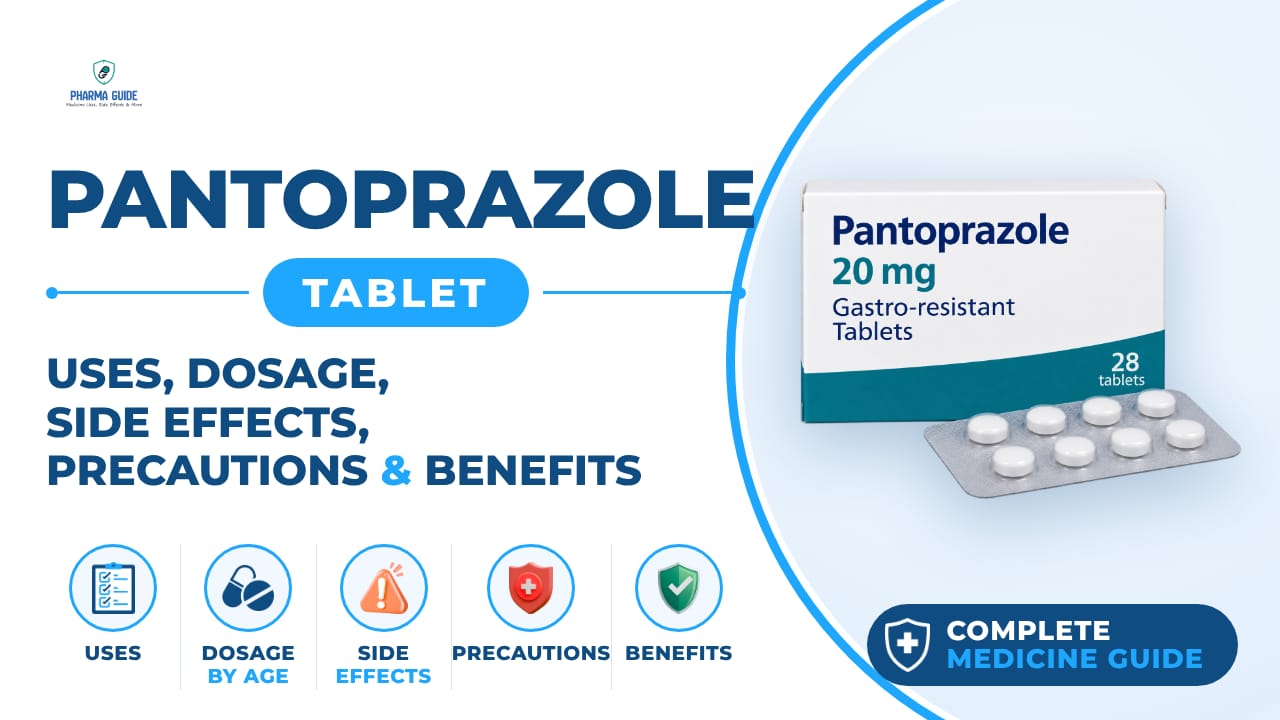
| Generic name | Pantoprazole |
|---|---|
| Drug class | Proton pump inhibitor (PPI) |
| Forms | Delayed-release oral tablet, Delayed-release oral liquid suspension, Intravenous (IV) injection |
Quick overview
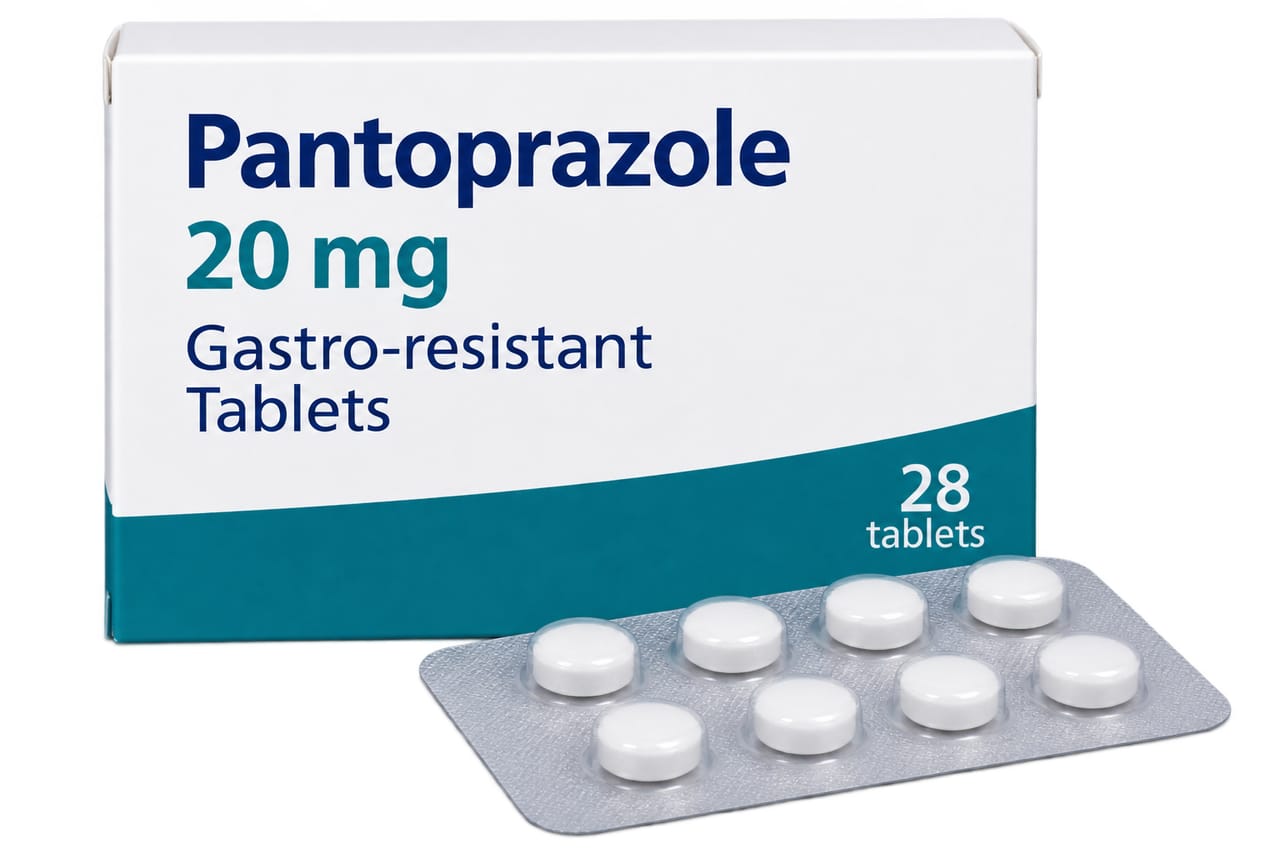
Pantoprazole is a proton pump inhibitor available as generic and brand-name (Protonix) products. It reduces the amount of acid the stomach makes and is used for conditions such as GERD-related erosive esophagitis, stomach ulcers, and excess acid conditions like Zollinger-Ellison syndrome. It comes as a delayed-release tablet, a delayed-release liquid suspension, and an intravenous injection given by a healthcare professional.
What is Pantoprazole Tablet
Pantoprazole is a medicine, available as both generic and brand-name (Protonix), that reduces the amount of acid your stomach makes. It comes as a delayed-release tablet, a delayed-release liquid suspension, and an injection given by a healthcare professional in a vein.
Pantoprazole Tablet uses
- Short-term treatment of erosive esophagitis caused by gastroesophageal reflux disease (GERD) in adults and children 5 years and older
- Maintenance of healing of erosive esophagitis
- Treating conditions that cause too much stomach acid, such as Zollinger-Ellison syndrome
- Treating stomach ulcers and reflux disease
- Helping to fight Helicobacter pylori infections
- Preventing ulcers caused by NSAID medicines
- Protecting critically ill patients from stress ulcers
Benefits of Pantoprazole Tablet
- Reduces stomach acid and helps relieve painful symptoms such as heartburn, difficulty swallowing, stomach pain, and vomiting
- Helps heal damage to the esophagus caused by stomach acid
- Most patients notice relief from heartburn and acidity within a few days, with full healing of the esophagus typically taking several weeks
How Pantoprazole Tablet works
Pantoprazole works by attaching to the acid-producing cells in your stomach and shutting off the pumps that release acid. This lowers the amount of acid in your stomach, and the effect lasts more than 24 hours before your body needs another dose.
Pantoprazole Tablet dosage
Swallow the tablet whole with water; do not split, crush, or chew it. It can be taken with or without food, though some sources suggest taking it a set time before a meal. Try to take it at the same time every day for the best effect. If you miss a dose, take it as soon as you remember, unless it is almost time for your next dose — in that case skip the missed dose. Do not take a double dose to make up for a missed one. Do not stop taking this medicine or change how you take it without talking to your doctor, since not taking it regularly can reduce how well it controls your symptoms.
| Age group | Dose |
|---|---|
| Under 1 year | Doctor's advice required |
| 1–4 years | Pediatric dosing requires medical supervision |
| 5–11 years | 20 mg once daily for certain indications |
| 12 years & older | 20–40 mg once daily |
| Adults | 20–40 mg once daily |
Available forms and strengths
- Delayed-release oral tablet
- Delayed-release oral liquid suspension
- Intravenous (IV) injection
Side effects of Pantoprazole Tablet
Common
- Headache
- Diarrhea
- Abdominal pain
- Nausea or vomiting
- Gas
- Dizziness
- Joint pain
- Constipation
- Dry mouth
- Feeling tired
Serious
- Low magnesium levels (hypomagnesemia), with symptoms such as seizures, irregular heart rate, tremors, jitteriness, muscle weakness, spasms of hands and feet, cramps, or loss of taste
- Vitamin B12 deficiency, with symptoms such as nervousness, nerve inflammation, numbness or tingling in hands and feet, and problems with muscle coordination
- Severe diarrhea, possibly caused by a Clostridioides difficile infection, with watery stool, abdominal pain, and fever that doesn't go away
- Bone fractures of the hip, wrist, or spine, especially with long-term or high-dose use
- Kidney damage, with symptoms such as flank pain and changes in urination
- Cutaneous lupus erythematosus (CLE), with a rash on the skin and nose or a raised, scaly, discolored rash
- Systemic lupus erythematosus (SLE), with fever, tiredness, weight loss, blood clots, and heartburn
- Fundic gland polyps (stomach growths that can become cancerous), which usually cause no symptoms but sometimes cause nausea, vomiting, or abdominal pain
- Severe allergic reaction with rash, swelling, and breathing problems, which can progress to a kidney disorder called interstitial nephritis
Warnings and precautions
- Long-term use can raise the risk of bone fractures, especially in people taking higher, multiple daily doses for more than a year.
- Long-term use (usually longer than 3 years) can lead to vitamin B12 deficiency, which can cause serious nerve damage and worsening brain function.
- Low blood magnesium levels (hypomagnesemia) can occur after as little as 3 months of use, but more often develop after a year or more.
- Severe diarrhea caused by a bacterial infection (Clostridioides difficile) can happen, especially in people who are in the hospital.
- Although rare, this medicine can cause an allergic reaction that can progress to a serious kidney disorder called interstitial nephritis, which can lead to kidney failure.
- This medicine can cause two autoimmune conditions called cutaneous lupus erythematosus and systemic lupus erythematosus.
- Long-term use, especially longer than a year, can cause growths on the stomach lining called fundic gland polyps, which can become cancerous. Use this medicine for the shortest time needed to help prevent this.
- If you have osteoporosis, tell your doctor, since this medicine can increase your risk of the condition worsening.
- Your doctor will have you stop taking this medicine at least 14 days before certain tests for neuroendocrine tumors, because it can cause incorrect results.
- Do not take this medicine with certain HIV medicines (atazanavir or nelfinavir), because it can significantly reduce how well those drugs work.
- Taking warfarin together with this medicine can increase the time it takes blood to clot, raising the risk of severe bleeding, so your doctor should monitor you closely.
- If you are pregnant or planning to become pregnant, talk with your doctor about this drug.
- Animal studies have shown a risk of harm to the fetus, but there isn't enough research in people to know if it poses a risk to a human baby. Pantoprazole is usually not recommended in pregnancy because there isn't enough proof of its safety.
- Pantoprazole may pass into breast milk. Talk with your healthcare professional about other treatment options while breastfeeding, especially if you are nursing a newborn or premature infant.
- People with kidney problems should have regular check-ups, since kidney damage can occur. Watch for symptoms like blood in urine, fatigue, or joint pain.
- People with liver problems may need regular monitoring of their liver function because the medicine may build up in the body if the liver is not working well. Tell your doctor if you have any liver problems before starting treatment.
- It isn't known exactly how alcohol interacts with this medicine, so it's best to check with your doctor before drinking.
- This medicine may cause dizziness, sleepiness, or visual disturbances, so avoid driving or operating heavy machinery if you experience these effects.
Storage
- Store this drug at a room temperature of 68°F to 77°F (20°C to 25°C)
- You can store it for a short time at temperatures as low as 59°F (15°C) and as high as 86°F (30°C)
- Keep this medicine out of the reach of children
When to see a doctor
- Get medical help right away if you notice signs of a serious allergic reaction, such as rash, swelling, or trouble breathing.
- Contact your doctor immediately if you have symptoms of a kidney problem, such as nausea, vomiting, fever, rash, confusion, blood in your urine, bloating, or high blood pressure.
- Tell your doctor right away if you notice symptoms of low magnesium, such as seizures, an abnormal or fast heartbeat, tremors, jitteriness, muscle weakness, dizziness, spasms of your hands or feet, cramps, or loss of taste.
- Seek medical care if you develop watery stool, ongoing abdominal pain, or a fever that doesn't go away, as these could be signs of a severe gut infection.
- Call your doctor if you experience tiredness, painful joints, rashes, or skin lesions, which may be signs of lupus.
- In case of a suspected overdose, get emergency medical help right away.
Alternatives
- Lansoprazole (Prevacid)
- Esomeprazole (Nexium)
- Omeprazole (Prilosec OTC)
- Rabeprazole (AcipHex)
- Dexlansoprazole (Dexilant)
Watch the video
FAQs
What is Pantoprazole Tablet used for?
It is used for short-term treatment and maintenance of erosive esophagitis from GERD, conditions causing too much stomach acid like Zollinger-Ellison syndrome, stomach ulcers, reflux disease, fighting H. pylori infections, preventing NSAID-related ulcers, and protecting critically ill patients from stress ulcers.
How should I take Pantoprazole Tablet?
Swallow the tablet whole with water without splitting, crushing, or chewing it. It can be taken with or without food, ideally at the same time every day. If you miss a dose, take it as soon as you remember unless it's almost time for your next dose, in which case skip it.
What are the common side effects of Pantoprazole Tablet?
Common side effects include headache, diarrhea, abdominal pain, nausea or vomiting, gas, dizziness, joint pain, constipation, dry mouth, and feeling tired.
What are the serious risks of long-term Pantoprazole use?
Long-term use can raise the risk of bone fractures, vitamin B12 deficiency, low magnesium levels, fundic gland polyps, and autoimmune conditions like cutaneous and systemic lupus erythematosus.
Can Pantoprazole Tablet be taken during pregnancy?
It is usually not recommended in pregnancy because there isn't enough proof of its safety, though animal studies have shown a risk of harm to the fetus without enough human research to confirm risk.
General information, not medical advice
Your prescriber and the leaflet in your pack know your situation. This page does not.
- Follow your prescriber and the leaflet
- Don't start, stop, or change a dose on your own
- Doses and warnings differ by country and product
Sources
Video
Related medicines
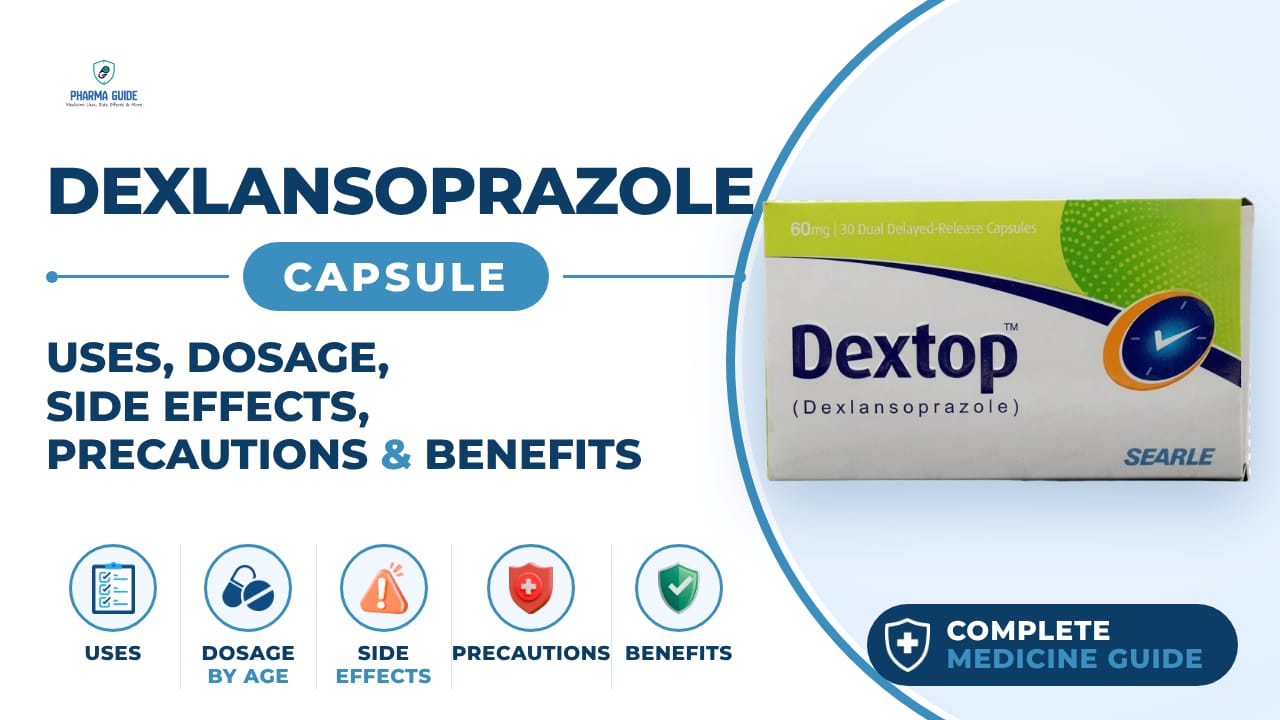
Dexlansoprazole Capsule: Uses, Dosage, Side Effects, Precautions and Alternates
Proton pump inhibitor (PPI)
Dexlansoprazole Capsule is a PPI that reduces stomach acid to treat heartburn, GERD, and erosive esophagitis. Learn dosage, side effects, and warnings.
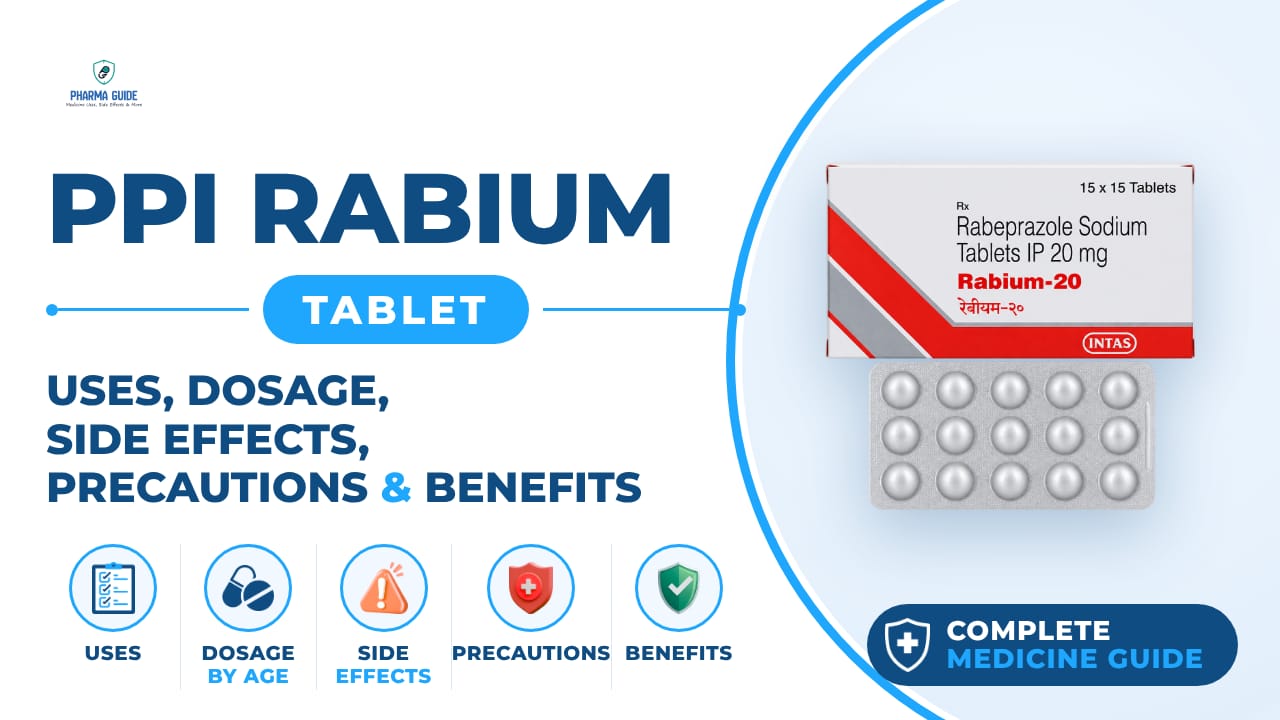
Ppi Rabium Tablet: Uses, Dosage, Side Effects, Precautions and Alternates
Proton pump inhibitor (PPI)
Ppi Rabium Tablet (rabeprazole) reduces stomach acid to treat GERD, ulcers, H. pylori infections, and heartburn. Learn uses, dosage, and side effects.