
Safety
General information, not medical advice
Your prescriber and the leaflet in your pack know your situation. This page does not.
- Follow your prescriber and the leaflet
- Don't start, stop, or change a dose on your own
- Doses and warnings differ by country and product
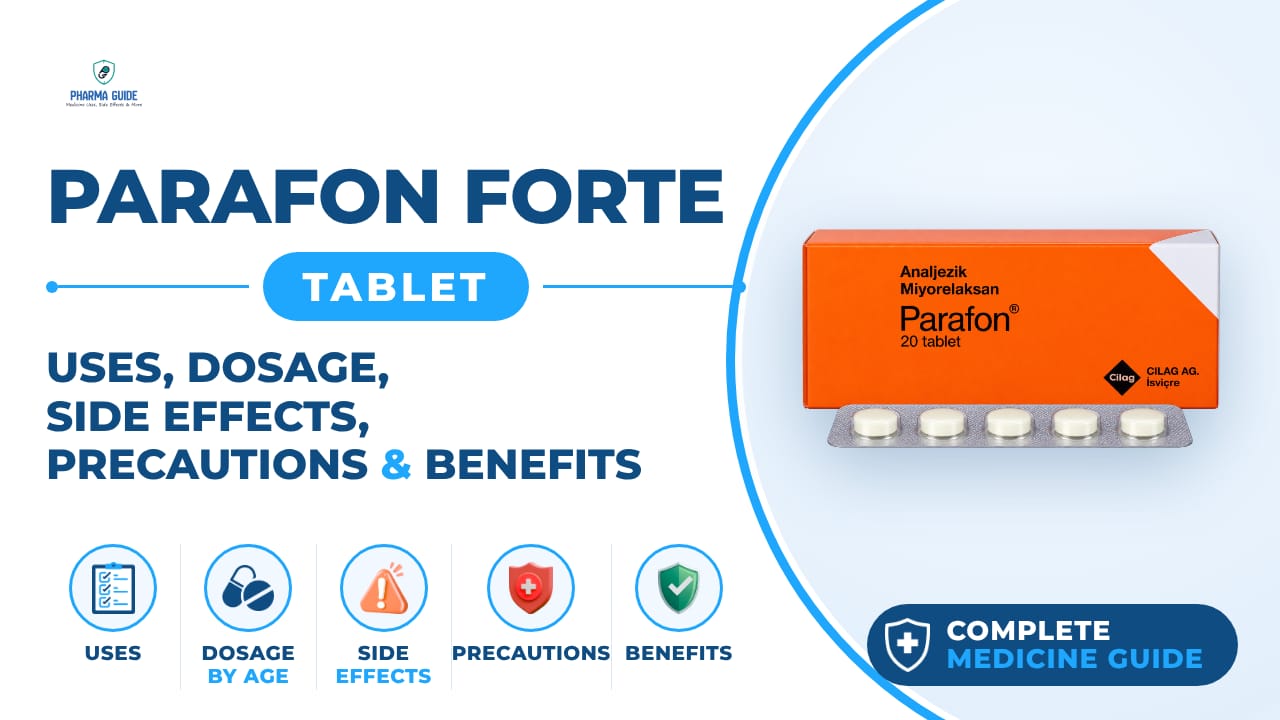
Parafon Forte Tablet: Uses, Dosage, Side Effects, Precautions and Alternates
| Generic name | chlorzoxazone |
|---|---|
| Drug class | Skeletal Muscle Relaxant (centrally acting) |
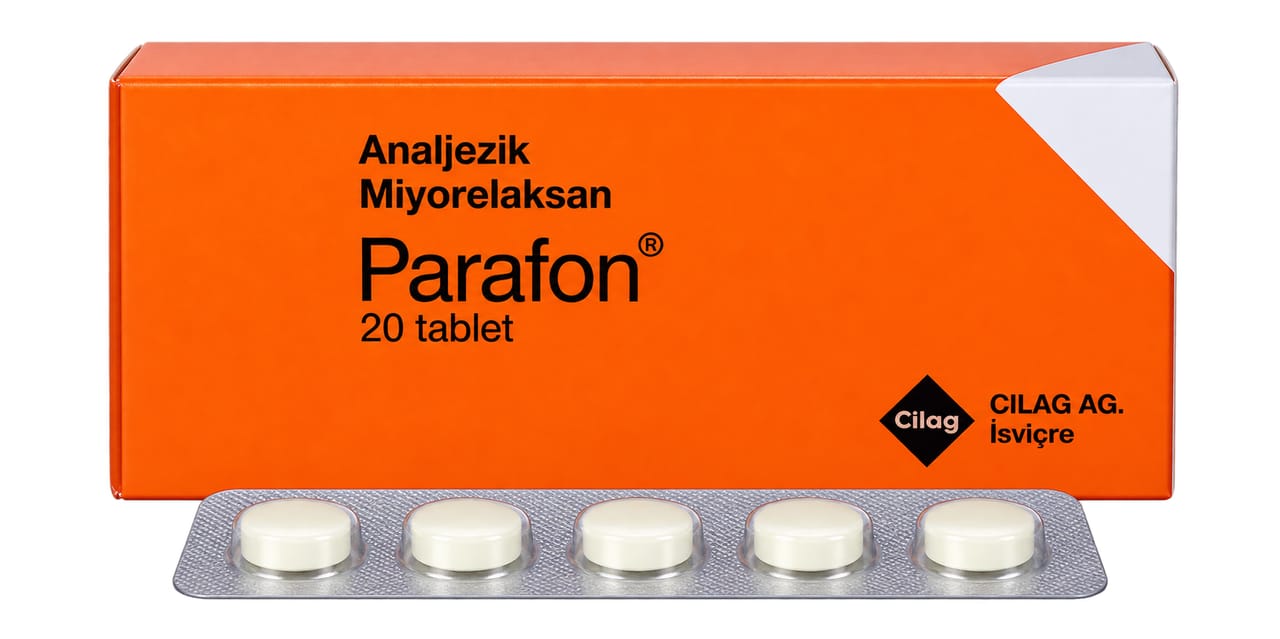
| Forms | Tablet (caplet, capsule-shaped tablet) |
Quick overview
Parafon Forte Tablet contains chlorzoxazone, a centrally acting skeletal muscle relaxant. It is used along with rest and physical therapy to relieve discomfort from acute, painful musculoskeletal conditions such as muscle or bone injuries. It is available in generic form and is only obtained with a doctor's prescription. It works on the brain and spinal cord to calm nerve signals that cause muscle spasm.
What is Parafon Forte Tablet
Parafon Forte is a muscle relaxant medicine used along with rest and physical therapy to treat pain from muscle or bone injuries. It is available in generic form and by prescription only.
Parafon Forte Tablet uses
- Relief of discomfort from acute, painful muscle or bone (musculoskeletal) conditions, used along with rest and physical therapy
Benefits of Parafon Forte Tablet
- Helps relieve painful muscle spasms associated with acute musculoskeletal conditions.
- Helps reduce muscle stiffness and tightness.
- Can relieve discomfort from muscle strains, sprains, and minor injuries.
- Helps improve movement and mobility when muscle spasm is limiting activity.
- Is commonly used alongside rest, physiotherapy, and other pain-relief measures.
- Works mainly through the central nervous system to reduce muscle-spasm activity.
How Parafon Forte Tablet works
This medicine acts on the brain and spinal cord to calm the nerve signals that cause muscle spasms, which reduces muscle spasm, eases pain, and improves movement. The exact way it works is not fully understood, but it may be related to its sedative effect, and it does not directly relax tense muscles.
Parafon Forte Tablet dosage
Take this medicine by mouth as directed by your doctor. This medicine is meant to be used along with rest, exercise, and physical therapy, not instead of them. If you miss a dose, take it as soon as you remember, but skip it if it's almost time for your next dose — do not double up. Follow your doctor's instructions on how often to take it and for how long, since this depends on your condition. Use in children should only be under a doctor's direction, since there is no established safety and dosing information for children.
| Age group | Dose |
|---|---|
| Under 18 years | Safety and effectiveness not well established; use only if specifically prescribed |
| 18–64 years | Usual dose: 500 mg (1 tablet) 3–4 times daily |
| Severe muscle spasm | Dose may occasionally be increased to 750 mg per dose under medical supervision |
| 65+ years | Use the lowest effective dose and monitor for dizziness or sedation |
| Liver impairment | Generally avoid or use only with specialist advice because chlorzoxazone can rarely cause serious liver injury |
Available forms and strengths
- Tablet (caplet, capsule-shaped tablet)
Side effects of Parafon Forte Tablet
Common
- Drowsiness
- Dizziness
- Lightheadedness
- Tired feeling
- Restlessness
- Upset stomach
- Discolored urine
- Skin rash
- Bruising
- Headache
- Constipation
- Cough
Serious
- Confusion
- Black or bloody stools
- Vomit that looks like coffee grounds
- Easy bruising or bleeding
- Signs of infection such as fever or persistent sore throat
- Severe stomach pain
- Difficulty swallowing
- Fast heartbeat
- Hives or large swelling of the face, eyelids, lips, tongue, throat, hands, legs, feet, or sex organs
- Shortness of breath or wheezing
- Tightness in the chest
- Yellow eyes or skin
- Dark urine or clay-colored stools
- Decreased or loss of appetite
- Nausea and vomiting
- Swelling of the feet or lower legs
- Unusual tiredness or weakness
Warnings and precautions
- This medicine may harm an unborn baby, so it should only be used during pregnancy if your doctor decides the benefits outweigh the risks. Talk to your doctor if you are pregnant.
- It is not known if this medicine passes into breast milk. Talk to your doctor before breastfeeding while taking this medicine.
- This medicine should be used carefully if you have liver disease, as it may raise the risk of serious side effects. Stop the medicine and call your doctor right away if you notice signs of liver problems such as stomach pain, dark urine, clay-colored stools, loss of appetite, nausea, vomiting, yellow eyes or skin, fever, or unusual tiredness.
- Drinking alcohol while taking this medicine can increase drowsiness and other effects that slow down the brain and nervous system.
- In rare cases, this medicine has caused serious, sometimes fatal, liver damage. Watch for signs like fever, rash, loss of appetite, nausea, vomiting, tiredness, pain in the upper right side of the belly, dark urine, or yellowing of the skin or eyes. Stop the medicine and call your doctor right away if these occur.
- This medicine should not be used if you have had an allergic reaction or known intolerance to it in the past.
- Combining this medicine with alcohol or other drugs that slow down the brain and nervous system, such as sedatives, sleep medicines, allergy or cold medicines, narcotic pain relievers, or anesthetics, can add to their effects and increase drowsiness.
Storage
- Store at 20–25°C (68–77°F) at controlled room temperature.
- Keep in a cool, dry place away from excessive heat and humidity.
- Protect tablets from light and moisture.
- Keep in the original, tightly closed container until use.
- Avoid storing in bathrooms or other hot and humid areas.
- Keep out of reach and sight of children and pets.
When to see a doctor
- Stop the medicine and call your doctor right away if you have more than one of these symptoms: stomach pain or tenderness, clay-colored stools, dark urine, loss of appetite, fever, headache, itching, nausea and vomiting, skin rash, swelling of the feet or lower legs, unusual tiredness or weakness, or yellow eyes or skin.
- Get emergency help right away if you notice signs of overdose, such as diarrhea, trouble breathing, drowsiness, feeling generally unwell, headache, irregular or slow/fast breathing, lightheadedness, nausea, pale or blue lips/fingernails/skin, sluggishness, or vomiting.
Alternatives
- Baclofen
- Tizanidine
- Cyclobenzaprine
- Methocarbamol
Watch the video
FAQs
What is Parafon Forte Tablet used for?
It is used along with rest and physical therapy to relieve discomfort from acute, painful musculoskeletal conditions such as muscle or bone injuries.
How does Parafon Forte Tablet work?
It acts on the brain and spinal cord to calm nerve signals that cause muscle spasms, reducing spasm, easing pain, and improving movement, possibly related to its sedative effect.
What is the usual dose of Parafon Forte Tablet?
For adults aged 18–64, the usual dose is 500 mg (1 tablet) 3–4 times daily, which may occasionally be increased to 750 mg per dose for severe muscle spasm under medical supervision.
What are the common side effects of Parafon Forte Tablet?
Common side effects include drowsiness, dizziness, lightheadedness, tiredness, restlessness, upset stomach, discolored urine, skin rash, bruising, headache, constipation, and cough.
Can Parafon Forte Tablet affect the liver?
Yes, in rare cases it has caused serious, sometimes fatal, liver damage, so it should be used carefully in liver disease and stopped immediately if signs like yellow eyes/skin, dark urine, or nausea occur.
General information, not medical advice
Your prescriber and the leaflet in your pack know your situation. This page does not.
- Follow your prescriber and the leaflet
- Don't start, stop, or change a dose on your own
- Doses and warnings differ by country and product
Sources
Video
Related medicines

Injectafer Injection: Uses, Dosage, Side Effects, Precautions and Alternates
Iron products
Injectafer (ferric carboxymaltose) treats iron deficiency anemia and heart failure-related iron deficiency via IV. Learn uses, dosage, side effects, and

Gliclazide Tablet: Uses, Dosage, Side Effects, Precautions and Alternates
Sulfonylurea (hypoglycemic/antidiabetic agent)
Gliclazide Tablet is a sulfonylurea for type 2 diabetes that boosts insulin release. Learn about dosage, side effects, warnings, and precautions.