
Safety
General information, not medical advice
Your prescriber and the leaflet in your pack know your situation. This page does not.
- Follow your prescriber and the leaflet
- Don't start, stop, or change a dose on your own
- Doses and warnings differ by country and product
Pentosan Polysulfate Capsule: Uses, Dosage, Side Effects, Precautions and Alternates
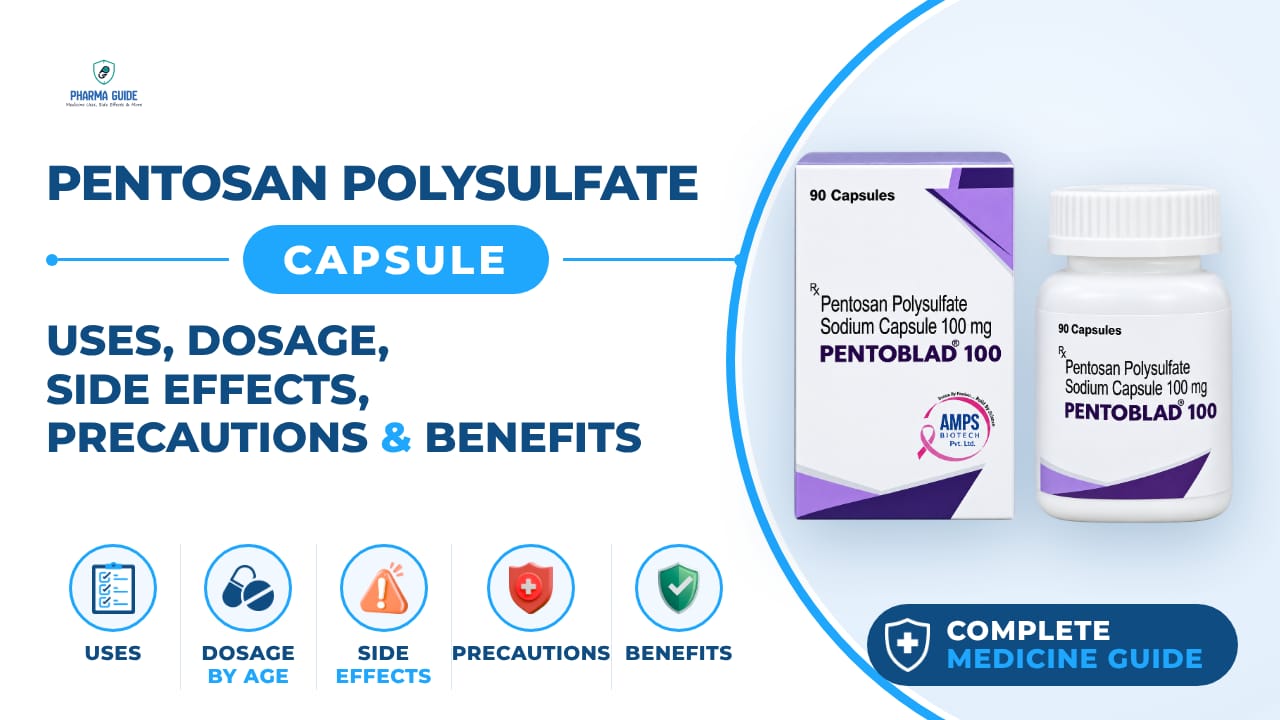
| Generic name | Pentosan Polysulfate |
|---|---|
| Drug class | Similar to a class of medications called low molecular weight heparins |
| Forms | Capsule |
Quick overview
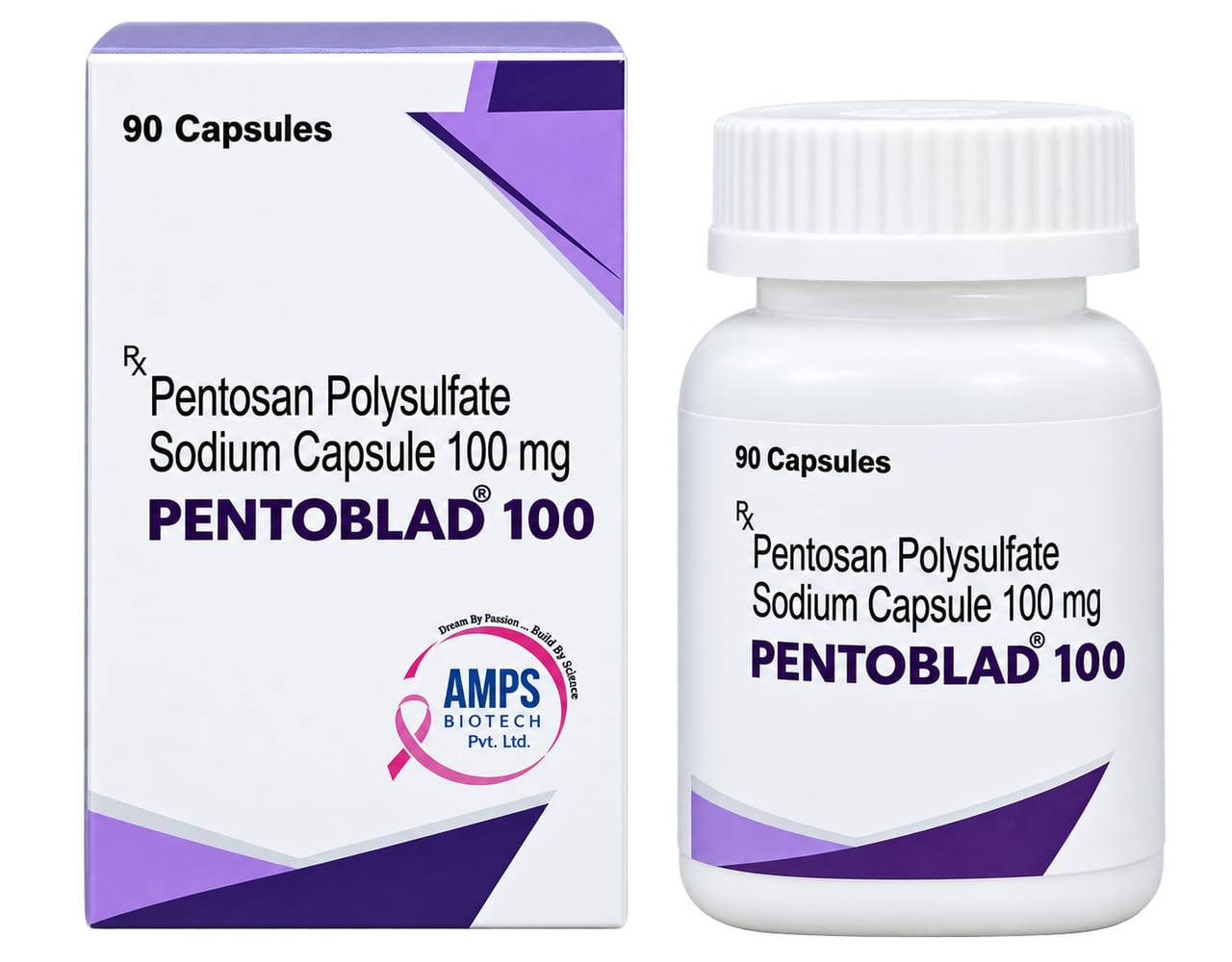
Pentosan Polysulfate Capsule, known generically as pentosan polysulfate, is similar to a class of medicines called low molecular weight heparins. It is used to relieve bladder pain, swelling, and irritation caused by interstitial cystitis, a disease that causes swelling and scarring of the bladder wall. It works by helping protect the bladder wall from irritating substances in urine. Adults typically take it as capsules by mouth on an empty stomach.
What is Pentosan Polysulfate Capsule
Pentosan polysulfate is a capsule medicine used to relieve bladder pain, swelling, and irritation caused by interstitial cystitis, a disease that causes swelling and scarring of the bladder wall.
Pentosan Polysulfate Capsule uses
- Relieves bladder pain and discomfort related to interstitial cystitis
- Eases pain, swelling, and irritation of the bladder
Benefits of Pentosan Polysulfate Capsule
- Helps relieve bladder pain and discomfort associated with interstitial cystitis
- May reduce urinary urgency and frequency in some patients
- Helps form a protective coating on the bladder lining
- May reduce irritation from substances in the urine that aggravate the bladder wall
- Can improve overall bladder comfort and quality of life when symptoms respond to treatment
How Pentosan Polysulfate Capsule works
It works by protecting the bladder wall from substances in urine that can irritate it, similar to how low molecular weight heparins work.
Pentosan Polysulfate Capsule dosage
Take this medicine by mouth with a full glass of water. Take it on an empty stomach, at least 1 hour before or 2 hours after a meal. Do not take it with food. Take it at the same time each day as directed on your prescription label. Keep taking it unless your care team tells you to stop, even if you feel well.
If you miss a dose, take it as soon as you remember, but if it is almost time for your next dose, skip the missed dose and continue your regular schedule. Do not take a double dose.
Talk to your care team about use in children; it may be prescribed for children as young as 16 years for certain conditions, but precautions apply.
| Age group | Dose |
|---|---|
| Under 16 years | Safety and effectiveness not established |
| 16–17 years | Routine use not established; specialist-directed if considered |
| Adults – Interstitial cystitis | 100 mg three times daily |
| 65+ years | Usually 100 mg three times daily; use cautiously and monitor response |
| Liver impairment | Use cautiously because hepatic impairment may affect drug handling |
Available forms and strengths
- Capsule
Side effects of Pentosan Polysulfate Capsule
Common
- Hair loss
- Diarrhea
- Upset stomach
- Heartburn
- Headache
- Rash
- Stomach pain
- Difficulty falling asleep or staying asleep
- Moodiness
- Dizziness
- Nausea
Serious
- Unusual bruising or bleeding
- Nosebleed
- Heavy gum bleeding
- Black and tarry stools
- Red blood in stools
- Bloody vomit
- Vomiting material that looks like coffee grounds
- Signs of an allergic reaction such as rash, itching, hives, swelling of the face, lips, tongue, or throat, or trouble breathing
- Changes in vision, including trouble reading, trouble adjusting to low light, or blurred or wavy eyesight
- Signs of liver injury such as right upper belly pain, loss of appetite, nausea, light-colored stool, dark urine, or yellowing of the skin or eyes
- Blood in the urine or dark brown urine
- Small red or purple spots on the skin
Warnings and precautions
- This medicine has a blood-thinning effect and may cause increased bleeding.
- This medicine can cause serious eye damage, including problems with the retina that may not go back to normal, usually after long-term use.
- Avoid sports and activities that might cause injury while using this medicine, since it may increase your risk of bruising or bleeding.
- If you are having surgery, including dental surgery, tell your doctor or dentist you are taking this medicine, as it may need to be stopped beforehand.
- Tell your doctor if you are pregnant, plan to become pregnant, or are breast-feeding. If you become pregnant while taking this medicine, call your doctor.
- Tell your doctor if you are breast-feeding before taking this medicine.
- Tell your doctor if you have or have ever had liver disease before taking this medicine.
Storage
- Store at 20–25°C (68–77°F) at controlled room temperature.
- Keep in a cool, dry place away from excessive heat and humidity.
- Protect capsules from moisture and direct sunlight.
- Keep capsules in the original, tightly closed container until use.
- Avoid storing in bathrooms or other hot and humid areas.
- Keep out of reach and sight of children and pets.
When to see a doctor
- Get medical help right away if you have signs of an allergic reaction, such as rash, hives, itching, swelling of the face, lips, tongue, or throat, or trouble breathing.
- Call your doctor right away if you notice unusual bruising or bleeding, nosebleeds, heavy gum bleeding, black and tarry stools, red blood in stools, bloody vomit, or vomit that looks like coffee grounds.
- Call your doctor right away if you notice any changes in your eyesight, such as trouble reading, trouble adjusting to low light, or blurred or wavy vision.
- If you think you have taken too much of this medicine, contact a poison control center or emergency room right away.
Alternatives
- Intravesical Heparin
- Intravesical Dimethyl Sulfoxide (DMSO)
- Cimetidine
- Hydroxyzine
- Amitriptyline
Watch the video
FAQs
What is Pentosan Polysulfate Capsule used for?
It is used to relieve bladder pain, swelling, and irritation caused by interstitial cystitis, a disease that causes swelling and scarring of the bladder wall.
How should I take Pentosan Polysulfate Capsule?
Take it by mouth with a full glass of water on an empty stomach, at least 1 hour before or 2 hours after a meal, at the same time each day as directed on your prescription label.
What is the typical adult dosage for interstitial cystitis?
The typical adult dosage for interstitial cystitis is 100 mg three times daily.
What are the serious side effects of Pentosan Polysulfate Capsule?
Serious side effects include unusual bruising or bleeding, nosebleed, heavy gum bleeding, black and tarry stools, red blood in stools, bloody vomit, vision changes, signs of liver injury, and blood in the urine.
Can Pentosan Polysulfate Capsule affect my eyes?
Yes, this medicine can cause serious eye damage, including problems with the retina that may not go back to normal, usually after long-term use.
General information, not medical advice
Your prescriber and the leaflet in your pack know your situation. This page does not.
- Follow your prescriber and the leaflet
- Don't start, stop, or change a dose on your own
- Doses and warnings differ by country and product
Sources
Video
Related medicines

Injectafer Injection: Uses, Dosage, Side Effects, Precautions and Alternates
Iron products
Injectafer (ferric carboxymaltose) treats iron deficiency anemia and heart failure-related iron deficiency via IV. Learn uses, dosage, side effects, and

Gliclazide Tablet: Uses, Dosage, Side Effects, Precautions and Alternates
Sulfonylurea (hypoglycemic/antidiabetic agent)
Gliclazide Tablet is a sulfonylurea for type 2 diabetes that boosts insulin release. Learn about dosage, side effects, warnings, and precautions.