
Safety
General information, not medical advice
Your prescriber and the leaflet in your pack know your situation. This page does not.
- Follow your prescriber and the leaflet
- Don't start, stop, or change a dose on your own
- Doses and warnings differ by country and product
Pepcid AC Tablet: Uses, Dosage, Side Effects, Precautions and Alternates
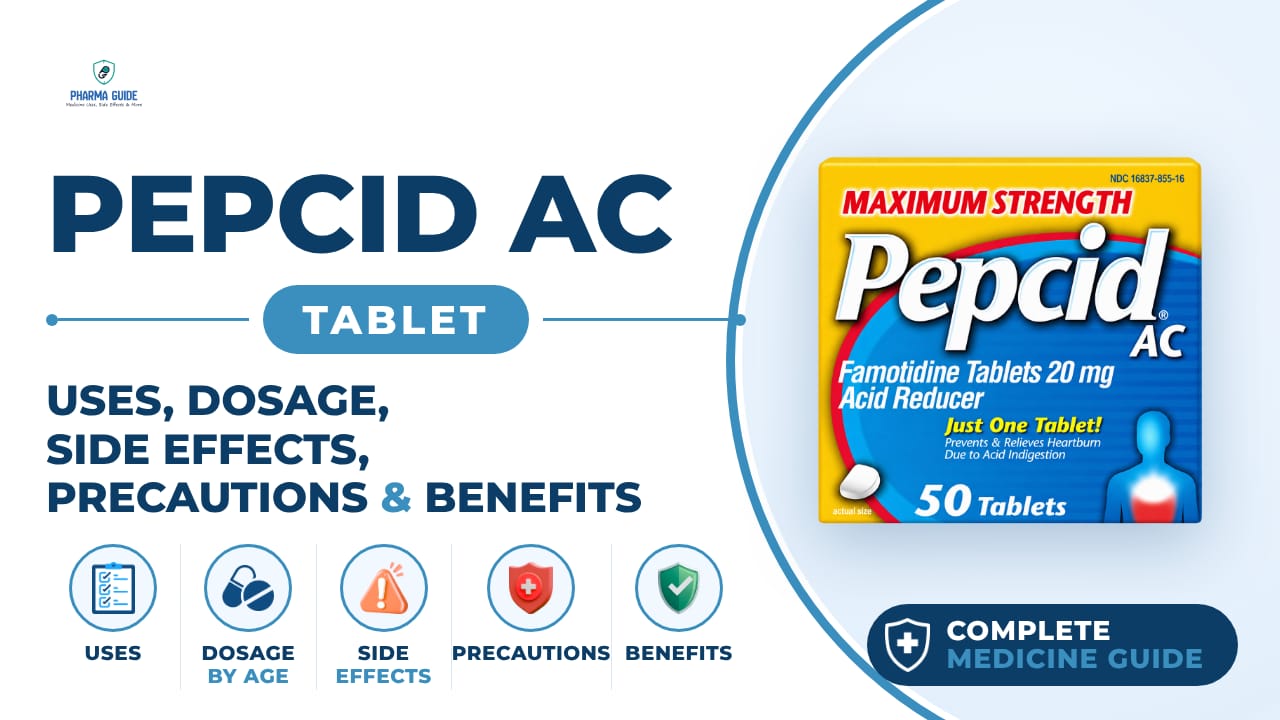
| Generic name | famotidine |
|---|---|
| Drug class | Histamine H2 Receptor Antagonist |
| Forms | Film-coated tablet (10 mg) |
Quick overview
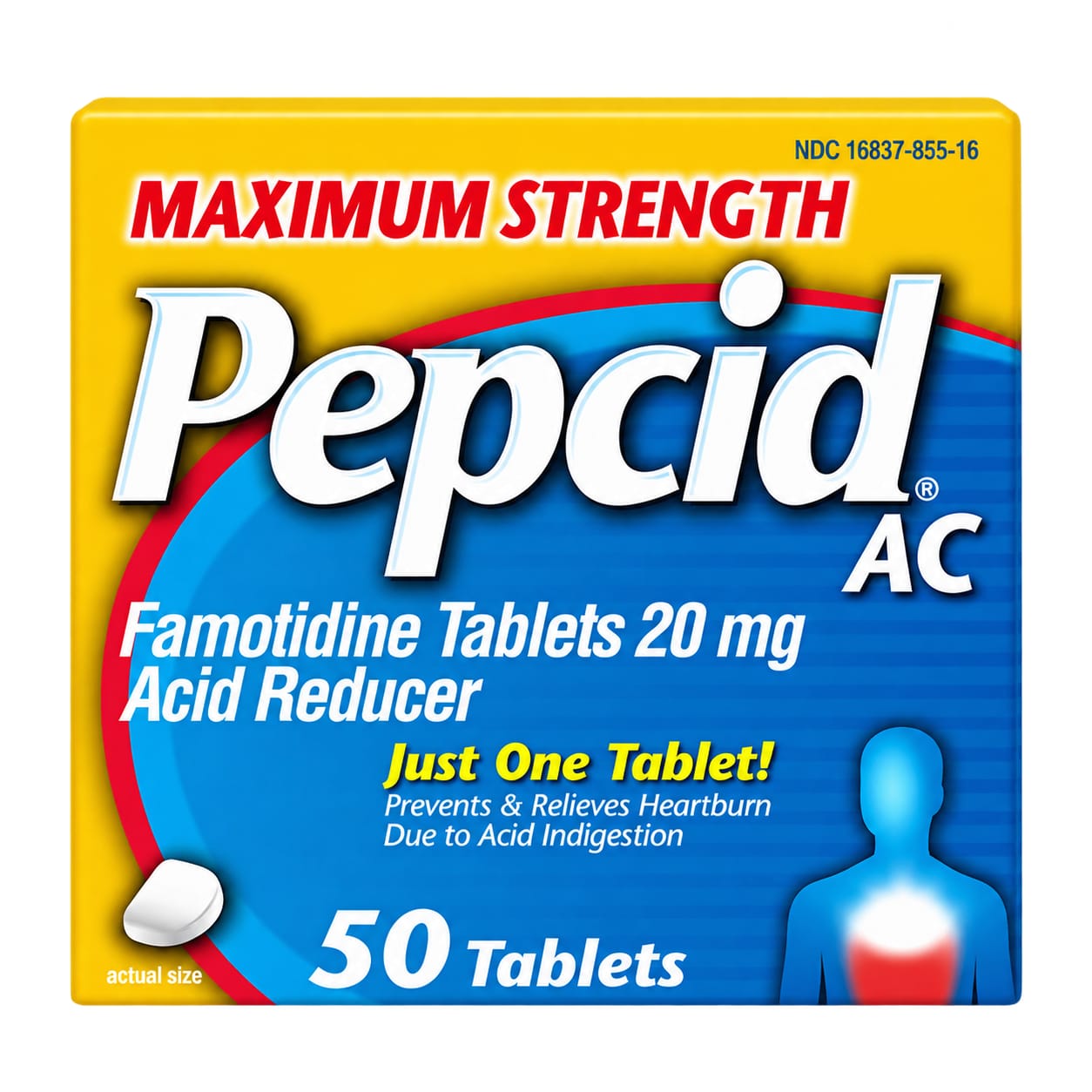
Pepcid AC Tablet contains famotidine, a histamine H2-receptor antagonist that reduces the amount of acid the stomach makes. It is an over-the-counter medicine used to treat and prevent acid indigestion, heartburn, and sour or upset stomach. It offers fast and long-lasting relief and can be taken before meals to prevent symptoms before they start.
What is Pepcid AC Tablet
Pepcid AC is an over-the-counter medicine that contains famotidine, a histamine H2-receptor blocker. It reduces the amount of acid your stomach makes.
Pepcid AC Tablet uses
- Treatment of acid indigestion, heartburn, and sour or upset stomach caused by too much stomach acid
- Prevention of acid indigestion, heartburn, or sour/upset stomach linked to eating or drinking, including nighttime symptoms after an evening meal
Benefits of Pepcid AC Tablet
- Provides fast relief from heartburn, acid indigestion and upset or sour stomach
- Can prevent heartburn before it starts when taken 10-15 minutes before a meal
- Gives long-lasting acid control, day or night
How Pepcid AC Tablet works
Famotidine blocks a substance called histamine from signaling the stomach to make acid, so it lowers the amount, strength, and volume of stomach acid produced.
Pepcid AC Tablet dosage
Swallow the tablet whole with a glass of water. It can be taken with or without food. For symptom relief, take one tablet as needed. For prevention, take one tablet 10 to 15 minutes before eating food or drinking beverages that cause heartburn. If symptoms return, you may take another tablet, but do not take more than two tablets in a 24-hour period. Do not use for more than two weeks in a row without checking with a doctor. This product is not meant for children under 12 years of age.
| Age group | Dose |
|---|---|
| 12–17 years | 10–20 mg once or twice daily, depending on product strength and symptoms |
| 18–74 years | 10–20 mg once or twice daily |
Available forms and strengths
- Film-coated tablet (10 mg)
Side effects of Pepcid AC Tablet
Common
- Headache
- Dizziness
- Constipation
- Diarrhea
- Dry mouth
- Nausea
- Vomiting
- Abdominal discomfort or pain
Serious
- Allergic reactions such as rash, hives, swelling, itching, and difficulty breathing
- Anaphylaxis or angioedema
- Confusion, hallucinations, agitation
- Seizures
- Fast or pounding heartbeats, sudden dizziness like you might pass out
- Unexplained muscle pain, tenderness, or weakness, especially with fever, unusual tiredness, and dark colored urine
Warnings and precautions
- If you have trouble or pain swallowing, severe vomiting, black stools, choking, or ongoing stomach discomfort, stop and see a doctor to find the cause.
- Improvement of symptoms does not rule out the possibility of stomach cancer.
- People over 40 having heartburn for the first time, or who have unexplained weight loss, should see a doctor before using this product.
- Do not use this medicine for more than two weeks in a row without talking to a doctor.
- People taking NSAID pain relievers should check with a doctor or pharmacist before using this product, since NSAIDs can also cause stomach upset.
- Heartburn can sometimes be confused with the early signs of a heart attack.
- The safety of this medicine during pregnancy has not been confirmed, so pregnant women should check with a doctor before using it.
- Famotidine passes into breast milk, so nursing mothers should either stop the drug or stop breastfeeding. People with moderate or severe kidney disease may need a lower dose or longer time between doses, and should check with a doctor before starting this medicine.
- No routine liver-specific dose adjustment is generally required. Drinking alcohol may increase the risk of stomach damage while taking this medicine. This medicine usually does not impair driving, although dizziness can occasionally occur.
Storage
- Store at room temperature (15ºC - 30ºC)
- Protect from moisture
- It is advisable to keep blisters in carton until all tablets are used
- Keep this and all medicines out of the reach of children
When to see a doctor
- Get emergency help right away if you have chest pain or a heavy feeling, pain spreading to your arm or shoulder, nausea, sweating, or a general ill feeling, since these can be signs of a heart attack.
- Stop use and see a doctor if your heartburn has lasted more than 3 months without being checked, or if it continues, worsens, or returns after 14 days of daily use.
- Get medical help immediately for signs of an allergic reaction such as hives, difficulty breathing, or swelling of the face, lips, tongue, or throat.
- Stop using the medicine and call your doctor right away if you experience confusion, hallucinations, agitation, lack of energy, a seizure, fast or pounding heartbeats, sudden dizziness like you might pass out, or unexplained muscle pain or weakness with fever and dark urine.
- If you suspect an overdose, contact a health care practitioner, hospital emergency department, or your local poison control center immediately, even without symptoms.
Alternatives
- Famotidine
- Tagamet HB / cimetidine
- Omeprazole
Watch the video
FAQs
What is Pepcid AC Tablet used for?
It treats and prevents acid indigestion, heartburn, and sour or upset stomach caused by too much stomach acid, including nighttime symptoms after an evening meal.
How should I take Pepcid AC Tablet?
Swallow the tablet whole with water, with or without food. Take one tablet as needed for relief, or 10-15 minutes before eating or drinking to prevent symptoms. Do not take more than two tablets in 24 hours, and do not use for more than two weeks in a row without consulting a doctor.
What are the common side effects of Pepcid AC Tablet?
Common side effects include headache, dizziness, constipation, diarrhea, dry mouth, nausea, vomiting, and abdominal discomfort or pain.
Can pregnant or breastfeeding women take Pepcid AC Tablet?
Safety during pregnancy has not been confirmed, so pregnant women should check with a doctor first. Famotidine passes into breast milk, so nursing mothers should either stop the drug or stop breastfeeding.
When should I see a doctor while using Pepcid AC Tablet?
See a doctor if heartburn lasts more than 3 months, continues or worsens after 14 days of daily use, or if you have trouble swallowing, severe vomiting, black stools, or ongoing stomach discomfort. Seek emergency help for signs of a heart attack or allergic reaction.
General information, not medical advice
Your prescriber and the leaflet in your pack know your situation. This page does not.
- Follow your prescriber and the leaflet
- Don't start, stop, or change a dose on your own
- Doses and warnings differ by country and product
Sources
Video
Related medicines
Zantac Tablet: Uses, Dosage, Side Effects, Precautions and Alternates
Histamine H2-receptor antagonist
Zantac Tablet (ranitidine) relieves and prevents heartburn, acid indigestion, and sour stomach by reducing stomach acid. Learn dosage, side effects, and

Injectafer Injection: Uses, Dosage, Side Effects, Precautions and Alternates
Iron products
Injectafer (ferric carboxymaltose) treats iron deficiency anemia and heart failure-related iron deficiency via IV. Learn uses, dosage, side effects, and