
Safety
General information, not medical advice
Your prescriber and the leaflet in your pack know your situation. This page does not.
- Follow your prescriber and the leaflet
- Don't start, stop, or change a dose on your own
- Doses and warnings differ by country and product
Zantac Tablet: Uses, Dosage, Side Effects, Precautions and Alternates
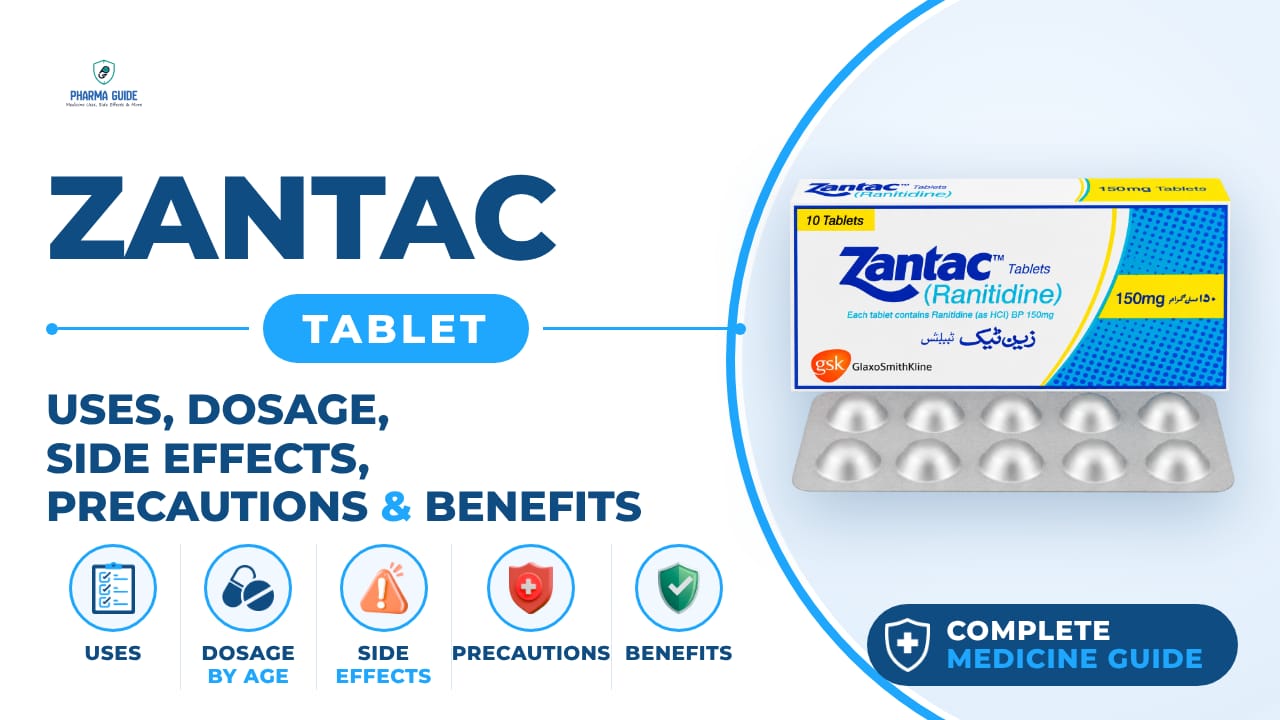
| Generic name | Ranitidine |
|---|---|
| Drug class | Histamine H2-receptor antagonist |
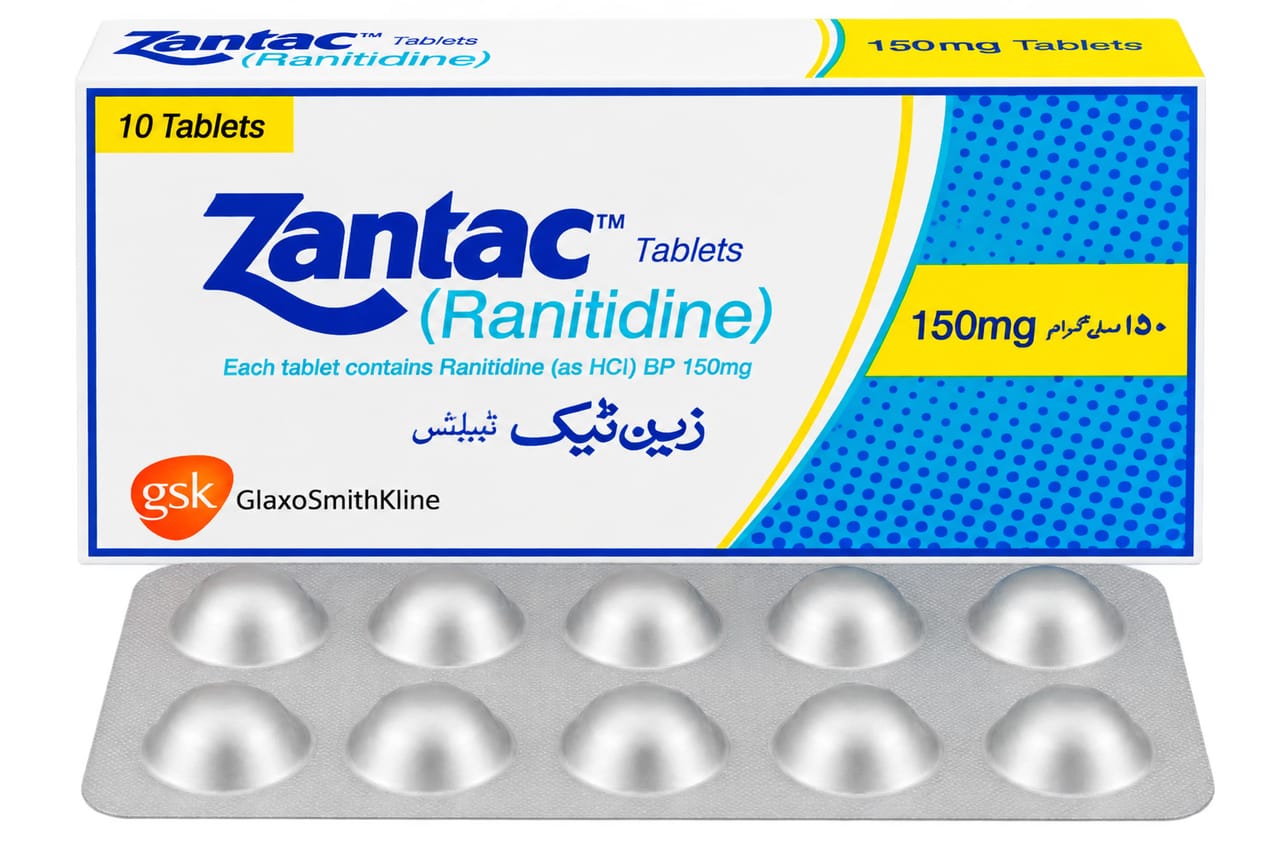
| Forms | Tablet (75 mg), Tablet (150 mg, Maximum Strength), Cool Mint flavoured tablet (150 mg) |
Quick overview
Zantac Tablet contains ranitidine, a histamine H2-receptor antagonist that reduces the amount of acid the stomach makes. It is used for fast relief, treatment, and prevention of heartburn, acid indigestion, hyperacidity, sour stomach, and upset stomach caused by excess stomach acid, and it can also help prevent symptoms triggered by certain foods and beverages. It is available as regular tablets, maximum strength tablets, and Cool Mint flavoured tablets. As with any medicine, it carries possible side effects and precautions that should be reviewed before use.
What is Zantac Tablet
Zantac is a medicine that contains ranitidine, which belongs to a group of medicines called histamine H2-receptor antagonists (H2 blockers). It works by reducing the amount of acid your stomach makes.
Zantac Tablet uses
- Fast and effective relief, treatment, and prevention of the burning and discomfort of acid indigestion (dyspepsia), heartburn, hyperacidity, sour stomach, and upset stomach associated with excess stomach acid
- Prevention of heartburn and acid indigestion brought on by eating or drinking certain foods and beverages
Benefits of Zantac Tablet
- Provides fast relief from heartburn and acid indigestion, day or night
- Can prevent symptoms when taken before eating or drinking foods that trigger heartburn
- Reduces and controls the amount of acid in the stomach for up to 12 hours
How Zantac Tablet works
Ranitidine blocks histamine at H2 receptors in the stomach, which reduces the amount of acid the stomach produces. This is different from antacids, which only neutralize acid that is already in the stomach rather than reducing its production.
Zantac Tablet dosage
Swallow the tablet whole with a glass of water. It can be taken when symptoms appear, day or night. To help prevent symptoms brought on by eating or drinking, take a dose 30 to 60 minutes before the meal or beverage expected to cause symptoms. Do not take antacids within 30 minutes to 1 hour of taking this medicine. Do not chew the cool mint flavored tablets.
Children under 12 (or under 16, depending on the product) should only use this medicine if a doctor says so. Stop use and see a doctor if symptoms get worse, continue, or new symptoms develop after 14 days of treatment.
| Age group | Dose |
|---|---|
| Under 1 year | Doctor's advice required |
| 1–11 years | Dose should be determined by a doctor |
| 12 years & older | 150 mg once or twice daily |
| Adults | 150 mg once or twice daily |
Available forms and strengths
- Tablet (75 mg)
- Tablet (150 mg, Maximum Strength)
- Cool Mint flavoured tablet (150 mg)
Side effects of Zantac Tablet
Common
- Headache
- Nausea
- Vomiting
- Diarrhea
- Constipation
- Stomach pain
- Dry mouth
- Decrease in taste sensitivity
Serious
- Different types of anemia and decrease in number of all types of blood cells
- Trouble sleeping or feeling sleepy
- Blurred vision, involuntary eye movement, and intraocular pressure changes
- Swelling of the pancreas
- Joint or muscle pain, tremor, and uncontrolled movement
- Weakness
- Nervousness, feeling confused, depressed, or excited, or hallucinations
- Swelling of the spaces between renal tubes (in the kidney)
- Impotence, unusual breast milk secretion, or breast enlargement in men
- Allergic reaction, skin itch, dermatitis, and hair loss
- Swelling of blood vessels
- Serious skin reactions with blistering rash
- Liver failure and hepatitis, with yellowing of skin or eyes, dark urine, pale stools, nausea, or pain below the ribs
- Slow, fast, or irregular heartbeat
- Vertigo, meningitis, and movement disorders (dystonia)
Warnings and precautions
- The safety of this medicine during pregnancy has not been fully established. Talk to your doctor before using it if you are pregnant.
- Avoid taking this medicine while breastfeeding as a precaution, since small amounts pass into breast milk.
- People with severe kidney impairment should only use this medicine under a doctor's supervision, since the drug is removed from the body by the kidneys and can build up.
- If you have severe liver problems, especially with kidney problems too, your doctor may need to lower your dose.
- Drinking moderate amounts of alcohol is unlikely to cause important changes in blood alcohol levels when combined with this medicine, but alcohol can still increase the risk of stomach damage.
- If you feel dizzy, drowsy, or experience vertigo while taking this medicine, avoid driving or operating machinery.
- This medicine may hide symptoms of stomach cancer, which could delay diagnosis. See a doctor if you have trouble or pain swallowing, choking, or ongoing stomach discomfort, or if symptoms worsen or last more than 2 weeks.
- Avoid this medicine if you have a history of acute porphyria, a rare blood disorder, since it may trigger an attack.
- Older adults, people with chronic lung disease, diabetes, or a weakened immune system may have a higher chance of developing pneumonia while taking this type of medicine.
- Do not use if you are allergic to ranitidine or other acid reducers.
- Do not take this medicine along with other acid reducers.
- Do not use if you have trouble or pain swallowing food, vomiting with blood, or bloody or black stools, since these can be signs of a serious condition.
Storage
- Store between 15 and 30°C (or as labeled, 20-25°C for some products)
- Avoid excessive humidity
- The Cool Mint flavoured tablets should also be protected from heat
- Keep in a safe place out of the reach and sight of children
- Do not use if the individual blister unit, foil packet, or bottle seal is open or torn
When to see a doctor
- Get medical help right away if you have heartburn along with light-headedness, sweating, dizziness, or frequent wheezing.
- Get medical help right away if you have chest or shoulder pain along with shortness of breath, sweating, or pain spreading to your neck, arms, or shoulders, since this could be a sign of a heart problem.
- Seek medical help immediately if you notice signs of an allergic reaction, such as hives, swelling of the face or mouth, chest pain, shortness of breath, unexplained fever, wheezing, difficulty breathing, or feeling faint.
- Get medical help if you notice yellowing of the skin or eyes, dark urine, pale stools, nausea, vomiting, loss of appetite, or pain below the ribs on the right side, as these can be signs of liver problems.
- Stop taking this medicine and consult your doctor if your symptoms get worse, continue, or if new symptoms develop after 14 days of use.
- If you think you have taken too much of this medicine, get medical help or contact a poison control center right away, even if you do not have symptoms.
Alternatives
- Famotidine
- Omeprazole
- Pantoprazole
- Esomeprazole
Watch the video
FAQs
What is Zantac Tablet used for?
It provides fast relief, treatment, and prevention of heartburn, acid indigestion, hyperacidity, sour stomach, and upset stomach caused by excess stomach acid, and can prevent symptoms triggered by certain foods and beverages.
How does Zantac Tablet work?
It contains ranitidine, an H2-receptor antagonist that blocks histamine at H2 receptors in the stomach, reducing acid production, unlike antacids which only neutralize existing acid.
What is the dosage of Zantac Tablet for adults?
Adults and children 12 years and older typically take 150 mg once or twice daily, swallowed whole with water, and can take it 30 to 60 minutes before meals to prevent symptoms.
What are the common side effects of Zantac Tablet?
Common side effects include headache, nausea, vomiting, diarrhea, constipation, stomach pain, dry mouth, and decreased taste sensitivity.
What are the alternatives to Zantac Tablet?
Alternatives mentioned include Famotidine, Omeprazole, Pantoprazole, and Esomeprazole.
General information, not medical advice
Your prescriber and the leaflet in your pack know your situation. This page does not.
- Follow your prescriber and the leaflet
- Don't start, stop, or change a dose on your own
- Doses and warnings differ by country and product
Sources
Video
Related medicines
Pepcid AC Tablet: Uses, Dosage, Side Effects, Precautions and Alternates
Histamine H2 Receptor Antagonist
Pepcid AC Tablet (famotidine) relieves and prevents heartburn, acid indigestion, and upset stomach by reducing stomach acid, offering fast, long-lasting relief.

Injectafer Injection: Uses, Dosage, Side Effects, Precautions and Alternates
Iron products
Injectafer (ferric carboxymaltose) treats iron deficiency anemia and heart failure-related iron deficiency via IV. Learn uses, dosage, side effects, and