
Safety
General information, not medical advice
Your prescriber and the leaflet in your pack know your situation. This page does not.
- Follow your prescriber and the leaflet
- Don't start, stop, or change a dose on your own
- Doses and warnings differ by country and product
Perindopril Tablet: Uses, Dosage, Side Effects, Precautions and Alternates
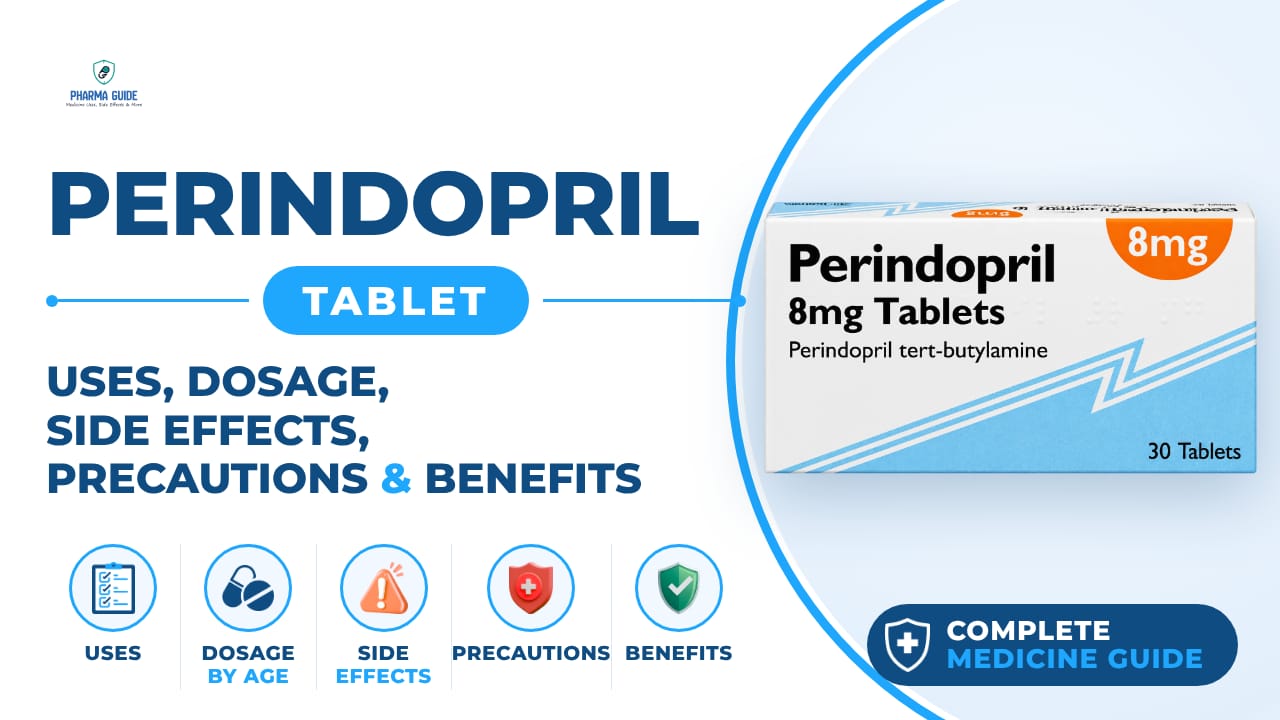
| Generic name | Perindopril erbumine |
|---|---|
| Drug class | Angiotensin-converting enzyme (ACE) inhibitor |
| Forms | Oral tablet |
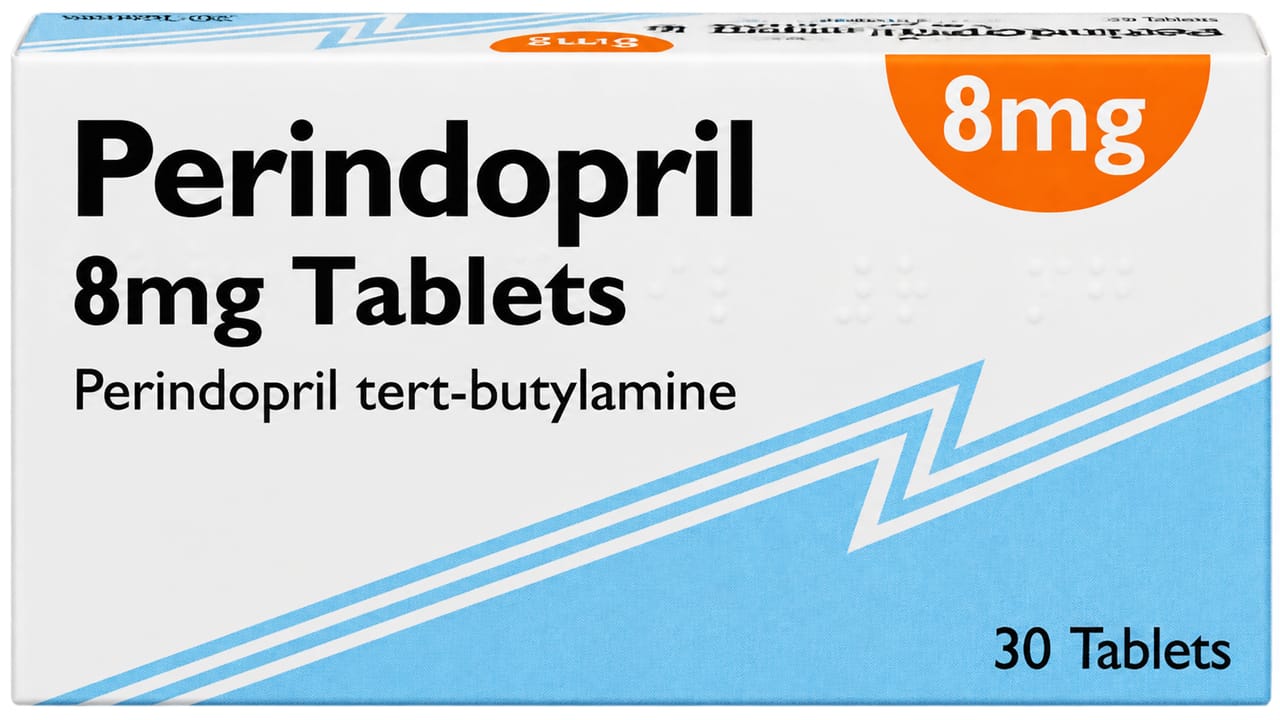
Quick overview
Perindopril Tablet (perindopril erbumine) is a prescription medicine belonging to the ACE inhibitor drug class. It comes as an oral tablet and is available only as a generic drug, not under a brand name. It may be used alone or together with other medicines to treat high blood pressure, heart failure, and certain heart-related risks.
What is Perindopril Tablet
Perindopril is a prescription medicine that comes as an oral tablet. It is only available as a generic drug, not under a brand name. It may be used alone or together with other medicines.
Perindopril Tablet uses
- Treating mild to moderate high blood pressure (hypertension)
- Treating mild to moderate congestive heart failure, usually together with other medicines
- Lowering the risk of death, heart attack, or cardiac arrest in people with stable coronary artery disease, including after a previous heart attack
Benefits of Perindopril Tablet
- Lowers blood pressure, which reduces the risk of complications such as stroke or heart attack
- Reduces the risk of cardiovascular death, heart attack, and cardiac arrest in people with stable coronary artery disease
- May reduce the risk of hospital admission for heart failure
- Can be taken once a day for convenience
How Perindopril Tablet works
Perindopril blocks an enzyme called ACE, which lowers levels of a substance that narrows blood vessels. This lets blood vessels relax and widen, reducing blood pressure and easing the workload on the heart.
Perindopril Tablet dosage
You can take perindopril with or without food, although taking it before a meal is recommended since food can reduce how much of the active form of the drug is absorbed. Take this medicine at the same time every day to help you remember and avoid missing a dose. Swallow the tablet whole with a glass of water; only the 4 mg tablet may be broken.
Do not stop taking this medicine even if you feel better or your blood pressure seems controlled, unless your doctor tells you to, since stopping suddenly can cause your blood pressure to rise again. If you miss a dose, take it as soon as you remember, but if it is almost time for your next dose, skip the missed one; never take a double dose to make up for a missed one.
Older adults are usually started on a lower dose and may have their dose increased more slowly. This medicine has not been studied in children and should not be used in people younger than 18 years. This medicine may cause dizziness in the first few days, so get up slowly if you have been sitting or lying down; taking it before bedtime may help avoid daytime dizziness.
| Age group | Dose |
|---|---|
| Under 18 years | Not routinely recommended; doctor's advice required |
| 18–64 years | 5 mg once daily initially; may be adjusted to 10 mg once daily |
| 65 years & older | 2.5 mg once daily initially; may be increased gradually |
| Adults | 5 mg once daily; usual maximum 10 mg once daily |
Available forms and strengths
- Oral tablet, including a 4 mg tablet that may be broken
Side effects of Perindopril Tablet
Common
- Dizziness
- Weakness
- Headaches
- Upset stomach
- Stomach pain
- Diarrhea
- Cough
- Back pain
- Low blood pressure, which may make you feel dizzy or faint
Serious
- Breathing problems, including trouble breathing or swallowing and hoarseness
- Swelling of the face, throat, tongue, lips, eyes, hands, feet, ankles, or lower legs (angioedema)
- Very low blood pressure with lightheadedness or fainting
- Low white blood cell count, increasing risk of infection, with fever, sore throat, or chills
- Irregular or rapid heart rate
- Liver damage, with yellowing of the skin and eyes, nausea, vomiting, pain in the upper right abdomen, and fatigue
- High potassium levels in the blood
- Kidney problems, with confusion, fatigue, decreased urination, or swelling in the feet or ankles
- Low platelet counts, causing bruising or bleeding
- Inflammation of the pancreas, with abdominal pain, nausea, and vomiting
Warnings and precautions
- This medicine can cause sudden and sometimes life-threatening swelling of the face, lips, tongue, throat, arms, legs, or intestines, which requires immediate medical attention.
- This medicine can cause low blood pressure, especially in the first few days of treatment, and the risk is higher if you are dehydrated, sweating heavily, vomiting, have diarrhea, heart failure, are on dialysis, or take water pills.
- A persistent, dry cough can occur with this medicine and usually goes away once you stop taking it.
- You should never take this medicine again if you have ever had an allergic reaction to it, since taking it again could be fatal.
- Taking this medicine with sacubitril (used for heart failure) raises the risk of serious swelling, and it should not be used within 36 hours of taking sacubitril.
- Combining this medicine with certain other blood pressure medicines that act on the same body system, such as aliskiren, is generally not recommended and is contraindicated in people with diabetes or moderate to severe kidney impairment.
- This medicine can seriously harm or cause the death of an unborn baby and should not be used during pregnancy. If you become pregnant while taking it, stop the medicine and contact your doctor right away.
- It isn't known if this medicine passes into breast milk, but it could cause side effects in a breastfed baby. Talk to your doctor about whether to stop breastfeeding or stop the medicine.
- This medicine may decrease how well your kidneys work, and your doctor may need to adjust your dose or stop the medicine if your kidney function worsens.
- If your liver isn't working well, your body may not clear this medicine as well as it should, which could lead to higher levels of the drug in your body and more side effects.
- You should avoid drinking alcohol while taking this medicine, because alcohol can increase its blood-pressure-lowering effect and make you feel dizzy or drowsy.
- This medicine may cause dizziness or weakness, especially at the start of treatment, so be careful when driving or operating machinery until you know how it affects you.
Storage
- Store perindopril at room temperature between 68°F and 77°F (20°C and 25°C)
- Store this away from light
- Don't freeze this drug
- Don't store this medication in moist or damp areas, such as bathrooms
- Keep out of reach and sight of children
When to see a doctor
- Get emergency help right away if you have trouble breathing or swallowing, hoarseness, or swelling of your face, throat, tongue, lips, eyes, hands, feet, ankles, or lower legs.
- Seek immediate medical help if you feel very lightheaded or faint, as this can be a sign of dangerously low blood pressure.
- Tell your doctor right away if you have a fever, sore throat, or chills, which could mean a low white blood cell count and higher infection risk.
- Contact your doctor if you notice yellowing of your skin or eyes, nausea, vomiting, pain in the upper right part of your abdomen, or fatigue, which could indicate liver damage.
- Tell your doctor if you notice confusion, fatigue, decreased urination, or swelling in your feet or ankles, which could be signs of kidney problems.
- If you think you have taken too much of this medicine, contact your doctor or your local poison control center right away, and seek emergency care if symptoms are severe.
Alternatives
- A combination product containing perindopril and indapamide
- Lisinopril
- Enalapril
- Ramipril
Watch the video
FAQs
What is Perindopril Tablet used for?
It is used to treat mild to moderate high blood pressure, mild to moderate congestive heart failure (usually with other medicines), and to lower the risk of death, heart attack, or cardiac arrest in people with stable coronary artery disease.
How does Perindopril Tablet work?
It blocks an enzyme called ACE, which lowers levels of a substance that narrows blood vessels, allowing blood vessels to relax and widen, reducing blood pressure and easing the heart's workload.
What is the usual dose of Perindopril Tablet for adults?
Adults aged 18-64 typically start with 5 mg once daily, which may be adjusted up to 10 mg once daily, while those 65 and older usually start at 2.5 mg once daily with gradual increases.
What are the common side effects of Perindopril Tablet?
Common side effects include dizziness, weakness, headaches, upset stomach, stomach pain, diarrhea, cough, back pain, and low blood pressure.
Can I drink alcohol while taking Perindopril Tablet?
No, alcohol should be avoided because it can increase the blood-pressure-lowering effect of the medicine and make you feel dizzy or drowsy.
General information, not medical advice
Your prescriber and the leaflet in your pack know your situation. This page does not.
- Follow your prescriber and the leaflet
- Don't start, stop, or change a dose on your own
- Doses and warnings differ by country and product
Sources
Video
Related medicines
Benazepril Tablet: Uses, Dosage, Side Effects, Precautions and Alternates
Angiotensin Converting Enzyme (ACE) Inhibitor
Benazepril Tablet is an ACE inhibitor used to treat high blood pressure in adults. Learn its uses, dosage, side effects, and warnings here.
Captopril Tablet: Uses, Dosage, Side Effects, Precautions and Alternates
Angiotensin Converting Enzyme (ACE) Inhibitor
Captopril Tablet is an ACE inhibitor used for high blood pressure, heart failure, and diabetic kidney disease. Learn dosage, side effects, and precautions.