
Safety
General information, not medical advice
Your prescriber and the leaflet in your pack know your situation. This page does not.
- Follow your prescriber and the leaflet
- Don't start, stop, or change a dose on your own
- Doses and warnings differ by country and product
Piroxicam Capsule: Uses, Dosage, Side Effects, Precautions and Alternates
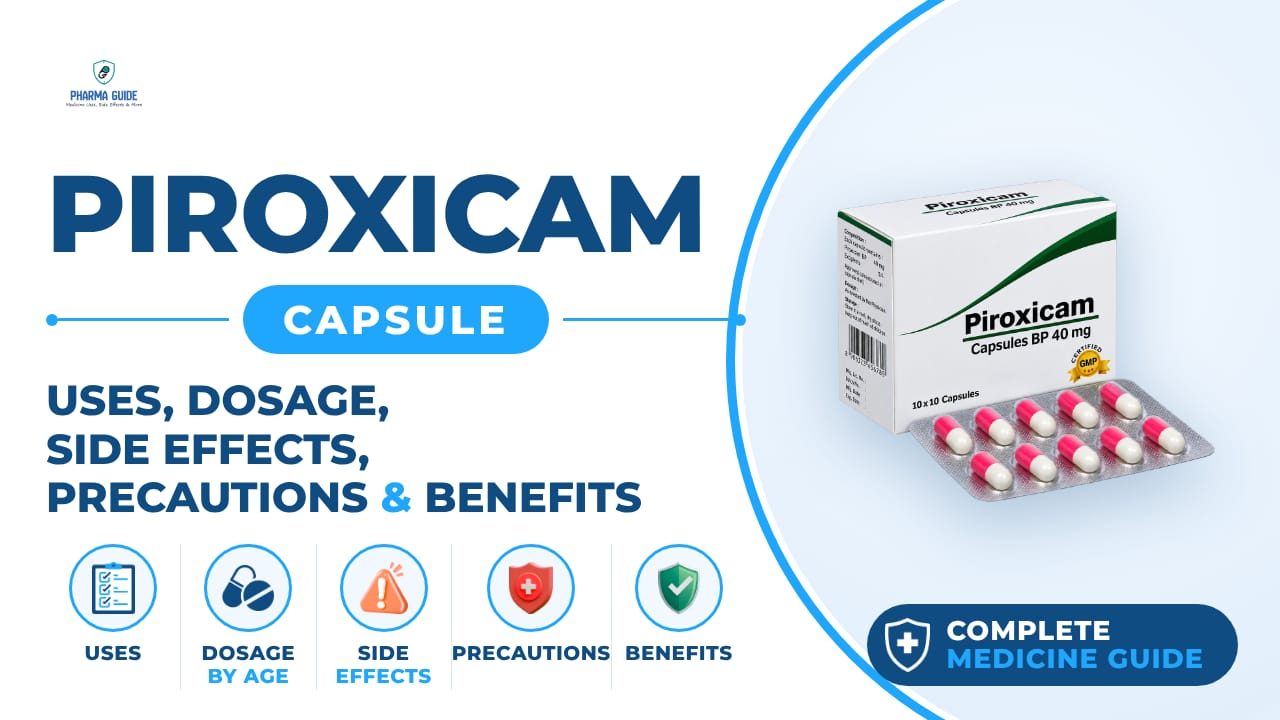
| Generic name | Piroxicam |
|---|---|
| Drug class | Nonsteroidal Anti-inflammatory Drug (NSAID) |
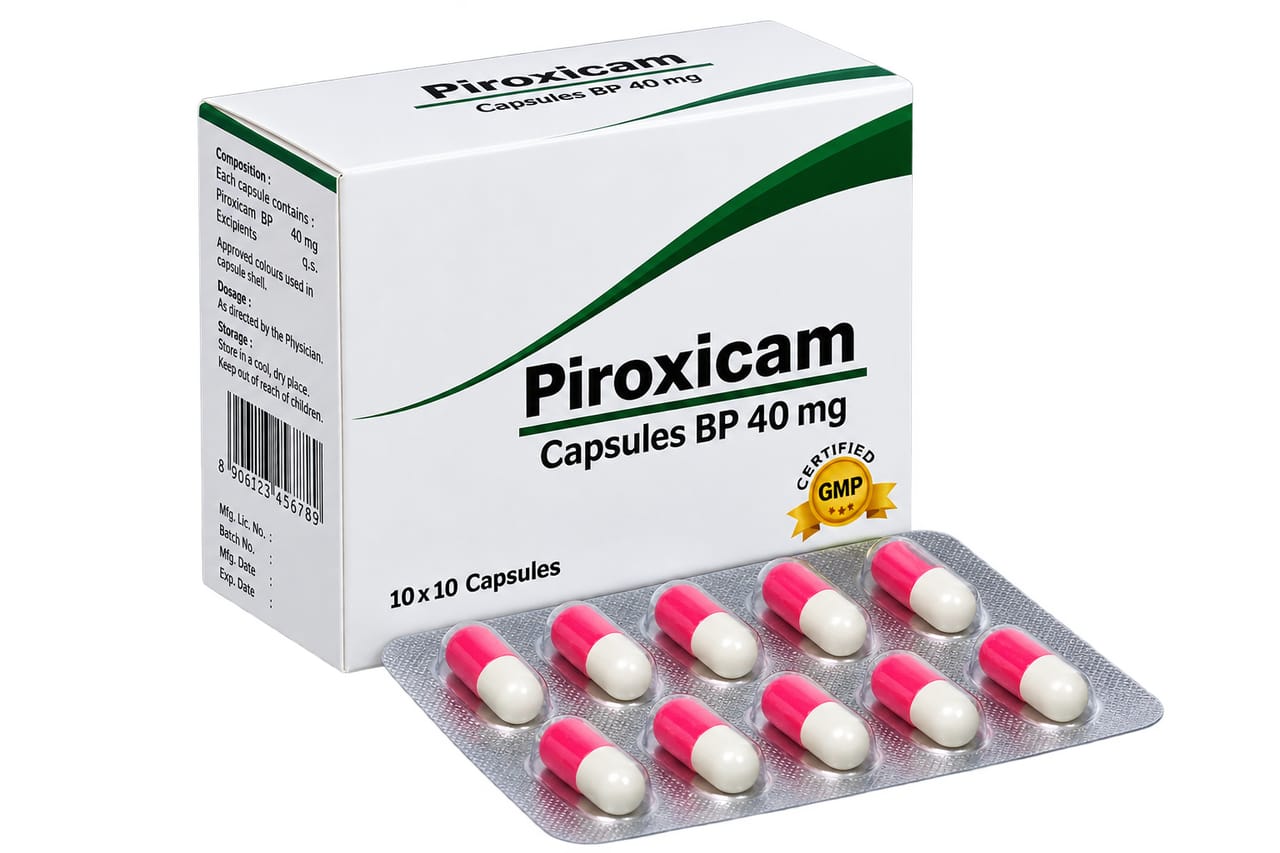
| Forms | Capsule, 10 mg, Capsule, 20 mg |
Quick overview
Piroxicam Capsule is an NSAID (nonsteroidal anti-inflammatory drug) used to treat the signs and symptoms of arthritis disorders, including rheumatoid arthritis, osteoarthritis, and ankylosing spondylitis. It relieves pain, swelling, and stiffness for as long as it is taken, but it does not cure the underlying illness or stop it from getting worse. It works by lowering body chemicals called prostaglandins that cause pain and inflammation. It is available as 10 mg and 20 mg capsules.
What is Piroxicam Capsule
APO-PIROXICAM is a nonsteroidal anti-inflammatory drug (NSAID) used to treat the signs and symptoms of arthritis disorders. It only relieves symptoms and reduces inflammation for as long as you keep taking it, and it does not cure the illness or stop it from getting worse.
Piroxicam Capsule uses
- Rheumatoid arthritis
- Osteoarthritis (degenerative joint disease)
- Ankylosing spondylitis
Benefits of Piroxicam Capsule
- Reduces pain and swelling caused by arthritis
- Relieves inflammation, swelling, stiffness and joint pain for as long as you take it
How Piroxicam Capsule works
Piroxicam belongs to a group of medicines called NSAIDs. It lowers the body chemicals (prostaglandins) that cause pain and swelling, which helps reduce inflammation.
Piroxicam Capsule dosage
Take APO-PIROXICAM exactly as your healthcare professional has told you, using the lowest dose possible for the shortest time needed. You may be told to take it once a day or twice a day. Swallow the capsules whole after a meal with food or milk. Do not crush, break, or chew.
If you have indigestion, nausea, vomiting, stomach pain or diarrhea after taking it, contact your healthcare professional. This medicine usually begins to work within 1 week, but in severe cases up to two weeks or even longer may pass before you begin to feel better. Do not give this medication to anyone else, even if their symptoms seem similar to yours.
| Age group | Dose |
|---|---|
| Under 16 years | Not recommended |
| 16–17 years | Not established; use only if specifically prescribed by a doctor |
| 18 years and older | 20 mg once daily |
Available forms and strengths
- Capsule, 10 mg
- Capsule, 20 mg
Side effects of Piroxicam Capsule
Common
- Epigastric distress, nausea, constipation, abdominal discomfort, flatulence, diarrhea, abdominal pain, indigestion
- Loss of appetite
- Heartburn
- Headache and malaise
- Dizziness
- Rash and itching
- Swelling (edema)
- Ringing or buzzing in the ears (tinnitus), hearing loss
- Belching, acid or sour stomach, gas
- Pale skin
Serious
- Gastrointestinal bleeding, ulcers, perforation, blockage or inflammation (black tarry stools, vomiting blood or coffee-ground material)
- High blood pressure
- Heart attack, stroke and blood clots
- Congestive heart failure
- Severe allergic reaction (anaphylaxis) with swelling of face, lips, tongue or throat and trouble breathing
- Serious skin reactions such as Stevens-Johnson syndrome, toxic epidermal necrolysis, exfoliative dermatitis, erythema multiforme and DRESS
- Liver problems including hepatitis, liver failure and jaundice
- Kidney problems including kidney failure
- Aseptic meningitis (stiff neck, severe headache, fever)
- Blood problems (low white/red blood cell or platelet count)
- Lung problems and asthma
- Cystitis (bladder infection)
- Depression
- Vertigo
- High potassium in the blood (hyperkalemia)
Warnings and precautions
- APO-PIROXICAM can cause heart and blood vessel problems such as heart attacks, stroke, blood clots, high blood pressure and heart failure, which can lead to death. The risk is higher with long-term use, higher doses, or in people with heart disease.
- APO-PIROXICAM can cause stomach and intestine problems such as ulcers, inflammation, bleeding, holes, blockage or pain, which can happen without warning.
- Taking APO-PIROXICAM with anticoagulants, corticosteroids or SSRIs can increase your risk of bleeding.
- Rare, serious, life-threatening allergic and skin reactions can occur, most often during the first month of treatment. Tell your healthcare professional immediately if you notice any changes in your skin.
- APO-PIROXICAM may make you more sensitive to sunlight, which can cause sunburn, blisters, rash, redness, itching or skin colour changes.
- APO-PIROXICAM may affect a woman's fertility, making it more difficult to have a child.
- Do not take APO-PIROXICAM if you are pregnant and at 28 weeks or later. Before 28 weeks, only take it if your healthcare professional tells you to, as it may harm you and your baby. Tell your healthcare professional right away if you become or plan to become pregnant.
- Do not take APO-PIROXICAM if you are breastfeeding or planning to breastfeed, because of the potential for serious adverse reactions in nursing infants.
- Do not use if you have severe or worsening kidney disease. Caution is needed in people with pre-existing kidney problems, and lower doses with careful monitoring may be needed.
- Do not use if you have active or severe liver disease. People with liver disease may need reduced doses.
- Drinking alcohol while taking APO-PIROXICAM may increase the risk of stomach and intestinal side effects, including ulcers and bleeding.
- APO-PIROXICAM may cause tiredness, blurred vision, dizziness, vertigo, hearing problems or depression. If you become drowsy, dizzy or light-headed, do not drive or operate machinery.
Storage
- Store at controlled room temperature (15°C to 30°C).
- Keep from freezing and away from heat, moisture and direct light.
- Do not keep expired medicine or medicine you no longer need. Return all outdated or unused medicine to your pharmacist.
- Keep out of reach and sight of children.
When to see a doctor
- Get immediate medical help for signs of stomach or intestine bleeding such as blood in vomit, bloody or black tarry stools, severe stomach pain, or vomiting material that looks like coffee grounds.
- Get immediate medical help for a severe allergic reaction such as sudden wheezing, chest tightness, or swelling of the eyelids, face, lips, tongue or throat.
- Stop taking the drug and get immediate medical help for serious skin reactions such as fever, severe rash, blisters and peeling skin, swollen lymph glands, or yellow skin or eyes.
- Check with your doctor right away if you have chest pain, trouble breathing, slurred speech or weakness, which could be signs of a heart attack or stroke.
- If you think you or someone you care for has taken too much APO-PIROXICAM, contact a healthcare professional, hospital emergency department, or your local poison control center immediately, even if there are no symptoms.
Alternatives
- FELDENE
- TEVA-PIROXICAM
- Alti-Piroxicam
Watch the video
FAQs
What is Piroxicam Capsule used for?
It is used to treat the signs and symptoms of arthritis disorders, including rheumatoid arthritis, osteoarthritis, and ankylosing spondylitis.
How does Piroxicam Capsule work?
It works by lowering body chemicals called prostaglandins that cause pain and inflammation, helping reduce swelling, stiffness and joint pain.
What is the dosage of Piroxicam Capsule for adults?
Adults 18 years and older typically take 20 mg once daily, swallowed whole after a meal with food or milk, using the lowest dose for the shortest time needed.
How long does it take for Piroxicam Capsule to work?
It usually begins to work within 1 week, but in severe cases it may take up to two weeks or longer to feel better.
What are the serious side effects of Piroxicam Capsule?
Serious side effects include gastrointestinal bleeding or ulcers, high blood pressure, heart attack, stroke, heart failure, severe allergic reactions, serious skin reactions, liver and kidney problems, and blood problems.
General information, not medical advice
Your prescriber and the leaflet in your pack know your situation. This page does not.
- Follow your prescriber and the leaflet
- Don't start, stop, or change a dose on your own
- Doses and warnings differ by country and product
Sources
Video
Related medicines
Relaxyl Capsule: Uses, Dosage, Side Effects, Precautions and Alternates
Nonsteroidal Anti-Inflammatory Drug (NSAID)
Relaxyl Capsule contains diclofenac, an NSAID used to relieve joint and muscle pain, swelling, and inflammation. Learn uses, dosage, and side effects.
Nabumetone Tablet: Uses, Dosage, Side Effects, Precautions and Alternates
Nonsteroidal anti-inflammatory drug (NSAID)
Nabumetone Tablet is an NSAID for osteoarthritis and rheumatoid arthritis pain relief. Learn its dosage, uses, side effects, and safety warnings.