
Safety
General information, not medical advice
Your prescriber and the leaflet in your pack know your situation. This page does not.
- Follow your prescriber and the leaflet
- Don't start, stop, or change a dose on your own
- Doses and warnings differ by country and product
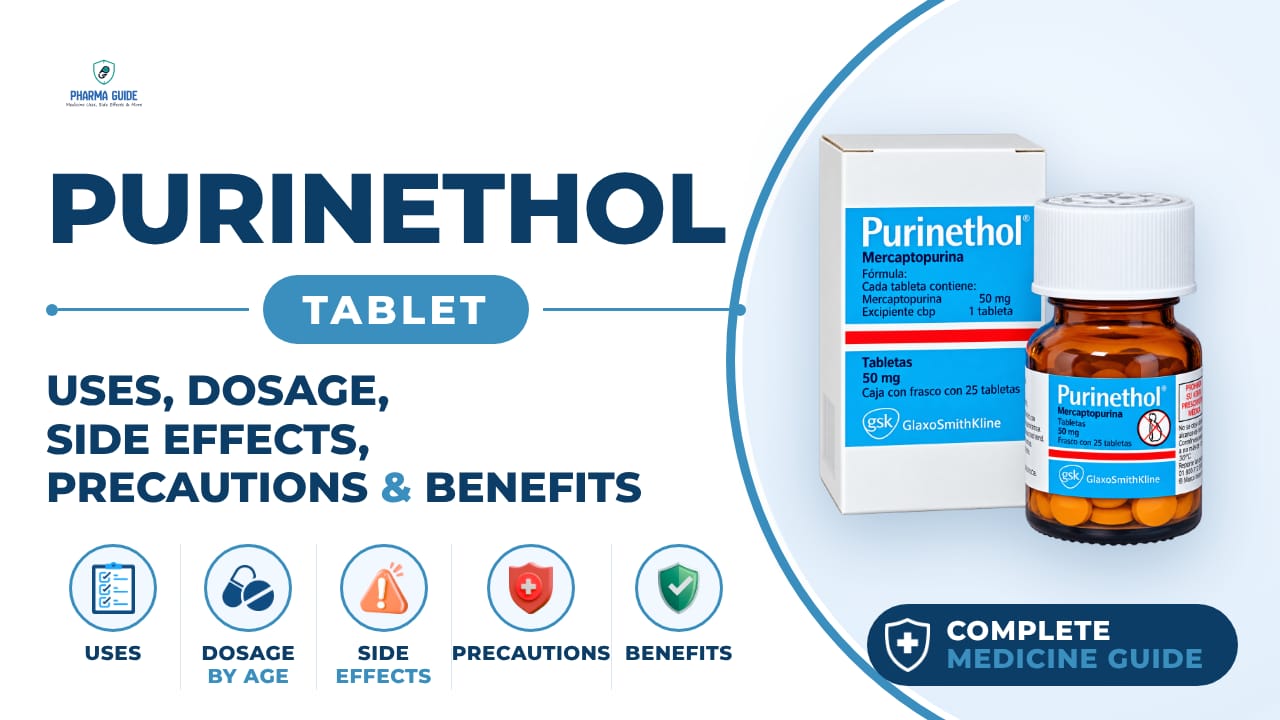
Purinethol Tablet: Uses, Dosage, Side Effects, Precautions and Alternates
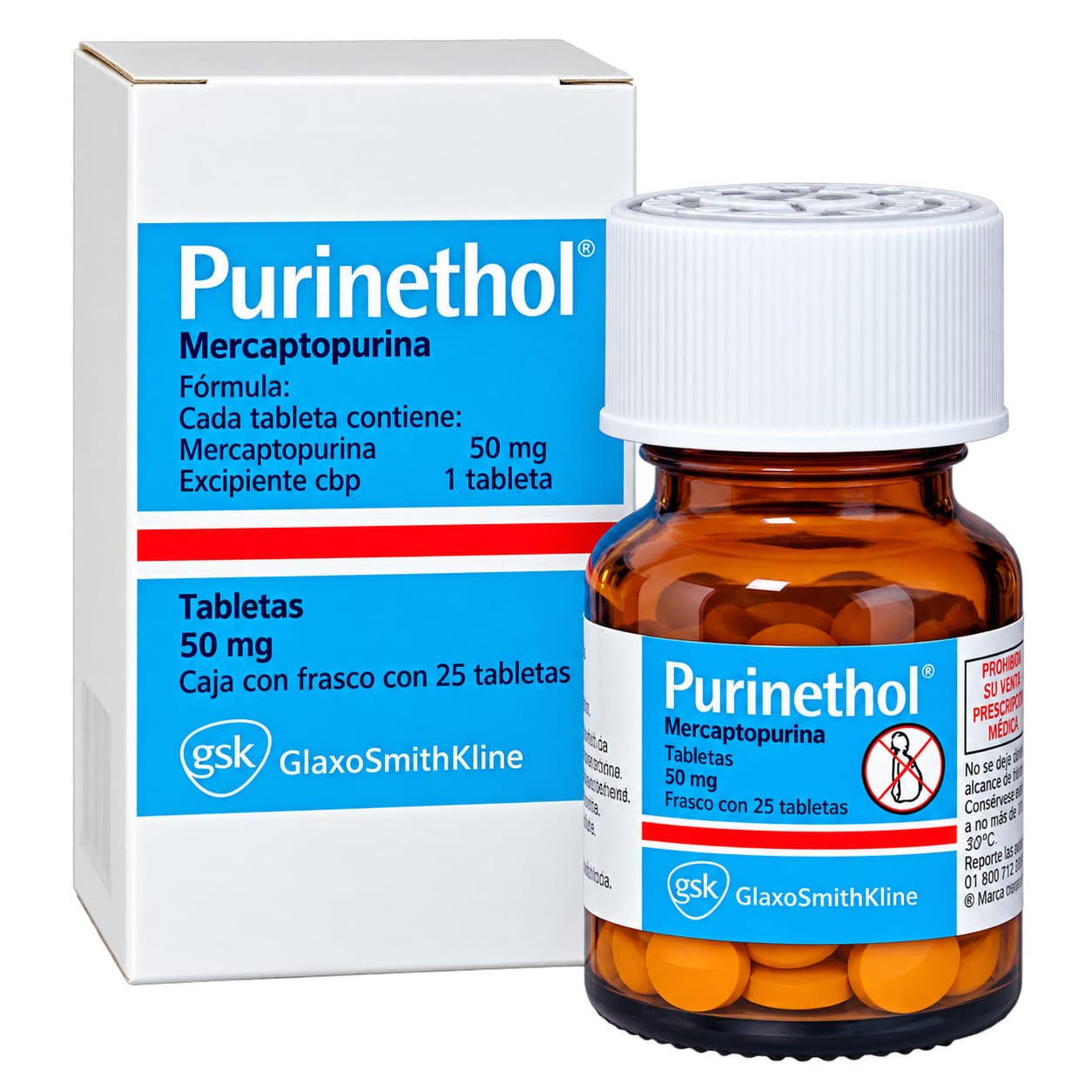
| Generic name | mercaptopurine |
|---|---|
| Drug class | Antineoplastics, Antimetabolite, Immunomodulators |
| Forms | Tablet (50 mg), Oral suspension (liquid) |
Quick overview
Purinethol Tablet contains mercaptopurine, a medicine belonging to the antineoplastic, antimetabolite, and immunomodulator class. It is a prescription cancer medicine used as part of combination chemotherapy for leukemia, working by interfering with the DNA of cancer cells to slow or stop their growth. Regular blood tests are needed during treatment, and the medicine carries risks such as lowered blood cell counts and increased infection risk.
What is Purinethol Tablet
Purinethol is a prescription cancer medicine that interferes with the growth of cancer cells, slowing their growth and spread in the body. It belongs to a group of medicines called cytotoxics.
Purinethol Tablet uses
- Treatment of acute lymphoblastic leukemia (ALL) in adults and children, as part of a combination chemotherapy maintenance program
- Sometimes used for acute myelogenous leukemia
Benefits of Purinethol Tablet
- Helps slow or stop the growth and spread of leukemia cells when used as part of a combination chemotherapy plan
How Purinethol Tablet works
Purinethol works by blocking the DNA in cancer cells from functioning properly. This stops the cancer cells from growing and multiplying, which helps slow or stop the spread of cancer.
Purinethol Tablet dosage
Take your medicine exactly as your doctor tells you, at the right times, using the instructions on your prescription label. Swallow the tablets whole with a little water; do not crush, cut, or chew them. You can take it with or without food, but take it the same way every time. Wash your hands right away after handling or halving the tablets, avoid contact with your eyes, and be careful not to breathe in any tablet particles. You will need regular blood tests while taking this medicine so your doctor can check your blood cell counts and adjust your dose if needed. If you forget a dose, go back to your regular dosing schedule and tell your doctor; do not take a double dose to make up for a missed one.
| Age group | Dose |
|---|---|
| Children under 6 years | 1.5–2.5 mg/kg once daily, adjusted by the oncology team according to blood counts and treatment protocol |
| Children 6–11 years | 1.5–2.5 mg/kg once daily, as part of combination maintenance chemotherapy |
| Adolescents 12–17 years | 1.5–2.5 mg/kg once daily, individualized according to blood counts and treatment response |
| 65–74 years | Same labeled weight-based range may be used, but dosing is selected cautiously and adjusted according to organ function and blood counts |
Available forms and strengths
- Tablet (50 mg)
- Oral suspension (liquid)
Side effects of Purinethol Tablet
Common
- Nausea and vomiting
- Loss of appetite
- Diarrhea
- Mouth sores or ulcers
- Skin rash or itching
- Darkened skin color
- Feeling unwell, tired, or lacking usual energy
- Temporary hair loss
Serious
- Blood or liver problems such as severe or prolonged diarrhea, abdominal pain, or jaundice (yellowing of skin and eyes)
- Hypersensitivity reactions such as swelling, rash, or fever
- Unexpected bruising or bleeding, such as bleeding in urine, stool, or gums
- Signs of infection such as fever, sore throat, or frequent infections
- Signs of low blood counts such as unusual tiredness, dizziness, or fast heartbeat
- Signs of liver damage such as dark urine, light-colored stools, or yellowing of skin or eyes
- New or returning cancers, including certain types of leukemia and a rare lymphoma
Warnings and precautions
- This medicine commonly lowers the number of blood cells your bone marrow makes, including red cells, white cells, and platelets. Your doctor will check your blood regularly and adjust your dose if needed.
- This medicine is cytotoxic and can irritate the eyes and skin. Wash your hands right away after touching or splitting the tablets, and avoid contact with your eyes.
- This medicine weakens your immune system, which can reduce your response to vaccines and raise your risk of infection, especially from live vaccines.
- This medicine can make your skin more sensitive to sunlight, which can cause severe sunburn. Use sunscreen and protective clothing when in the sun.
- People on this medicine have a higher chance of developing new cancers, including certain leukemias and a rare type of lymphoma.
- This medicine can harm an unborn baby, especially during the first three months of pregnancy. Your doctor will check that you are not pregnant before starting treatment, and effective birth control is needed during and for some months after treatment.
- It is not known if this medicine passes into breast milk, but because of the risk of serious side effects in a nursing baby, breastfeeding is not recommended during treatment and for one week after the last dose.
- If you have kidney disease, your doctor may lower your starting dose and monitor you closely.
- This medicine can damage the liver. If you have liver disease, your doctor may lower your dose, and your liver will be monitored with blood tests during treatment.
- It isn't known if alcohol affects this medicine, but heavy drinking can weaken your immune system and make it harder for your body to fight cancer.
Storage
- Keep your tablets in a dry, safe place where children cannot see or reach them
- Store in a dry place between 15 and 25 degrees Celsius, protected from light
- Do not take any tablets after the expiry date shown on the pack
- If your doctor tells you to stop taking the tablets, return any leftover tablets to your pharmacist for safe disposal; only keep them if your doctor tells you to
When to see a doctor
- Get medical help right away if you have signs of a serious allergic reaction, such as trouble breathing, swelling of the face, lips, or throat, or hives.
- Get help right away if you notice signs of blood problems, such as fever, sore throat, shortness of breath, pale or yellowish skin, easy bruising or bleeding, frequent infections, or unusual weakness.
- Call your doctor right away if you notice signs of liver damage, such as nausea, stomach pain, loss of appetite, dark urine, light-colored stools, or yellowing of your skin or eyes.
- If you take too much of this medicine, or someone else takes it by mistake, tell your doctor immediately.
- Seek emergency medical care if you have serious eye symptoms like sudden vision loss or eye pain, serious heart symptoms like a fast or pounding heartbeat, or severe neurological symptoms like confusion, slurred speech, or severe weakness.
Alternatives
- Thioguanine
- Methotrexate
- Purixan (mercaptopurine oral suspension)
- Other leukemia-maintenance medicines selected by an oncology team
Watch the video
FAQs
What is Purinethol Tablet used for?
Purinethol is used for treating acute lymphoblastic leukemia (ALL) in adults and children as part of a combination chemotherapy maintenance program, and is sometimes used for acute myelogenous leukemia.
How does Purinethol Tablet work?
Purinethol works by blocking the DNA in cancer cells from functioning properly, which stops the cancer cells from growing and multiplying and helps slow or stop the spread of cancer.
What are the common side effects of Purinethol Tablet?
Common side effects include nausea and vomiting, loss of appetite, diarrhea, mouth sores or ulcers, skin rash or itching, darkened skin color, feeling unwell or tired, and temporary hair loss.
What precautions should be taken while using Purinethol Tablet?
Purinethol can lower blood cell counts, weaken the immune system, and make skin more sensitive to sunlight. Regular blood tests are needed, and it can harm an unborn baby, so effective birth control is required during and after treatment. Breastfeeding is not recommended during treatment and for one week after the last dose.
How should Purinethol Tablet be stored?
Store the tablets in a dry place between 15 and 25 degrees Celsius, protected from light, and keep them where children cannot see or reach them. Do not use after the expiry date, and return leftover tablets to a pharmacist if treatment is stopped.
General information, not medical advice
Your prescriber and the leaflet in your pack know your situation. This page does not.
- Follow your prescriber and the leaflet
- Don't start, stop, or change a dose on your own
- Doses and warnings differ by country and product
Sources
Video
Related medicines

Injectafer Injection: Uses, Dosage, Side Effects, Precautions and Alternates
Iron products
Injectafer (ferric carboxymaltose) treats iron deficiency anemia and heart failure-related iron deficiency via IV. Learn uses, dosage, side effects, and

Gliclazide Tablet: Uses, Dosage, Side Effects, Precautions and Alternates
Sulfonylurea (hypoglycemic/antidiabetic agent)
Gliclazide Tablet is a sulfonylurea for type 2 diabetes that boosts insulin release. Learn about dosage, side effects, warnings, and precautions.