
Safety
General information, not medical advice
Your prescriber and the leaflet in your pack know your situation. This page does not.
- Follow your prescriber and the leaflet
- Don't start, stop, or change a dose on your own
- Doses and warnings differ by country and product
Qulipta Tablet: Uses, Dosage, Side Effects, Precautions and Alternates
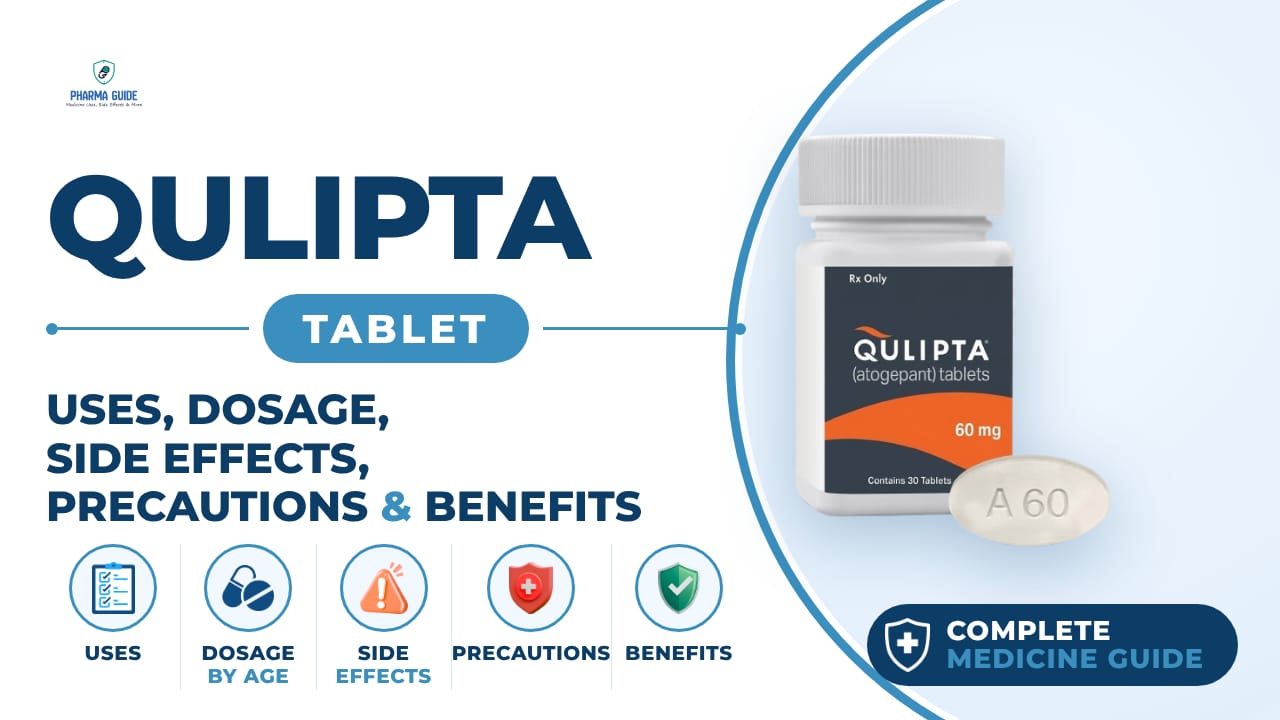
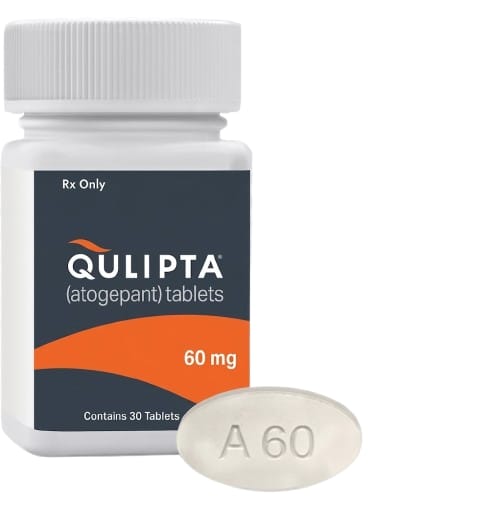
| Generic name | atogepant |
|---|---|
| Drug class | CGRP inhibitors (calcitonin gene-related peptide receptor antagonists) |
| Forms | 10 mg oral tablet, 30 mg oral tablet, 60 mg oral tablet |
Quick overview
Qulipta Tablet (atogepant) is a prescription medicine belonging to the CGRP inhibitor class, used to help prevent migraine headaches in adults. It is taken once a day and is not meant to treat a migraine attack that is already happening. Qulipta can reduce the number of migraine days each month, with some benefit possible within the first week and fuller effects building over several months.
What is Qulipta Tablet
Qulipta is a prescription tablet used to help prevent migraine headaches in adults. It is taken once a day and is not meant to treat a migraine attack that is already happening. The generic name is atogepant, and it belongs to the CGRP inhibitors (calcitonin gene-related peptide receptor antagonists) drug class.
Qulipta Tablet uses
- Preventive treatment of episodic migraine in adults
- Preventive treatment of chronic migraine in adults
Benefits of Qulipta Tablet
- Can reduce the number of migraine days each month
- May start helping within the first week of use, with fuller benefits building over several months
How Qulipta Tablet works
Qulipta blocks a protein in the body called CGRP (calcitonin gene-related peptide), which is involved in causing migraine pain and inflammation in the brain and nervous system. By attaching to CGRP receptors, it helps stop the blood vessel swelling and inflammation that trigger migraine attacks.
Qulipta Tablet dosage
Qulipta is taken by mouth once a day and can be taken with or without food. Take it around the same time each day to keep a steady level of medicine in your body, and take the dose exactly as your doctor prescribes it. If you miss a dose, take it as soon as you remember, but skip it if it is almost time for your next dose — do not take two doses at once. Qulipta is not approved for use in children. This medicine should not be cut in half unless your doctor specifically tells you to, since the tablets are not scored for accurate splitting.
| Age group | Dose |
|---|---|
| Under 18 years | Not recommended |
| 18–60 years | 60 mg, once/day |
| 60+ years | 60 mg, once/day |
Available forms and strengths
- 10 mg oral tablet
- 30 mg oral tablet
- 60 mg oral tablet
Side effects of Qulipta Tablet
Common
- Nausea
- Constipation
- Fatigue or sleepiness
- Decreased appetite
- Dizziness
- Weight loss
Serious
- Severe allergic reaction (including anaphylaxis) — swelling of face, lips, or tongue, itching, trouble breathing, hives, rash
- High blood pressure or worsening of existing high blood pressure
- Raynaud's phenomenon — fingers or toes feeling numb, cool, or painful, or changing color from pale to blue to red
Warnings and precautions
Qulipta can cause serious allergic reactions, including anaphylaxis, which can happen even days after taking a dose. New or worsening high blood pressure can occur, often within the first week of starting treatment. Qulipta can cause or worsen Raynaud's phenomenon, a circulation problem affecting fingers and toes, which in some reported cases led to serious complications. Do not take Qulipta if you have had an allergic reaction to atogepant or any of its ingredients. Certain medicines, such as some antifungals, antibiotics, seizure medicines, HIV medicines, and the herbal supplement St. John's wort, can change how Qulipta works and may require a dose change. Avoid grapefruit and grapefruit juice while taking this medicine.
It is not known if Qulipta is safe during pregnancy. Animal studies suggest it could cause harm to a developing baby, so tell your doctor if you are pregnant or planning to become pregnant. Small amounts of Qulipta can pass into breast milk. Talk to your doctor about the best way to feed your baby if you are breastfeeding.
People with severe kidney problems or end-stage kidney disease may need a lower dose, and Qulipta is not recommended for chronic migraine in these patients. Qulipta should be avoided in people with severe liver problems.
There are no known direct interactions between alcohol and Qulipta, but alcohol can trigger migraines in some people and may increase sleepiness while taking this medicine. Qulipta can affect alertness or coordination, so do not drive or do activities that need focus until you know how this medicine affects you.
Storage
- Store Qulipta at room temperature between 68°F to 77°F (20°C to 25°C).
- Keep Qulipta and all medicines out of the reach of children.
When to see a doctor
- Stop taking Qulipta and get emergency medical help right away if you have swelling of the face, lips, or tongue, itching, trouble breathing, hives, or rash — these can be signs of a serious allergic reaction.
- Contact your healthcare provider if your blood pressure increases while taking this medicine.
- Contact your healthcare provider if your fingers or toes become numb, cool, painful, or change color from pale to blue to red.
- If you think you have taken too much Qulipta, get emergency medical help or contact a poison control center right away.
Alternatives
- Emgality
- Nurtec ODT
- Ubrelvy
Watch the video
FAQs
What is Qulipta Tablet used for?
Qulipta is used for the preventive treatment of episodic and chronic migraine in adults. It is not meant to treat a migraine attack that is already happening.
How does Qulipta Tablet work?
Qulipta blocks a protein called CGRP (calcitonin gene-related peptide), which causes migraine pain and inflammation. By attaching to CGRP receptors, it helps stop the blood vessel swelling and inflammation that trigger migraine attacks.
How is Qulipta Tablet taken?
Qulipta is taken by mouth once a day, with or without food, at around the same time each day. If a dose is missed, take it as soon as remembered, but skip it if it is almost time for the next dose.
What are the common side effects of Qulipta Tablet?
Common side effects include nausea, constipation, fatigue or sleepiness, decreased appetite, dizziness, and weight loss.
Is Qulipta Tablet safe during pregnancy?
It is not known if Qulipta is safe during pregnancy. Animal studies suggest it could cause harm to a developing baby, so you should tell your doctor if you are pregnant or planning to become pregnant.
General information, not medical advice
Your prescriber and the leaflet in your pack know your situation. This page does not.
- Follow your prescriber and the leaflet
- Don't start, stop, or change a dose on your own
- Doses and warnings differ by country and product
Sources
- Qulipta Prescribing Information (AbbVie, accessdata.fda.gov)
- Drugs.com Qulipta page
- Healthline Qulipta Overview and Side Effects pages
- Medical News Today Qulipta side effects page
- WebMD Qulipta page
Video
Related medicines

Injectafer Injection: Uses, Dosage, Side Effects, Precautions and Alternates
Iron products
Injectafer (ferric carboxymaltose) treats iron deficiency anemia and heart failure-related iron deficiency via IV. Learn uses, dosage, side effects, and

Gliclazide Tablet: Uses, Dosage, Side Effects, Precautions and Alternates
Sulfonylurea (hypoglycemic/antidiabetic agent)
Gliclazide Tablet is a sulfonylurea for type 2 diabetes that boosts insulin release. Learn about dosage, side effects, warnings, and precautions.