
Safety
General information, not medical advice
Your prescriber and the leaflet in your pack know your situation. This page does not.
- Follow your prescriber and the leaflet
- Don't start, stop, or change a dose on your own
- Doses and warnings differ by country and product
Ramistar Tablet: Uses, Dosage, Side Effects, Precautions and Alternates
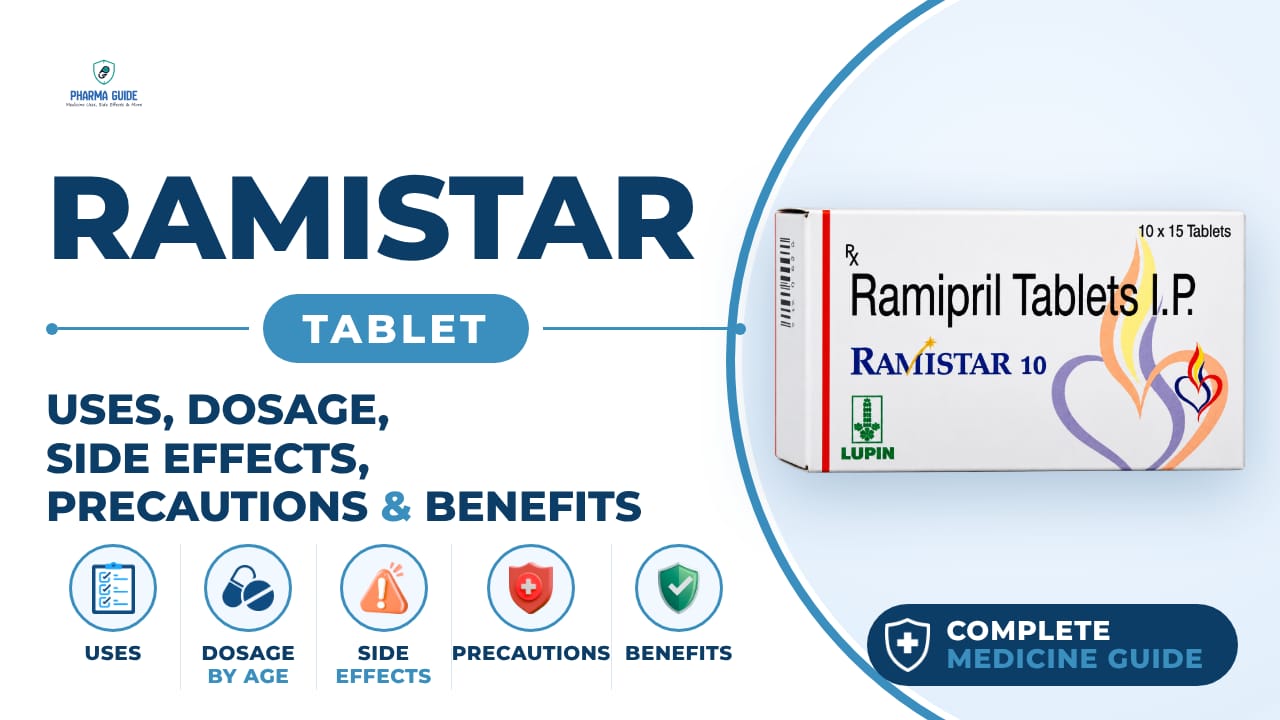
| Generic name | Ramipril |
|---|---|
| Drug class | ACE inhibitor (Angiotensin Converting Enzyme inhibitor) |
| Forms | Tablet, Capsule |
Quick overview
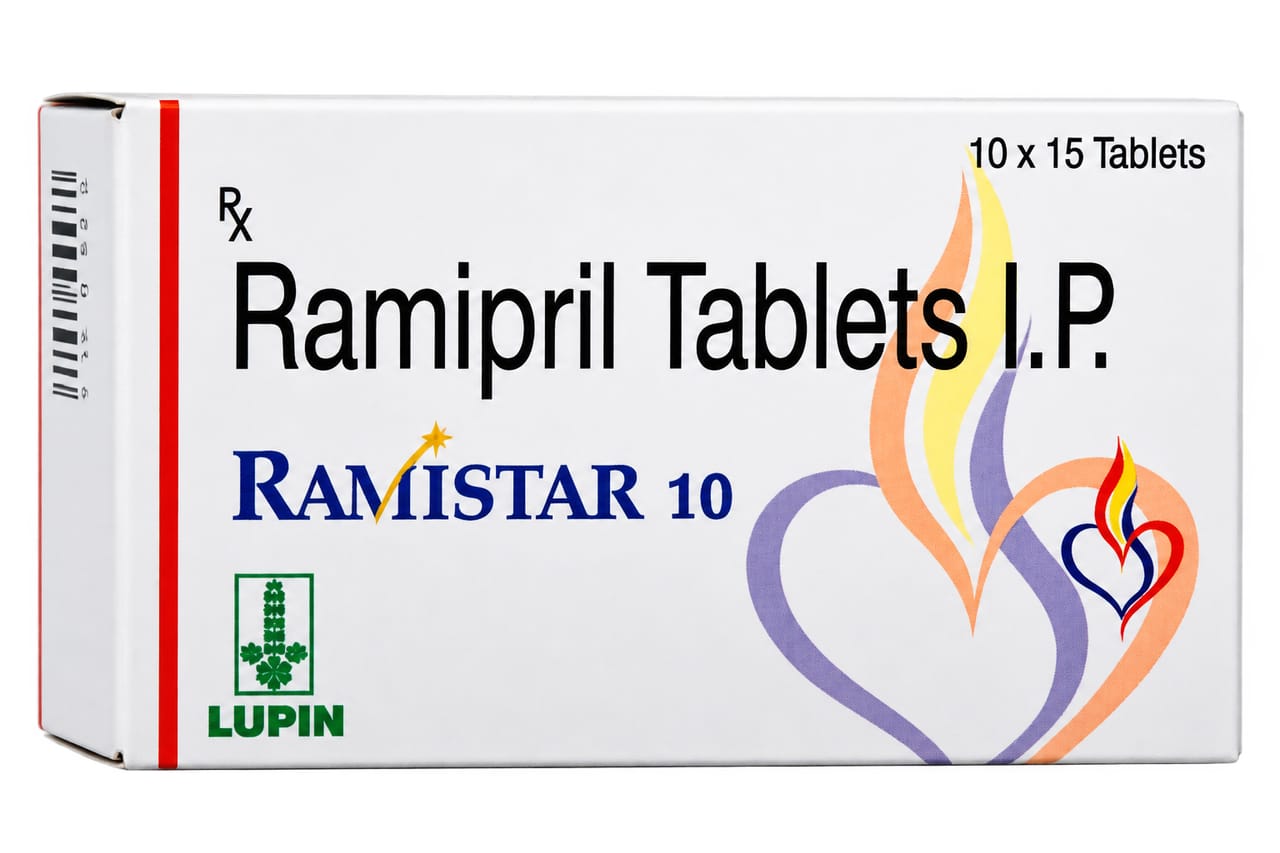
Ramistar Tablet contains Ramipril, a medicine from the ACE inhibitor class. It is a prescription-only medicine used to manage blood pressure and support heart health, including reducing the risk of heart attack or stroke and slowing the worsening of kidney problems. It must be used under medical supervision.
What is Ramistar Tablet
Ramistar Tablet contains Ramipril, a medicine that belongs to the group of drugs called ACE inhibitors. It is a prescription-only medicine used to help manage blood pressure and support heart health, and must be used under medical supervision.
Ramistar Tablet uses
- Manages increased blood pressure (hypertension)
- Manages heart failure
- Reduces the risk of heart attack or stroke
- Slows down the worsening of kidney problems, including in patients with diabetes
- Helps improve survival after a heart attack
Benefits of Ramistar Tablet
- Supports maintenance of healthy blood pressure levels under medical guidance
- Helps promote better heart and blood vessel function by relaxing blood vessels
- May assist in improving blood flow and reducing the heart's workload
- Suitable for use as part of a doctor-supervised long-term cardiovascular care plan
- Available in a convenient once-daily tablet for easier medication adherence
How Ramistar Tablet works
Ramipril blocks an enzyme (ACE) that normally helps make a substance called angiotensin II, which tightens blood vessels. By reducing this substance, the medicine allows blood vessels to relax and widen, so blood flows more easily and the heart does not have to work as hard.
Ramistar Tablet dosage
Take it once daily, preferably at the same time each day, to keep steady levels of the medicine in your body. It can be taken with or without food; taking it with meals may help reduce stomach discomfort. Swallow the tablet whole with a glass of water. Do not crush, break, or chew the tablet.
Do not skip doses, and do not stop taking it suddenly without talking to your doctor, even if you feel well. If you miss a dose, take it as soon as you remember, unless it is nearly time for your next dose; do not take a double dose. Rise slowly from sitting or lying down to avoid dizziness. Some people find it helpful to take it at bedtime to reduce daytime dizziness.
| Age group | Dose |
|---|---|
| Under 18 Years | Use only if prescribed by a healthcare professional |
| Adults (18–64 Years) | 2.5–5 mg once daily, adjusted according to blood pressure response |
| Older Adults (65+ Years) | 1.25–2.5 mg once daily initially, adjusted as needed |
Available forms and strengths
- Tablet
- Capsule
Side effects of Ramistar Tablet
Common
- Headache
- Feeling tired or dizzy
- Dry cough
- Inflamed sinuses (sinusitis)
- Bronchitis
- Shortness of breath
- Stomach pain, diarrhea, indigestion, feeling sick
- Skin rash
- Chest pain
- Muscle or joint cramps or pain
- Fainting or low blood pressure, especially when standing up quickly
- Blurred vision
- Sweating
- Increased heartbeat
- Back pain
- Changes in taste
Serious
- Concentrated (darker than usual) urine
- Confusion and fits
- Faster heart rate or palpitations, chest pain, or tightness in the chest, which could signal a heart attack or stroke
- Signs of blood or bone marrow problems: bruising easily, prolonged bleeding, bleeding gums, purple spots, frequent infections, fever, dizziness, or pale skin
- Severe stomach pain reaching to the back (possible pancreatitis)
- Signs of liver problems: fever, chills, tiredness, loss of appetite, stomach pain
- Yellowing of the skin or eyes (jaundice)
Warnings and precautions
- This medicine is not recommended during pregnancy because it may harm the developing baby, especially in later stages of pregnancy. It should be stopped as soon as pregnancy is confirmed, and you should talk to your doctor right away.
- There isn't enough information on using this medicine while breastfeeding, so it is generally not recommended. The medicine can pass into breast milk, so talk to your doctor about the risks and benefits before using it.
- This medicine should be used with caution in people with kidney problems, and is not recommended for those with severe kidney disease, narrowing of the kidney arteries, or those on dialysis. Your kidney function may need to be monitored.
- This medicine should be used with caution if you have liver disease. Talk to your doctor before starting it.
- Avoid drinking alcohol while taking this medicine, as it can make dizziness and lightheadedness worse.
- Do not drive or use machines if this medicine makes you feel dizzy.
- Tell your doctor before taking this medicine if you have lost a lot of body fluids or salts (from vomiting or diarrhea), follow a low-salt diet, have high or low blood potassium or sodium levels, need allergy desensitization treatment (for bee or wasp stings), are about to have anesthesia for surgery or dental work, or have a collagen vascular disease such as scleroderma or lupus.
- Do not take this medicine if you have a history of a serious allergic swelling reaction (angioedema), diabetes with certain other blood pressure medicines, or abnormally low blood pressure.
- Taking this medicine with Aliskiren is not recommended if you have diabetes and/or reduced kidney function, as it can increase the risk of side effects.
- This medicine should not be stopped suddenly, as this can cause your blood pressure to rise and increase the risk of heart attack or stroke.
- This medicine is not generally recommended for children and teenagers under 18 years old, as safety and effectiveness in this age group are not established.
- Older adults, especially those over 70 or with liver or kidney problems, should use this medicine under close medical supervision because they may be more sensitive to its effects.
Storage
- Store below 30°C
- Store in a cool, dry place away from direct sunlight
- Keep the medicine sealed in its original packaging to protect it from moisture
- Keep out of reach of children
- Use before the expiry date printed on the packaging
When to see a doctor
- Get medical help right away if you notice swelling of the face, lips, tongue, or throat, or have trouble breathing or swallowing — these can be signs of a serious allergic reaction.
- Contact your doctor if you notice a fast heartbeat or palpitations, chest pain, or chest tightness, as these could be signs of a more serious heart problem.
- Seek medical advice if you notice signs of possible blood or bone marrow problems, such as easy bruising, bleeding that doesn't stop, bleeding gums, purple spots on the skin, frequent infections, fever, or looking unusually pale.
- Get medical help for severe stomach pain that spreads through to your back, as this could indicate inflammation of the pancreas.
- Contact your doctor if you develop signs of liver problems, such as fever, chills, tiredness, loss of appetite, stomach pain, or yellowing of the skin or eyes.
- Tell your doctor if you have a persistent dry cough or throat irritation that does not go away.
Alternatives
- Enalapril
- Perindopril
- Amlodipine
Watch the video
FAQs
What is Ramistar Tablet used for?
It is used to manage high blood pressure and heart failure, reduce the risk of heart attack or stroke, slow worsening of kidney problems (including in diabetes), and improve survival after a heart attack.
How should I take Ramistar Tablet?
Take it once daily at the same time each day, with or without food, swallowing the tablet whole with water. Do not crush, break, or chew it, and do not stop suddenly without consulting your doctor.
What is the dosage of Ramistar Tablet for adults?
Adults aged 18–64 years typically take 2.5–5 mg once daily, adjusted according to blood pressure response, while older adults may start with 1.25–2.5 mg once daily.
What are the common side effects of Ramistar Tablet?
Common side effects include headache, tiredness or dizziness, dry cough, sinusitis, stomach pain, indigestion, skin rash, muscle or joint pain, and low blood pressure on standing.
Can Ramistar Tablet be used during pregnancy?
No, it is not recommended during pregnancy as it may harm the developing baby, especially in later stages, and should be stopped as soon as pregnancy is confirmed.
General information, not medical advice
Your prescriber and the leaflet in your pack know your situation. This page does not.
- Follow your prescriber and the leaflet
- Don't start, stop, or change a dose on your own
- Doses and warnings differ by country and product
Sources
- KD Tripathi. Drugs Affecting Renin-Angiotensin System And plasma Kinins. Essentials of medical pharmacology. 7th edition. 2013.
- Florim Cuculi, Paul Erne. Combined neutral endopeptidase inhibitors. NIH. National Library of Medicine, Pubmed.gov. April 2011.
- Sheila A. Doggrell. Is Ramipril the pril for diabetes and kidney disease? NIH, Pubmed.gov. May 2001.
- M Schreiner, B Berendes, M Verho, A Langley, V Cairns. Antihypertensive efficacy, tolerance, and safety of long-term treatment with ramipril in patients with mild-to-moderate essential hypertension. Pubmed.gov. 1991.
- I Ramasamy. Severe hyponatraemia during therapy with ramipril. Pubmed.gov. Sep 2009.
- Sanofi. Electronic Medicines Compendium (EMC). Revised Nov 2020.
- Medicines.org.uk. Ramipril 2.5mg Capsule - Summary of Product Characteristics (SmPC).
- U.S. Food and Drug Administration drug label documents.
- DailyMed - ramipril- Ramipril capsule.
- NHS UK. How and when to take ramipril.
- MedlinePlus Drug Information - Ramipril.
- DrugBank Online - Ramipril: Uses, Interactions, Mechanism of Action.
Video
Related medicines
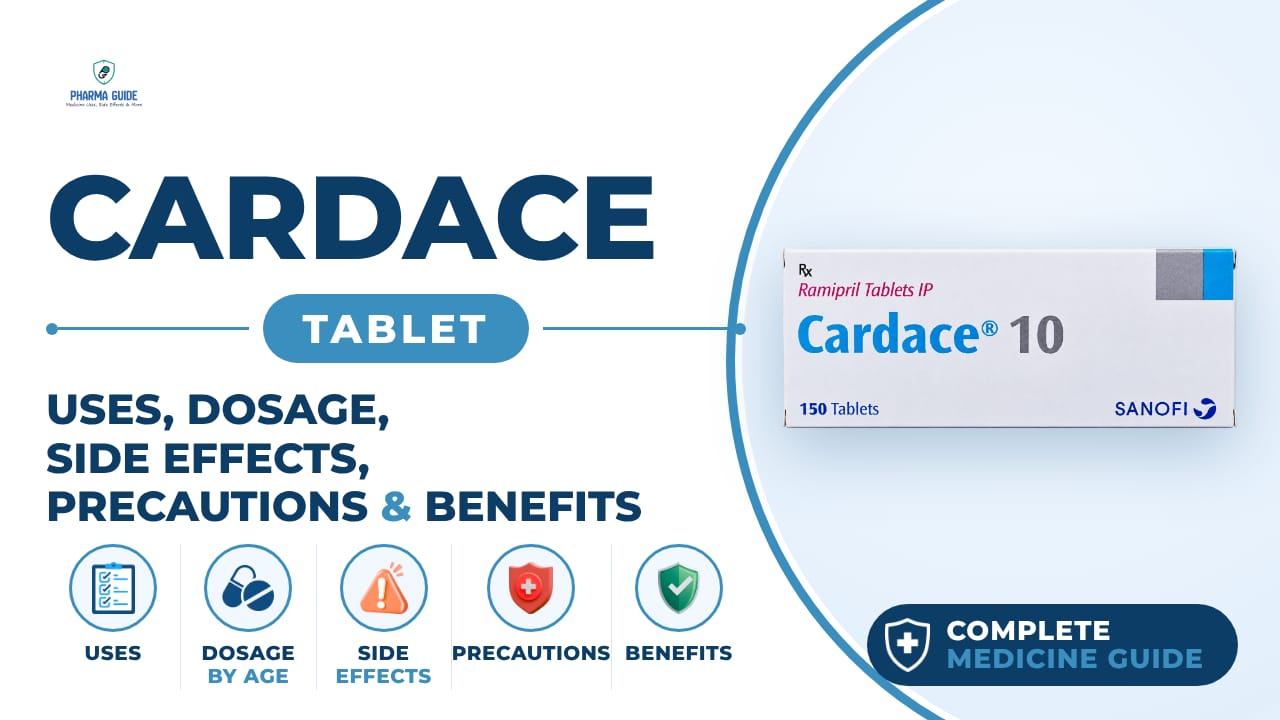
Cardace Tablet: Uses, Dosage, Side Effects, Precautions and Alternates
ACE inhibitor (angiotensin converting enzyme inhibitor)
Cardace Tablet (ramipril) treats high blood pressure, supports heart failure management, and protects kidney function in diabetics. Learn dosage, uses and side
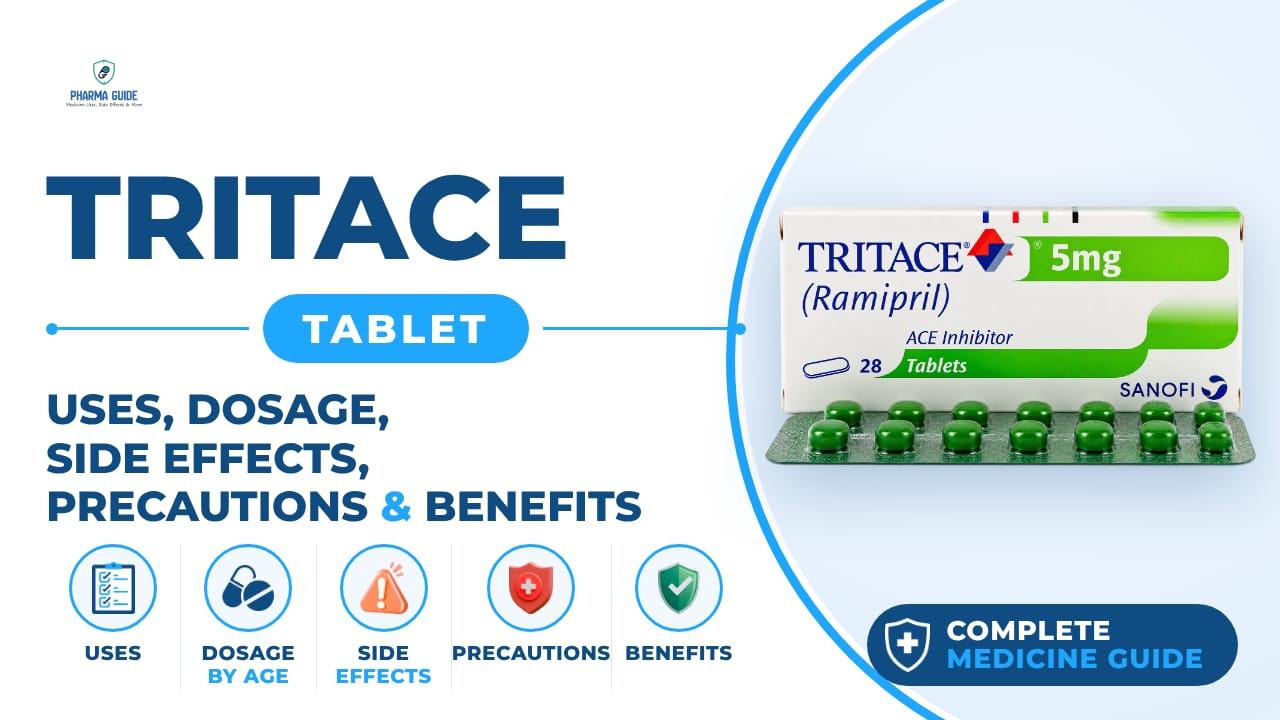
Tritace Tablet: Uses, Dosage, Side Effects, Precautions and Alternates
ACE Inhibitor (angiotensin-converting enzyme inhibitor)
Tritace Tablet (ramipril) treats high blood pressure, post-heart attack heart failure, and kidney problems. Learn about its uses, dosage, side effects, and