
Safety
General information, not medical advice
Your prescriber and the leaflet in your pack know your situation. This page does not.
- Follow your prescriber and the leaflet
- Don't start, stop, or change a dose on your own
- Doses and warnings differ by country and product
Retrovir Capsule: Uses, Dosage, Side Effects, Precautions and Alternates
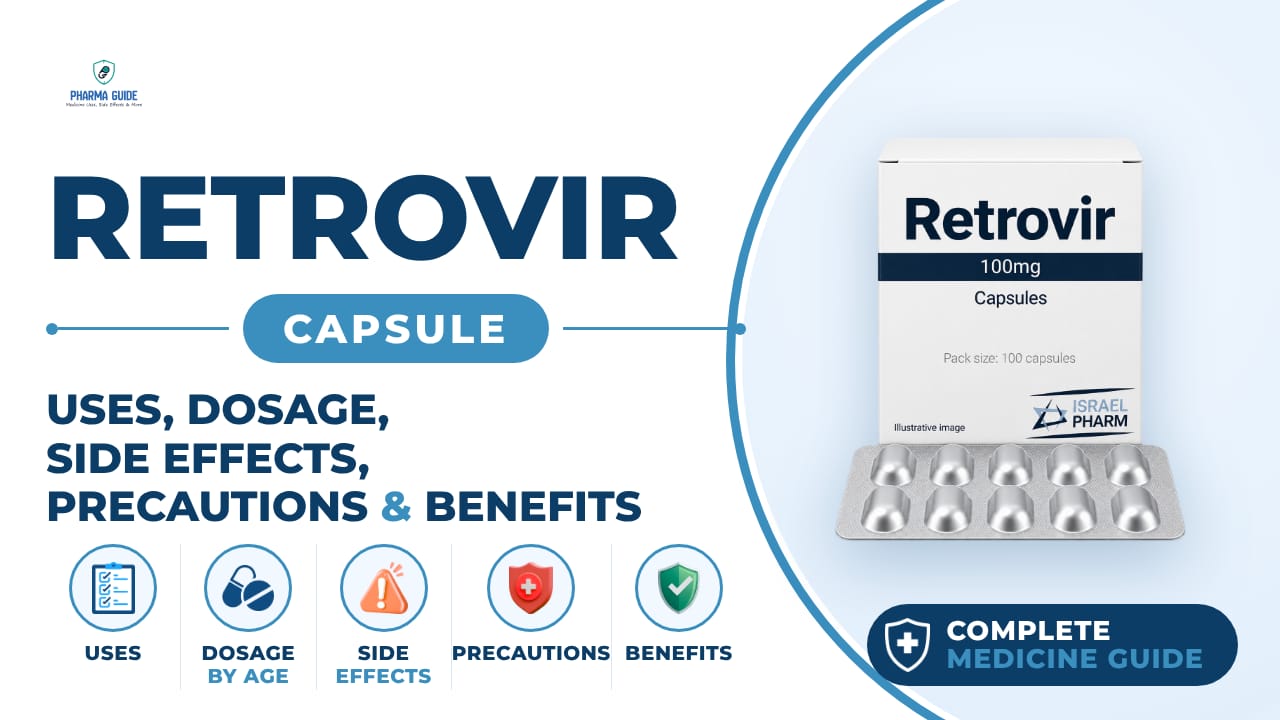
| Generic name | zidovudine |
|---|---|
| Drug class | Nucleoside reverse transcriptase inhibitor (NRTI); HIV antiretroviral |
| Forms | Capsules, Tablets, Syrup/oral solution, Injection (intravenous) |
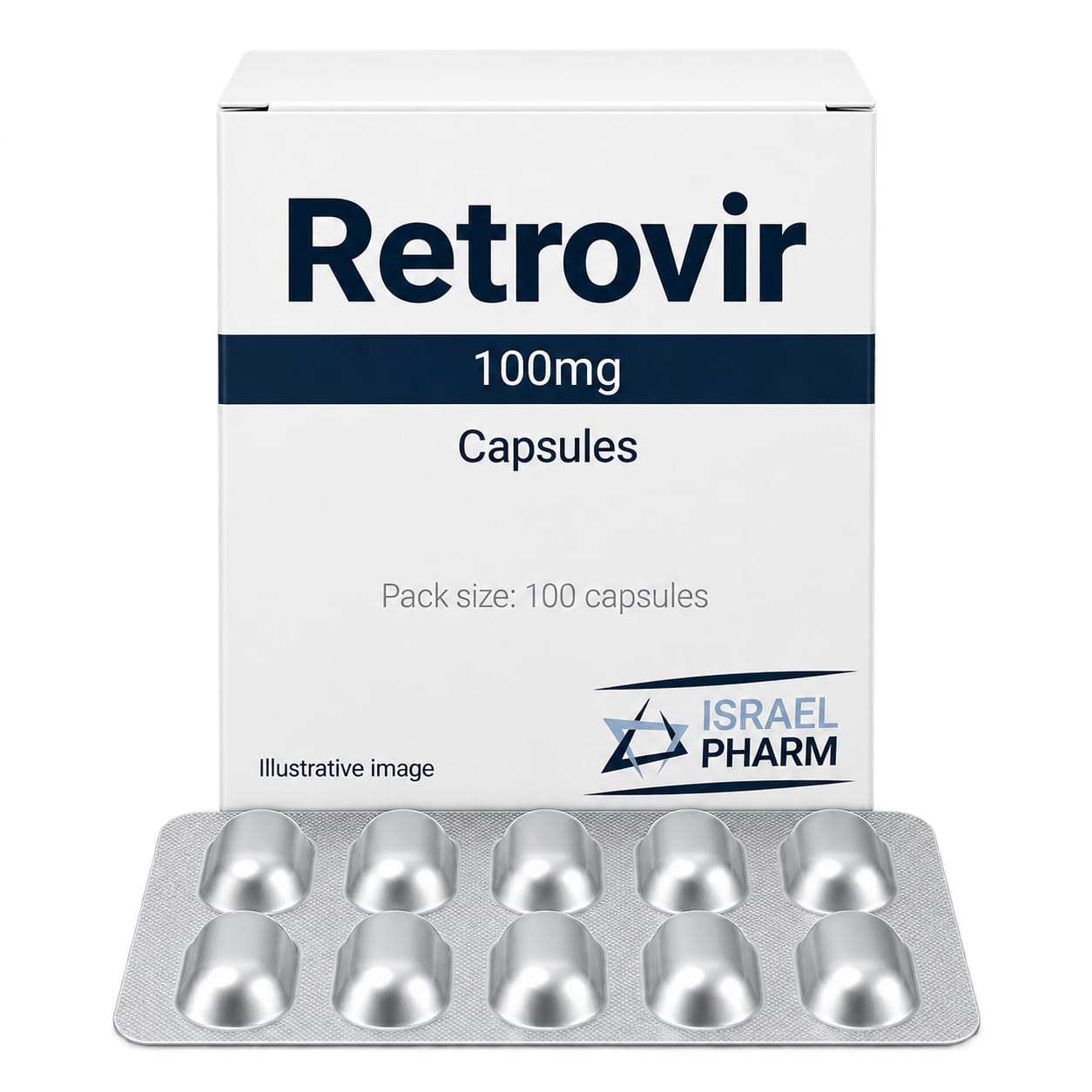
Quick overview
Retrovir Capsule contains zidovudine, a nucleoside reverse transcriptase inhibitor (NRTI) used as part of HIV antiretroviral therapy. It is used along with other HIV medicines to treat HIV-1 infection and to help prevent mother-to-child transmission of HIV. It is not a cure for HIV but helps control the infection when combined with other antiretroviral medicines.
What is Retrovir Capsule
Retrovir is an antiviral medicine used to treat HIV, the virus that causes AIDS. It is not a cure for HIV but helps control the infection when used with other HIV medicines.
Retrovir Capsule uses
- Treatment of HIV-1 infection in combination with other antiretroviral agents
- Prevention of mother-to-child (maternal-fetal) HIV-1 transmission
- Treats HIV-1 infection
- Helps reduce HIV viral load
- Helps preserve or improve CD4 cell counts
- Blocks HIV reverse transcriptase
- Used as part of combination antiretroviral therapy
Benefits of Retrovir Capsule
- Can slow down the progression of HIV infection
- Helps prevent passing HIV from a mother to her baby during pregnancy and birth
- Used with other HIV drugs, lowers the chance of AIDS-related illness or death compared to fewer drugs
How Retrovir Capsule works
Retrovir is a type of HIV drug called a nucleoside reverse transcriptase inhibitor. It inserts itself into the virus's genetic material by acting like a normal DNA building block, but this stops the virus from copying itself, which keeps it from making new copies.
Retrovir Capsule dosage
Swallow the capsule whole with a drink of water. It can be taken with or without food. Take it at the same time every day to keep a steady amount of medicine in your body. Do not stop taking this medicine suddenly or change the dose without talking to your doctor. Do not share this medicine with anyone else.
If you miss a dose, take it as soon as you remember, but if it is almost time for your next dose, skip the missed one — do not take a double dose. Children should be checked to make sure they can swallow capsules; if not, a liquid form should be used instead. In people with severe kidney problems, doses are given less often but may need closer monitoring.
| Age group | Dose |
|---|---|
| 12–17 years | Often 300 mg twice daily when adult-size dosing is appropriate |
| 18–64 years | 300 mg twice daily |
| 65–74 years | Usually 300 mg twice daily, with closer blood-count and organ-function monitoring |
Available forms and strengths
- Capsules
- Tablets
- Syrup/oral solution
- Injection (intravenous)
Side effects of Retrovir Capsule
Common
- Headache
- Tiredness and general discomfort (malaise)
- Nausea
- Loss of appetite
- Vomiting
- Constipation
- Trouble sleeping (insomnia)
- Joint pain
- Changes in the shape or location of body fat
Serious
- Unexplained weight loss
- Persistent muscle aches or weakness
- Numbness or tingling of the hands, feet, arms, or legs
- Severe tiredness
- Vision changes
- Severe or persistent headaches
- Signs of infection such as fever, chills, trouble breathing, cough, or non-healing skin sores
- Signs of an overactive thyroid such as irritability, nervousness, heat intolerance, fast or irregular heartbeat, bulging eyes, or a growth in the neck
- Signs of a nerve problem (Guillain-Barré syndrome) such as difficulty breathing, swallowing, or moving the eyes, drooping face, paralysis, or slurred speech
- Sudden vision loss, blurred vision, tunnel vision, eye pain or swelling, or seeing halos around lights
- Fast, irregular, or pounding heartbeat, fluttering in the chest, shortness of breath, sudden dizziness or passing out
- Severe headache, confusion, slurred speech, arm or leg weakness, trouble walking, loss of coordination, feeling unsteady, very stiff muscles, high fever, profuse sweating, or tremors
- Low red blood cell count (anemia) or low white blood cell count (neutropenia)
- Swelling of the lips or tongue, wheezing, difficulty breathing, rash, or hives (signs of an allergic reaction)
- Loss of fat from the legs, arms, and face (lipoatrophy)
- Fast breathing, feeling very unwell, with a swollen, fatty liver, which can be life-threatening (lactic acidosis)
Warnings and precautions
- Tell your doctor if you are pregnant or planning to become pregnant. Your doctor will discuss the benefits and risks of taking Retrovir during pregnancy. Retrovir can lower the chance of passing HIV from mother to baby, but transmission may still happen in some cases even with treatment.
- Do not breastfeed if you are taking Retrovir, because HIV can pass to the baby through breast milk.
- People with severely reduced kidney function need a lower dose given less often. Talk to your doctor about dose changes if you have kidney problems.
- There isn't enough information to say exactly how the dose should be changed for people with liver problems, but Retrovir levels may build up higher in the body if the liver isn't working well, which can increase the risk of blood-related side effects. Frequent monitoring is recommended.
- Be careful before you drive or use machines or tools until you know how Retrovir affects you.
- Retrovir can cause serious blood problems, including a severe drop in red blood cells (anemia) or white blood cells (neutropenia). This is more likely in people with advanced HIV disease.
- Taking Retrovir for a long time can cause muscle pain, tenderness, or weakness (myopathy).
- Retrovir and similar drugs can rarely cause a serious, sometimes fatal, buildup of lactic acid in the blood along with a swollen, fatty liver. Treatment should be stopped if this is suspected.
- Taking the hepatitis C drug ribavirin together with Retrovir is not recommended because it can make anemia worse.
- Retrovir should not be taken with other medicines that already contain zidovudine.
- When starting combination HIV treatment, the immune system may react to hidden infections already in the body, causing new symptoms of inflammation that need medical evaluation.
- Body fat can shift or build up unusually (such as in the belly or upper back) or be lost from the face, arms, legs, or buttocks during treatment. The cause and long-term effects of this are not known.
- Do not take Retrovir if you have had a severe allergic reaction to zidovudine or any of its ingredients.
Storage
- Store below 30°C in the pack out of direct light
- Keep this medicine in the pack until it is time to take it
- Store in a cool, dry place away from moisture, heat, or sunlight — do not store in the bathroom, near a sink, in the car, or on window sills
- Keep it where young children cannot reach it
- If you no longer need the medicine or it is out of date, take it to a pharmacy for safe disposal
- Do not use this medicine after the expiry date
When to see a doctor
- Get medical help right away if you have symptoms suggesting a serious liver problem, such as fast or shallow breathing, severe tiredness, or stomach pain, as this could be life-threatening lactic acidosis
- Call your doctor or go to the emergency department right away if you notice swelling of the lips or tongue, wheezing, difficulty breathing, rash, or hives, as these are signs of a serious allergic reaction
- Contact your doctor right away if you develop muscle weakness, shortness of breath, or symptoms of hepatitis or pancreatitis
- Seek immediate medical attention if you think you have taken too much Retrovir, even if you feel fine
- Tell your doctor immediately if you develop new symptoms of infection or inflammation, such as fever, muscle weakness, joint pain or swelling, or unusual tiredness, especially after starting treatment
Alternatives
- Abacavir
- Lamivudine
- Tenofovir alafenamide
Watch the video
FAQs
What is Retrovir Capsule used for?
Retrovir Capsule is used along with other antiretroviral medicines to treat HIV-1 infection and to help prevent mother-to-child transmission of HIV. It is not a cure but helps control the infection.
How does Retrovir Capsule work?
Retrovir is a nucleoside reverse transcriptase inhibitor. It inserts itself into the virus's genetic material by acting like a normal DNA building block, stopping the virus from copying itself and making new copies.
What is the usual dose of Retrovir Capsule for adults?
Adults aged 18 to 64 years usually take 300 mg twice daily. The capsule should be swallowed whole with water and can be taken with or without food.
What are the serious side effects of Retrovir Capsule?
Serious side effects include low red or white blood cell counts, muscle weakness, lactic acidosis with a swollen fatty liver, allergic reactions, vision changes, and signs of nerve problems like Guillain-Barré syndrome.
Can Retrovir Capsule be used during pregnancy and breastfeeding?
Retrovir can lower the chance of passing HIV from mother to baby during pregnancy, though transmission may still occur in some cases. Breastfeeding is not recommended while taking Retrovir, as HIV can pass to the baby through breast milk.
General information, not medical advice
Your prescriber and the leaflet in your pack know your situation. This page does not.
- Follow your prescriber and the leaflet
- Don't start, stop, or change a dose on your own
- Doses and warnings differ by country and product
Sources
Video
Related medicines

Injectafer Injection: Uses, Dosage, Side Effects, Precautions and Alternates
Iron products
Injectafer (ferric carboxymaltose) treats iron deficiency anemia and heart failure-related iron deficiency via IV. Learn uses, dosage, side effects, and

Gliclazide Tablet: Uses, Dosage, Side Effects, Precautions and Alternates
Sulfonylurea (hypoglycemic/antidiabetic agent)
Gliclazide Tablet is a sulfonylurea for type 2 diabetes that boosts insulin release. Learn about dosage, side effects, warnings, and precautions.