
Safety
General information, not medical advice
Your prescriber and the leaflet in your pack know your situation. This page does not.
- Follow your prescriber and the leaflet
- Don't start, stop, or change a dose on your own
- Doses and warnings differ by country and product
Rifadin Capsule: Uses, Dosage, Side Effects, Precautions and Alternates
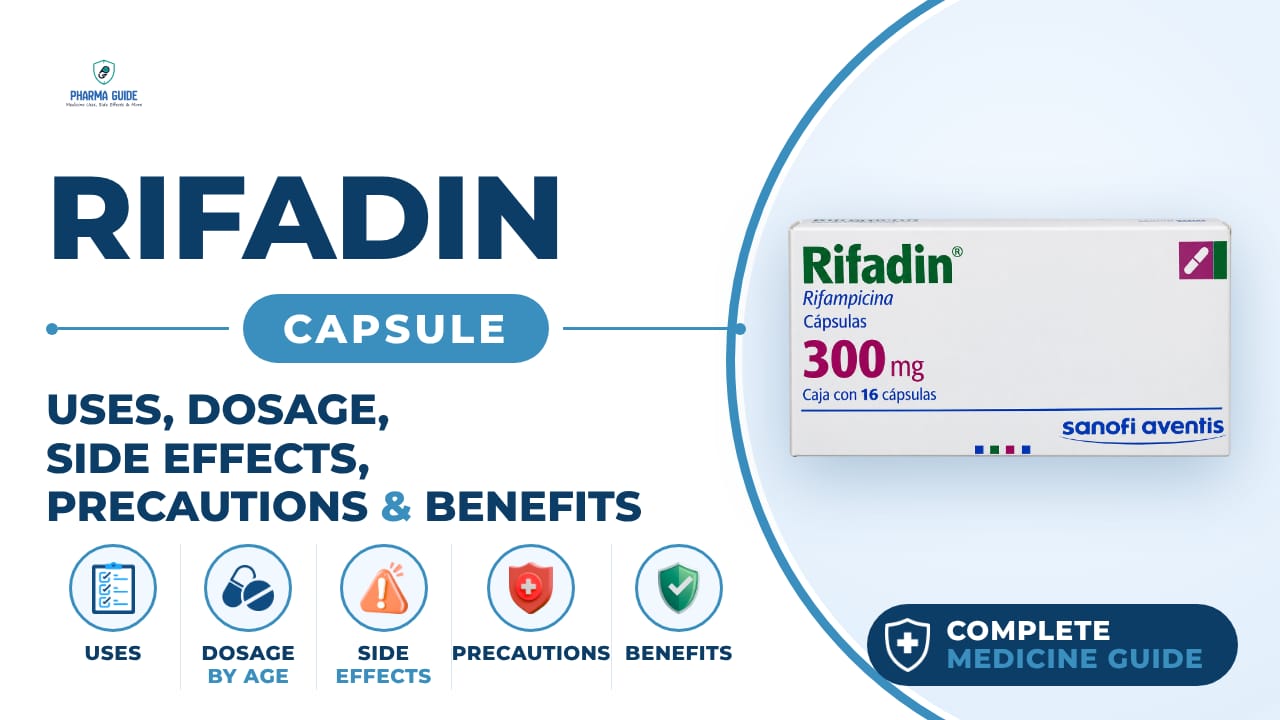
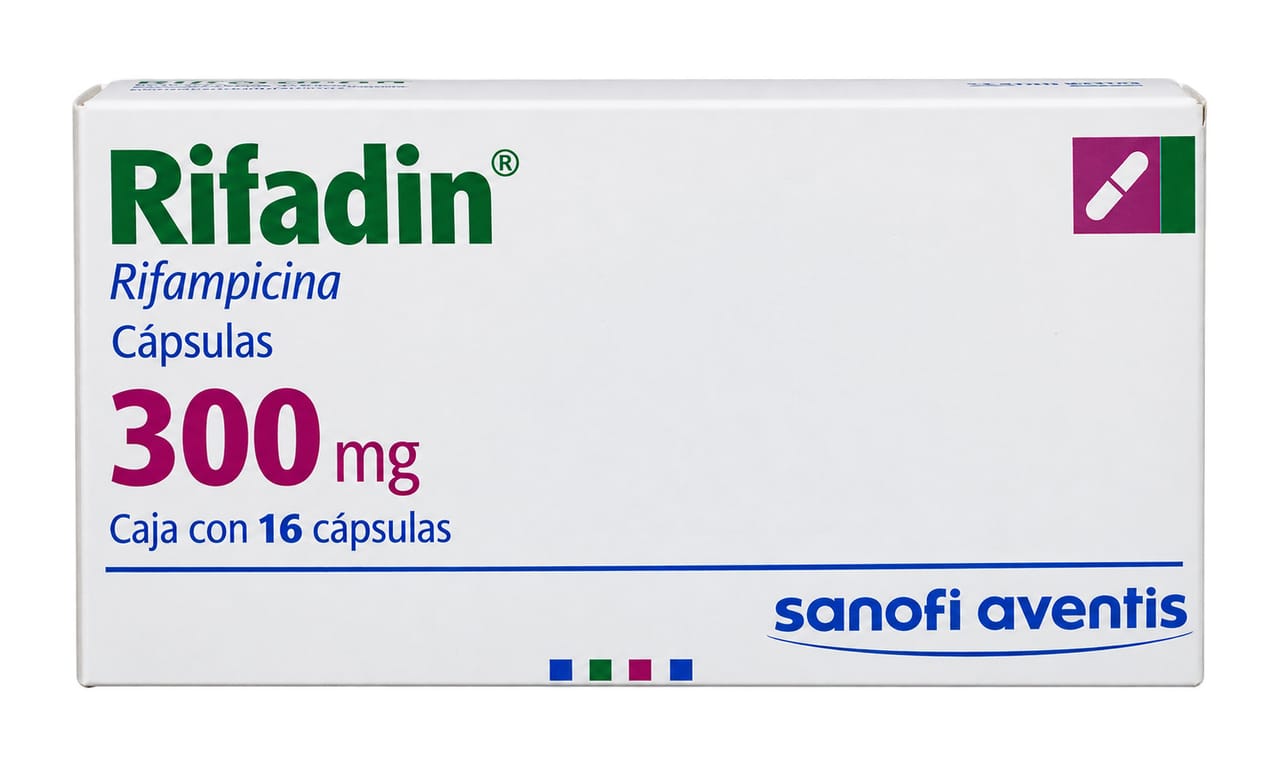
| Generic name | rifampicin |
|---|---|
| Drug class | Antitubercular Agents (antibiotic) |
| Forms | Capsules (150 mg and 300 mg), Syrup (100 mg/5 mL), Injection for intravenous infusion (600 mg) |
Quick overview
Rifadin Capsule contains the active ingredient rifampicin, an antibiotic from the Antitubercular Agents class. It is used to treat tuberculosis and leprosy as part of combination therapy, and to prevent meningococcal disease and Haemophilus Influenzae Type B infections. It works by killing certain bacteria, stopping them from growing and multiplying.
What is Rifadin Capsule
Rifadin is an antibiotic medicine that contains the active ingredient rifampicin. It kills certain types of bacteria that cause serious infections, including tuberculosis (TB) and leprosy.
Rifadin Capsule uses
- Treats all forms of tuberculosis, used together with other anti-TB medicines
- Treats leprosy, used together with another anti-leprosy medicine
- Prevents meningococcal disease by clearing the bacteria from the nose and throat in people who carry it without symptoms
- Prevents infections caused by Haemophilus Influenzae Type B
Benefits of Rifadin Capsule
- Treats tuberculosis (TB) as part of combination therapy
- Helps stop the growth of TB-causing bacteria
- Helps control TB infections affecting the lungs and other organs
- Helps reduce the spread of TB bacteria when prescribed for specific indications
- Supports successful TB treatment when taken with other prescribed medicines
How Rifadin Capsule works
Rifampicin works by blocking an enzyme bacteria need to make RNA, which stops the bacteria from growing and multiplying, eventually killing them. It does not affect human cells in the same way.
Rifadin Capsule dosage
Swallow the capsules whole with a full glass of water; do not take with food. Take on an empty stomach, either about 30 minutes before a meal or 2 hours after a meal. Take at the same time each day, regularly, for as many days as your doctor has prescribed.
If you need an antacid, take it at least 1 hour after your Rifadin dose. Do not stop taking this medicine because you feel better; complete the full course as directed.
If you miss a dose, take it as soon as you remember that day; if it is almost time for your next dose, skip the missed one and continue as normal — do not double up.
Tell any doctor, dentist, surgeon, or pharmacist you see that you are taking this medicine. See your doctor regularly, usually monthly, for check-ups and tests while taking this medicine.
| Age group | Dose |
|---|---|
| Under 18 years | Not recommended |
| 18–64 years | 600 mg, once/day |
| 65+ years | 600 mg, once/day |
Available forms and strengths
- Capsules (150 mg and 300 mg)
- Syrup (100 mg/5 mL)
- Injection for intravenous infusion (600 mg)
Side effects of Rifadin Capsule
Common
- Drowsiness
- Fatigue or feeling tired
- Difficulty concentrating
- Confusion
- Heartburn
- Loss of appetite
- Nausea and vomiting
- Upset stomach, wind, cramps
- Diarrhea (do not take anti-diarrhea medicine without checking with your doctor first)
- Headache
- Dizziness
- Menstrual period changes
- Red-orange, yellow, or brown coloring of urine, stool, saliva, sweat, tears, and teeth (soft contact lenses may be permanently stained)
- Poor coordination, muscle weakness, pain or numbness in fingers or toes
- Yellow discoloration of skin or eyes
- Conjunctivitis or eyesight problems
- Oral or vaginal thrush (white sore mouth/tongue, or itchy discharge)
Serious
- Signs of liver injury: nausea or vomiting, fever, tiredness, loss of appetite, dark urine, light-colored stools, yellowing of skin or eyes, itching, rash, or upper stomach pain
- Severe skin reactions: severe red or itchy skin, blistering, peeling, bruising, or bleeding of the skin (possible Stevens-Johnson syndrome, toxic epidermal necrolysis, or DRESS syndrome)
- Signs of serious blood problems: unusual bleeding or bruising, blood in urine, or symptoms of thrombotic microangiopathy such as increased bruising, bleeding, fever, extreme weakness, headache, dizziness, or light-headedness
- Worsening tuberculosis symptoms with fever, swollen lymph nodes, breathlessness, and cough
- Fever, chills, headache, dizziness, or bone pain
- New or sudden worsening of shortness of breath, possibly with cough or fever (signs of lung inflammation)
- Allergic reaction: swelling of the face, lips, tongue, or throat causing difficulty breathing or swallowing
- Severe stomach or gut cramps, watery or bloody diarrhea, with or without fever
Warnings and precautions
- This medicine can cause liver problems, which in some cases have been fatal, especially in people with existing liver disease or those taking other medicines that can harm the liver.
- Serious allergic and skin reactions can occur, including severe rash, blistering, or peeling skin conditions that can be life-threatening.
- This medicine can cause lung inflammation that may be fatal, so new or worsening shortness of breath, cough, or fever should be reported right away.
- Do not take this medicine irregularly or restart it after stopping without talking to your doctor, as this has been linked to rare but serious kidney and blood reactions.
- This medicine can make hormonal birth control pills less effective, so an alternative, non-hormonal method of contraception should be used during treatment.
- This medicine must not be taken together with certain HIV and hepatitis C medicines because of serious interaction risks, including severe liver toxicity or loss of effectiveness of those other medicines.
- This medicine can cause blood clotting problems and bleeding, including rare but serious conditions affecting blood vessels.
- Rifampin should only be used during pregnancy if your doctor decides the benefits outweigh the risks, as it has caused birth defects in animal studies and there isn't enough human data to confirm safety. Using it late in pregnancy can increase bleeding risk in mother and baby.
- Sources disagree on breastfeeding: some say Rifadin should not be used while breastfeeding because it passes into breast milk and may affect the baby, while another source states breastfeeding may continue during treatment. Always check with your doctor before breastfeeding while on this medicine.
- No dose change is generally needed for kidney problems at standard doses, but tell your doctor if you have kidney disease so you can be monitored.
- People with liver problems should only take this medicine if necessary and under close medical supervision, with regular liver function tests, because Rifadin can cause liver damage and in rare cases this has been fatal.
- Alcohol use or a history of alcohol abuse has been linked to some serious and fatal overdose cases with this medicine, so caution with alcohol is advised.
- Be careful before driving or using machines or tools until you know how this medicine affects you, as it may cause dizziness, drowsiness, or vision problems.
Storage
- Store below 25°C
- Store in a cool, dry place away from moisture, heat, or sunlight
- Do not store in the bathroom, near a sink, in the car, or on window sills
- Keep out of reach and sight of children
- Do not use after the expiry date
- Take unused or expired medicine to a pharmacy for safe disposal; do not throw it away in household waste or wastewater
When to see a doctor
- Get medical help immediately if you notice signs of liver injury such as nausea, vomiting, fever, tiredness, loss of appetite, dark urine, pale stools, or yellowing of the skin or eyes.
- Call your doctor right away if you develop new or sudden worsening shortness of breath, possibly with a dry cough or fever that isn't responding to antibiotics, as these may be signs of serious lung inflammation.
- Seek emergency care for signs of a severe allergic reaction, such as swelling of the face, lips, tongue, or throat, difficulty breathing or swallowing, rash, or wheezing.
- Go to the hospital straight away if you notice unusual bruising, bleeding, blood in your urine, severe headache, confusion, or signs of shock such as cold clammy skin and a racing heartbeat.
- Seek urgent medical attention if you think you have taken too much of this medicine, even if you feel fine, because overdose can be dangerous.
- Contact your doctor if you have severe watery or bloody diarrhea with stomach cramps and fever, as this may be a serious bowel condition needing urgent care.
Alternatives
- Isoniazid
- Rifabutin
- Rifampin
Watch the video
FAQs
What is Rifadin Capsule used for?
Rifadin treats all forms of tuberculosis and leprosy as part of combination therapy, and is used to prevent meningococcal disease and Haemophilus Influenzae Type B infections.
How should I take Rifadin Capsule?
Swallow the capsules whole with a full glass of water on an empty stomach, about 30 minutes before a meal or 2 hours after, at the same time each day for as long as your doctor prescribes. Do not take with food, and if you need an antacid, take it at least 1 hour after your dose.
What is the usual dose of Rifadin Capsule?
For adults aged 18 to 64 and those 65 and older, the usual dose is 600 mg once a day. It is not recommended for people under 18 years.
What are the common side effects of Rifadin Capsule?
Common side effects include drowsiness, fatigue, nausea and vomiting, diarrhea, headache, dizziness, loss of appetite, and red-orange, yellow, or brown coloring of urine, stool, saliva, sweat, tears, and teeth.
Can Rifadin Capsule affect birth control pills?
Yes, Rifadin can make hormonal birth control pills less effective, so an alternative, non-hormonal method of contraception should be used during treatment.
General information, not medical advice
Your prescriber and the leaflet in your pack know your situation. This page does not.
- Follow your prescriber and the leaflet
- Don't start, stop, or change a dose on your own
- Doses and warnings differ by country and product
Sources
Video
Related medicines

Injectafer Injection: Uses, Dosage, Side Effects, Precautions and Alternates
Iron products
Injectafer (ferric carboxymaltose) treats iron deficiency anemia and heart failure-related iron deficiency via IV. Learn uses, dosage, side effects, and

Gliclazide Tablet: Uses, Dosage, Side Effects, Precautions and Alternates
Sulfonylurea (hypoglycemic/antidiabetic agent)
Gliclazide Tablet is a sulfonylurea for type 2 diabetes that boosts insulin release. Learn about dosage, side effects, warnings, and precautions.