
Safety
General information, not medical advice
Your prescriber and the leaflet in your pack know your situation. This page does not.
- Follow your prescriber and the leaflet
- Don't start, stop, or change a dose on your own
- Doses and warnings differ by country and product
Rifampicin Capsule: Uses, Dosage, Side Effects, Precautions and Alternates
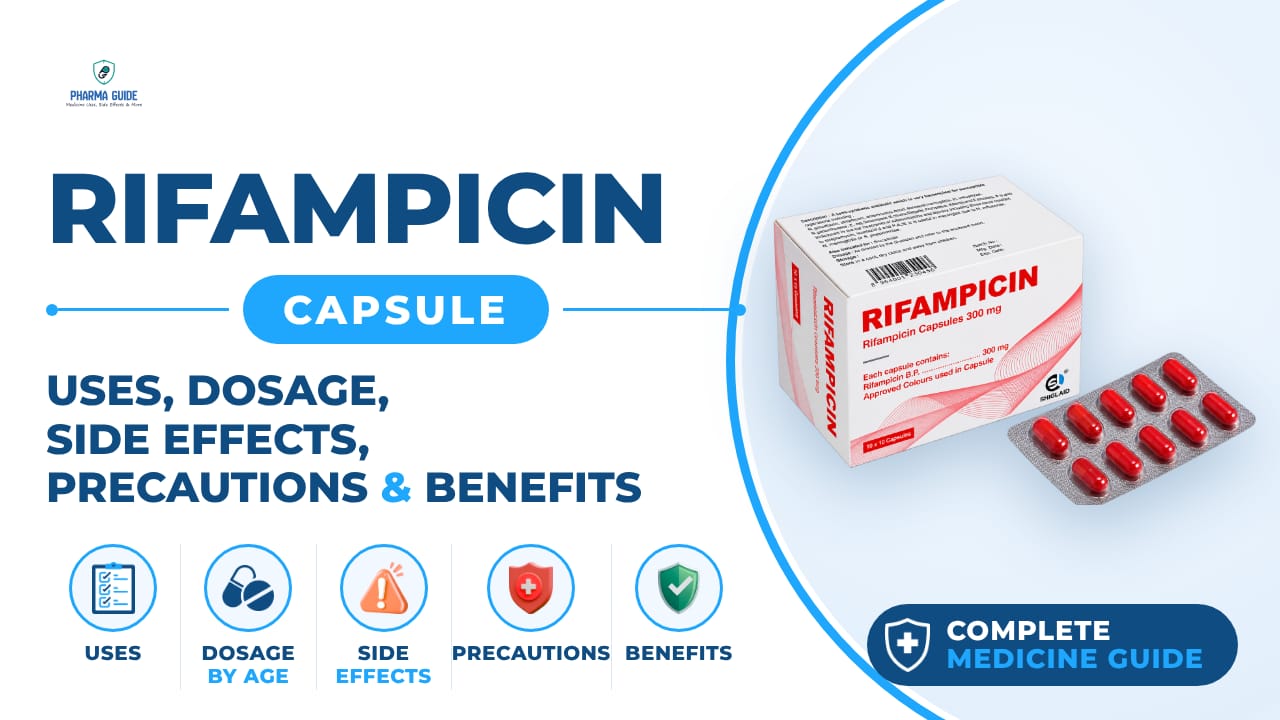
| Generic name | Rifampicin |
|---|---|
| Drug class | Antimycobacterial antibiotic (rifamycin) |
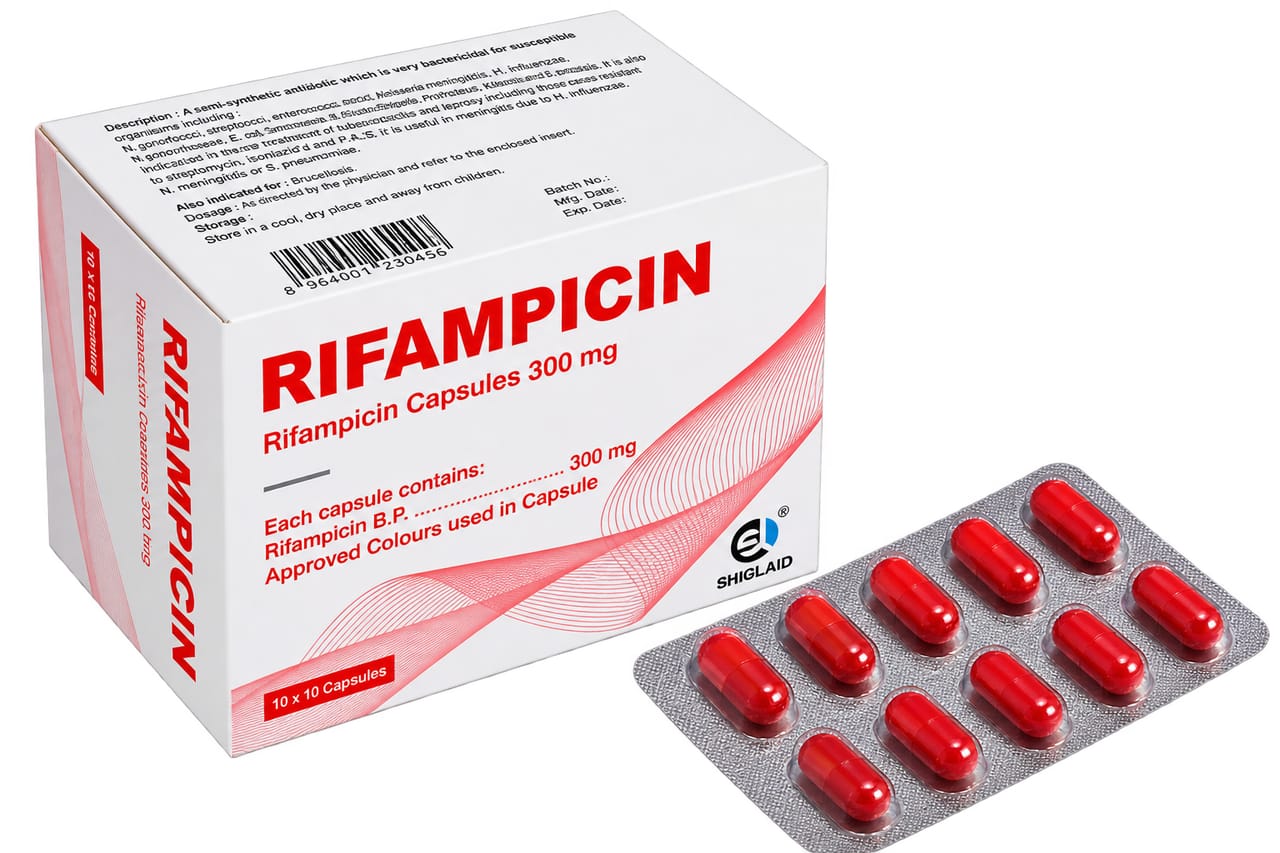
| Forms | Capsules (150 mg and 300 mg), Syrup (100 mg/5 mL), IV infusion (600 mg powder with solvent) |
Quick overview
Rifampicin Capsule contains the antibiotic rifampicin, part of the rifamycin class of antimycobacterial antibiotics. It is used mainly to treat tuberculosis and other infections caused by susceptible bacteria, usually alongside other antibiotics rather than on its own. It also has a role in treating leprosy and in preventing certain infections from spreading to close contacts.
What is Rifampicin Capsule
Rifampicin is an antibiotic used mainly to treat tuberculosis and other infections caused by susceptible bacteria. It is usually given together with other antibiotics rather than alone.
Rifampicin Capsule uses
- Treatment of tuberculosis (used together with at least one other antituberculosis medicine)
- Treatment of leprosy (lepromatous and dimorphous leprosy), used with another antileprosy drug
- Prevention of meningococcal disease in close contacts of known cases and in carriers
- Prevention of infection in household contacts of patients with Haemophilus influenzae type B
- Treatment of other infections caused by sensitive germs such as brucellosis, legionellosis, and serious staphylococcal infections
Benefits of Rifampicin Capsule
- Helps clear tuberculosis infection when used with other antituberculosis medicines
- Speeds conversion of infectious leprosy to a non-infectious state
- Reduces the risk of spreading meningococcal disease and Haemophilus influenzae type B to close contacts
How Rifampicin Capsule works
Rifampicin works by blocking an enzyme that bacteria need to make genetic material, which stops the bacteria from growing. It affects bacteria but not human cells.
Rifampicin Capsule dosage
Take by mouth, usually once daily, on an empty stomach, either 30 minutes before or two hours after a meal. If it upsets your stomach, your doctor may allow you to take it with food instead. Take antacids at least one hour apart from your rifampicin dose, as they can reduce absorption.
Take doses on a regular schedule and do not skip or interrupt doses without talking to your doctor, since stopping and restarting treatment can cause serious reactions. For patients unable to swallow the capsule, a specially prepared liquid form can be made by a pharmacist; shake this liquid well before each dose and measure it with a proper measuring device, not a regular teaspoon.
Continue taking the medicine for the full length of treatment prescribed by your doctor, even if you start feeling better. If you miss a dose, take it as soon as you remember, but if it is almost time for the next dose, skip the missed dose and continue your normal schedule — do not double up.
| Age group | Dose |
|---|---|
| Under 1 month | Specialist-directed dosing |
| 1 month–11 years | 10–20 mg/kg once daily; maximum 600 mg/day |
| 12–17 years | 10–20 mg/kg once daily; maximum 600 mg/day |
| Adults ≥18 years | 10 mg/kg once daily; maximum 600 mg/day |
Available forms and strengths
- Capsules (150 mg and 300 mg)
- Syrup (100 mg/5 mL)
- IV infusion (600 mg powder with solvent)
Side effects of Rifampicin Capsule
Common
- Heartburn, stomach discomfort, loss of appetite, nausea, vomiting, gas, cramps, and diarrhoea
- Headache, drowsiness, fatigue
- Dizziness, difficulty concentrating, mental confusion
- Visual disturbances, muscle weakness, fever, pain in arms/legs, numbness
- Flushing, itching, with or without temporary rash
- Red-orange, yellow, or brown discoloration of urine, saliva, sweat, tears, sputum, and stools
- Tooth discoloration (which may be permanent)
Serious
- Signs of liver injury: yellowing of skin or eyes, dark urine, pale stools, loss of appetite, nausea, vomiting, unusual tiredness, upper stomach pain
- Severe allergic reactions, including anaphylaxis, difficulty breathing, wheezing, swelling of face/lips/tongue
- Severe skin reactions such as blistering, peeling skin, widespread rash, or skin sores (Stevens-Johnson syndrome, toxic epidermal necrolysis, or acute generalized exanthematous pustulosis)
- Fever, swollen glands, or rash that could indicate DRESS syndrome (drug reaction with eosinophilia and systemic symptoms)
- Signs of a paradoxical reaction: worsening cough, fever, tiredness, breathlessness, headache, night sweats, or unexplained weight loss after initial improvement
- Symptoms of blood clotting or bleeding problems: unusual bleeding or bruising, blood in urine or stool, coughing up blood, nosebleeds, heavier menstrual bleeding
- Symptoms of thrombotic microangiopathy: confusion, dark or bloody urine, reduced urine output, seizures, sudden weakness, unusual bruising, pale skin, tiny red spots on skin
- Signs of lung problems: chest pain, dry cough, fever, difficulty breathing, general feeling of illness
- Reduced blood pressure, shock, fast or irregular heartbeat
- Signs of kidney problems: reduced urine output, blood in urine, swelling
Warnings and precautions
- Rifampicin can cause serious liver injury, including rare fatal cases, especially when combined with other tuberculosis medicines. Contact your doctor right away if you notice symptoms of liver problems.
- Taking rifampicin only occasionally (rather than daily as prescribed) increases the risk of serious immune-related reactions, including anaphylaxis, kidney failure, and blood disorders. Never stop and restart the medicine on your own.
- Severe, sometimes fatal, allergic reactions such as DRESS syndrome can occur during treatment, sometimes without a rash. Report symptoms like fever or swollen glands to your doctor right away.
- Serious skin reactions can occur and require immediate discontinuation of the medicine.
- Rifampicin can cause serious lung problems that can be life-threatening.
- Rifampicin can cause a rare but serious blood vessel disorder affecting blood clotting and organ function.
- Men and women should use effective, non-hormonal contraception during and for some months after treatment, because rifampicin can affect fertility and unborn babies, and it reduces the effectiveness of hormonal birth control.
- This medicine will turn body fluids such as urine, sweat, tears, and saliva red-orange, yellow, or brown. It can also permanently stain soft contact lenses.
- Rifampicin should only be used in pregnancy if the potential benefit outweighs risk to the unborn baby, as it has caused bone abnormalities in animal studies and crosses the placenta. If used late in pregnancy, both mother and newborn may need vitamin K to prevent bleeding problems.
- Rifampicin passes into breast milk, and mothers taking it should not breastfeed.
- Baseline kidney function tests should be checked before starting treatment for tuberculosis in adults.
- People with liver disease should only take rifampicin if absolutely necessary and under close medical supervision, with regular liver function tests, because the medicine can cause liver damage which has been fatal in some cases.
- Drinking alcohol regularly while taking rifampicin increases the risk of serious liver problems and should be strictly limited or avoided.
- This medicine may cause side effects like dizziness or tiredness that could affect your ability to drive or use machinery safely; consider avoiding these tasks if you experience such symptoms.
Storage
- Store below 25°C
- Keep out of the sight and reach of children
- Do not use after the expiry date shown on the packaging
- In Australia, any unused medicine or waste material should be disposed of by taking it to your local pharmacy
- Do not throw away medicines via wastewater or household waste; ask your pharmacist how to dispose of medicines you no longer use
When to see a doctor
- Get medical help immediately if you notice yellowing of the skin or eyes, dark urine, pale stools, loss of appetite, nausea, vomiting, itching, weakness, or stomach pain, as these can be signs of liver problems
- Seek medical advice right away if your tuberculosis symptoms seem to worsen after initially improving, such as new cough, fever, tiredness, breathlessness, headache, loss of appetite, weight loss, or weakness
- Contact your doctor right away if you develop fever, chills, cough, sore throat, or swollen and tender lymph glands, or yellowing of the skin or eyes, as these could indicate a serious drug reaction
- Seek urgent medical care for skin blistering, peeling, or loosening, severe rash, or skin sores
- Seek help immediately if you experience unusual bleeding, bruising, blood in urine or stool, coughing up blood, or bleeding gums, as this could indicate a clotting problem
- Seek emergency care if you suspect an overdose, especially with symptoms like severe drowsiness, loss of consciousness, irregular heartbeat, seizures, or swelling around the eyes or face
Alternatives
- Rifabutin
- Rifapentine
- Isoniazid
- Levofloxacin
- Bedaquiline
Watch the video
FAQs
What is Rifampicin Capsule used for?
It is used to treat tuberculosis and leprosy (with other medicines), prevent meningococcal disease and Haemophilus influenzae type B in close contacts, and treat other infections like brucellosis, legionellosis, and serious staphylococcal infections caused by sensitive germs.
How should I take Rifampicin Capsule?
Take it by mouth, usually once daily on an empty stomach, 30 minutes before or two hours after a meal. If it upsets your stomach, your doctor may allow you to take it with food. Take antacids at least one hour apart from your dose.
What are the common side effects of Rifampicin Capsule?
Common side effects include heartburn, stomach discomfort, nausea, vomiting, diarrhoea, headache, drowsiness, dizziness, flushing, itching, red-orange or brown discoloration of body fluids, and tooth discoloration which may be permanent.
Does Rifampicin Capsule affect birth control?
Yes, rifampicin reduces the effectiveness of hormonal birth control, so men and women should use effective, non-hormonal contraception during and for some months after treatment.
What serious side effects require immediate medical attention?
Seek urgent care for signs of liver injury such as yellowing of skin or eyes and dark urine, severe allergic reactions, severe skin reactions, DRESS syndrome symptoms like fever and swollen glands, or signs of clotting or bleeding problems.
General information, not medical advice
Your prescriber and the leaflet in your pack know your situation. This page does not.
- Follow your prescriber and the leaflet
- Don't start, stop, or change a dose on your own
- Doses and warnings differ by country and product
Sources
- Australian Product Information – RIFADIN (RIFAMPICIN), sanofi-aventis australia pty ltd, 16 July 2026
- WHOPAR Part 3 – Rifampicin 300 mg hard capsules (Antibiotice SA), TB269, July 2023
- Mayo Clinic – Rifampin (oral route) description, precautions, and side effects, https://www.mayoclinic.org/drugs-supplements/rifampin-oral-route/description/drg-20065839
Video
Related medicines

Injectafer Injection: Uses, Dosage, Side Effects, Precautions and Alternates
Iron products
Injectafer (ferric carboxymaltose) treats iron deficiency anemia and heart failure-related iron deficiency via IV. Learn uses, dosage, side effects, and

Gliclazide Tablet: Uses, Dosage, Side Effects, Precautions and Alternates
Sulfonylurea (hypoglycemic/antidiabetic agent)
Gliclazide Tablet is a sulfonylurea for type 2 diabetes that boosts insulin release. Learn about dosage, side effects, warnings, and precautions.