
Safety
General information, not medical advice
Your prescriber and the leaflet in your pack know your situation. This page does not.
- Follow your prescriber and the leaflet
- Don't start, stop, or change a dose on your own
- Doses and warnings differ by country and product
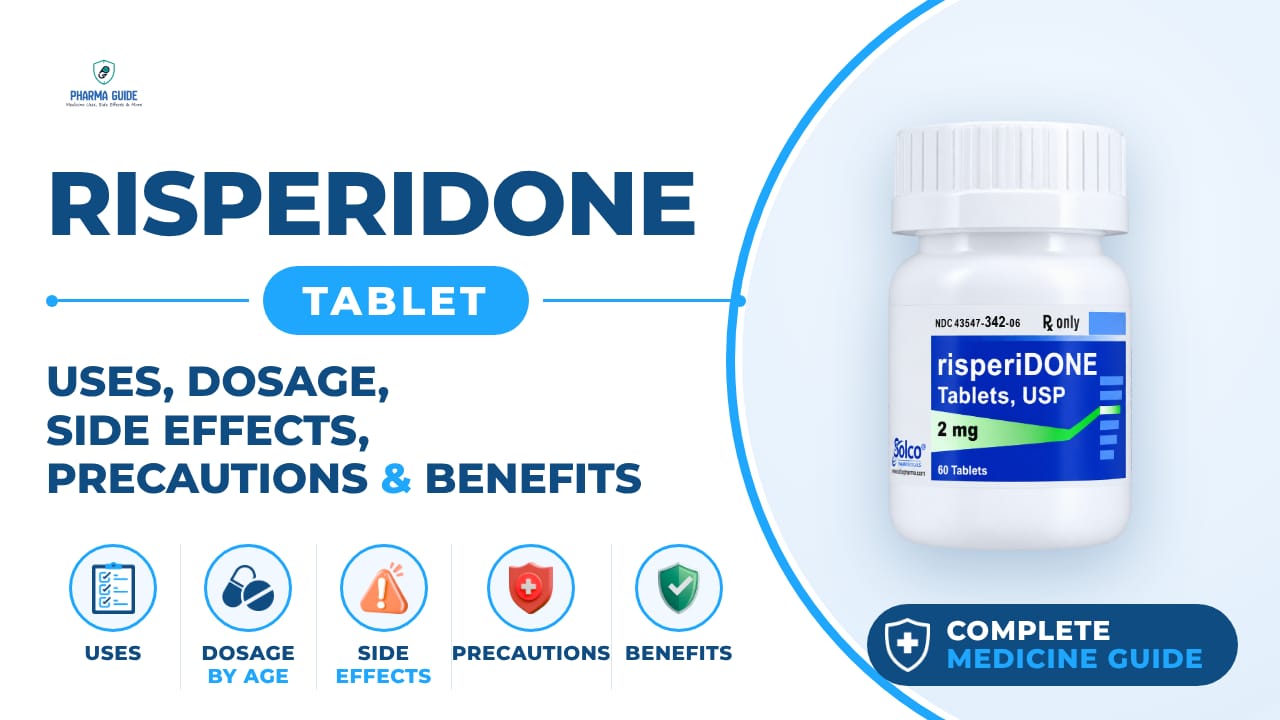
Risperidone Tablet: Uses, Dosage, Side Effects, Precautions and Alternates
| Generic name | risperidone |
|---|---|
| Drug class | Atypical antipsychotic |
| Forms | Tablet, Orally disintegrating tablet, Oral solution (liquid), Long-acting injection (for schizophrenia) |
Quick overview
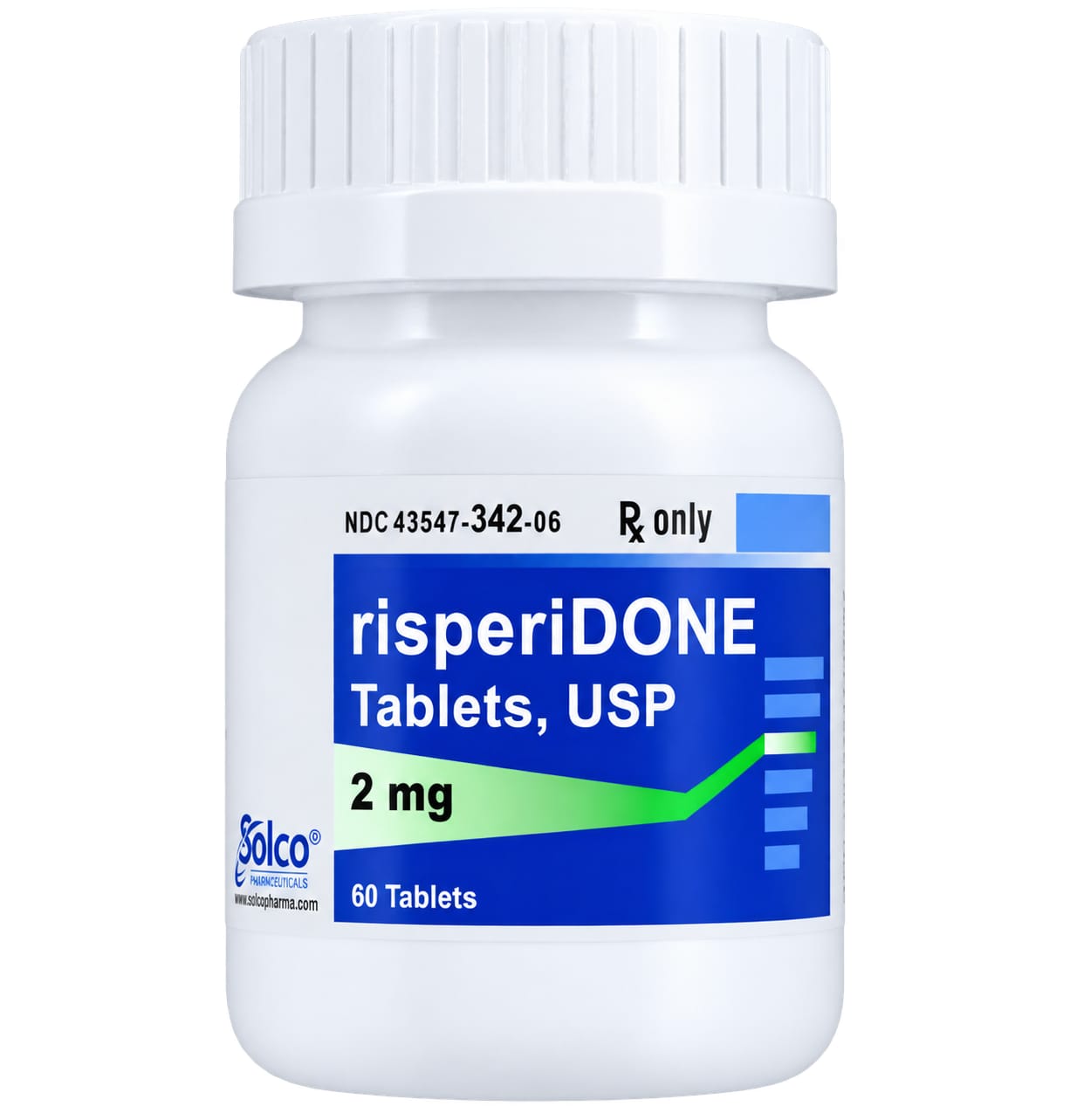
Risperidone Tablet (generic name: risperidone) is a prescription atypical antipsychotic medicine. It works by changing the activity of certain natural substances in the brain and does not cure the underlying condition, but it can help control symptoms. It is used for schizophrenia, bipolar disorder manic episodes, irritability associated with autistic disorder, and aggressive or agitated behavior in adults with Alzheimer's disease.
What is Risperidone Tablet
Risperidone is a prescription antipsychotic medicine. It works by changing the activity of certain natural substances in the brain and does not cure the underlying condition, but it can help control symptoms.
Risperidone Tablet uses
- Schizophrenia in adults and children 13 years and older
- Bipolar disorder (manic episodes), including the mania symptoms in adults and children 10 years and older
- Irritability associated with autistic disorder in children 5 years and older, including aggression, temper tantrums, and mood changes
- Aggressive or agitated behavior in adults with Alzheimer's disease (per NHS source)
Benefits of Risperidone Tablet
- Helps control symptoms of schizophrenia such as unusual thoughts, hearing or seeing things that are not there, or suspiciousness
- Helps control mood swings in bipolar disorder
- Reduces irritability, aggression, and temper tantrums in children with autistic disorder
- Psychosis Symptom Control: Helps reduce hallucinations, delusions, and disorganized thinking
- Schizophrenia Management: Helps improve symptoms and daily functioning
How Risperidone Tablet works
Risperidone works by changing the activity of certain natural brain chemicals, including dopamine and serotonin, which helps reduce symptoms of these mental health conditions.
Risperidone Tablet dosage
You may take this medicine with or without food. Take it at around the same time each day.
If using the oral liquid, measure the dose with the provided measuring device, and take it directly or mix it with water, coffee, orange juice, or low-fat milk. Do not mix with cola or tea.
If using the orally disintegrating tablet, remove it from the package with dry hands right before taking it, place it on your tongue to dissolve, and swallow with or without liquid. Do not split, chew, or crush this tablet. Do not push the disintegrating tablet through the foil packaging; instead peel back the foil.
Your doctor will likely start you on a low dose and gradually increase it to let your body adjust. It may take several weeks or longer before you feel the full benefit, so continue taking it even if you feel well, unless your doctor tells you to stop. Do not stop taking this medicine suddenly without talking to your doctor; your dose may need to be reduced gradually.
If you miss a dose, take it as soon as you remember, but skip it if it is almost time for your next dose. Do not take a double dose.
| Age group | Dose |
|---|---|
| Under 5 Years | Use only if prescribed by a specialist |
| 5–17 Years | Initial dose: 0.25–0.5 mg/day; adjusted based on condition and response |
| Adults (18–64 Years) | Initial dose: 1–2 mg/day; usual range 2–6 mg/day depending on condition |
| Older Adults (65+ Years) | Lower starting dose: 0.25–0.5 mg/day; adjusted based on response |
Available forms and strengths
- Tablet
- Orally disintegrating tablet
- Oral solution (liquid)
- Long-acting injection (for schizophrenia)
Side effects of Risperidone Tablet
Common
- Nausea, heartburn, stomach pain, vomiting, diarrhea, constipation
- Dry mouth
- Increased saliva
- Increased appetite and weight gain
- Anxiety, agitation, restlessness
- Breast enlargement or discharge
- Late or missed menstrual periods
- Decreased sexual ability
- Dizziness, feeling unsteady, or trouble keeping balance
- Headache
- Blurred vision, rash
- Drowsiness, tired feeling
- Tremors, twitching or uncontrollable muscle movements, numbness
- Depressed mood
- Back pain, muscle or joint pain, pain in arms or legs
- Increased dream activity, increased length of sleep
- Stuffy or runny nose, sore throat
Serious
- Fever, stiff muscles, sweating, confusion, fast or irregular heartbeat (possible neuroleptic malignant syndrome)
- Problems with coordination or increased falls
- Unusual movements of the face, tongue, or body that cannot be controlled (tardive dyskinesia)
- Tightening of the neck muscles or throat tightness, difficulty swallowing
- Seizures
- Rash, itching, hives, swelling of the face, throat, lips, and eyes; difficulty swallowing or breathing (allergic reaction)
- Painful erection of the penis lasting for hours (priapism)
- Fever, cough, chills, and other signs of infection
- Signs of high blood sugar: increased thirst, increased urination, extreme hunger, blurred vision, weakness
- Signs of low white blood cells: sudden weakness, fever, chills, sore throat, mouth sores, cold or flu symptoms, trouble breathing
- Signs of low platelets: easy bruising, unusual bleeding, purple or red pinpoint spots under the skin
- Severe skin reaction: fever, sore throat, burning eyes, skin pain, red or purple rash with blistering and peeling
- Fast, pounding, or irregular heartbeats; low blood pressure; fainting; shortness of breath
Warnings and precautions
- Older adults with dementia who take antipsychotic medicines like this one may have an increased risk of death, and a greater chance of stroke or mini-stroke. This medicine is not approved for treating behavior problems in people with dementia.
- This medicine can cause a serious, life-threatening condition called neuroleptic malignant syndrome, with symptoms like seizures, breathing trouble, fast heartbeat, high fever, high or low blood pressure, sweating, loss of bladder control, severe muscle stiffness, unusually pale skin, or tiredness.
- This medicine may cause a movement disorder called tardive dyskinesia, which may not go away even after stopping the medicine. The risk increases the longer you take it, especially in women and older adults.
- This medicine may temporarily lower white blood cell counts, raising your risk of infection. Avoid people with infections when possible and tell your doctor right away about fever, chills, cough, or painful urination.
- This medicine can raise blood sugar levels, even in people without diabetes, which can lead to a serious condition called ketoacidosis if untreated.
- This medicine may make it harder for your body to regulate its temperature, increasing the risk of overheating or becoming too cold.
- Do not stop taking this medicine suddenly without checking with your doctor, since your dose may need to be reduced gradually to prevent side effects or worsening of your condition.
- Taking this medicine during the last three months of pregnancy may cause problems in the newborn, such as withdrawal symptoms, breathing problems, feeding problems, tremors, or stiff or limp muscles. Do not stop taking it during pregnancy without talking to your doctor, since stopping could cause other problems. Your name may be added to a registry that tracks effects on the baby.
- This medicine can pass into breast milk and may cause side effects in the baby, such as drowsiness, tremors, or unusual muscle movements. Tell your doctor if you notice these symptoms in your baby while breastfeeding.
- People with moderate to severe kidney disease should use this medicine with caution, as effects may be increased.
- People with liver disease should use this medicine with caution, since it may not be removed from the body as quickly, increasing its effects.
- Avoid drinking alcohol while taking this medicine, since it can add to drowsiness and other side effects and may cause dangerous effects.
- This medicine may make you drowsy and affect your ability to think clearly or react quickly, so avoid driving or operating machinery until you know how it affects you.
Storage
- Store the medicine in a closed container at room temperature, away from heat, moisture, and direct light.
- Keep from freezing.
- Keep out of the reach of children.
- Do not keep outdated medicine or medicine no longer needed.
- Ask your healthcare professional how you should dispose of any medicine you do not use.
- Always store the orally disintegrating tablets in their sealed package, and use them immediately after opening the package.
- Dispose of unneeded medications so pets, children, and other people cannot take them. Do not flush this medication down the toilet; use a medicine take-back program.
When to see a doctor
- Get emergency help if you have signs of a severe allergic reaction, such as hives, difficulty breathing, or swelling of your face, lips, tongue, or throat.
- Call your doctor immediately if you have uncontrolled muscle movements of the face or body, breast swelling, unusual heartbeat, trouble breathing, sudden dizziness, a seizure, trouble swallowing, or signs of infection.
- Stop taking risperidone immediately and get urgent medical help if you have a severe nervous system reaction with very stiff muscles, high fever, sweating, confusion, fast or uneven heartbeats, tremors, or feeling like you might pass out.
- Seek emergency care in case of overdose, especially if the person has collapsed, had a seizure, has trouble breathing, or cannot be woken up.
- Call your doctor right away if you have a penis erection that is painful or lasts four hours or longer.
Alternatives
- Aripiprazole
- Olanzapine
- Ziprasidone
Watch the video
FAQs
What is Risperidone Tablet used for?
It is used for schizophrenia, bipolar disorder manic episodes, irritability associated with autistic disorder, and aggressive or agitated behavior in adults with Alzheimer's disease.
How should I take Risperidone Tablet?
Take it with or without food at around the same time each day. Orally disintegrating tablets should be placed on the tongue to dissolve and not split, chewed, or crushed.
What are the common side effects of Risperidone Tablet?
Common side effects include nausea, dry mouth, increased appetite and weight gain, dizziness, headache, drowsiness, tremors, and blurred vision.
What are the serious risks of Risperidone Tablet?
Serious risks include neuroleptic malignant syndrome, tardive dyskinesia, seizures, high blood sugar, low white blood cells or platelets, and severe allergic or skin reactions.
Can I stop taking Risperidone Tablet suddenly?
No, you should not stop taking it suddenly without talking to your doctor, since your dose may need to be reduced gradually.
General information, not medical advice
Your prescriber and the leaflet in your pack know your situation. This page does not.
- Follow your prescriber and the leaflet
- Don't start, stop, or change a dose on your own
- Doses and warnings differ by country and product
Sources
Video
Related medicines
Latuda Tablet: Uses, Dosage, Side Effects, Precautions and Alternates
atypical antipsychotic
Latuda Tablet (lurasidone) treats bipolar depression and schizophrenia. Learn about dosage, benefits, side effects, warnings, and precautions before use.
Seroquel XR Tablet: Uses, Dosage, Side Effects, Precautions and Alternates
Atypical antipsychotic
Seroquel XR Tablet (quetiapine) treats schizophrenia, bipolar disorder, and depression. Learn about dosage, benefits, side effects, and key safety warnings.