
Safety
General information, not medical advice
Your prescriber and the leaflet in your pack know your situation. This page does not.
- Follow your prescriber and the leaflet
- Don't start, stop, or change a dose on your own
- Doses and warnings differ by country and product
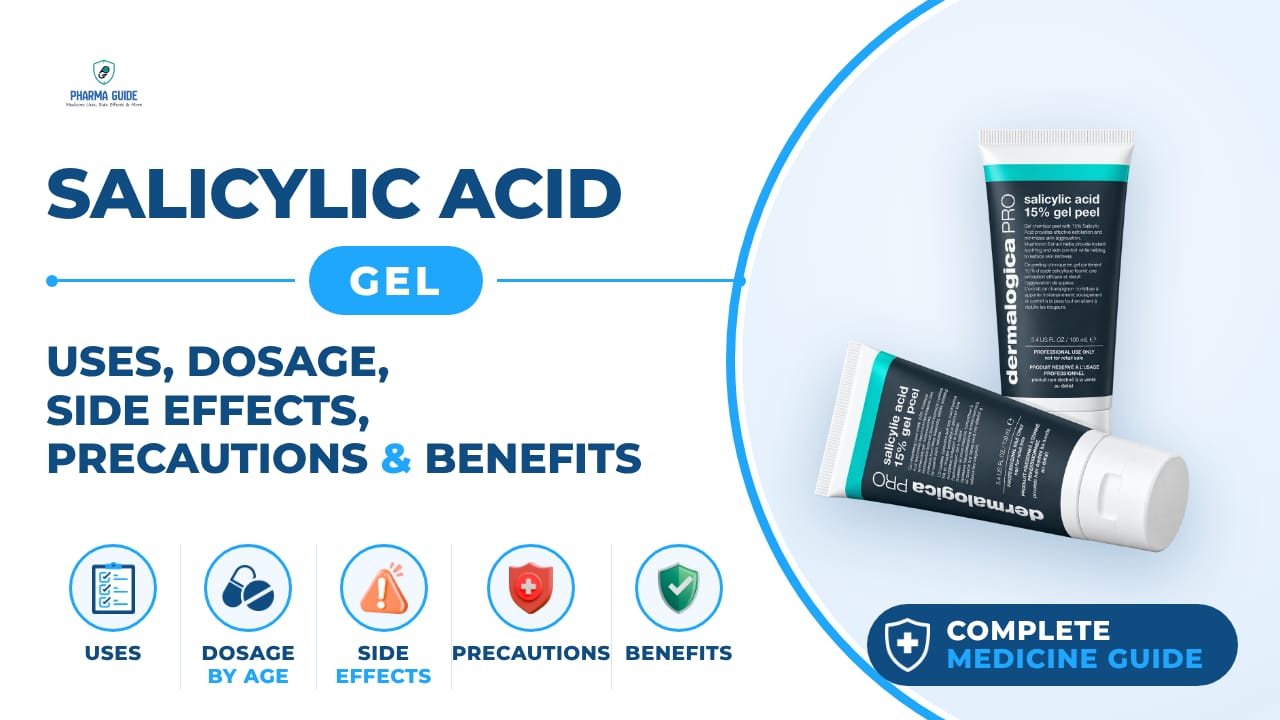
Salicylic Acid Gel: Uses, Dosage, Side Effects, Precautions and Alternates
| Generic name | Salicylic acid |
|---|---|
| Drug class | Keratolytic agent (beta-hydroxy acid) |
| Forms | gel, cloth (pad or wipe), cream, lotion, liquid, ointment, shampoo, wipe, pad, patch, soap, solution |
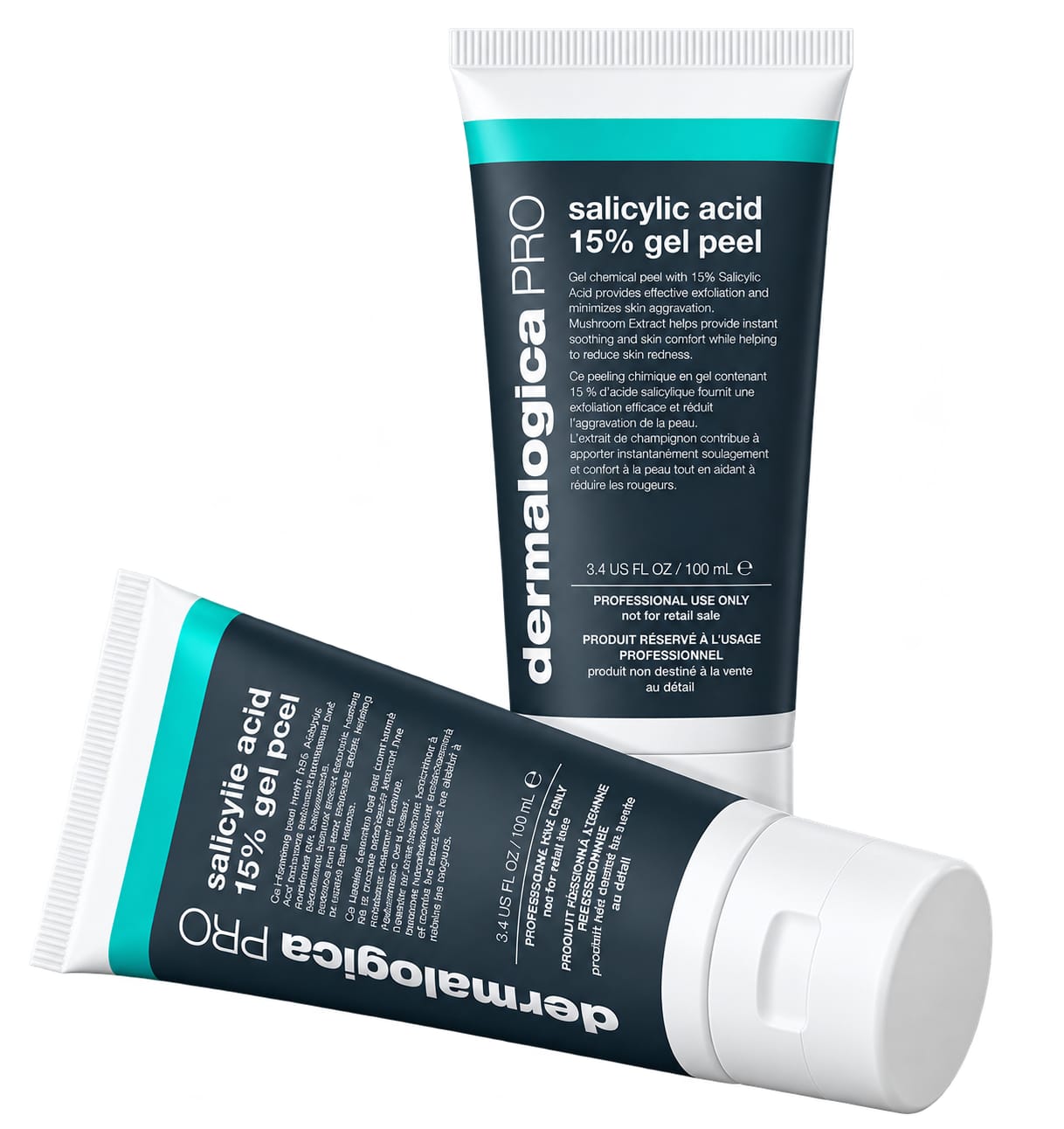
Quick overview
Salicylic Acid Gel is a topical keratolytic medicine applied to the skin to remove excess keratin and treat conditions involving scaling, thickened skin, or clogged pores. It is used for acne, psoriasis, ichthyoses, dandruff, corns, calluses, and warts. The gel works by helping the skin exfoliate and shed its outer layer, and it should be used exactly as directed on the product label or by a doctor.
What is Salicylic Acid Gel
Salicylic Acid Gel is a topical medicine applied to the skin. It belongs to the keratolytic agent class (beta-hydroxy acid). It is used to remove excess keratin and treat skin conditions that involve scaling, thickened skin, or clogged pores.
Salicylic Acid Gel uses
- Helps clear and prevent pimples and skin blemishes in people with acne
- Treats skin conditions with scaling or overgrowth of skin cells, such as psoriasis
- Treats ichthyoses (conditions causing dry, scaly skin)
- Treats dandruff
- Treats corns and calluses
- Treats warts on the hands or feet
- Removes excess keratin in hyperkeratotic disorders, including scaling from psoriasis or thickened skin of palms and soles
Benefits of Salicylic Acid Gel
- Exfoliates the skin and helps clear clogged pores
- Can help prevent future acne breakouts
- Softens and loosens dry, scaly, or thickened skin so it can be removed more easily
- Exfoliation: Removes dead skin cells from the skin surface
- Pore Cleansing: Helps clear excess oil and debris from pores
How Salicylic Acid Gel works
Salicylic acid penetrates the skin and helps exfoliate and dissolve the dead skin cells that clog pores. For other skin conditions, it works by causing the top layer of skin to shed, without harming the healthy skin underneath. It also reduces swelling and redness and unplugs blocked pores.
Salicylic Acid Gel dosage
Follow the directions on the package label or your prescription label carefully, and ask your doctor or pharmacist to explain any part you do not understand. Use it exactly as directed; do not use more, less, or more often than directed.
If treating acne, your skin may become dry or irritated at first; you may need to apply it less often at first and increase frequency gradually as your skin adjusts. If your skin becomes dry or irritated at any time, you may need to apply it less often.
Before using it for the first time, apply a small amount to one or two small treatment areas for three days to check for a reaction before treating the whole area. Do not swallow this medicine, and avoid getting it in your eyes, nose, or mouth; if this happens, flush the area with water for 15 minutes.
Do not apply it to skin that is broken, red, swollen, irritated, or infected. Only apply it to the areas of skin affected by your condition; do not treat large areas of the body unless your doctor tells you to. Do not cover the treated skin with a bandage or dressing unless your doctor tells you to.
It may take several weeks or longer to see the full benefit, and your skin condition may seem to worsen during the first few days as it adjusts. Read the product package label carefully for specific instructions on preparing your skin and applying the medication.
If you forget a dose, apply it as soon as you remember, but skip it if it is almost time for your next dose; do not apply extra to make up for a missed dose.
For the gel form, it may be applied to the affected area and the area covered overnight, with the skin hydrated for at least five minutes before application; the medication is then washed off in the morning. If the treated area is not the hands, hands should be rinsed thoroughly after application.
| Age group | Dose |
|---|---|
| Under 12 Years | Use only if recommended by a healthcare professional |
| 12–17 Years | Apply a thin layer as directed, depending on product strength |
| Adults (18–64 Years) | Apply a thin layer to affected skin 1–2 times daily, according to product instructions |
| Older Adults (65+ Years) | Apply as directed; use cautiously on sensitive or thin skin |
Available forms and strengths
- Gel
- Cloth (pad or wipe)
- Cream
- Lotion
- Liquid
- Ointment
- Shampoo
- Wipe
- Pad
- Patch
- Soap
- Solution
Side effects of Salicylic Acid Gel
Common
- Skin irritation, especially when first starting
- Dryness
- Skin tingling or stinging
- Itching
- Peeling skin
- Hives
- Mild burning or stinging
- Increased peeling as the medicine loosens excess skin
Serious
- Confusion
- Dizziness
- Extreme tiredness or weakness
- Headache
- Fast or deep breathing
- Ringing or buzzing in the ears
- Hearing loss
- Nausea
- Vomiting
- Diarrhea
- Throat tightness
- Difficulty breathing
- Feeling faint
- Swelling of the eyes, face, lips, or tongue
Warnings and precautions
- Avoid contact with the eyes, lips, broken or inflamed skin, and all mucous membranes.
- Using this medicine over large areas of skin for a long time, especially in children and people with significant kidney or liver problems, could cause salicylate toxicity (salicylism).
- Children and teenagers with chickenpox or flu should not use salicylic acid products unless a doctor tells them to, because of the risk of Reye's syndrome, a serious condition affecting the brain, liver, and other organs.
- This product is flammable. Keep it away from heat and open flame.
- Do not apply salicylic acid to large areas of the body, use it for long periods, or use it under airtight dressings like plastic wrap, as this increases the risk of toxicity.
- Do not use this product in children under 2 years of age.
- Do not use skin care products that contain alcohol on the skin area being treated with salicylic acid unless your doctor tells you to, as this may cause severe irritation.
- Topical salicylic acid is generally considered safe to use during pregnancy according to one source, but another source classifies it as Pregnancy Category C and notes it has caused birth defects in animal studies, so it should only be used if the benefit justifies the risk to the baby. Tell your doctor if you are pregnant or plan to become pregnant.
- It is not known whether topically applied salicylic acid passes into breast milk. Caution should be used, and it should not be applied to the chest or any area of the body the nursing infant's mouth may contact. A decision should be made whether to stop nursing or stop using the medicine.
- Tell your doctor if you have kidney disease. People with kidney impairment need close monitoring for signs of salicylate toxicity, and treated areas should be limited.
- Tell your doctor if you have liver disease. People with liver impairment need close monitoring for signs of salicylate toxicity, and treated areas should be limited.
Storage
- Keep this medication in the container it came in, tightly closed, and out of reach of children
- Store it at room temperature and away from excess heat and moisture (not in the bathroom)
- Store at controlled room temperature between 59-86°F (15-30°C)
- Dispose of unneeded medication in a way so that pets, children, and other people cannot take them
- Do not flush this medication down the toilet
- Use a medicine take-back program; ask your pharmacist about take-back programs in your community
- Keep all medication out of sight and reach of children and always lock safety caps
When to see a doctor
- Stop using salicylic acid and get emergency medical help right away if you have signs of an allergic reaction, such as hives, itching, throat tightness, difficulty breathing, feeling faint, or swelling of the eyes, face, lips, or tongue.
- Call your doctor immediately if you experience confusion, dizziness, extreme tiredness or weakness, headache, fast breathing, ringing or buzzing in the ears, hearing loss, nausea, vomiting, or diarrhea, as these can be signs of toxicity.
- If someone swallows salicylic acid or applies too much, contact your local poison control center. If the person has collapsed or is not breathing, call emergency services right away.
- If you excessively burn, sting, or peel, stop using the product and consult your doctor.
Alternatives
- Glycolic Acid
- Azelaic Acid
- Benzoyl Peroxide
Watch the video
FAQs
What is Salicylic Acid Gel used for?
It is used to clear and prevent acne, treat scaling skin conditions like psoriasis, ichthyoses, dandruff, corns, calluses, and warts on the hands or feet.
How does Salicylic Acid Gel work?
It penetrates the skin to exfoliate and dissolve dead skin cells that clog pores, and causes the top layer of skin to shed without harming healthy skin underneath, while also reducing swelling and redness.
How should Salicylic Acid Gel be applied?
Apply a thin layer as directed on the package label, starting with a patch test for three days. For gel forms, it may be applied overnight after hydrating the skin for at least five minutes, then washed off in the morning.
What are the common side effects of Salicylic Acid Gel?
Common side effects include skin irritation, dryness, tingling or stinging, itching, peeling skin, and hives, especially when first starting treatment.
Can children use Salicylic Acid Gel?
It should not be used in children under 2 years of age, and children or teenagers with chickenpox or flu should avoid it due to the risk of Reye's syndrome unless a doctor advises otherwise.
General information, not medical advice
Your prescriber and the leaflet in your pack know your situation. This page does not.
- Follow your prescriber and the leaflet
- Don't start, stop, or change a dose on your own
- Doses and warnings differ by country and product
Sources
Video
Related medicines

Injectafer Injection: Uses, Dosage, Side Effects, Precautions and Alternates
Iron products
Injectafer (ferric carboxymaltose) treats iron deficiency anemia and heart failure-related iron deficiency via IV. Learn uses, dosage, side effects, and

Gliclazide Tablet: Uses, Dosage, Side Effects, Precautions and Alternates
Sulfonylurea (hypoglycemic/antidiabetic agent)
Gliclazide Tablet is a sulfonylurea for type 2 diabetes that boosts insulin release. Learn about dosage, side effects, warnings, and precautions.