
Safety
General information, not medical advice
Your prescriber and the leaflet in your pack know your situation. This page does not.
- Follow your prescriber and the leaflet
- Don't start, stop, or change a dose on your own
- Doses and warnings differ by country and product
Seroquel Tablet: Uses, Dosage, Side Effects, Precautions and Alternates
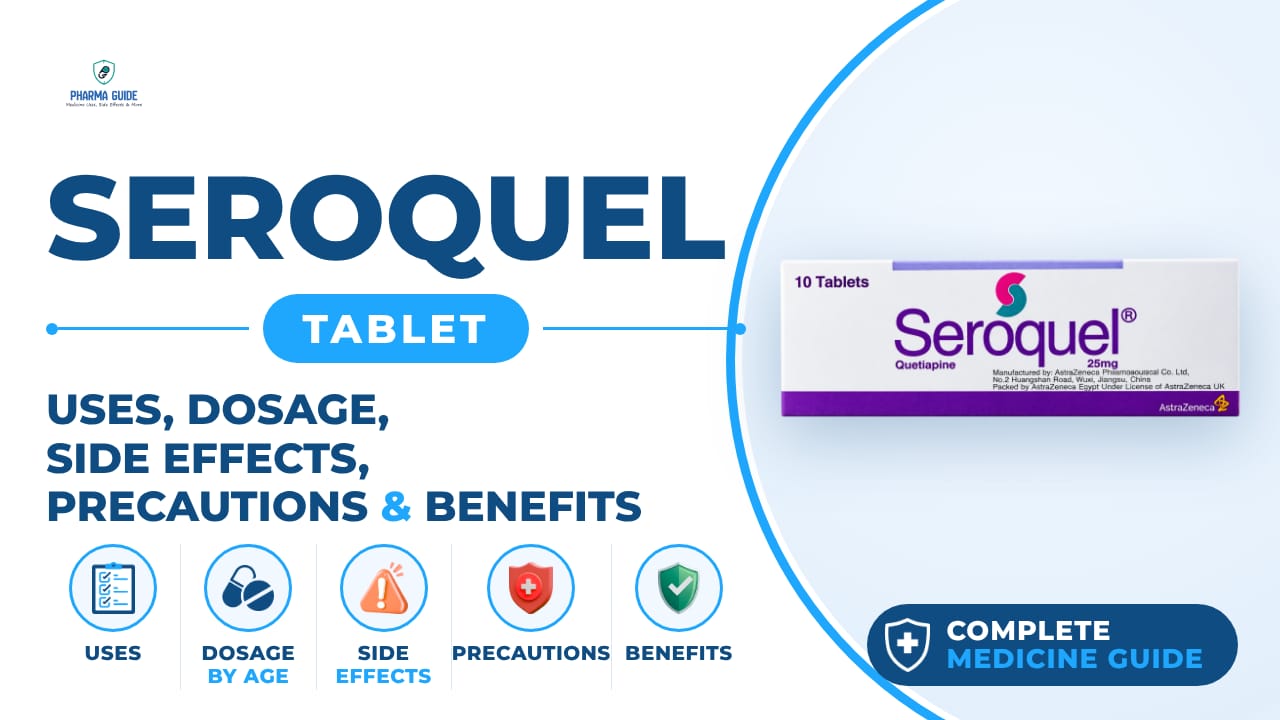
| Generic name | Quetiapine |
|---|---|
| Drug class | Atypical antipsychotic |
| Forms | Oral tablet |
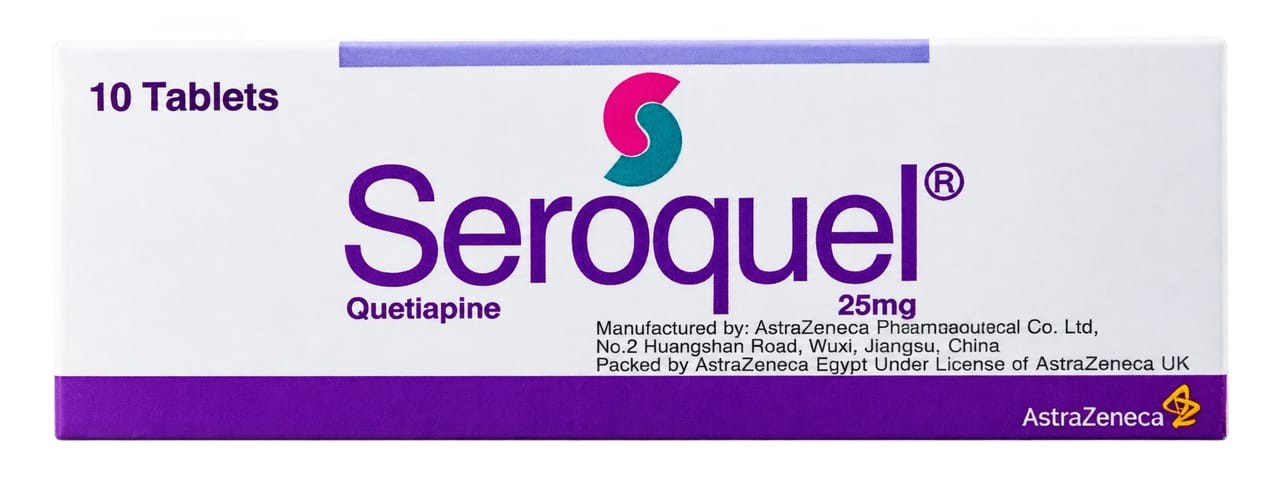
Quick overview
Seroquel Tablet contains the active drug quetiapine and belongs to a group of medicines called atypical antipsychotics. It is used to treat schizophrenia and bipolar disorder in adults and certain children. Seroquel works by changing the activity of certain natural chemical messengers in the brain, and it is taken by mouth as directed by a doctor.
What is Seroquel Tablet
Seroquel is a brand-name oral tablet that contains the active drug quetiapine. It belongs to a group of medicines called atypical antipsychotics, which work by changing the activity of certain natural chemical messengers in the brain.
Seroquel Tablet uses
- Schizophrenia in adults and children ages 13 years and older
- Manic episodes of bipolar I disorder (bipolar mania) in adults and children ages 10 years and older
- Bipolar I disorder maintenance treatment in adults
- Depressive episodes of bipolar I disorder or bipolar II disorder (bipolar depression) in adults
Benefits of Seroquel Tablet
- Clinical trials found Seroquel effective for treating schizophrenia in adults and children
- Seroquel was found to be effective for treating manic episodes, depressive episodes, or both in adults and some children with bipolar disorder
- Seroquel was shown to be an effective maintenance treatment for bipolar I disorder in adults when combined with other therapies
How Seroquel Tablet works
Doctors are not exactly sure how Seroquel works, but it is thought to help by making certain brain chemical messengers, including dopamine and serotonin, more available. This may help correct chemical imbalances in the brain thought to be involved in schizophrenia and bipolar disorder.
Seroquel Tablet dosage
Seroquel tablets are swallowed whole with water and should not be split, chewed, or crushed. You can take Seroquel with or without food. If your doctor tells you to take it once a day, you'll usually take your dose at bedtime; if twice a day, one dose in the morning and one in the evening; if three times a day, one dose in the morning, one in the afternoon, and one at bedtime.
Try to take Seroquel at the same time(s) each day to keep a steady level of the medicine in your body. Avoid drinking grapefruit juice while taking this medicine, as it may affect how the medicine works.
If you miss a dose, take it as soon as possible, but skip it if it's almost time for your next dose — do not double up doses. If you miss taking Seroquel for more than a week, contact your doctor before restarting, as they will likely have you begin again at a lower dose and increase it gradually. Do not stop taking Seroquel suddenly without talking to your doctor first, since stopping abruptly can cause withdrawal symptoms.
| Age group | Dose |
|---|---|
| Under 10 Years | Not recommended unless prescribed by a doctor |
| 10–17 Years | Usually 25–50 mg/day initially; adjusted by doctor |
| Adults (18–64 Years) | Usually 25–100 mg/day initially; maintenance dose varies by condition |
| Older Adults (65+ years) | Usually lower starting dose (25 mg/day); adjusted carefully |
Available forms and strengths
- Oral tablet
Side effects of Seroquel Tablet
Common
- Sleepiness (somnolence)
- Dry mouth
- Dizziness
- Constipation
- Feeling weak (asthenia)
- Abdominal pain
- Sore throat (pharyngitis)
- Weight gain
- Lethargy
- Increased liver enzymes
- Indigestion (dyspepsia)
- Headache
- Unusual dreams or nightmares
- Increased appetite (in children)
- Nausea and vomiting (in children)
- Rapid heartbeat (in children)
Serious
- Orthostatic hypotension (drop in blood pressure on standing), which can cause dizziness, fainting, or falls
- Tardive dyskinesia — uncontrollable movements of the jaw, lips, and tongue
- Neuroleptic malignant syndrome — high fever, rigid muscles, excessive sweating, changes in heart rate or blood pressure, confusion
- Changes in metabolism such as high blood sugar, cholesterol changes, and weight gain
- Blood disorders such as low white blood cell counts (neutropenia)
- Cataracts — blurred vision, halos around lights, faded colors
- Hypothyroidism — lack of energy, weight gain, feeling cold
- Seizures — jerking or shaking, muscle stiffening, feeling dazed or confused
- High prolactin levels — menstrual changes, breast enlargement, erectile dysfunction
- Problems with thinking and movement that can affect driving or operating machinery
- Increased risk of death in older adults with dementia-related psychosis
- Suicidal thoughts and behaviors
- Severe allergic reaction — swelling of face, lips, tongue, or throat and trouble breathing
- Increased blood pressure in children and teens
- Long-lasting, painful erection (priapism)
- Difficulty swallowing
- Severe constipation that could lead to bowel blockage
Warnings and precautions
- Elderly patients with dementia-related psychosis who are treated with antipsychotic drugs like Seroquel have an increased risk of death. Seroquel is not approved for treating psychosis related to dementia in older adults.
- Antidepressant-type medicines including Seroquel can increase the risk of suicidal thoughts and behaviors in children, teenagers, and young adults, especially in the first few months of treatment or after a dose change. Seroquel is not approved for use in children younger than 10 years old.
- Elderly patients with dementia-related psychosis treated with antipsychotic drugs like Seroquel also have an increased risk of stroke or mini-stroke.
- Seroquel can cause a rare but potentially life-threatening reaction called neuroleptic malignant syndrome, with symptoms like high fever, muscle rigidity, and changes in heart rate or blood pressure. It should be managed with immediate discontinuation and close medical monitoring.
- Seroquel can cause metabolic changes including high blood sugar, unhealthy cholesterol changes, and weight gain, so these should be monitored regularly.
- Seroquel can cause tardive dyskinesia, a movement disorder that may not go away even after stopping the medicine.
- Seroquel can cause low blood pressure upon standing, so it should be used cautiously in people with heart or blood vessel disease.
- Children and adolescents taking Seroquel should have their blood pressure checked at the start of treatment and periodically afterward, since increases in blood pressure can occur.
- Seroquel can cause low white blood cell counts. Patients with a history of low white blood cell counts should have frequent blood tests, and the drug should be stopped at the first sign of a decline in the absence of other causes.
- Long-term use of Seroquel has been linked to cataracts, so eye exams are recommended when starting treatment and every six months during long-term treatment.
- Doctors generally recommend not taking Seroquel during pregnancy because there isn't enough information about its risks. Babies exposed to the drug in the third trimester may have movement-related side effects or withdrawal symptoms after birth.
- It isn't known for certain whether Seroquel is safe during breastfeeding. The drug passes into breast milk in small amounts, and it's unclear if this affects a breastfed child.
- Clinical experience with Seroquel in people with kidney problems is limited, so caution and your doctor's guidance are advised.
- If you have liver problems, tell your doctor before starting Seroquel. Your doctor may prescribe a lower starting dose and increase it more slowly to reduce your risk of side effects like liver enzyme increases.
- Doctors typically recommend not drinking alcohol while taking Seroquel because alcohol can increase the risk or severity of side effects like sleepiness and problems with thinking and movement. Alcohol may also worsen symptoms of schizophrenia or bipolar disorder.
- Since Seroquel can impair judgment, thinking, and motor skills, you should be cautious about driving a car or operating machinery until you know how the medicine affects you.
Storage
- Store Seroquel tablets at room temperature, with brief exposure to slightly higher or lower temperatures allowed if needed
- Avoid storing this medication in areas where it could get damp or wet, such as bathrooms
- Keep Seroquel and all medicines out of the reach of children
- If you have unused medication that has passed its expiration date, ask your pharmacist how to safely dispose of it
When to see a doctor
- Call your doctor right away if you notice new or sudden changes in mood or behavior, including new or worsening depression or anxiety, panic attacks, trouble sleeping, feeling agitated, irritable, or aggressive, or thoughts about suicide or hurting yourself.
- Get emergency help right away if you have signs of a severe allergic reaction, such as hives, difficulty breathing, or swelling of your face, lips, tongue, or throat.
- Call your doctor right away if you develop a combination of high fever, severe muscle stiffness, sweating, confusion, or changes in heart rate or blood pressure, as these can be signs of a rare but serious and life-threatening reaction.
- Call your doctor as soon as possible if you have a fever, flu-like symptoms, sore throat, or any other sign of infection, as this could mean a very low white blood cell count.
- Seek urgent medical attention if you think you or someone else has taken too much Seroquel, even if there are no signs of discomfort.
- Tell your doctor immediately if you experience uncontrollable movements of your face or tongue, a long-lasting and painful erection, a seizure, or severe dizziness or drowsiness, as these can be caused by this type of medicine.
Alternatives
- Risperdal
- Geodon
- Rexulti
- Vraylar
Watch the video
FAQs
What is Seroquel Tablet used for?
Seroquel is used to treat schizophrenia in adults and children 13 and older, manic episodes of bipolar I disorder in adults and children 10 and older, bipolar I maintenance treatment in adults, and depressive episodes of bipolar I or II disorder in adults.
How should Seroquel Tablet be taken?
Seroquel tablets should be swallowed whole with water, not split, chewed, or crushed. They can be taken with or without food, at the same time(s) each day, and grapefruit juice should be avoided while taking this medicine.
What are the common side effects of Seroquel Tablet?
Common side effects include sleepiness, dry mouth, dizziness, constipation, weakness, abdominal pain, sore throat, weight gain, lethargy, increased liver enzymes, indigestion, headache, and unusual dreams.
What are the serious risks of taking Seroquel Tablet?
Serious risks include orthostatic hypotension, tardive dyskinesia, neuroleptic malignant syndrome, metabolic changes, low white blood cell counts, cataracts, seizures, suicidal thoughts, and increased risk of death in older adults with dementia-related psychosis.
Can I drink alcohol while taking Seroquel Tablet?
Doctors typically recommend avoiding alcohol while taking Seroquel because it can increase the risk or severity of side effects like sleepiness and problems with thinking and movement, and may worsen symptoms of schizophrenia or bipolar disorder.
General information, not medical advice
Your prescriber and the leaflet in your pack know your situation. This page does not.
- Follow your prescriber and the leaflet
- Don't start, stop, or change a dose on your own
- Doses and warnings differ by country and product
Sources
- Medical News Today: Seroquel (quetiapine) — https://www.medicalnewstoday.com/articles/drugs-seroquel#precautions
- FDA Seroquel Prescribing Information and Medication Guide
- Australian Commission on Safety and Quality in Health Care: Seroquel XR Medicine Finder — https://www.safetyandquality.gov.au/medicine-finder/seroquel-xr-modified-release-tablets
- Seroquel XR Package Leaflet (EU)
- Drugs.com: Seroquel — https://www.drugs.com/seroquel.html
Video
Related medicines
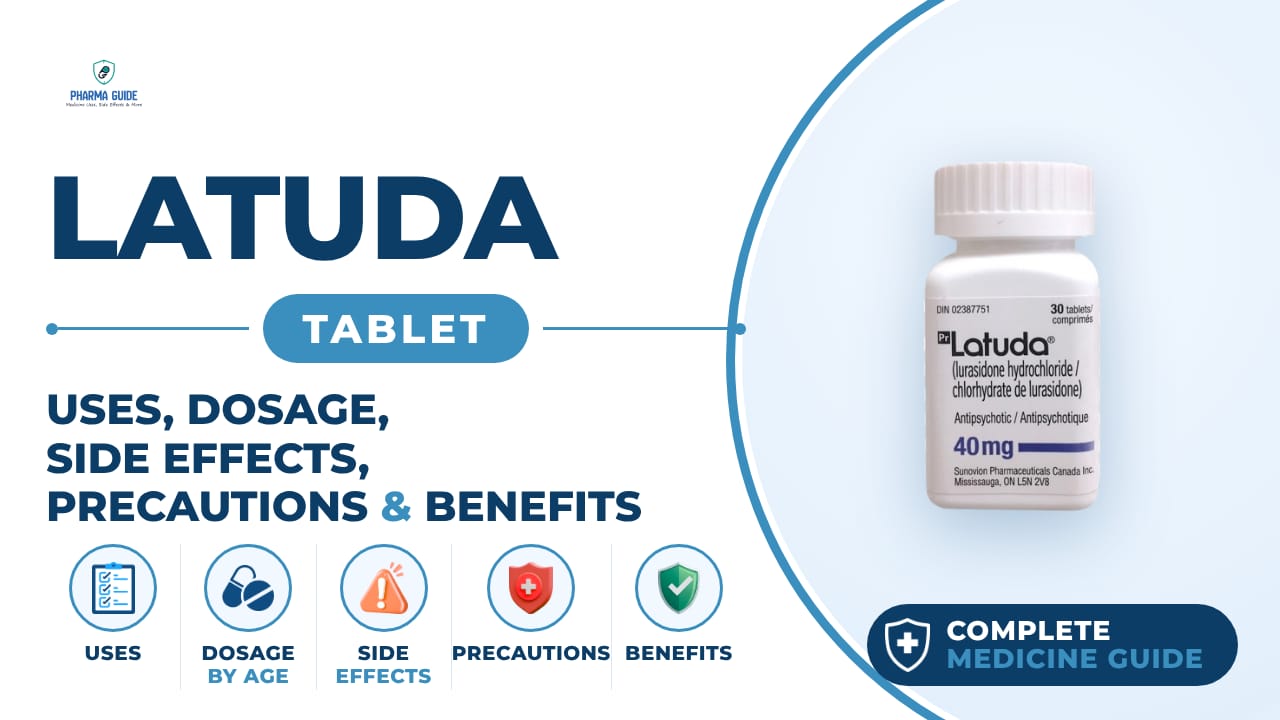
Latuda Tablet: Uses, Dosage, Side Effects, Precautions and Alternates
atypical antipsychotic
Latuda Tablet (lurasidone) treats bipolar depression and schizophrenia. Learn about dosage, benefits, side effects, warnings, and precautions before use.
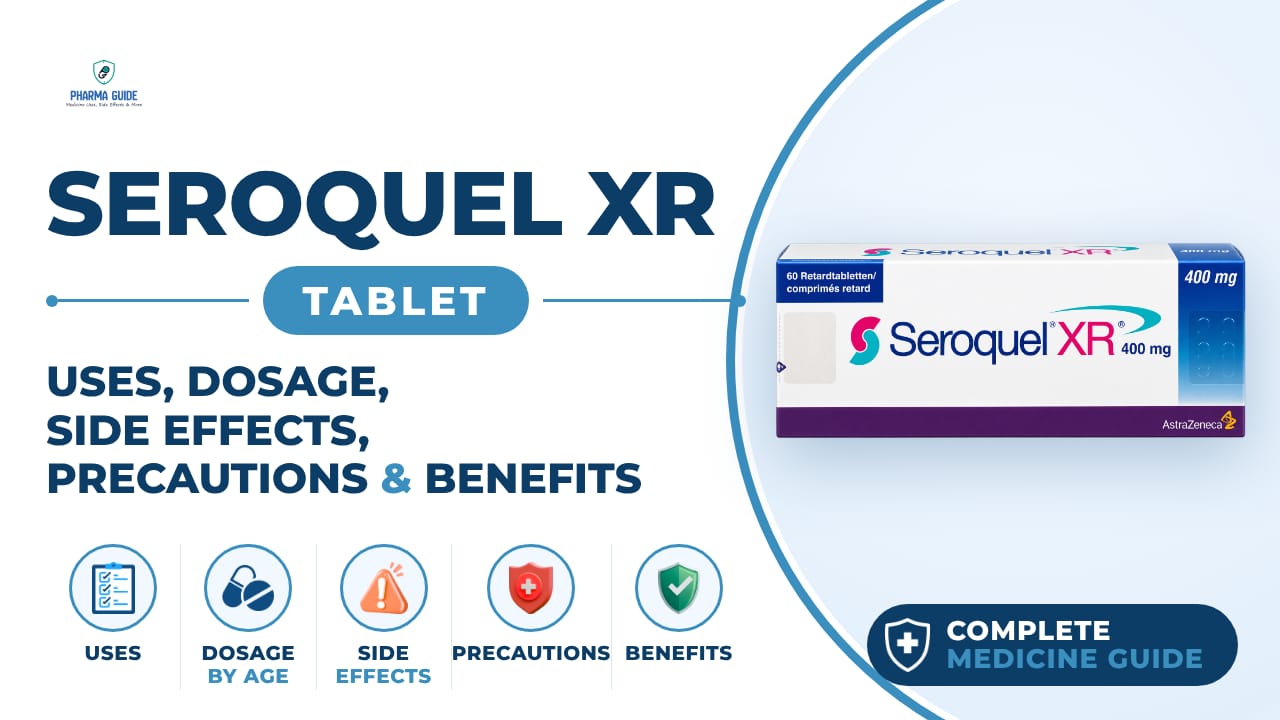
Seroquel XR Tablet: Uses, Dosage, Side Effects, Precautions and Alternates
Atypical antipsychotic
Seroquel XR Tablet (quetiapine) treats schizophrenia, bipolar disorder, and depression. Learn about dosage, benefits, side effects, and key safety warnings.