
Safety
General information, not medical advice
Your prescriber and the leaflet in your pack know your situation. This page does not.
- Follow your prescriber and the leaflet
- Don't start, stop, or change a dose on your own
- Doses and warnings differ by country and product
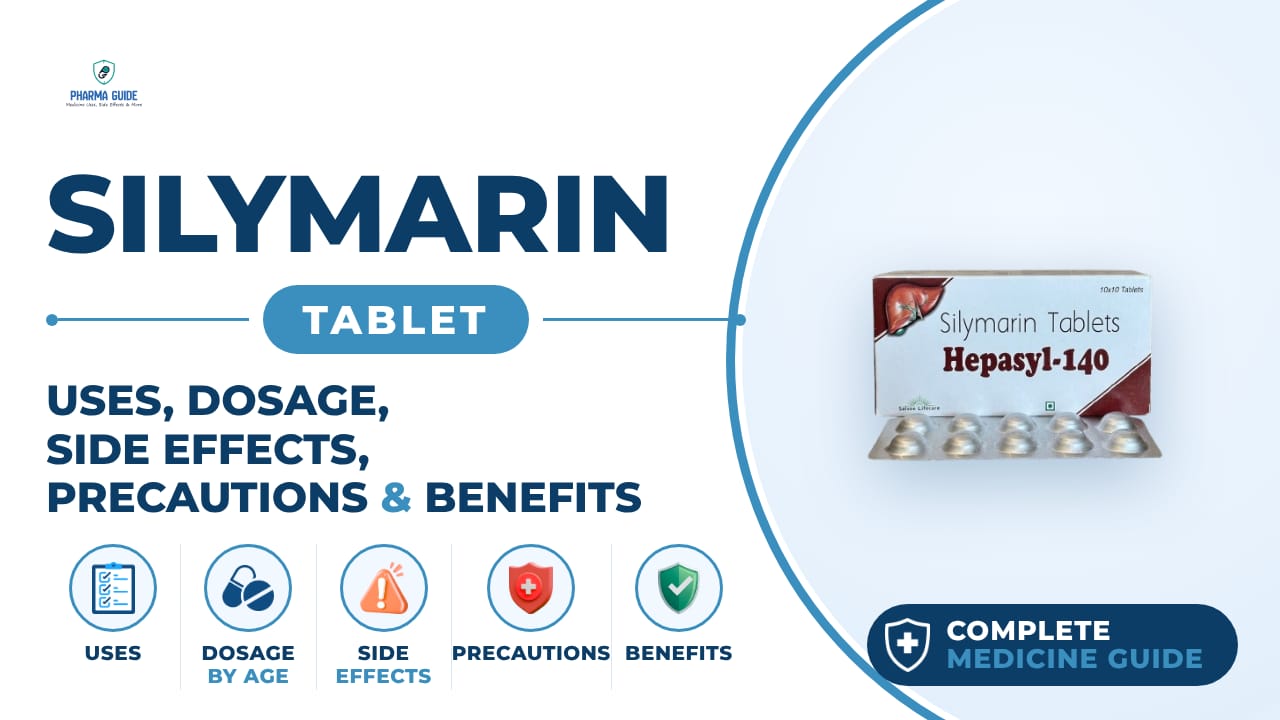
Silymarin Tablet: Uses, Dosage, Side Effects, Precautions and Alternates
| Generic name | Silybum marianum extract (milk thistle extract) |
|---|---|
| Drug class | Herbal hepatoprotective agent / antioxidant |
| Forms | Tablet, Capsule, Syrup, Liquid extract, Powder, Tincture |
Quick overview
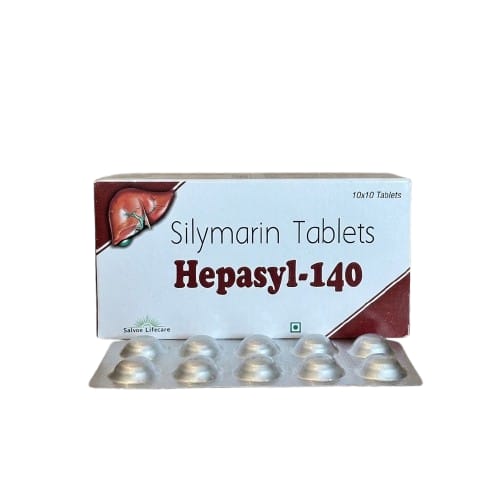
Silymarin Tablet (Silybum marianum extract, also known as milk thistle extract) is an herbal hepatoprotective agent and antioxidant. It is a natural compound extracted from milk thistle seeds, containing active substances—mainly silybin—that are well known for protecting and supporting the liver. It is used in supplements and medicines aimed at improving liver health.
What is Silymarin Tablet
Silymarin is a natural compound extracted from the seeds of the milk thistle plant. It contains a mix of active substances, mainly silybin, that are well known for protecting and supporting the liver. It is used in supplements and medicines aimed at improving liver health.
Silymarin Tablet uses
- Supports liver health and detoxification
- Helps manage chronic liver diseases such as hepatitis, cirrhosis, and fatty liver disease
- Protects liver cells from damage caused by alcohol, toxins, chemicals, and certain medications
- Helps treat liver dysfunction with symptoms like fatigue, poor appetite, indigestion, skin rashes, and itching
- May support gallbladder function
- May help with skin health, blood sugar management, and cholesterol levels
Benefits of Silymarin Tablet
- Protects liver cells from damage
- Reduces inflammation and oxidative stress
- Improves liver enzyme levels
- Supports digestion and bile production
- May help manage cholesterol levels
How Silymarin Tablet works
Silymarin protects liver cells by strengthening their outer membranes so toxins have a harder time getting in. It acts as a strong antioxidant, neutralizing harmful free radicals and reducing stress on liver cells. It also helps reduce inflammation, supports the repair and regrowth of liver cells, and helps prevent scar tissue (fibrosis) from forming in the liver.
Silymarin Tablet dosage
Take with a full glass of water, either before or during meals, unless your doctor tells you otherwise. Taking it with food, especially food containing some fat, may help your body absorb it better. Follow your doctor's instructions carefully; do not take more or less than the prescribed amount and do not stop taking it without your doctor's approval. If you miss a dose, take it as soon as you remember, but skip it if it is almost time for your next dose — do not take two doses at once. This medicine is not recommended for children under 12 years old.
| Age group | Dose |
|---|---|
| Under 18 years | Not recommended |
| 18–60 years | 140 mg, 3 times/day |
| 60+ years | 140 mg, 3 times/day |
Available forms and strengths
- Tablet
- Capsule
- Syrup
- Liquid extract
- Powder
- Tincture
Side effects of Silymarin Tablet
Common
- Nausea, vomiting, loss of appetite, indigestion, bloating, stomach discomfort, or diarrhea
- Headaches or dizziness
- Fatigue
- Mild skin reactions such as rash or itching
- Joint or back pain (rare)
Serious
- Signs of an allergic reaction
- Jaundice (yellowing of skin or eyes)
- Severe or long-lasting stomach pain or diarrhea
Warnings and precautions
- Do not use silymarin if you are allergic to it, or to plants like ragweed or daisies, or if you have severe bile duct problems, advanced liver failure, or diabetes; it is also not recommended for children under 12.
- Silymarin may lower blood sugar, so people with diabetes or low blood sugar should keep an eye on their levels.
- Silymarin may interact with certain medicines, including some antibiotics, blood thinners, NSAID pain relievers, statins, levodopa, and metronidazole, as well as medicines for mental health conditions, stroke, or anesthesia.
- Be cautious if you have allergies to ragweed or daisies, inflammation of the gallbladder or bile ducts, or narrowing/blockage of the bile ducts.
- Pregnant women should talk to their doctor before using silymarin, since there isn't enough information to confirm it's safe during pregnancy.
- Breastfeeding mothers should check with their doctor before using silymarin, since safety during breastfeeding has not been clearly established.
- People with kidney problems, especially older adults, should be monitored while taking silymarin, and the dose may need to be lowered.
- People with severe bile duct problems or advanced liver failure should not take this medicine, and those with existing liver disease should consult their doctor first.
- Avoid alcohol while taking silymarin, as it could add further strain on the liver.
Storage
- Keep the medication out of reach of children
- Store it in its original packaging and keep it away from direct sunlight
- Keep the medication at room temperature, below 30°C
- Do not use the medication after the expiration date printed on the packaging
When to see a doctor
- Stop using the medicine and tell your doctor or pharmacist if you have stomach pain or diarrhea, or signs of an allergic reaction.
- Tell your doctor if you notice yellowing of the skin or eyes (jaundice).
- Contact your doctor if your symptoms don't improve after a month of treatment.
Alternatives
- Hepaslim
- Legalon
- Silybin
Watch the video
FAQs
What is Silymarin Tablet used for?
Silymarin Tablet supports liver health and detoxification, helps manage chronic liver diseases like hepatitis, cirrhosis, and fatty liver disease, protects liver cells from damage caused by alcohol, toxins, and certain medications, and may support gallbladder function, skin health, blood sugar management, and cholesterol levels.
How does Silymarin Tablet work?
Silymarin protects liver cells by strengthening their outer membranes to block toxins, acts as an antioxidant to neutralize free radicals, reduces inflammation, supports liver cell repair and regrowth, and helps prevent scar tissue (fibrosis) from forming in the liver.
What is the dosage of Silymarin Tablet?
For adults aged 18 to 60 years and those over 60, the recommended dose is 140 mg, 3 times a day. It is not recommended for children under 18 years old.
What are the side effects of Silymarin Tablet?
Common side effects include nausea, vomiting, loss of appetite, indigestion, bloating, stomach discomfort, diarrhea, headaches, dizziness, fatigue, and mild skin reactions. Serious side effects include allergic reactions, jaundice, and severe or long-lasting stomach pain or diarrhea.
Who should avoid taking Silymarin Tablet?
Silymarin should be avoided by people allergic to it or to plants like ragweed or daisies, those with severe bile duct problems, advanced liver failure, or diabetes, and children under 12 years old.
General information, not medical advice
Your prescriber and the leaflet in your pack know your situation. This page does not.
- Follow your prescriber and the leaflet
- Don't start, stop, or change a dose on your own
- Doses and warnings differ by country and product
Sources
Video
Related medicines

Injectafer Injection: Uses, Dosage, Side Effects, Precautions and Alternates
Iron products
Injectafer (ferric carboxymaltose) treats iron deficiency anemia and heart failure-related iron deficiency via IV. Learn uses, dosage, side effects, and

Gliclazide Tablet: Uses, Dosage, Side Effects, Precautions and Alternates
Sulfonylurea (hypoglycemic/antidiabetic agent)
Gliclazide Tablet is a sulfonylurea for type 2 diabetes that boosts insulin release. Learn about dosage, side effects, warnings, and precautions.