
Safety
General information, not medical advice
Your prescriber and the leaflet in your pack know your situation. This page does not.
- Follow your prescriber and the leaflet
- Don't start, stop, or change a dose on your own
- Doses and warnings differ by country and product
Sonata Capsule: Uses, Dosage, Side Effects, Precautions and Alternates
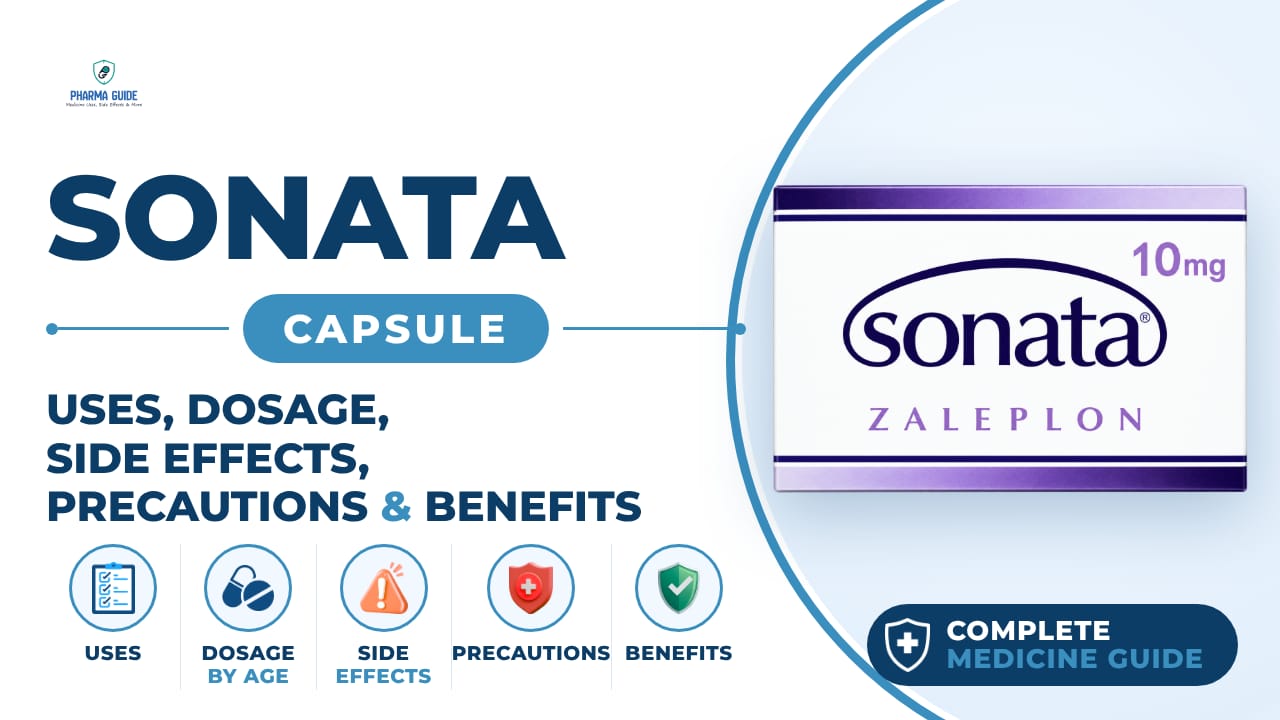
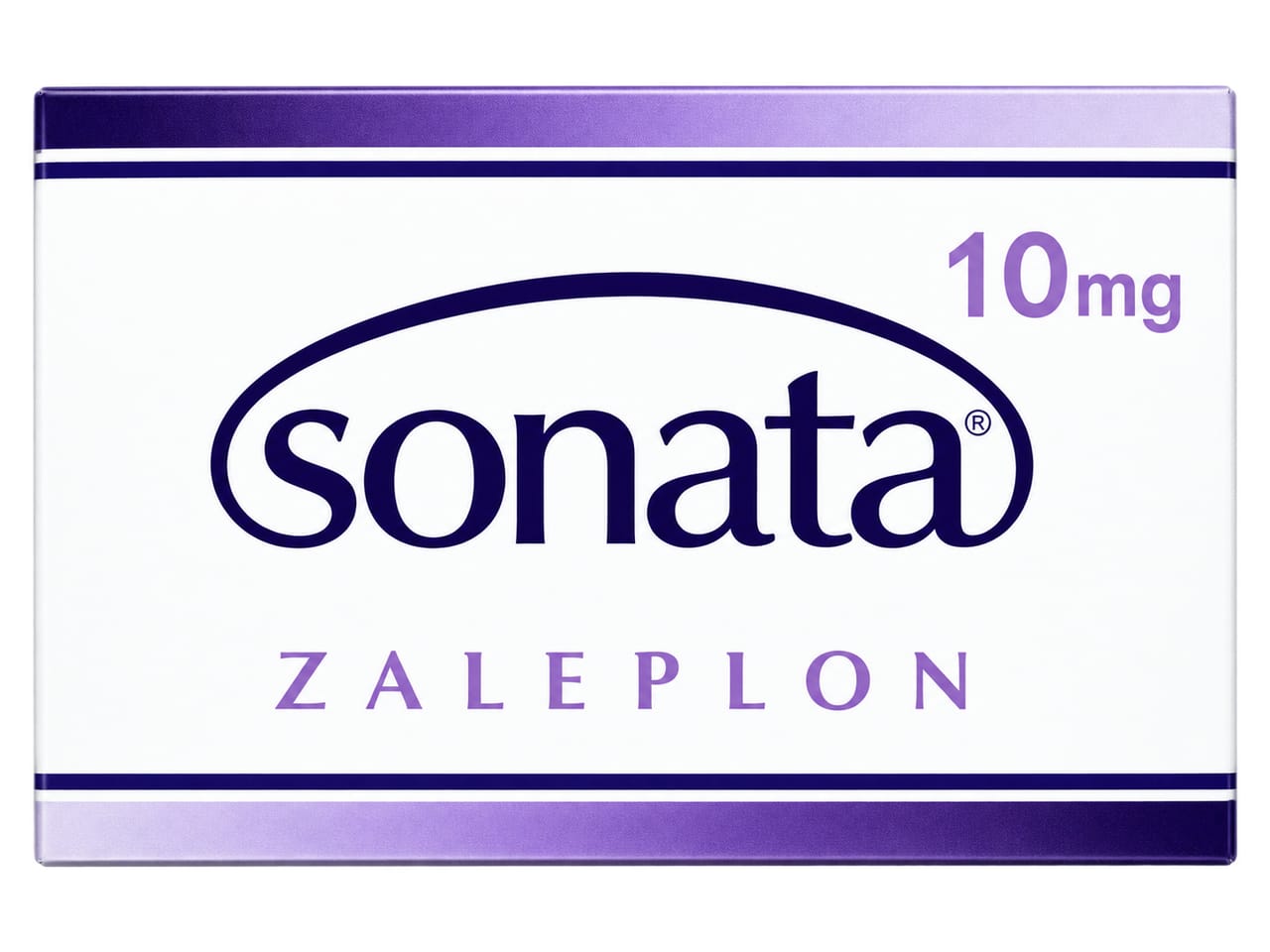
| Generic name | zaleplon |
|---|---|
| Drug class | Sedative/hypnotic (miscellaneous anxiolytics, sedatives and hypnotics) |
| Forms | Capsule (5 mg and 10 mg) |
Quick overview
Sonata Capsule (zaleplon) is a prescription sedative-hypnotic, also known as a "Z-drug," used for the short-term treatment of insomnia in adults who have trouble falling asleep. It works on brain chemical receptors to produce a calming effect that helps you fall asleep faster. Sonata has a short half-life, making next-day drowsiness less likely, and it is meant for brief use only, typically up to 4 to 5 weeks.
What is Sonata Capsule
Sonata is a prescription sedative-hypnotic capsule, sometimes called a 'Z-drug.' It affects chemicals in the brain that may be unbalanced in people with insomnia, helping them relax and fall asleep faster.
Sonata Capsule uses
- Short-term treatment of insomnia in adults, specifically trouble falling asleep
- Treats short-term insomnia
- Helps reduce difficulty falling asleep
- May shorten sleep-onset time
Benefits of Sonata Capsule
- Decreases the time it takes to fall asleep (sleep-onset latency)
- Short half-life means it wears off quickly and is less likely to cause a next-day 'hangover' effect
- Designed for brief periods of trouble sleeping, typically up to 4 to 5 weeks
How Sonata Capsule works
Sonata works on brain chemical receptors (the GABA-benzodiazepine receptor complex) involved in sleep, producing a calming, sedative effect to help you fall asleep.
Sonata Capsule dosage
Take Sonata by mouth with a glass of water. Take it immediately before bedtime, or after you've gone to bed and are having trouble falling asleep. Only take it if you can stay in bed for a full night's sleep (7 to 8 hours) before you need to be active again. Do not take with or right after a meal, especially a heavy or high-fat meal, since this slows down how fast the medicine works. Never take it during normal waking hours unless you have several hours free to sleep.
Do not take more than prescribed, and do not take two doses at once if you miss one. Sonata is meant for short-term use only; call your doctor if symptoms don't improve after 7 to 10 days or if they get worse. Do not stop taking it suddenly after several days of use; ask your doctor how to stop safely. Elderly patients are usually more sensitive to its effects and may be prescribed a lower dose.
Use exactly as prescribed by your doctor or pharmacist.
Available forms and strengths
- Capsule (5 mg and 10 mg)
Side effects of Sonata Capsule
Common
- Dizziness
- Daytime drowsiness or lightheadedness, 'hangover' feeling
- Headache
- Coordination difficulties or clumsiness
- Nausea or abdominal pain
- Short-term memory loss (amnesia)
- Numbness, tingling, or prickly feeling on the skin
- Diarrhea
Serious
- Complex sleep behaviors such as sleep-driving, sleep-walking, preparing or eating food, making phone calls, or having sex while not fully awake, with no memory of it afterward
- Severe allergic reaction: hives, difficulty breathing, swelling of the face, lips, tongue, or throat
- Mood and behavior changes: anxiety, depression, aggression, agitation, hallucinations, confusion, unusual thoughts or behavior
- Thoughts of hurting yourself or suicide
- Signs of CNS depression: slow or shallow breathing, shortness of breath, feeling faint, severe dizziness, trouble staying awake
- Vision changes: blurred vision, seeing halos around lights, vision loss
- Serious heart symptoms: fast, irregular, or pounding heartbeat, fluttering in the chest, shortness of breath, sudden dizziness or passing out
- Severe headache, confusion, slurred speech, arm or leg weakness, trouble walking, loss of coordination, very stiff muscles, high fever, profuse sweating, tremors
Warnings and precautions
- Sonata can cause complex sleep behaviors like sleep-driving, sleep-walking, or making phone calls while not fully awake, with no memory of it; this can lead to serious injury or death.
- Sonata is a controlled substance that can be habit-forming, and stopping it suddenly can cause withdrawal symptoms or worsened insomnia.
- Combining Sonata with alcohol or other drugs that slow the central nervous system greatly increases the risk of dangerous sedation and breathing problems.
- Take Sonata right before bed or after you've already gone to bed and can't fall asleep, and avoid high-fat meals beforehand, since this can delay how well it works.
- Sonata can cause rare but severe allergic reactions, including swelling of the tongue, throat, or face that can block breathing and be fatal.
- People being treated for depression may have worsening depression, including suicidal thoughts, while taking Sonata.
- Sonata should not be used during pregnancy; there is no reliable safety data in pregnant women.
- A small amount of the drug passes into breast milk, and nursing mothers are advised not to take Sonata.
- No dose change is needed for mild to moderate kidney problems, but Sonata hasn't been well studied in people with severe kidney impairment.
- People with mild to moderate liver impairment need a lower dose, and Sonata is not recommended for those with severe liver impairment.
- Do not drink alcohol while taking Sonata, as it can increase drowsiness and other dangerous side effects.
- Do not drive or operate machinery until you know how Sonata affects you, since it can cause next-day drowsiness and impair thinking or reaction time.
Storage
- Store at room temperature between 68°F and 77°F (20°C to 25°C)
- Protect from light
- Keep out of the reach of children and pets
- Keep in a safe place to prevent theft or misuse
- Mix any unused medication with a substance like cat litter or coffee grounds, then throw it away in a sealed container
- Do not use after the expiration date
When to see a doctor
- Stop taking Sonata and call your doctor right away if you find out you've done an activity like driving, eating, or making phone calls without being fully aware or remembering it.
- Get emergency medical help right away for signs of a severe allergic reaction, such as hives, trouble breathing, or swelling of the face, lips, tongue, or throat.
- Call your doctor right away if you notice new or worsening depression, thoughts of harming yourself, anxiety, confusion, hallucinations, or memory loss.
- Seek emergency help right away if you think you've taken too much Sonata, since overdose can be fatal, especially when combined with other drugs that cause drowsiness.
- Call your doctor if your insomnia doesn't improve after 7 to 10 days of treatment, or if it gets worse.
Alternatives
- Cognitive behavioral therapy for insomnia (CBT-I)
- Melatonin when appropriate
- Low-dose doxepin
- Ramelteon
Watch the video
FAQs
What is Sonata Capsule used for?
Sonata is used for the short-term treatment of insomnia in adults who have trouble falling asleep, helping to shorten the time it takes to fall asleep.
How should I take Sonata Capsule?
Take Sonata by mouth with water immediately before bedtime or after you've gone to bed and can't fall asleep, only if you can stay in bed for 7 to 8 hours. Avoid taking it with or right after a meal, especially a high-fat meal, since this slows how fast it works.
How long can I take Sonata Capsule?
Sonata is meant for short-term use only, typically up to 4 to 5 weeks. Call your doctor if symptoms don't improve after 7 to 10 days or if they get worse.
What are the serious side effects of Sonata Capsule?
Serious side effects include complex sleep behaviors like sleep-driving or sleep-walking with no memory of it, severe allergic reactions, mood changes including depression and suicidal thoughts, signs of CNS depression, vision changes, and serious heart symptoms.
Can I drink alcohol while taking Sonata Capsule?
No, you should not drink alcohol while taking Sonata, as it can increase drowsiness and other dangerous side effects.
General information, not medical advice
Your prescriber and the leaflet in your pack know your situation. This page does not.
- Follow your prescriber and the leaflet
- Don't start, stop, or change a dose on your own
- Doses and warnings differ by country and product
Sources
Video
Related medicines

Injectafer Injection: Uses, Dosage, Side Effects, Precautions and Alternates
Iron products
Injectafer (ferric carboxymaltose) treats iron deficiency anemia and heart failure-related iron deficiency via IV. Learn uses, dosage, side effects, and

Gliclazide Tablet: Uses, Dosage, Side Effects, Precautions and Alternates
Sulfonylurea (hypoglycemic/antidiabetic agent)
Gliclazide Tablet is a sulfonylurea for type 2 diabetes that boosts insulin release. Learn about dosage, side effects, warnings, and precautions.