
Safety
General information, not medical advice
Your prescriber and the leaflet in your pack know your situation. This page does not.
- Follow your prescriber and the leaflet
- Don't start, stop, or change a dose on your own
- Doses and warnings differ by country and product
Sulfamethoxazole + Trimethoprim Tablet: Uses, Dosage, Side Effects, Precautions and Alternates
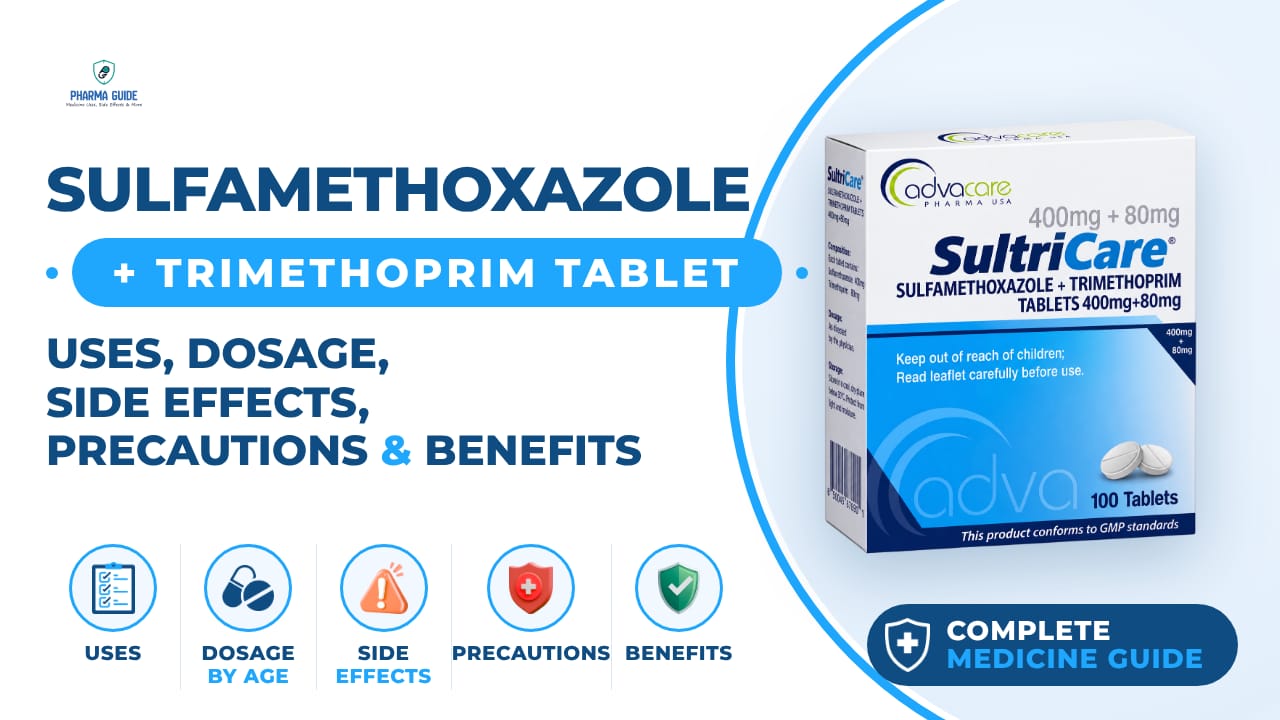
| Generic name | Sulfamethoxazole and trimethoprim (co-trimoxazole) |
|---|---|
| Drug class | Sulfonamide antibiotic combination |
| Forms | Tablet, Double-strength (DS) tablet, Oral suspension (liquid), Intravenous (IV) injection |
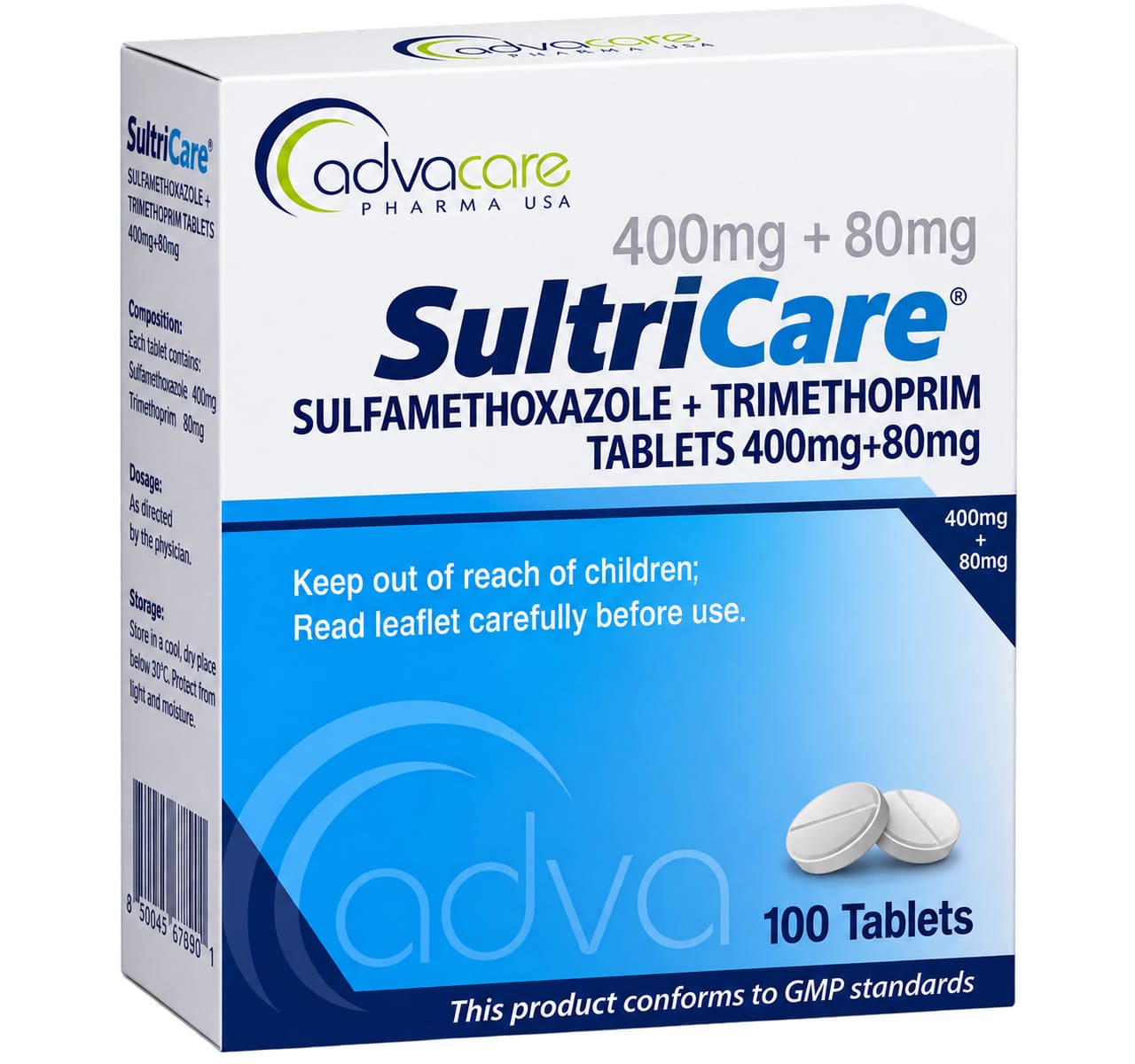
Quick overview
Sulfamethoxazole + Trimethoprim Tablet is a combination antibiotic from the sulfonamide class, also known as co-trimoxazole, with brand names such as Bactrim and Septra. It is used to treat and prevent certain bacterial infections and is included on the World Health Organization's List of Essential Medicines. It works by combining two antibiotics that block different steps bacteria need to make folate, allowing it to kill bacteria rather than just stop their growth.
What is Sulfamethoxazole + Trimethoprim Tablet
This medicine combines two antibiotics, sulfamethoxazole and trimethoprim, in a fixed ratio. It is also known by brand names such as Bactrim and Septra. It is used to treat and prevent certain bacterial infections and is included on the World Health Organization's List of Essential Medicines.
Sulfamethoxazole + Trimethoprim Tablet uses
- Urinary tract infections
- Middle ear infections (otitis media) in children
- Acute exacerbations of chronic bronchitis in adults
- Traveler's diarrhea
- Shigellosis (bacillary dysentery)
- Treatment and prevention of Pneumocystis jiroveci (formerly P. carinii) pneumonia (PCP), especially in people with weakened immune systems such as cancer patients, transplant patients, and people with AIDS
Benefits of Sulfamethoxazole + Trimethoprim Tablet
- Clears many types of bacterial infections by stopping bacteria from growing
- Affordable and widely used treatment option for many infections
- Can help prevent serious pneumonia (PCP) in people with weakened immune systems
How Sulfamethoxazole + Trimethoprim Tablet works
This medicine combines two antibiotics that each block a different step bacteria need to make folate, a substance they require to build DNA and proteins. Used together, they work better than either one alone and can kill the bacteria rather than just stopping them from growing.
Sulfamethoxazole + Trimethoprim Tablet dosage
Take this medicine exactly as directed by your doctor; do not take more, more often, or for longer than prescribed. Take with a full glass of water, and drink several extra glasses of water each day unless your doctor tells you otherwise, to help prevent crystals forming in the urine. This medicine can be taken without regard to meals.
If you are using the liquid form, use a proper measuring device rather than an average household spoon to measure your dose accurately. Keep taking this medicine for the full course of treatment, even if you feel better after a few days, so the infection clears up completely.
If you miss a dose, take it as soon as you remember, but if it is almost time for the next dose, skip the missed dose and continue your regular schedule; do not double up doses. This medicine is not recommended for infants younger than 2 months of age. Elderly patients may need a different dose because they are more likely to have kidney or liver problems or a folate deficiency.
| Age group | Dose |
|---|---|
| 2 months–11 years | Usually TMP 4 mg/kg + SMX 20 mg/kg every 12 hours; pediatric formulation preferred |
| 12–17 years | Usually TMP 160 mg + SMX 800 mg every 12 hours |
| 18–64 years | Usually 160/800 mg every 12 hours |
| 65+ years | Adult dose when appropriate; adjust for kidney function |
Available forms and strengths
- Tablet
- Double-strength (DS) tablet
- Oral suspension (liquid)
- Intravenous (IV) injection
Side effects of Sulfamethoxazole + Trimethoprim Tablet
Common
- Nausea, vomiting, or upset stomach
- Loss of appetite
- Headache
- Dizziness
- Diarrhea
- Skin rash or itching
- Fever, chills
- General feeling of tiredness or weakness
- Painful or swollen tongue
- Ringing in the ears (tinnitus)
- Sensitivity of skin to sunlight
- Passing of gas
Serious
- Black, tarry stools or vomiting of blood
- Blistering, peeling, or loosening of the skin
- Chest pain or tightness, trouble breathing
- Dark urine, clay-colored stools, stomach pain, or yellow eyes or skin (possible liver problem)
- Unusual bleeding or bruising, bleeding gums, blood in urine or stools, pinpoint red spots on the skin
- Severe or bloody diarrhea with stomach cramps, which can occur even months after stopping the medicine
- Swelling of the face, tongue, and throat, or severe allergic reaction (anaphylaxis)
- Bruising, fever, skin rash, or swollen glands (possible sign of a rare severe immune condition called hemophagocytic lymphohistiocytosis, HLH)
- Confusion, weakness, muscle twitching, irregular heartbeat, or numbness/tingling (possible electrolyte problems)
- Signs of low blood sugar such as shakiness, confusion, rapid heartbeat, or cold sweats
- Painful or difficult urination, or decreased urination
- Seizures
- Severe skin reactions such as Stevens-Johnson syndrome or toxic epidermal necrolysis
Warnings and precautions
- This medicine may cause serious and sometimes life-threatening skin reactions. Stop the medicine and contact your doctor right away if you notice a rash, blistering, peeling skin, mouth sores, or similar symptoms.
- This medicine may lower the number of platelets in your blood, especially at high doses or with long-term use, which can make you bleed or get infections more easily.
- This medicine can cause severe diarrhea, sometimes starting as late as two months after you stop taking it. Do not treat diarrhea yourself without checking with your doctor first.
- This medicine may cause serious allergic reactions, including a life-threatening reaction called anaphylaxis.
- This medicine may cause a rare, serious condition where the immune system becomes overactive, which can be life-threatening.
- This medicine may cause electrolyte imbalances, including high potassium and low sodium levels in the blood.
- This medicine should not be used together with dofetilide, a heart rhythm medicine, because it can cause dangerous heart rhythm problems.
- This medicine should not be combined with leucovorin when being used to treat Pneumocystis pneumonia, because this combination may make the treatment less effective.
- People with a G6PD enzyme deficiency may develop a blood disorder called hemolytic anemia when taking this medicine.
- This medicine should not be used to treat certain strep throat infections because it will not prevent complications like rheumatic fever.
- Using this medicine during pregnancy may harm the unborn baby and has been linked to birth defects, especially in the first trimester. It should be used in pregnancy only if your doctor decides the benefits outweigh the risks, and you should use effective birth control while taking it.
- Small amounts of this medicine pass into breast milk. It appears to pose minimal risk to healthy full-term infants after the newborn period, but caution is needed, especially if the baby is jaundiced, premature, or ill.
- This medicine should be avoided or used with caution in people with kidney disease. Severe kidney disease is a reason not to use it, and doses may need to be lowered for people with reduced kidney function.
- This medicine should not be used in people with severe liver disease and should be used with caution in those with any liver problems.
- Using alcohol with this medicine is usually not recommended, but your doctor may still prescribe both together with special instructions if needed.
Storage
- Store the medicine in a closed container at room temperature, away from heat, moisture, and direct light
- Keep from freezing
- Keep out of the reach of children
- Do not keep outdated medicine or medicine no longer needed
- Ask your healthcare professional how you should dispose of any medicine you do not use
- Store at 20° to 25°C (68° to 77°F)
- Dispense in a tight, light-resistant container
When to see a doctor
- Get medical help right away if you notice a skin rash, blistering, peeling or loosening skin, chills, cough, diarrhea, itching, joint or muscle pain, red irritated eyes, red skin lesions with a purple center, sore throat, mouth sores, black tarry stools, chest pain, or painful urination.
- Contact your doctor immediately if you notice dark urine, clay-colored stools, stomach pain, or yellowing of the eyes or skin, as these can be signs of a serious liver problem.
- Seek medical care right away if you have black tarry stools, bleeding gums, blood in urine or stools, small red spots on the skin, or unusual bleeding or bruising.
- Get medical help immediately if you or your child have stomach cramps, bloating, severe watery or bloody diarrhea, nausea, vomiting, or unusual tiredness, as these could signal a serious intestinal infection.
- Seek emergency care if you notice a rash, itching, swelling of the face, tongue, or throat, trouble breathing, or chest pain after taking this medicine.
- Get medical help right away if you have bruising, fever, skin rash, or swollen glands, which could be signs of a rare but serious immune condition.
- Tell your doctor immediately if you have confusion, weakness, muscle twitching, irregular heartbeat, numbness or tingling in your hands, feet, or lips, or trouble breathing, as these could be signs of an electrolyte imbalance.
- Check with your doctor if you experience symptoms of low blood sugar such as anxiety, confusion, cold sweats, shakiness, rapid heartbeat, or unusual tiredness.
- Stop taking this medicine and contact your healthcare provider as soon as possible if you develop a rash, sore throat, fever, joint pain, cough, chest pain, difficulty breathing, pale skin, purple spots, or yellowing of the skin.
Alternatives
- Nitrofurantoin
- Clindamycin
- Cefpodoxime
- Cephalexin
- Amoxicillin + Clavulanate
Watch the video
FAQs
What is Sulfamethoxazole + Trimethoprim Tablet used for?
It treats urinary tract infections, middle ear infections in children, acute exacerbations of chronic bronchitis, traveler's diarrhea, shigellosis, and it treats and prevents Pneumocystis jiroveci pneumonia (PCP) in people with weakened immune systems.
How does Sulfamethoxazole + Trimethoprim Tablet work?
It combines two antibiotics that each block a different step bacteria need to make folate, a substance required to build DNA and proteins. Together they work better than either alone and can kill bacteria rather than just stopping their growth.
What is the typical adult dosage of Sulfamethoxazole + Trimethoprim Tablet?
Adults aged 18 to 64 usually take 160/800 mg every 12 hours, taken with a full glass of water and extra fluids to help prevent crystals forming in the urine.
What are the serious side effects of Sulfamethoxazole + Trimethoprim Tablet?
Serious side effects include severe skin reactions like Stevens-Johnson syndrome, liver problems, unusual bleeding or bruising, severe or bloody diarrhea, allergic reactions including anaphylaxis, electrolyte imbalances, low blood sugar, and seizures.
Can Sulfamethoxazole + Trimethoprim Tablet be used during pregnancy?
Using this medicine during pregnancy may harm the unborn baby and has been linked to birth defects, especially in the first trimester, so it should only be used if the doctor decides the benefits outweigh the risks.
General information, not medical advice
Your prescriber and the leaflet in your pack know your situation. This page does not.
- Follow your prescriber and the leaflet
- Don't start, stop, or change a dose on your own
- Doses and warnings differ by country and product
Sources
Video
Related medicines

Injectafer Injection: Uses, Dosage, Side Effects, Precautions and Alternates
Iron products
Injectafer (ferric carboxymaltose) treats iron deficiency anemia and heart failure-related iron deficiency via IV. Learn uses, dosage, side effects, and

Gliclazide Tablet: Uses, Dosage, Side Effects, Precautions and Alternates
Sulfonylurea (hypoglycemic/antidiabetic agent)
Gliclazide Tablet is a sulfonylurea for type 2 diabetes that boosts insulin release. Learn about dosage, side effects, warnings, and precautions.