Suprax Tablet: Uses, Dosage, Side Effects, Precautions and Alternates
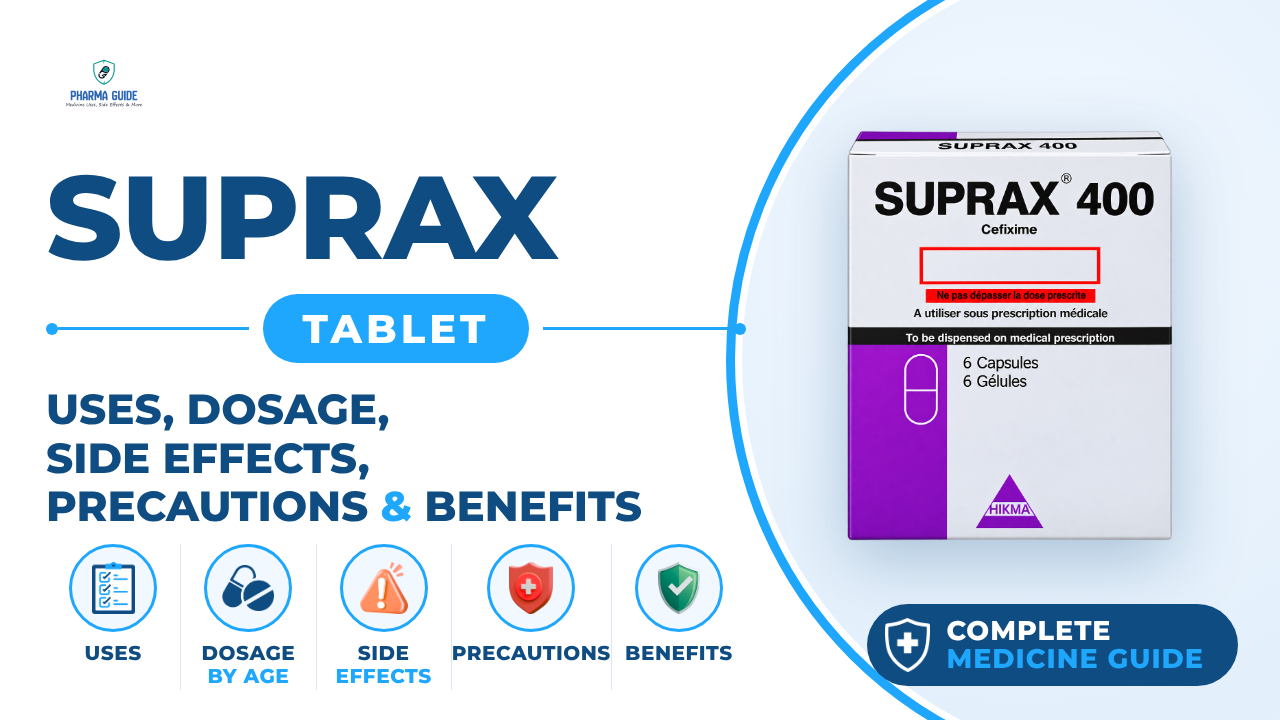
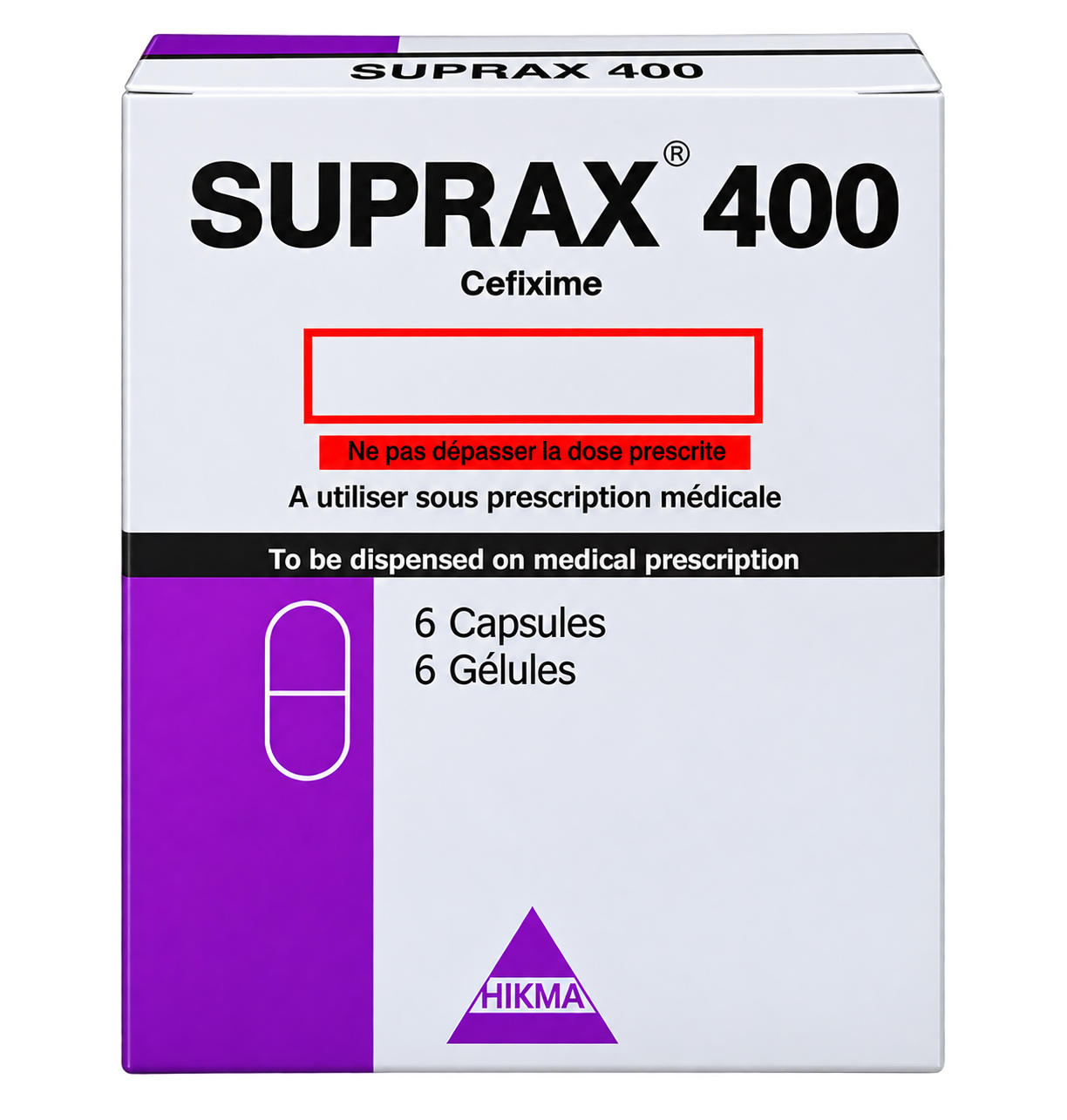
| Generic name | Cefixime |
|---|---|
| Drug class | Cephalosporins |
| Forms | Film-coated tablet, Capsule, Powder for oral suspension, chewable tablet |
Quick overview
Suprax (cefixime) is a cephalosporin antibiotic used to treat many different types of infections caused by bacteria, such as urinary tract infections, ear infections, and bronchitis. It works by killing bacteria or preventing their growth. Suprax will not work for colds, flu, or other virus infections, and it should be taken exactly as directed by a doctor for the full prescribed course.
What is Suprax Tablet
Suprax (cefixime) is a cephalosporin antibiotic used to treat many different types of infections caused by bacteria. It will not work for colds, flu, or other virus infections.
Suprax Tablet uses
- Uncomplicated urinary tract infections
- Otitis media (middle ear infection)
- Pharyngitis and tonsillitis
- Acute exacerbations of chronic bronchitis
- Uncomplicated gonorrhea (cervical/urethral)
- Sinusitis
Benefits of Suprax Tablet
- Treats bacterial infections in many different parts of the body by killing bacteria or preventing their growth
- Treats certain bacterial infections
- Helps treat urinary tract infections (UTIs)
- Used for throat and tonsil infections
- Helps treat ear infections
- Used for certain respiratory tract infections
- May be used for uncomplicated gonorrhea
- Helps stop the growth of susceptible bacteria
How Suprax Tablet works
Cefixime kills bacteria by stopping them from building their cell walls. Without a proper cell wall, the bacteria are damaged and cannot survive.
Suprax Tablet dosage
Take this medicine only as directed by your doctor. Do not take more of it, more often, or for longer than your doctor ordered. The capsule and tablet may be taken with or without food. Swallow the capsule whole, without cutting, breaking, or chewing it. You may split or cut the tablet in half. The chewable tablet should be crushed or chewed before swallowing. Shake the oral liquid well before each use, and measure it with a marked measuring spoon, oral syringe, or medicine cup rather than a household teaspoon.
Keep using this medicine for the full treatment time, even if you feel better after the first few doses, or your infection may not clear up. For infections due to Streptococcus pyogenes, the medicine should be taken for at least 10 days.
If you miss a dose, take it as soon as possible; but if it is almost time for your next dose, skip the missed dose and go back to your regular schedule. Do not double doses.
| Age group | Dose |
|---|---|
| Under 6 months | Not routinely recommended; safety not established |
| 6 months–11 years | Pediatric dose is 8 mg/kg/day; suspension is generally preferred |
| 12–17 years | 400 mg once daily if weight is >45 kg; otherwise pediatric dosing |
| 18+ years | 400 mg once daily |
Available forms and strengths
- Film-coated tablet
- Capsule
- Powder for oral suspension
- Chewable tablet
Side effects of Suprax Tablet
Common
- Stomach upset or pain
- Diarrhea
- Loose or frequent stools
- Nausea
- Constipation
- Loss of appetite
- Gas
- Indigestion
- Headache
- Dizziness
- Vaginal itching or discharge
Serious
- Severe stomach or abdominal pain
- Persistent nausea or vomiting
- Yellowing eyes or skin
- Dark urine
- Unusual tiredness
- New signs of infection such as persistent sore throat or fever
- Easy bruising or bleeding
- Change in the amount of urine
- Mental or mood changes such as confusion
- Severe allergic reactions including anaphylaxis, rash, itching, hoarseness, trouble breathing or swallowing, or swelling of the hands, face, or mouth
- Watery and bloody diarrhea (possible pseudomembranous colitis)
- Seizures
- Blistering, peeling, or loosening of the skin
Warnings and precautions
- Serious, sometimes fatal, allergic reactions can happen with cefixime.
- Before starting Suprax, tell your doctor if you have ever had an allergic reaction to cephalosporins, penicillins, or other drugs, because cross-reactivity can occur in up to 10% of people with a penicillin allergy. Stop the drug if an allergic reaction happens.
- Antibiotics including Suprax can cause Clostridioides difficile-associated diarrhea, ranging from mild diarrhea to life-threatening colitis, which can occur even more than two months after treatment. Do not treat diarrhea yourself without checking with your doctor.
- Suprax chewable tablets contain aspartame, a source of phenylalanine, which can be harmful to people with phenylketonuria (PKU).
- Take the medicine exactly as directed and finish the full course.
- Skipping doses or stopping early can make the treatment less effective and increase the chance that bacteria become resistant.
- Suprax should be used only when prescribed during pregnancy.
- Talk to your doctor before using it.
- This drug passes into breast milk. While there have been no reports of harm to nursing infants, talk to your doctor before breastfeeding.
- This medicine can be used if you have reduced kidney function, but the dose may need to be adjusted and patients on dialysis should be monitored carefully.
- Cephalosporins including Suprax may lower prothrombin activity, and those with liver impairment are among those at risk. Prothrombin time should be monitored in patients at risk.
Storage
- Store the medicine in a closed container at room temperature, away from heat, moisture, and direct light. Keep from freezing.
- Store tablets at 20°C to 25°C (68°F to 77°F).
- Store the oral liquid either at room temperature or in the refrigerator. Throw away any unused liquid after 14 days. Keep it tightly closed.
- Keep out of the reach of children.
- Do not keep outdated medicine or medicine no longer needed. Ask your healthcare professional how you should dispose of any medicine you do not use.
When to see a doctor
Call your doctor right away if you or your child has a rash, itching, hoarseness, trouble breathing, trouble swallowing, or any swelling of the hands, face, or mouth while using this medicine, as this can be a life-threatening allergic reaction.
Contact your doctor as soon as possible if you develop watery and bloody stools, with or without stomach cramps and fever, even up to two or more months after your last dose.
Alternatives
- Cefpodoxime
- Ceftibuten
- Cefdinir
- Cefuroxime
Watch the video
FAQs
What is Suprax Tablet used for?
Suprax is used to treat bacterial infections such as uncomplicated urinary tract infections, otitis media, pharyngitis and tonsillitis, acute exacerbations of chronic bronchitis, uncomplicated gonorrhea, and sinusitis. It will not work for colds, flu, or other virus infections.
How does Suprax work?
Cefixime kills bacteria by stopping them from building their cell walls. Without a proper cell wall, the bacteria are damaged and cannot survive.
What is the dosage of Suprax for adults?
Adults 18 years and older typically take 400 mg once daily. Teens aged 12 to 17 years take 400 mg once daily if they weigh more than 45 kg; otherwise pediatric dosing applies.
What are the common side effects of Suprax?
Common side effects include stomach upset or pain, diarrhea, loose or frequent stools, nausea, constipation, loss of appetite, gas, indigestion, headache, dizziness, and vaginal itching or discharge.
Can Suprax be taken during pregnancy or breastfeeding?
Suprax should be used only when prescribed during pregnancy, and you should talk to your doctor before using it. The drug passes into breast milk, so you should talk to your doctor before breastfeeding, though no reports of harm to nursing infants have been noted.
Sources
- RxList - Suprax (https://www.rxlist.com/suprax-drug.htm)
- Drugs.com - Suprax (https://www.drugs.com/cons/suprax.html)
- sanofi-aventis Canada Product Monograph - SUPRAX (https://pdf.hres.ca/dpd_pm/00002280.PDF)
Video
Related medicines
Ampicillin Injection: Uses, Dosage, Side Effects, Precautions and Alternates
Penicillin antibiotic (aminopenicillin)
Ampicillin Injection is a penicillin antibiotic used for meningitis, pneumonia, septicemia, and more. Learn dosage, side effects, and warnings.

Azithromycin Tablet: Uses, Dosage, Side Effects, Precautions and Alternates
Macrolide antibiotic (azalide subclass)
Azithromycin Tablet is a macrolide antibiotic used for bacterial infections like Chlamydia and MAC. Learn its uses, dosage, side effects, and precautions.