
Safety
General information, not medical advice
Your prescriber and the leaflet in your pack know your situation. This page does not.
- Follow your prescriber and the leaflet
- Don't start, stop, or change a dose on your own
- Doses and warnings differ by country and product
Tekturna Tablet: Uses, Dosage, Side Effects, Precautions and Alternates
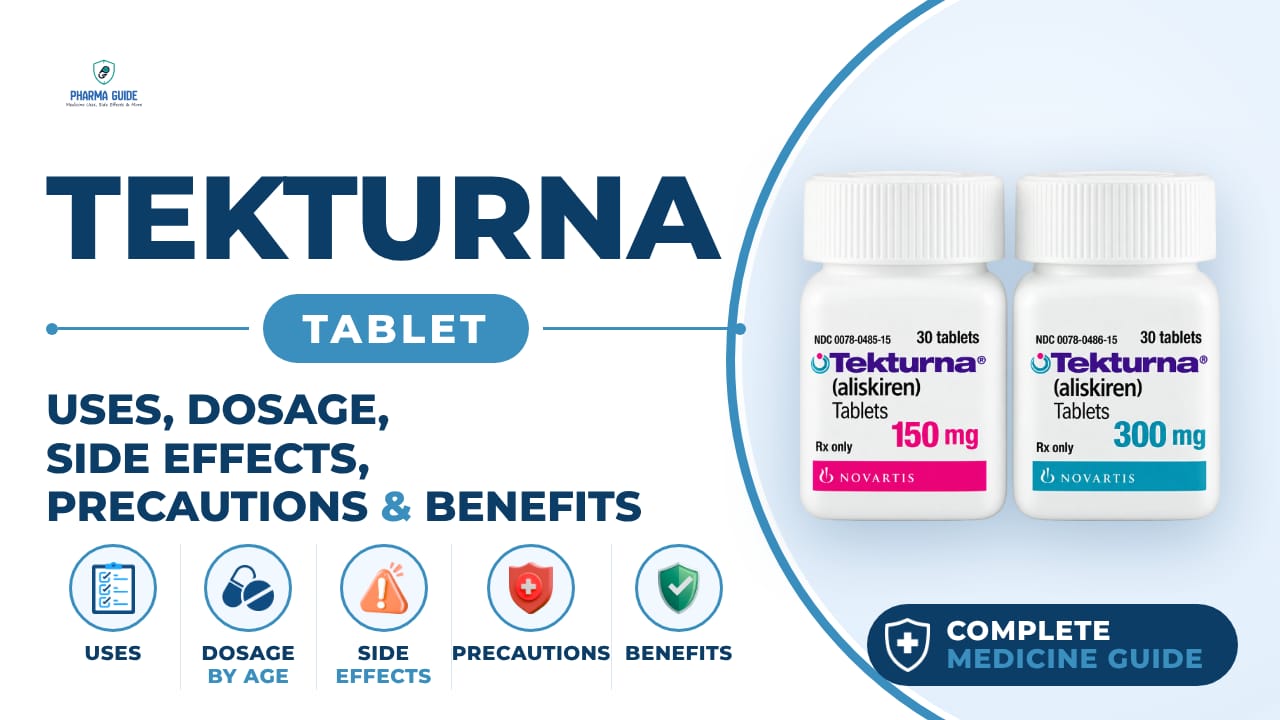
| Generic name | aliskiren |
|---|---|
| Drug class | Direct renin inhibitor |
| Forms | tablet, oral pellets |
Quick overview
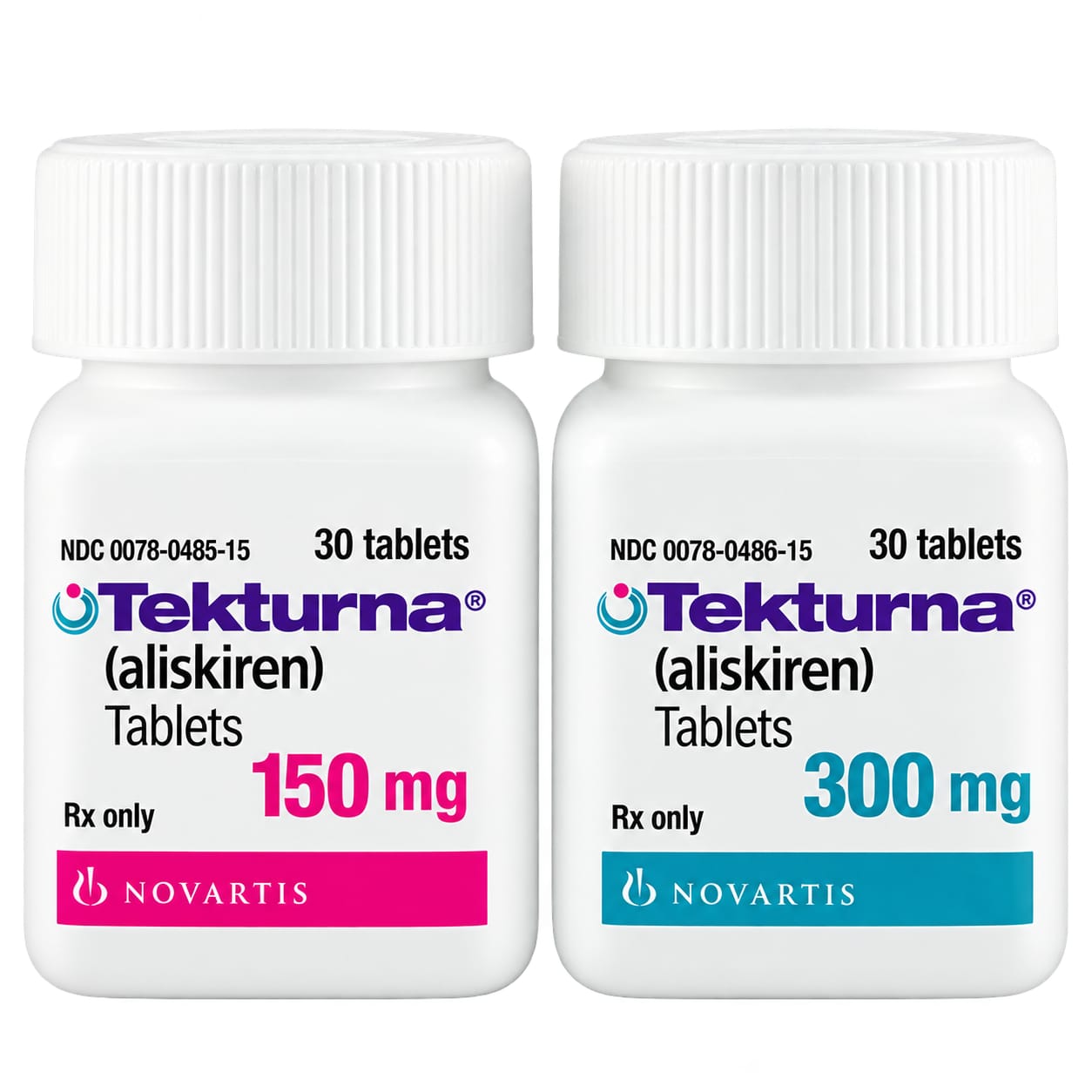
Tekturna Tablet (aliskiren) is a prescription direct renin inhibitor used to treat high blood pressure in adults and in children aged 6 years and older who weigh at least 50 kg (110 lbs). It can be used alone or together with other blood pressure medicines. By lowering blood pressure, it helps reduce the risk of fatal and non-fatal strokes and heart attacks. It works by blocking renin, an enzyme that causes blood vessels to narrow.
What is Tekturna Tablet
Tekturna is a prescription oral tablet used alone or with other medicines to treat high blood pressure in adults and children aged 6 years and older who weigh at least 50 kg (110 lbs).
Tekturna Tablet uses
- Treats high blood pressure (hypertension) in adults and in children aged 6 years and older weighing at least 50 kg (110 lbs)
- Used alone or together with other blood pressure medications
Benefits of Tekturna Tablet
- Lowers blood pressure to help decrease the risk of fatal and non-fatal cardiovascular events, such as strokes and heart attacks
How Tekturna Tablet works
Tekturna blocks renin, an enzyme made by the kidneys that starts a chemical chain reaction causing blood vessels to narrow. By blocking this, it relaxes and widens blood vessels, improves blood flow, and lowers the workload on the heart.
Tekturna Tablet dosage
Take exactly as prescribed and follow all directions on the prescription label. You may take it with or without food, but take it at the same time each day. If taking with meals, avoid high-fat foods because they can make it harder for your body to absorb the medicine. Keep taking this medicine even if you feel well, since high blood pressure often has no symptoms. Your blood pressure and blood may need to be checked often while on this medicine. If you miss a dose, take it as soon as you can, but skip it if it is almost time for your next dose; do not take two doses at once. Do not give this medicine to children younger than 2 years old.
| Age group | Dose |
|---|---|
| 6–17 years, 50 kg or more | 150 mg once daily; may be increased by a clinician to 300 mg once daily |
| 18–64 years | 150 mg once daily initially; may be increased to 300 mg once daily |
| 65 years and older | Usually follows the adult regimen with individualized monitoring |
Available forms and strengths
- Tablet
- Oral pellets
Side effects of Tekturna Tablet
Common
- Diarrhea (most common, especially at higher doses)
- Cough
- Dizziness or light-headedness (low blood pressure)
- Headache and fatigue
- Upset stomach or abdominal pain
Serious
- Severe allergic reaction (angioedema) - swelling of face, lips, tongue, or throat, difficulty breathing
- Light-headed feeling, like you might pass out
- Kidney problems - swelling, urinating less, feeling tired or short of breath
- High blood potassium - nausea, weakness, tingling feeling, chest pain, irregular heartbeats, loss of movement
Warnings and precautions
- Do not use Tekturna during pregnancy. Direct renin inhibitors can cause severe injury or death to an unborn baby, especially during the second or third trimester. Stop the medicine right away if pregnancy is detected and tell your doctor.
- Do not breastfeed while taking this medicine.
- This medicine can cause severe allergic reactions, including swelling of the face, lips, tongue, or throat, or trouble breathing. Get emergency care right away if this happens.
- This medicine can raise blood potassium levels, which can cause muscle weakness or irregular heartbeats. Avoid potassium supplements or salt substitutes unless your doctor tells you to.
- This medicine can cause low blood pressure, leading to fainting or severe dizziness, especially if you are dehydrated or taking water pills.
- If you have diabetes, do not use this medicine together with certain other heart or blood pressure medicines.
- Avoid high-fat meals when taking this medicine, as they can significantly reduce how well your body absorbs it. Avoid taking it with cyclosporine or itraconazole.
- This medicine can worsen kidney function, especially in people who already have kidney disease or diabetes. Tell your doctor if you have kidney disease or are on dialysis. Kidney function and potassium levels should be monitored.
- Alcohol may worsen dizziness and blood-pressure lowering.
Storage
- Keep the medicine in the original container, along with the packet or canister of moisture-absorbing preservative.
- Store at room temperature away from moisture and heat.
When to see a doctor
- Get emergency medical help if you have signs of an allergic reaction: hives, difficulty breathing, or swelling of your face, lips, tongue, or throat.
- Call your doctor right away if you feel light-headed like you might pass out, have signs of kidney problems such as swelling, urinating less, or feeling tired or short of breath, or signs of high blood potassium such as nausea, weakness, tingling, chest pain, irregular heartbeats, or loss of movement.
- Call your doctor if you have ongoing vomiting or diarrhea, or if you are sweating more than usual, since you can easily become dehydrated on this medicine, which can lead to very low blood pressure, electrolyte imbalance, or kidney failure.
Watch the video
FAQs
What is Tekturna Tablet used for?
Tekturna is used to treat high blood pressure in adults and in children aged 6 years and older who weigh at least 50 kg (110 lbs). It can be used alone or with other blood pressure medicines.
How does Tekturna Tablet work?
Tekturna blocks renin, an enzyme made by the kidneys that causes blood vessels to narrow. By blocking it, Tekturna relaxes and widens blood vessels, improves blood flow, and lowers the workload on the heart.
What is the dosage of Tekturna Tablet?
Adults and children 6-17 years weighing at least 50 kg typically start at 150 mg once daily, which may be increased to 300 mg once daily. It should not be given to children younger than 2 years old.
What are the common side effects of Tekturna Tablet?
Common side effects include diarrhea (especially at higher doses), cough, dizziness or light-headedness, headache, fatigue, and upset stomach or abdominal pain.
Can Tekturna Tablet be used during pregnancy?
No, Tekturna should not be used during pregnancy because direct renin inhibitors can cause severe injury or death to an unborn baby, especially during the second or third trimester. The medicine should be stopped right away if pregnancy is detected.
General information, not medical advice
Your prescriber and the leaflet in your pack know your situation. This page does not.
- Follow your prescriber and the leaflet
- Don't start, stop, or change a dose on your own
- Doses and warnings differ by country and product
Video
Related medicines

Injectafer Injection: Uses, Dosage, Side Effects, Precautions and Alternates
Iron products
Injectafer (ferric carboxymaltose) treats iron deficiency anemia and heart failure-related iron deficiency via IV. Learn uses, dosage, side effects, and

Gliclazide Tablet: Uses, Dosage, Side Effects, Precautions and Alternates
Sulfonylurea (hypoglycemic/antidiabetic agent)
Gliclazide Tablet is a sulfonylurea for type 2 diabetes that boosts insulin release. Learn about dosage, side effects, warnings, and precautions.