
Safety
General information, not medical advice
Your prescriber and the leaflet in your pack know your situation. This page does not.
- Follow your prescriber and the leaflet
- Don't start, stop, or change a dose on your own
- Doses and warnings differ by country and product
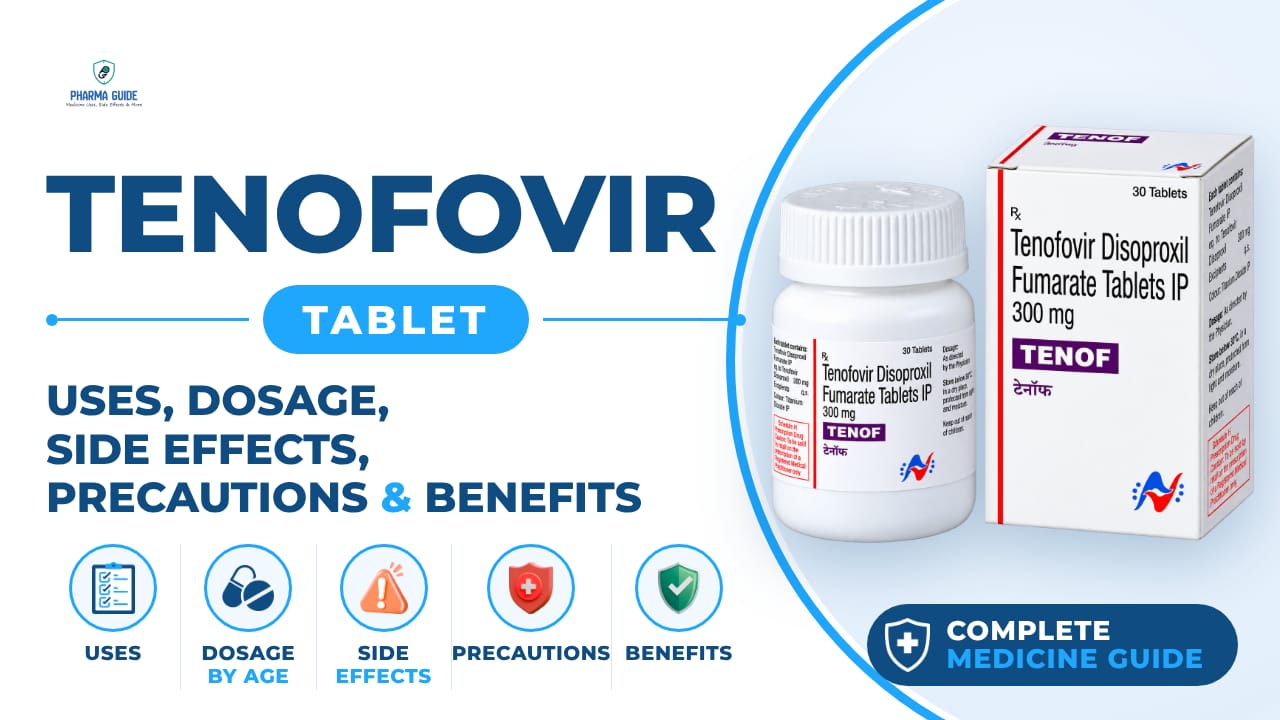
Tenofovir Tablet: Uses, Dosage, Side Effects, Precautions and Alternates
| Generic name | Tenofovir disoproxil fumarate |
|---|---|
| Drug class | Nucleotide/nucleoside analogue reverse transcriptase inhibitor (NRTI) |
| Forms | Tablet, Film-coated tablet, Oral powder |
Quick overview
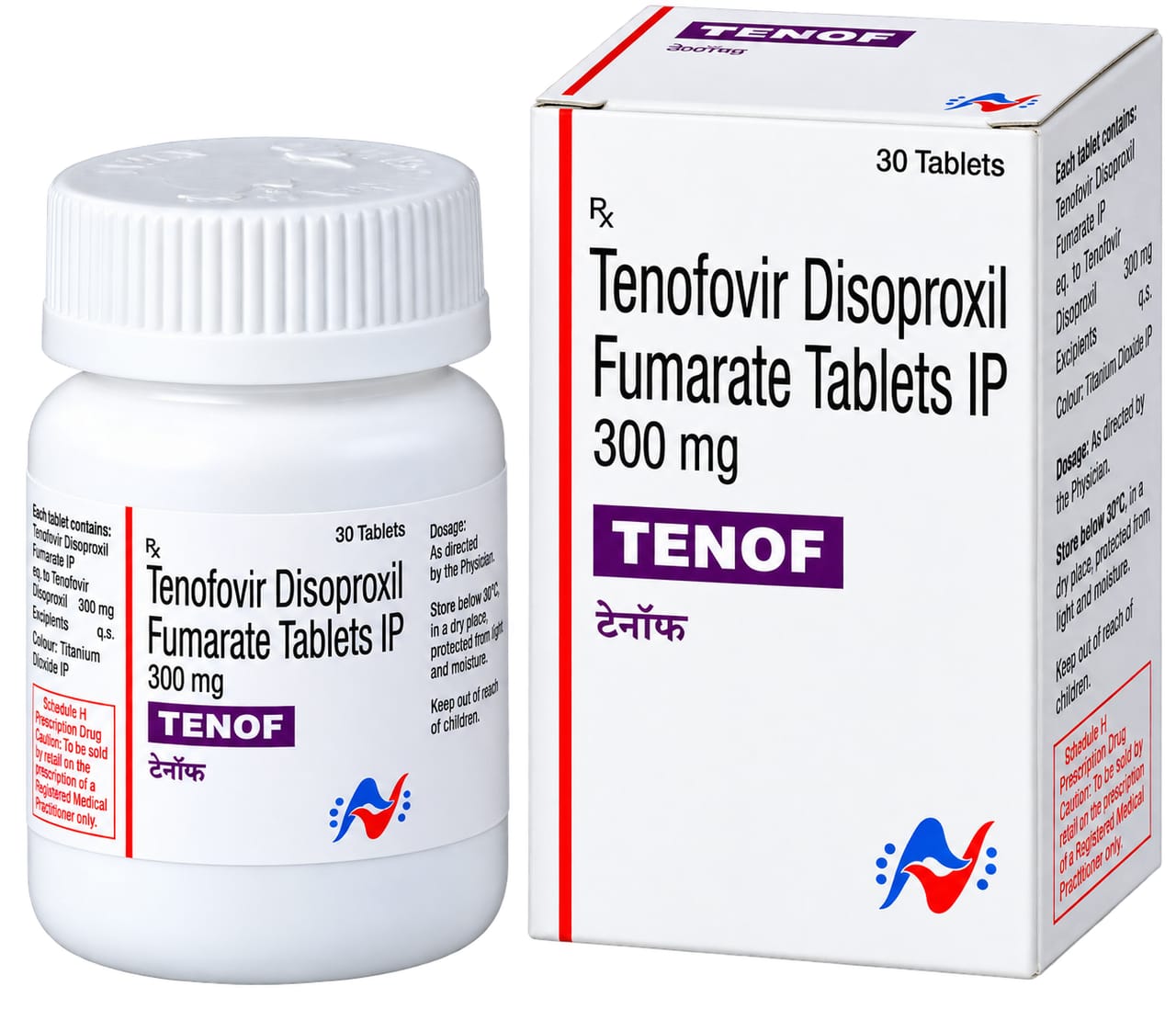
Tenofovir Tablet (tenofovir disoproxil fumarate) is an antiviral medicine from the nucleotide/nucleoside analogue reverse transcriptase inhibitor (NRTI) class. It is used to help manage HIV infection and chronic hepatitis B by limiting the spread of these viruses in the body, though it is not a cure. It is usually taken once daily and requires regular monitoring, particularly of kidney function.
What is Tenofovir Tablet
Tenofovir is an antiviral medicine used to help manage HIV infection and chronic hepatitis B. It works by limiting the spread of these viruses in the body, but it is not a cure.
Tenofovir Tablet uses
- Treatment of hepatitis B virus (HBV) infection
- Treatment of human immunodeficiency virus (HIV) infection, used together with other antiretroviral medicines
- Reduces the risk of developing HIV complications and AIDS
Benefits of Tenofovir Tablet
- Helps manage the symptoms of HIV infection
- Helps control chronic hepatitis B by reducing the amount of virus in the blood
- Can help protect the liver by reducing HBV viral load
How Tenofovir Tablet works
Tenofovir is converted in the body to an active form that blocks the enzymes HIV and hepatitis B viruses need to copy their genetic material, which stops the viruses from multiplying and lowers the amount of virus in the blood.
Tenofovir Tablet dosage
Take this medication by mouth and follow the directions on the prescription label. Take your medication at regular intervals and do not take it more often than directed. Do not skip doses or stop your medication even if you feel better, since skipping doses may make the virus resistant to treatment. Do not stop taking except on your care team's advice.
Tablets are usually taken once daily, with or without food, though taking with food may help reduce stomach upset. Take the medicine at the same time every day to keep steady levels in your body.
If using the oral powder form, use the specially marked scoop to measure each dose, mix it into a small amount of soft food, and take it right away. Do not store the dosing scoop inside the package with the powder.
If you have difficulty swallowing the tablet, it can be crushed and mixed with water or juice and taken right away. This medicine is only for you; do not share it with others.
| Age group | Dose |
|---|---|
| Under 2 years | Tablet form generally not appropriate; specialist dosing required |
| 2–11 years | Weight-based dosing; pediatric formulation/strength selected according to weight |
| 12–17 years, ≥35 kg | 300 mg once daily |
| 18–64 years | 300 mg once daily |
| 65+ years | Usually 300 mg once daily when appropriate; assess kidney function |
Available forms and strengths
- Tablet
- Film-coated tablet
- Oral powder
Side effects of Tenofovir Tablet
Common
- Diarrhoea
- Headache
- Depression
- Rash or itching
- Difficulty falling asleep or staying asleep
- Nausea or vomiting
- Gas, heartburn, or indigestion
- Weight loss
- Back pain
- Dizziness
- Feeling tired or weak
- Stomach pain
- Bloating
- Flatulence
Serious
- Allergic reactions—skin rash, itching, hives, swelling of the face, lips, tongue, or throat
- Bone pain or bone problems, including decreased bone mineral density
- High lactic acid level (lactic acidosis)—muscle pain or cramps, stomach pain, trouble breathing, general discomfort and fatigue, rapid or irregular heartbeat, dizziness, feelings of coldness in the arms or legs
- Infection—fever, chills, cough, or sore throat
- Kidney injury—decrease in the amount of urine, swelling of the ankles, hands, or feet, fatigue, aching, puffiness
- Liver injury—right upper belly pain, loss of appetite, nausea, light-colored stool, dark yellow or brown urine, yellowing skin or eyes, unusual weakness or fatigue
- Immune reconstitution syndrome—new or worsening symptoms of infection as the immune system strengthens
- Pancreas inflammation—stomach pain with nausea and vomiting
- Kidney tubule damage which may lead to softening of the bones or fractures
Warnings and precautions
- This medicine is not a cure for HIV or hepatitis B, and you may still be able to spread these infections to others while taking it, and it does not protect against other sexually transmitted infections.
- If you have hepatitis B, stopping this medicine can make your hepatitis symptoms worse, so talk to your doctor before stopping.
- Long-term use of this medicine may increase the risk of low bone mass and bone problems.
- This medicine can cause kidney problems including kidney failure, so regular kidney monitoring and blood tests are recommended, and you should avoid other medicines that can harm the kidneys.
- Rare but serious cases of lactic acidosis (a buildup of lactic acid in the blood) have occurred with this medicine, sometimes leading to death.
- This medicine does not lower the risk of passing HIV or hepatitis B to others, so you should continue to practice safe sex and avoid sharing needles.
- Elderly patients have not been specifically studied with this medicine and are more likely to have reduced kidney function, so caution is needed.
- Tenofovir may be used during pregnancy if necessary, based on data that has not shown malformations or harm to the baby, but you should talk to your doctor first.
- Mothers with hepatitis B may be able to breastfeed if their newborn has received proper hepatitis B prevention treatment, but mothers with HIV are generally advised not to breastfeed to avoid passing HIV to the infant.
- Tenofovir can affect the kidneys, and people with kidney disease need special monitoring and possibly adjusted dosing intervals.
- No dose adjustment is generally required for liver problems, but people with liver disease, including hepatitis, should be monitored closely, especially if stopping the medicine, since hepatitis symptoms can worsen.
- You should limit or avoid alcohol while taking tenofovir, as it may increase the risk of side effects such as pancreatitis and liver problems.
- This medicine can cause dizziness, so avoid driving, riding a bicycle, or using tools or machines if you feel dizzy.
Storage
- Store at room temperature between 15 and 30 degrees C (59 and 86 degrees F)
- Keep this medication in the original container
- Keep out of the reach of children and pets
- Get rid of any unused medication after the expiration date
- Take the medication to a medication take-back program; check with your pharmacy or law enforcement to find a location
- If you cannot return the medication, check the label or package insert to see if it should be thrown out in the garbage; if safe, mix it with cat litter, dirt, coffee grounds, or another unwanted substance, seal it in a bag, and put it in the trash
- Do not store above 30°C and store in the original package to protect from moisture
- Use within 60 days after first opening
When to see a doctor
- Get medical help right away for signs of an allergic reaction such as skin rash, itching, hives, or swelling of the face, lips, tongue, or throat.
- Seek medical attention if you notice signs of lactic acidosis such as fast or deep breathing, drowsiness, nausea, vomiting, and stomach pain.
- Contact your care team promptly if you notice signs of kidney injury such as decreased urination or swelling of the ankles, hands, or feet.
- Seek medical help for signs of liver injury such as right upper belly pain, loss of appetite, nausea, light-colored stool, dark urine, or yellowing of the skin or eyes.
- Report bone pain to your care team as soon as possible, since it may be a sign of a bone problem.
- Contact a poison control center or emergency room right away if you think you have taken too much of this medicine.
- Tell your doctor immediately if you notice signs of infection or inflammation, which could mean your immune system is reacting as it strengthens.
Alternatives
- Lamivudine
- Abacavir
- Entecavir
- Tenofovir Alafenamide (TAF)
- Emtricitabine
Watch the video
FAQs
What is Tenofovir Tablet used for?
It is used to treat hepatitis B virus infection and, together with other antiretroviral medicines, HIV infection. It also helps reduce the risk of developing HIV complications and AIDS.
How should I take Tenofovir Tablet?
It is usually taken once daily by mouth, with or without food, at the same time each day. Doses should not be skipped or stopped without your care team's advice, as this may make the virus resistant to treatment.
What are the common side effects of Tenofovir Tablet?
Common side effects include diarrhoea, headache, depression, rash or itching, trouble sleeping, nausea or vomiting, gas, heartburn, weight loss, back pain, dizziness, tiredness, stomach pain, bloating, and flatulence.
Is Tenofovir Tablet a cure for HIV or hepatitis B?
No, it is not a cure. It helps manage these infections by limiting viral spread, but you may still be able to spread the infections to others while taking it.
Can Tenofovir Tablet affect the kidneys?
Yes, it can cause kidney problems including kidney failure, so regular kidney monitoring and blood tests are recommended, and medicines that can harm the kidneys should be avoided.
General information, not medical advice
Your prescriber and the leaflet in your pack know your situation. This page does not.
- Follow your prescriber and the leaflet
- Don't start, stop, or change a dose on your own
- Doses and warnings differ by country and product
Sources
Video
Related medicines

Injectafer Injection: Uses, Dosage, Side Effects, Precautions and Alternates
Iron products
Injectafer (ferric carboxymaltose) treats iron deficiency anemia and heart failure-related iron deficiency via IV. Learn uses, dosage, side effects, and

Gliclazide Tablet: Uses, Dosage, Side Effects, Precautions and Alternates
Sulfonylurea (hypoglycemic/antidiabetic agent)
Gliclazide Tablet is a sulfonylurea for type 2 diabetes that boosts insulin release. Learn about dosage, side effects, warnings, and precautions.