
Safety
General information, not medical advice
Your prescriber and the leaflet in your pack know your situation. This page does not.
- Follow your prescriber and the leaflet
- Don't start, stop, or change a dose on your own
- Doses and warnings differ by country and product
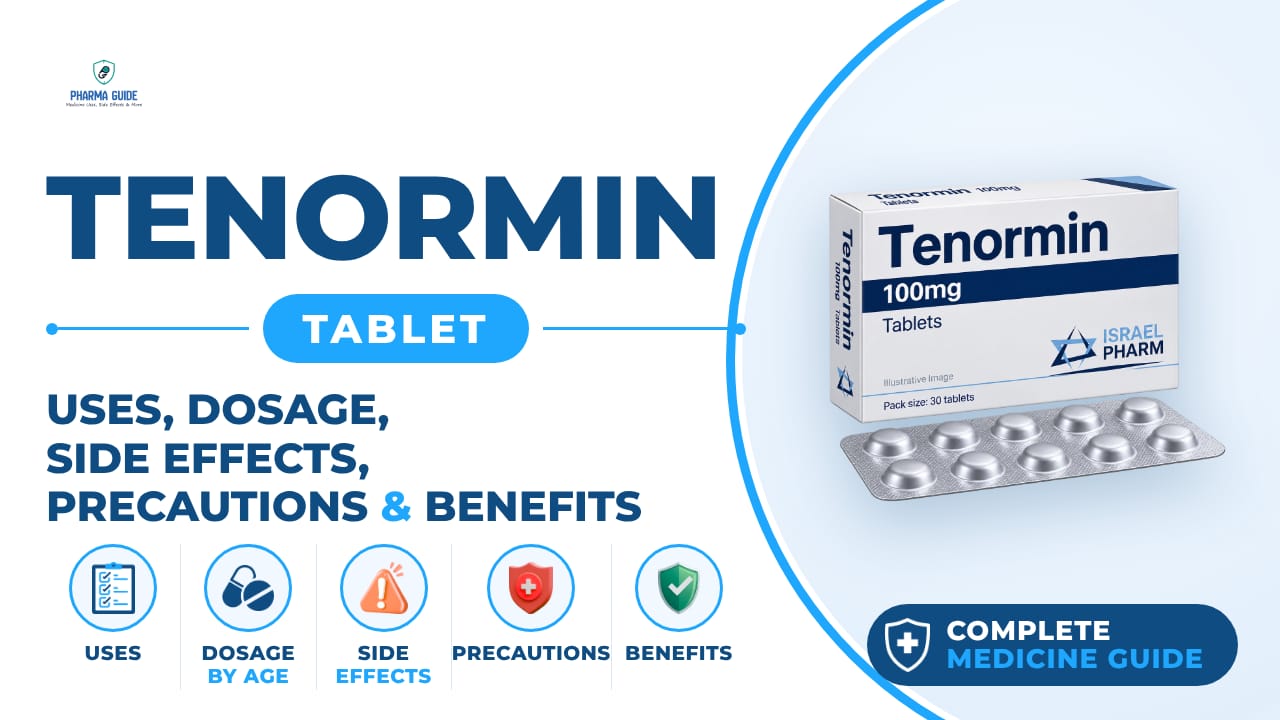
Tenormin Tablet: Uses, Dosage, Side Effects, Precautions and Alternates
| Generic name | Atenolol |
|---|---|
| Drug class | Beta-blocker (cardioselective beta blocker) |
| Forms | Tablet |
Quick overview
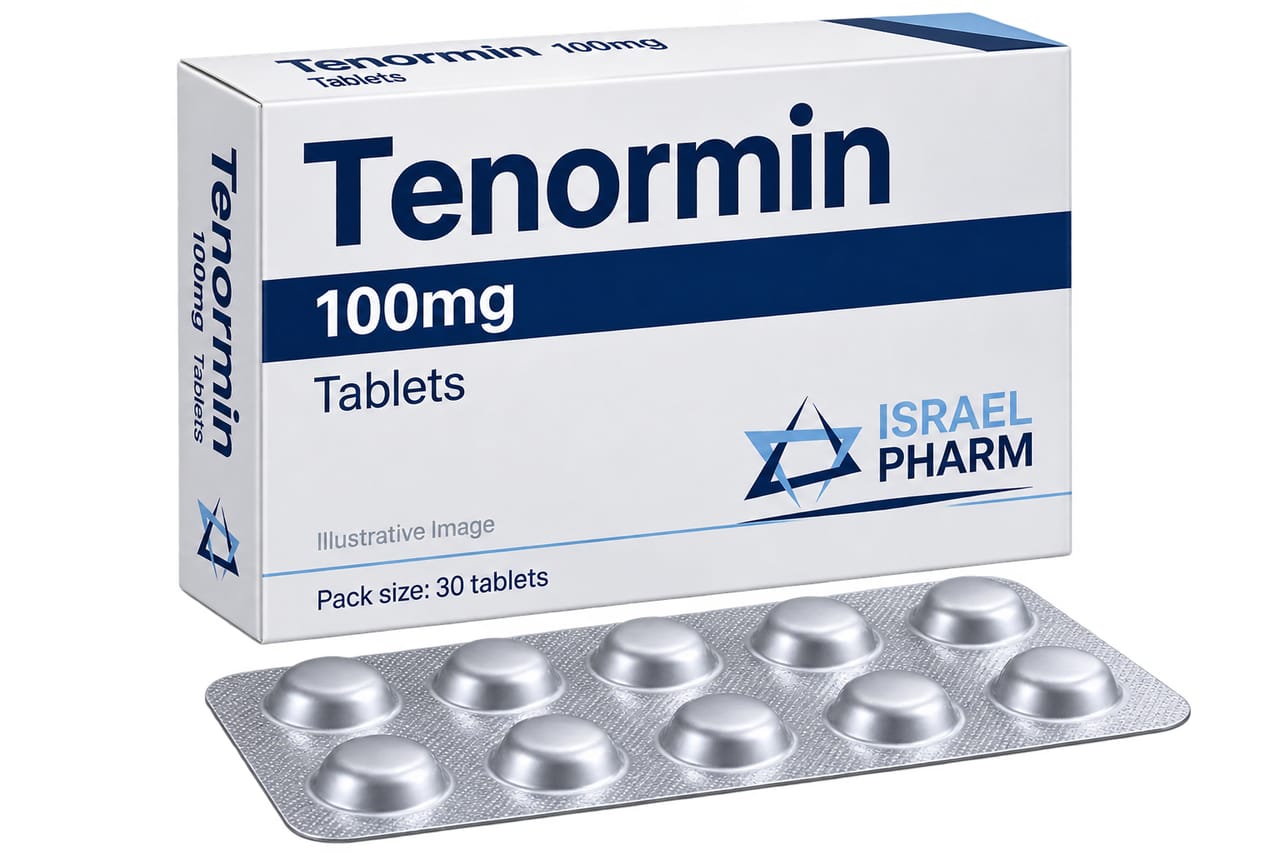
Tenormin Tablet is a brand-name prescription medicine containing the active drug atenolol, a cardioselective beta-blocker. It is used to treat high blood pressure, prevent angina, manage irregular heart rhythms, and support recovery after a heart attack, among other uses. Tenormin works by blocking beta receptors in the heart, helping it beat more slowly and with less force while relaxing blood vessels. It is available as a tablet and is intended for long-term use under a doctor's guidance.
What is Tenormin Tablet
Tenormin is a brand-name prescription medicine that contains the active drug atenolol. It belongs to a group of medicines called beta-blockers, which help relax blood vessels and reduce the amount of work the heart has to do.
Tenormin Tablet uses
- Treating high blood pressure (hypertension)
- Preventing angina (a type of chest pain) due to narrowed arteries in the heart
- Treating irregular heart rhythms (arrhythmias)
- Treating heart attacks or reducing the risk of heart complications after a heart attack
- Reducing symptoms of an overactive thyroid gland (thyrotoxicosis)
- Used off-label to help prevent migraines
Benefits of Tenormin Tablet
- Can lower blood pressure over a 24-hour period when taken once daily
- May reduce chest pain in people with stable angina
- May lower the risk of death related to heart or blood vessel problems after a heart attack
- May reduce how often migraine headaches occur
How Tenormin Tablet works
Tenormin blocks certain receptors in the heart called beta receptors. This helps blood vessels relax and makes the heart beat more slowly and with less force, lowering blood pressure and reducing the amount of work and oxygen the heart needs.
Tenormin Tablet dosage
Take at the same time every day. It can be taken with or without food. Swallow tablets whole with a glass of water; do not chew them, though tablets may be split or cut in half if your doctor recommends it. If you take more than one tablet a day, your doctor may have you split the dose between morning and evening.
If you miss a dose, contact your doctor's office for advice on when to take your next dose, or follow the missed-dose timing your doctor or pharmacist gave you. Do not take a double dose to make up for a missed one.
Do not stop taking this medicine suddenly without talking to your doctor, since your dose usually needs to be reduced gradually over time before stopping completely. This medicine is meant for long-term use if it is working well for you and your doctor decides to continue it.
| Age group | Dose |
|---|---|
| Under 18 years | Routine pediatric dosage not established; specialist use only |
| 18–64 years | Hypertension: usually 50 mg once daily initially; may increase to 100 mg once daily |
| 65+ years | Often start cautiously; lower doses may be required, especially with reduced kidney function |
Available forms and strengths
- Tablet
Side effects of Tenormin Tablet
Common
- Cold hands and feet
- Slow heart rate
- Tiredness
- Diarrhea
- Dizziness
- Shortness of breath
- Leg pain
- Low blood pressure
- Stomach upsets such as constipation, abdominal pain, or heartburn
- Dry mouth, change in taste sensation
- Headache or buzzing/ringing in the ears
- Dry eyes, problems with vision
- Runny or blocked nose
- Difficulty sleeping, nightmares
- Skin reactions such as rash or itching
- Increased hair loss
- Tingling or 'pins and needles', or walking unsteadily
- Sexual problems
- Sweating
- Decrease in frequency of urination
- Increased thirst
- Loss of appetite
- Blurred vision
Serious
- Heart problems, including cardiac arrest and cardiogenic shock
- Depression, including feeling sad, hopeless, anxious, tired, or trouble focusing
- Allergic reaction, including skin rash, swelling of the face, lips, tongue, or throat, and trouble breathing
- Heart attack or other heart problems in people with coronary artery disease who suddenly stop taking this medicine
- Confusion or disorientation
- Mood changes or worsening of depression
- Unusual thoughts or hallucinations
- Light-headedness or fainting due to low blood pressure
- Yellowing of the skin or eyes (jaundice)
- Unexplained bruising
Warnings and precautions
- If you have coronary artery disease, do not suddenly stop taking this medicine. Stopping abruptly can worsen chest pain, raise blood pressure, or even cause a heart attack. Your doctor will help you slowly lower the dose before stopping completely.
- This medicine may hide certain symptoms of an overactive thyroid gland (hyperthyroidism), such as a fast heart rate. Suddenly stopping the medicine in this condition might trigger a dangerous condition called thyroid storm.
- If you have diabetes, this medicine may hide signs of low blood sugar, such as a fast heartbeat, making it harder to notice a problem.
- This medicine may worsen breathing problems in people with asthma, COPD, or other airway diseases.
- This medicine should not be used in people with an untreated pheochromocytoma (a hormone-producing tumor), as it could cause a dangerous rise in blood pressure or fluid in the lungs.
- Do not take this medicine if you have had an allergic reaction to it or any of its ingredients.
- Do not stop, start, or change the dose of this medicine without checking with your doctor, and do not give it to anyone else.
- Drink enough water during exercise and hot weather while taking this medicine, especially if you sweat a lot, to avoid feeling faint or light-headed.
- Dress warmly in cold weather since this medicine can make you more sensitive to cold temperatures, especially if you have circulation problems.
- Pregnancy: This medicine is generally not recommended during pregnancy because it may harm the developing baby or cause low birth weight, though some sources note it may be used if your doctor decides the benefits outweigh the risks.
- Breastfeeding: This medicine passes into breast milk and could potentially harm a breastfed baby, so other medicines may be preferred while breastfeeding.
- Kidney: If you have kidney disease, tell your doctor before starting this medicine. Your doctor may need to prescribe a lower starting dose depending on how well your kidneys work.
- Alcohol: There are no known direct interactions between this medicine and alcohol, but alcohol can worsen certain side effects such as diarrhea, dizziness, and tiredness, and may increase the risk of very low blood pressure or changes in heart rate.
- Driving: Know how this medicine affects you before driving or using machinery, since it can cause dizziness, fatigue, or light-headedness.
Storage
- Store at room temperature, between 68°F to 77°F (20°C to 25°C)
- Keep in a tightly sealed container away from light
- Avoid storing in areas where it could get damp or wet, such as bathrooms
- Keep tablets in the original pack until it is time to take them
- Keep out of reach of children
- Take unwanted or expired medicine to a pharmacy for safe disposal
- Do not use after the expiry date
When to see a doctor
- Get emergency help right away if you have symptoms of a severe allergic reaction, such as swelling of the face, lips, tongue, or throat, or trouble breathing.
- Call your doctor right away if you feel faint, dizzy, or have shortness of breath, as this could mean your heart rate or blood pressure has dropped too low.
- Call your doctor immediately if you notice confusion, disorientation, mood changes, worsening depression, unusual thoughts, hallucinations, fainting, or yellowing of the skin or eyes.
- Seek emergency medical attention if you think you have taken too much of this medicine, especially if you feel faint, dizzy, or have difficulty breathing.
- Tell your doctor right away if you become pregnant while taking this medicine.
- Get medical help immediately for signs of a very serious reaction such as wheezing, chest tightness, difficulty breathing, swelling of the face, lips or throat, or unexplained bruising.
Alternatives
- Losartan
- Amlodipine
- Carvedilol
- Bisoprolol
- Metoprolol
Watch the video
FAQs
What is Tenormin Tablet used for?
Tenormin is used to treat high blood pressure, prevent angina, treat irregular heart rhythms, support recovery after a heart attack, reduce symptoms of an overactive thyroid gland, and is used off-label to help prevent migraines.
How does Tenormin Tablet work?
Tenormin blocks beta receptors in the heart, helping blood vessels relax and making the heart beat more slowly and with less force, which lowers blood pressure and reduces the heart's workload and oxygen needs.
What is the usual dose of Tenormin for adults?
For adults aged 18–64 with hypertension, the usual starting dose is 50 mg once daily, which may be increased to 100 mg once daily as needed.
Can I suddenly stop taking Tenormin Tablet?
No, you should not stop taking Tenormin suddenly, especially if you have coronary artery disease, as this can worsen chest pain, raise blood pressure, or even cause a heart attack. Your doctor will help you gradually reduce the dose before stopping.
What are the common side effects of Tenormin Tablet?
Common side effects include cold hands and feet, slow heart rate, tiredness, dizziness, diarrhea, low blood pressure, headache, dry mouth, and sleep difficulties, among others.
General information, not medical advice
Your prescriber and the leaflet in your pack know your situation. This page does not.
- Follow your prescriber and the leaflet
- Don't start, stop, or change a dose on your own
- Doses and warnings differ by country and product
Sources
Video
Related medicines
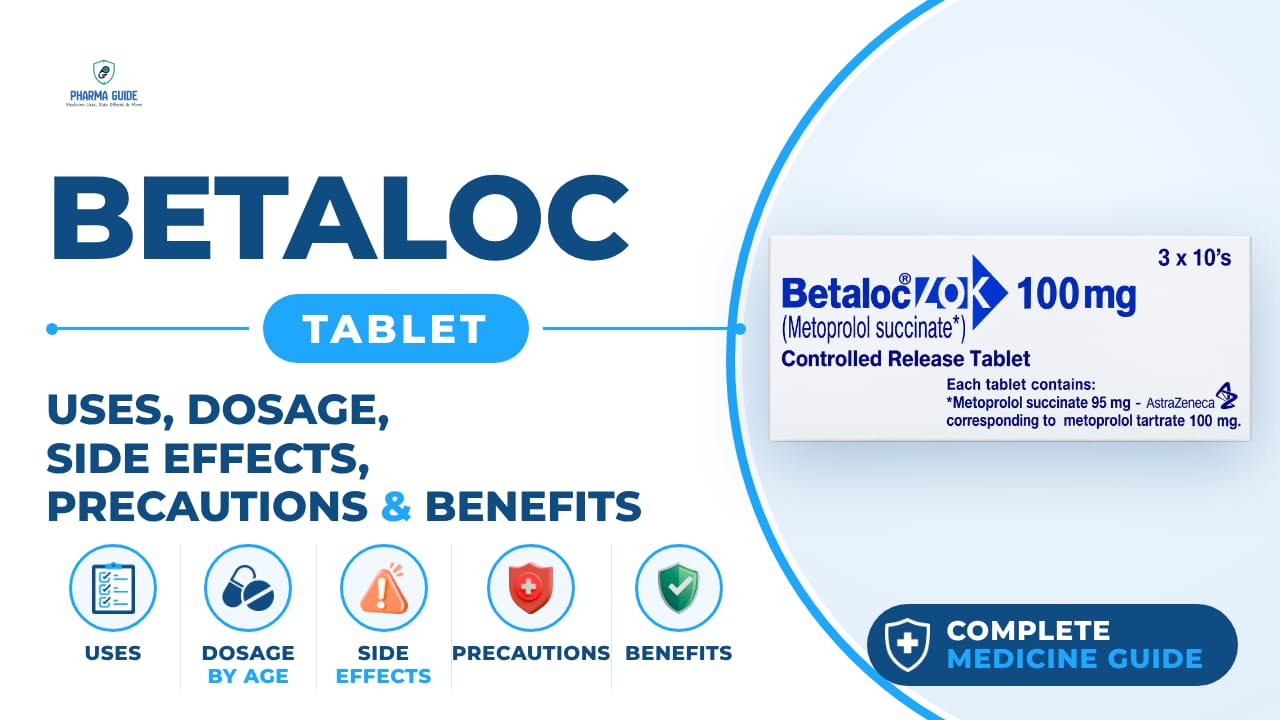
Betaloc Tablet: Uses, Dosage, Side Effects, Precautions and Alternates
Beta-blocker (cardioselective beta blocker)
Betaloc Tablet contains metoprolol tartrate, a beta-blocker used for high blood pressure, angina, irregular heart rhythms, heart failure, and migraine
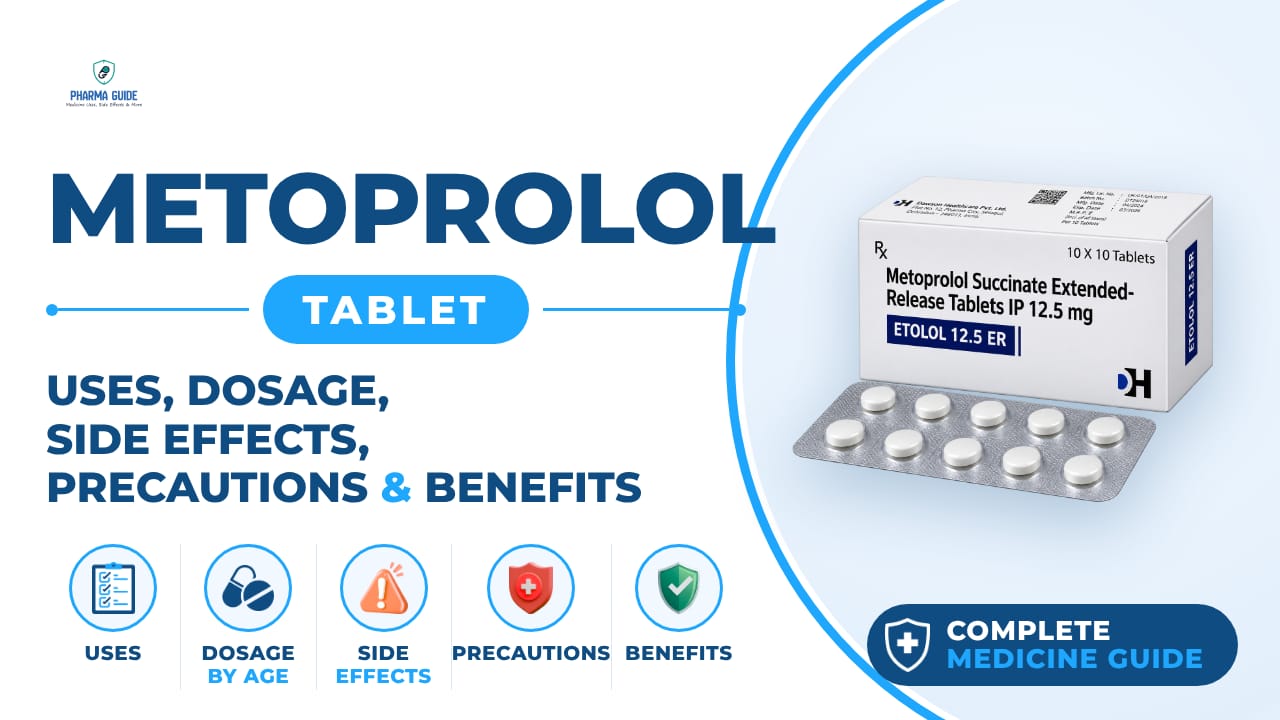
Metoprolol Tablet: Uses, Dosage, Side Effects, Precautions and Alternates
Beta blocker (cardioselective beta blocker)
Metoprolol Tablet treats high blood pressure, angina, and heart failure, and improves survival after a heart attack. Learn uses, dosage, and side effects.