
Safety
General information, not medical advice
Your prescriber and the leaflet in your pack know your situation. This page does not.
- Follow your prescriber and the leaflet
- Don't start, stop, or change a dose on your own
- Doses and warnings differ by country and product
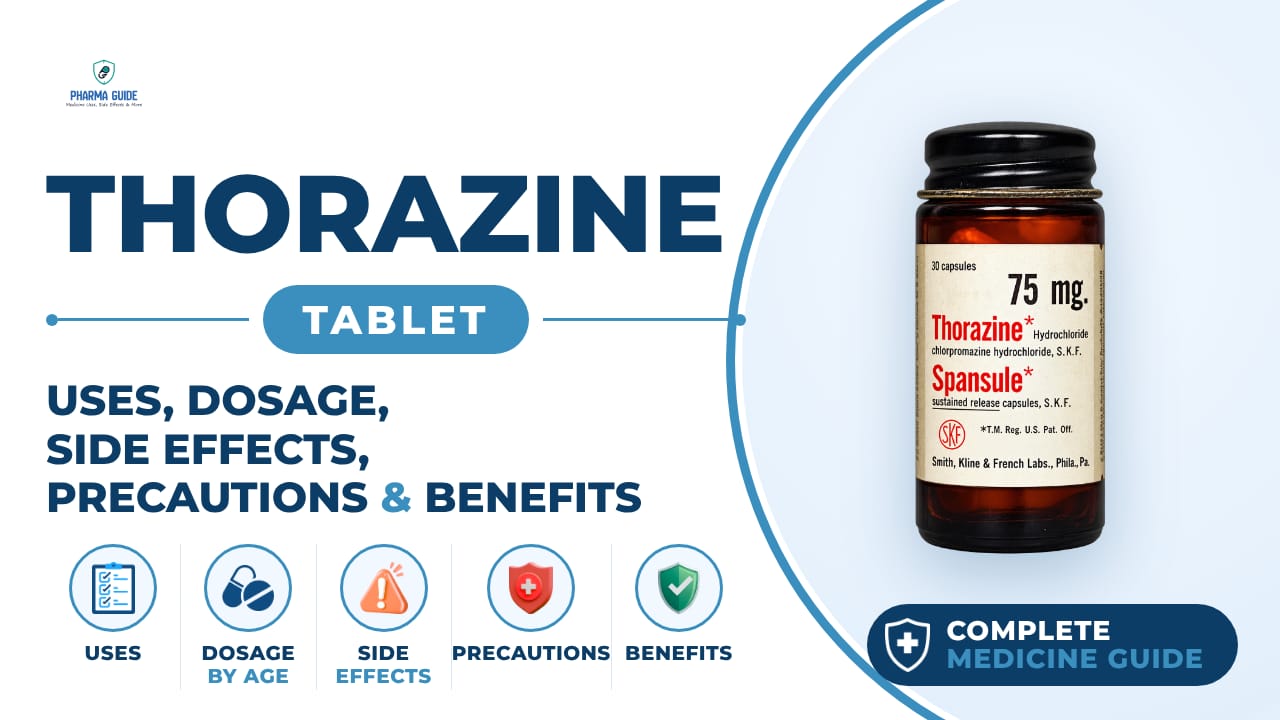
Thorazine Tablet: Uses, Dosage, Side Effects, Precautions and Alternates
| Generic name | chlorpromazine |
|---|---|
| Drug class | Antipsychotic (Phenothiazine) |
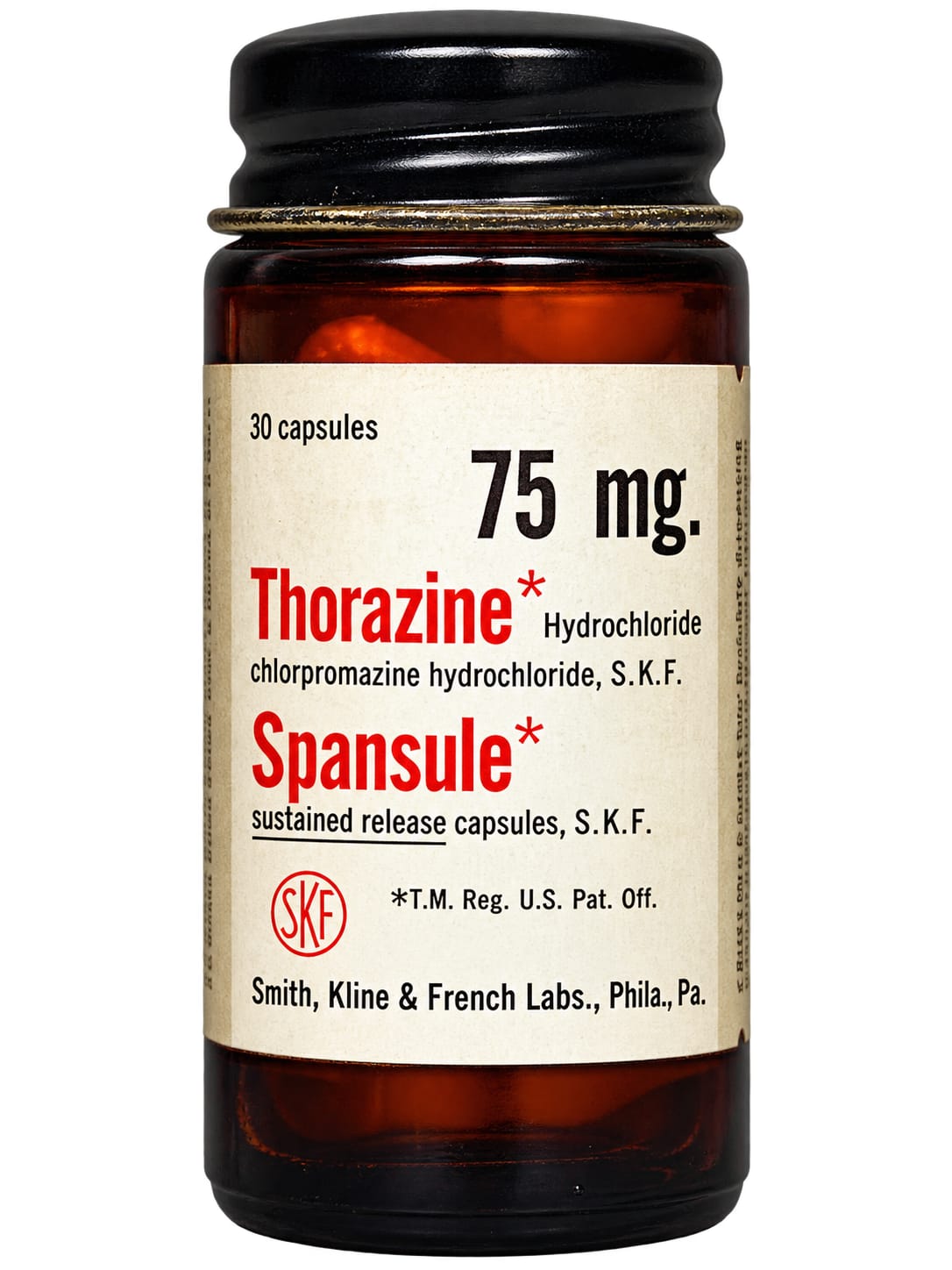
| Forms | Tablet, Sustained-release capsule (Spansule), Injection (ampuls and multi-dose vials), Syrup, Suppository |
Quick overview
Thorazine Tablet (chlorpromazine) is a first-generation antipsychotic in the phenothiazine class. It is used for mental health conditions such as schizophrenia and bipolar disorder, as well as for nausea, vomiting, hiccups, and anxiety before surgery. The brand name Thorazine has been discontinued in the US, but generic chlorpromazine remains available.
What is Thorazine Tablet
Thorazine is a first-generation antipsychotic medicine used to treat mental health conditions like schizophrenia and bipolar disorder. It also treats nausea, vomiting, hiccups, and helps with anxiety before surgery. The brand name Thorazine has been discontinued in the US, but generic chlorpromazine is still available.
Thorazine Tablet uses
- Schizophrenia and other psychotic disorders
- Manic phase of bipolar (manic-depressive) disorder
- Severe behavioral problems in children ages 1 to 12, including combative or explosive behavior and hyperactive conduct disorders
- Severe nausea and vomiting
- Long-lasting (intractable) hiccups
- Nervousness and anxiety before surgery
- Acute intermittent porphyria
- As an added treatment for tetanus
Benefits of Thorazine Tablet
- Controls hallucinations, delusions, and disorganized thinking in psychotic disorders
- Helps calm racing thoughts, high energy, and agitation in bipolar mania
- Reduces severe behavioral problems in children
- Relieves nausea, vomiting, and persistent hiccups
- Eases nervousness before a medical procedure
How Thorazine Tablet works
Thorazine works by balancing dopamine, a brain chemical that helps control mood, reducing dopamine activity where it is too high.
Thorazine Tablet dosage
Take this medication by mouth with a glass of water. Follow the directions on your prescription label and take doses at regular intervals. Do not take this medication more often than directed. Do not stop taking this medication suddenly, since this can cause nausea, vomiting, and dizziness—ask your care team for advice before stopping. Special care may be needed for children, and this medicine may be prescribed for children as young as 6 months for certain conditions. If you miss a dose, take it as soon as you remember, but if it is almost time for your next dose, skip the missed one—do not double up. This medicine is only for you; do not share it with others.
Use exactly as prescribed by your doctor or pharmacist.
Available forms and strengths
- Tablet
- Sustained-release capsule (Spansule)
- Injection (ampuls and multi-dose vials)
- Syrup
- Suppository
Side effects of Thorazine Tablet
Common
- Drowsiness, fatigue, or dizziness
- Dry mouth and stuffy nose
- Constipation
- Blurred vision
- Weight gain
- Low blood pressure upon standing, which can cause dizziness or falls
- Involuntary muscle movements, tremors, or shuffling walk (extrapyramidal symptoms)
- Anxiety or trouble sleeping
- Breast swelling or discharge
- Changes in menstrual periods
- Swelling in hands or feet
- Impotence or trouble having an orgasm
Serious
- Tardive dyskinesia: repetitive, uncontrollable facial, tongue, or body movements that may be permanent
- Neuroleptic malignant syndrome: high fever, severe muscle stiffness, confusion, and fast heartbeat—needs emergency care
- Low white blood cell counts (agranulocytosis), which can lead to infection
- Liver injury: right upper belly pain, loss of appetite, nausea, light-colored stool, dark urine, yellowing skin or eyes, unusual weakness or fatigue
- Allergic reactions: skin rash, itching, hives, swelling of face, lips, tongue, or throat
- High prolactin levels: unexpected breast tissue growth, nipple discharge, changes in sex drive, irregular periods
- Seizures
- Serious heart rhythm changes: fast, irregular, or pounding heartbeats, fluttering in the chest, shortness of breath, sudden dizziness or passing out
- Serious eye symptoms: sudden vision loss, blurred vision, tunnel vision, eye pain or swelling, seeing halos around lights
- Signs of infection: fever, chills, cough, or sore throat
- Severe confusion, slurred speech, arm or leg weakness, trouble walking, loss of coordination, very stiff muscles, high fever, heavy sweating, tremors
Warnings and precautions
- This medicine is not approved for older adults with dementia-related psychosis because it raises the risk of heart failure, pneumonia, and death.
- Tardive dyskinesia is a potentially permanent movement disorder that can develop with long-term use of this medicine.
- Neuroleptic malignant syndrome is a rare but life-threatening reaction causing high fever, severe muscle stiffness, altered mental state, and unstable blood pressure or heartbeat.
- This medicine can cause serious blood problems, including low white blood cell counts, so report any sudden sore throat or signs of infection right away.
- This medicine can affect your body's ability to regulate temperature, making you more sensitive to both cold and heat.
- Do not use this medicine if you are in a coma or have taken large amounts of other central nervous system depressants like alcohol, barbiturates, or narcotics.
- Safety during pregnancy has not been established. This medicine should only be used in pregnancy if your doctor decides it is essential, since there have been reports of prolonged jaundice and abnormal reflexes or muscle movements in newborns whose mothers took similar drugs.
- Chlorpromazine passes into breast milk and may harm a nursing baby, so you should talk with your doctor about whether to stop breastfeeding or stop the medicine.
- This medicine should be used carefully in people with kidney disease.
- This medicine should be used carefully in people with liver disease, and people with a history of liver problems from cirrhosis may be more sensitive to its effects on the brain.
- Avoid alcohol while taking this medicine, since it can add to drowsiness and lower blood pressure further.
- This medicine can affect your coordination, reaction time, and judgment, especially in the first few days, so avoid driving or operating machinery until you know how it affects you.
Storage
- Keep out of the reach of children
- Store at room temperature between 15 and 30 degrees C (59 and 86 degrees F)
- Throw away any unused medication after the expiration date
- All dosage forms except syrup should be stored between 15° and 30°C (59° and 86°F); syrup should be stored below 25°C (77°F)
When to see a doctor
- Get emergency help right away if you have signs of neuroleptic malignant syndrome, such as high fever, stiff muscles, heavy sweating, fast or irregular heartbeat, and confusion.
- Seek medical help right away for signs of an allergic reaction, like skin rash, itching, hives, or swelling of the face, lips, tongue, or throat.
- Contact your care team right away if you notice signs of liver injury, such as belly pain, loss of appetite, nausea, light-colored stool, dark urine, or yellowing of the skin or eyes.
- Report any uncontrolled or repetitive body movements, muscle stiffness, tremors, loss of balance, or shuffling walk to your care team as soon as possible.
- If you think you have taken too much of this medicine, contact a poison control center or go to an emergency room right away.
Alternatives
- Quetiapine
- Olanzapine
- Risperidone
- Haloperidol
Watch the video
FAQs
What is Thorazine Tablet used for?
Thorazine treats schizophrenia and other psychotic disorders, the manic phase of bipolar disorder, severe behavioral problems in children, severe nausea and vomiting, intractable hiccups, nervousness before surgery, acute intermittent porphyria, and as an added treatment for tetanus.
Is the Thorazine brand still available?
The brand name Thorazine has been discontinued in the US, but generic chlorpromazine is still available.
How does Thorazine work?
Thorazine works by balancing dopamine, a brain chemical that helps control mood, by reducing dopamine activity where it is too high.
What are the serious side effects of Thorazine?
Serious side effects include tardive dyskinesia, neuroleptic malignant syndrome, low white blood cell counts, liver injury, allergic reactions, high prolactin levels, seizures, serious heart rhythm changes, and serious eye symptoms.
What should I do if I miss a dose of Thorazine?
If you miss a dose, take it as soon as you remember, but if it is almost time for your next dose, skip the missed one and do not double up.
General information, not medical advice
Your prescriber and the leaflet in your pack know your situation. This page does not.
- Follow your prescriber and the leaflet
- Don't start, stop, or change a dose on your own
- Doses and warnings differ by country and product
Sources
Video
Related medicines

Injectafer Injection: Uses, Dosage, Side Effects, Precautions and Alternates
Iron products
Injectafer (ferric carboxymaltose) treats iron deficiency anemia and heart failure-related iron deficiency via IV. Learn uses, dosage, side effects, and

Gliclazide Tablet: Uses, Dosage, Side Effects, Precautions and Alternates
Sulfonylurea (hypoglycemic/antidiabetic agent)
Gliclazide Tablet is a sulfonylurea for type 2 diabetes that boosts insulin release. Learn about dosage, side effects, warnings, and precautions.