
Safety
General information, not medical advice
Your prescriber and the leaflet in your pack know your situation. This page does not.
- Follow your prescriber and the leaflet
- Don't start, stop, or change a dose on your own
- Doses and warnings differ by country and product
Tretinoin Cream: Uses, Dosage, Side Effects, Precautions and Alternates
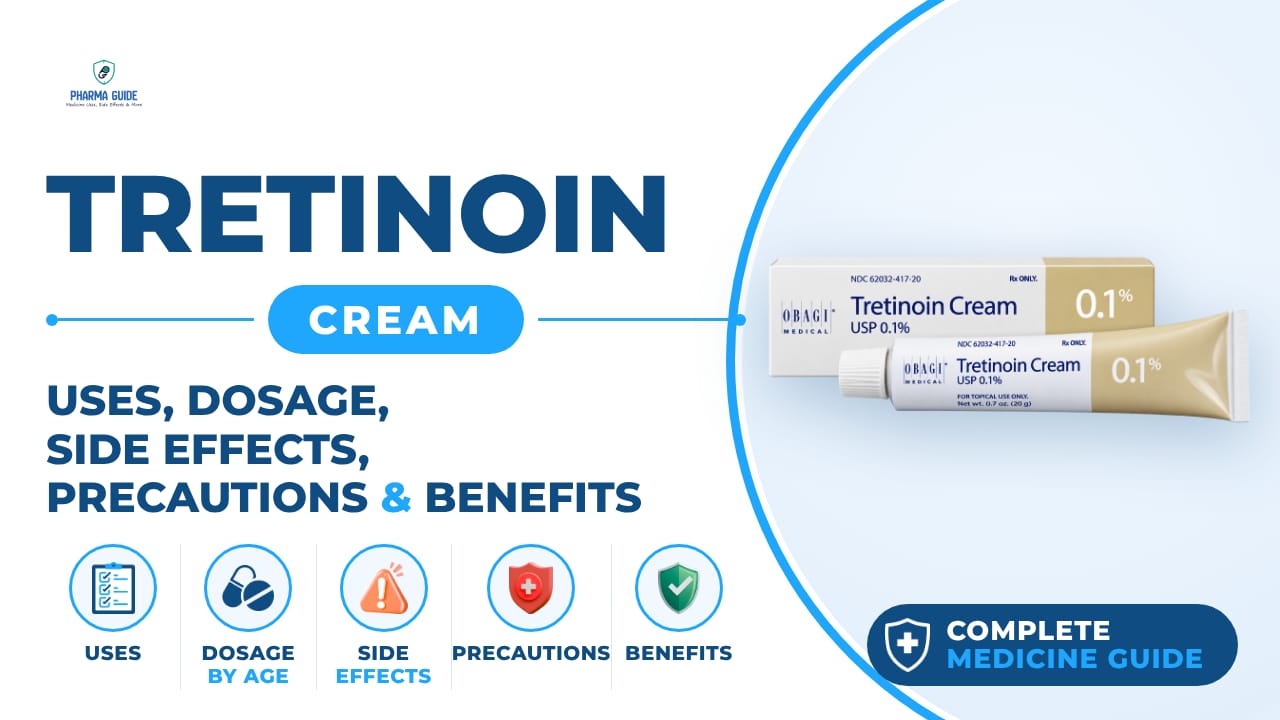
| Generic name | Tretinoin |
|---|---|
| Drug class | Retinoid (topical acne agent) |
| Forms | Cream, Gel, Topical solution, Oral tablet (isotretinoin, a related oral form) |
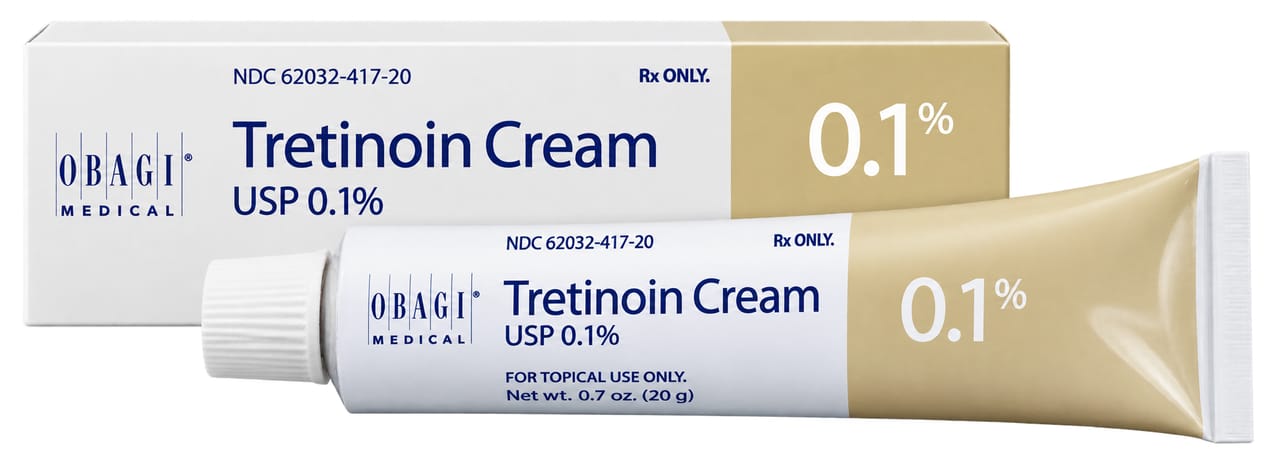
Quick overview
Tretinoin Cream is a prescription-strength topical retinoid made from a synthetic form of vitamin A. It is used mainly to treat acne, sun-damaged skin, and fine wrinkles. It works by speeding up skin cell turnover and helping unclog pores. It is applied once daily, usually at bedtime, and requires certain precautions, such as sun protection.
What is Tretinoin Cream
Tretinoin is a prescription-strength topical cream or gel made from a synthetic form of vitamin A. It is used mainly to treat acne, sun-damaged skin, and fine wrinkles. Its generic name is tretinoin, and it belongs to the retinoid class of topical acne agents.
Tretinoin Cream uses
- Treating acne (acne vulgaris)
- Reducing fine lines and skin roughness from sun damage
- Improving dark spots caused by sun damage
- Exfoliating the skin
- Treating hyperpigmentation
- Treating keratosis pilaris (in some cases, as directed by a doctor)
Benefits of Tretinoin Cream
- Helps treat acne, including blackheads, whiteheads, and clogged pores.
- Promotes faster skin cell turnover, helping prevent new acne lesions.
- Can gradually improve post-acne marks and uneven skin texture.
- Helps reduce fine lines and signs of sun-damaged skin with long-term use.
- May improve skin smoothness and overall appearance over time.
- Helps keep pores from becoming blocked by reducing buildup of dead skin cells.
How Tretinoin Cream works
Tretinoin speeds up the growth and turnover of skin cells, helping unclog pores blocked by dead skin cells and oil, and replacing old skin cells with new ones. It also helps reduce inflammation involved in acne.
Tretinoin Cream dosage
Wash your face gently with a mild cleanser and pat it dry before applying; avoid excessive washing or scrubbing, which can cause irritation. Wait until your skin is completely dry, about 20 to 30 minutes after washing, before applying. Apply once a day, preferably in the evening before bedtime, to avoid sunlight exposure and mixing with daytime products.
Use only a small amount on your fingertips and apply gently to the areas that need treatment; a larger amount or more frequent use will not work faster and may increase irritation. Avoid contact with eyes, mouth, nostrils, and other sensitive areas. Do not apply to broken, sunburned, or eczema-affected skin.
Wash your hands after applying. Do not wash the treated area or apply other skin products for about an hour after applying. You may use moisturizer and cosmetics, but apply them at appropriate times as directed.
Continue using it as prescribed even after your skin improves, since stopping may allow acne to return. It is not approved for use in children under 18 for some brands without medical advice; for acne, the recommended age for use is 12 years and older for some products.
| Age group | Dose |
|---|---|
| Under 12 years | Safety and effectiveness for acne are not well established; specialist advice recommended |
| 12–17 years | Apply a thin layer once daily, usually at bedtime |
| 18–64 years | Apply a thin layer once daily, preferably at bedtime |
| 65+ years | Usually once daily, but consider less frequent application initially if irritation occurs |
Available forms and strengths
- Cream
- Gel
- Topical solution
- Oral tablet (isotretinoin, a related oral form)
Side effects of Tretinoin Cream
Common
- Dry skin
- Peeling or flaky skin
- Skin burning or stinging sensation
- Redness of the skin
- Itchy skin
- Skin pain
- Increased sunburn risk
- Feeling of warmth on the skin
- Lightening or darkening of skin color at the application site
- Sore throat
Serious
- Severe or worsening irritation that doesn't improve
- Blistering or crusting of the skin
- Severe swelling
- Excessive change in skin color
- Signs of a severe allergic reaction such as hives, difficulty breathing, or swelling of the face, lips, tongue, or throat
Warnings and precautions
- It is not known whether tretinoin is safe during pregnancy, so talk with your doctor before using it if you are pregnant or planning to become pregnant. It's unclear if tretinoin passes into breast milk, so it should generally be avoided while breastfeeding.
- Avoid letting alcohol-based products touch your skin while using tretinoin, as they can interact with it and increase irritation.
- Tretinoin makes your skin more sensitive to sunlight, which can increase the risk of sunburn and, over time, may raise the risk of early skin aging or skin cancer. Use sunscreen and protective clothing, and avoid tanning beds and sunlamps.
- Do not apply tretinoin to sunburned skin or areas affected by eczema, as this can worsen irritation.
- Some tretinoin gel products contain fish-derived ingredients, so people with fish allergies should use them cautiously and watch for allergic reactions.
- Avoid using other topical acne products like benzoyl peroxide, salicylic acid, or sulfur-containing products with tretinoin unless your doctor tells you to, since they can increase irritation.
- Tretinoin gel is flammable, so avoid using it near high heat or open flame, and don't smoke until it has completely dried on your skin.
Storage
- Store at 20–25°C (68–77°F) or according to the specific product label.
- Keep in a cool, dry place away from excessive heat.
- Protect from direct sunlight and prolonged light exposure.
- Keep the tube tightly closed when not in use.
- Do not freeze and keep away from heat or open flame.
- Keep out of reach of children and pets.
When to see a doctor
- Stop using tretinoin and contact your doctor if skin irritation doesn't improve within a few weeks, or if you develop persistent or worsening irritation, blistering, crusting, swelling, or excessive discoloration.
- Get emergency medical help right away if you have signs of a severe allergic reaction, such as hives, trouble breathing, or swelling of your face, lips, tongue, or throat.
- Call your doctor if you experience severe burning, stinging, or irritation of treated skin, severe skin dryness, or severe redness, swelling, blistering, peeling, or crusting.
- If you don't see improvement in your acne after 8 to 12 weeks of use, talk to your doctor about whether to continue treatment.
- If you think you may be overdosing, seek emergency medical attention or contact your local poison control center.
Alternatives
- Adapalene + Benzoyl Peroxide
- Erythromycin Topical
- Trifarotene
- Tazarotene
- Adapalene
Watch the video
FAQs
How often should you apply Tretinoin Cream?
Apply a thin layer once a day, preferably in the evening before bedtime, to avoid sunlight exposure and mixing with daytime products.
How long does it take for Tretinoin Cream to work on acne?
If you don't see improvement in your acne after 8 to 12 weeks of use, talk to your doctor about whether to continue treatment.
What are the common side effects of Tretinoin Cream?
Common side effects include dry skin, peeling or flaky skin, burning or stinging, redness, itchiness, skin pain, increased sunburn risk, a warm feeling on the skin, and lightening or darkening of skin color at the application site.
Can you use Tretinoin Cream while pregnant or breastfeeding?
It is not known whether tretinoin is safe during pregnancy, so talk with your doctor before using it if you are pregnant or planning to become pregnant, and it should generally be avoided while breastfeeding since it's unclear if it passes into breast milk.
Can Tretinoin Cream be used with other acne treatments like benzoyl peroxide?
Avoid using other topical acne products like benzoyl peroxide, salicylic acid, or sulfur-containing products with tretinoin unless your doctor tells you to, since they can increase irritation.
General information, not medical advice
Your prescriber and the leaflet in your pack know your situation. This page does not.
- Follow your prescriber and the leaflet
- Don't start, stop, or change a dose on your own
- Doses and warnings differ by country and product
Sources
Video
Related medicines

Injectafer Injection: Uses, Dosage, Side Effects, Precautions and Alternates
Iron products
Injectafer (ferric carboxymaltose) treats iron deficiency anemia and heart failure-related iron deficiency via IV. Learn uses, dosage, side effects, and

Gliclazide Tablet: Uses, Dosage, Side Effects, Precautions and Alternates
Sulfonylurea (hypoglycemic/antidiabetic agent)
Gliclazide Tablet is a sulfonylurea for type 2 diabetes that boosts insulin release. Learn about dosage, side effects, warnings, and precautions.