
Safety
General information, not medical advice
Your prescriber and the leaflet in your pack know your situation. This page does not.
- Follow your prescriber and the leaflet
- Don't start, stop, or change a dose on your own
- Doses and warnings differ by country and product
Triflucan Capsule: Uses, Dosage, Side Effects, Precautions and Alternates
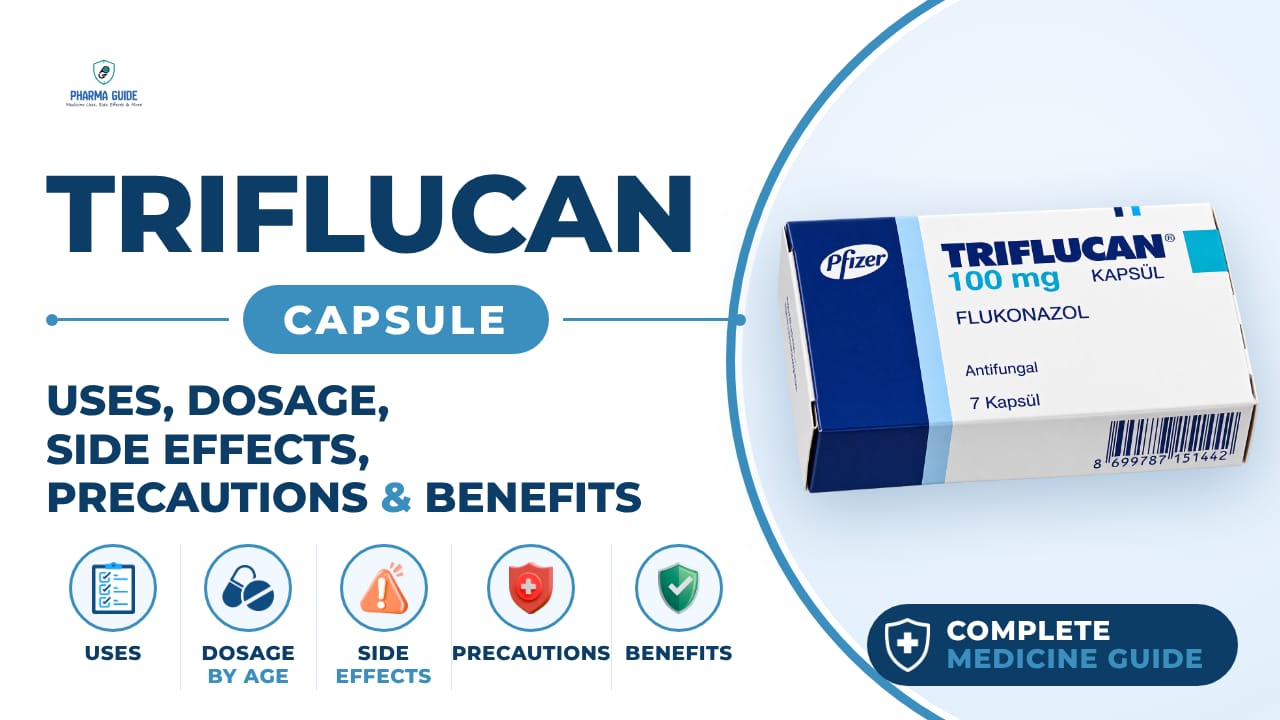
| Generic name | Fluconazole |
|---|---|
| Drug class | Azole antifungal (triazole antifungal) |
| Forms | Capsule, Tablet |
Quick overview
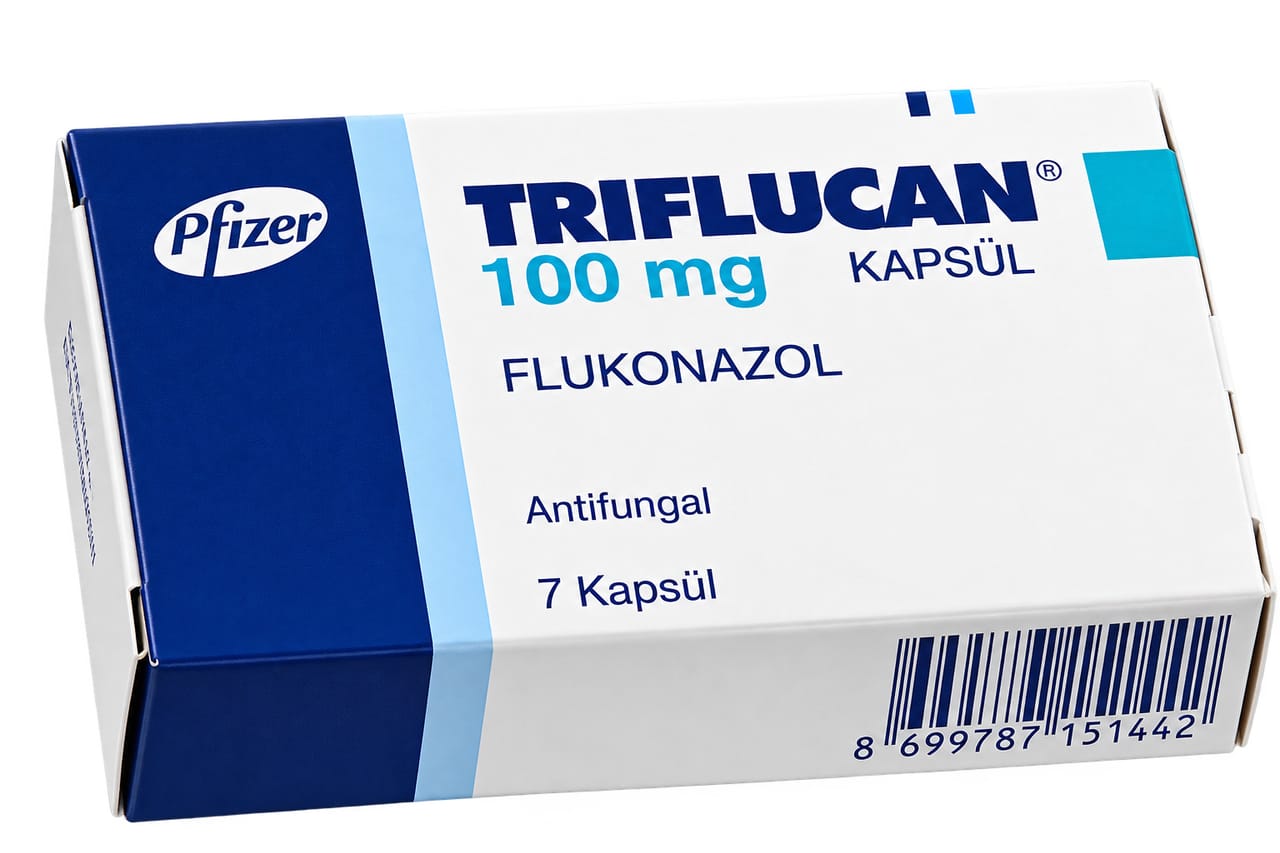
Triflucan Capsule contains fluconazole, an azole (triazole) antifungal medicine. It is a prescription medicine used to treat and prevent fungal and yeast infections, including serious infections of the blood, mouth, throat, and brain. It works by stopping the growth of fungi and yeasts in the body. Dosing depends on age, weight, and the type of infection being treated.
What is Triflucan Capsule
Triflucan is a prescription antifungal medicine that contains fluconazole. It is used to treat and prevent fungal and yeast infections, including serious infections in the blood, mouth, throat, and brain.
Triflucan Capsule uses
- Vaginal yeast infections (vaginal candidiasis)
- Oral thrush and esophageal candidiasis (fungal infections of the mouth, throat, or esophagus)
- Cryptococcal meningitis (a serious fungal infection of the brain and spinal cord)
- Systemic Candida infections (infections in the blood, urinary tract, or peritonitis)
- Preventing fungal infections in patients with weakened immune systems, such as bone marrow transplant recipients or cancer patients
Benefits of Triflucan Capsule
- Can clear up vaginal yeast infections with a single dose
- Helps prevent fungal infections in people with weak immune systems
How Triflucan Capsule works
Fluconazole blocks an enzyme that fungi need to build their cell walls. Without this enzyme working properly, abnormal substances build up in the fungal cell wall, weakening it and stopping the fungus from growing.
Triflucan Capsule dosage
Triflucan can be taken with or without food, at any time of day. Use it for the full length of time your doctor prescribes, even if you start feeling better quickly, since skipping doses can increase the risk of an infection that resists treatment. This medicine will not work against viral infections such as the flu or common cold.
If using the liquid oral suspension, shake it before measuring a dose, and use a proper dosing syringe or medicine dose-measuring device instead of a kitchen spoon. If you miss a dose, take it as soon as you remember, but skip it if it is almost time for your next dose — do not take two doses at once.
| Age group | Dose |
|---|---|
| 1–5 months | Selected serious infections require weight-based dosing; for mucosal candidiasis, the regional product label describes 6 mg/kg initially, then 3 mg/kg daily |
| 6 months–11 years | Mucosal candidiasis: 6 mg/kg initially, then 3 mg/kg once daily; serious fungal infections may require different weight-based regimens |
| 12–39 years | Pediatric weight-based or adult regimens selected by a specialist according to weight, development, and infection |
| 40–64 years | Same indication-specific adult dosing as ages 18–39 |
Available forms and strengths
- Capsule
- Tablet
Side effects of Triflucan Capsule
Common
- Headache
- Diarrhea
- Nausea or upset stomach
- Dizziness
- Stomach pain
- Changes in the way food tastes
- Skin rash
Serious
- Allergic reactions including anaphylaxis (shortness of breath, coughing, wheezing, fever, chills, swelling of the face or throat, hives, blisters or skin peeling)
- Liver injury (loss of appetite, upper right stomach pain, tiredness, itching, dark urine, clay-colored stools, or yellowing of skin or eyes)
- Severe skin reactions such as Stevens-Johnson Syndrome, toxic epidermal necrolysis, or DRESS syndrome (rash with fever and swollen glands)
- Heart rhythm changes (QT prolongation or torsades de pointes), especially with certain interacting medicines
- Adrenal insufficiency (long-lasting fatigue, muscle weakness, loss of appetite, weight loss, or stomach pain)
- Seizures
Warnings and precautions
- Fluconazole can cause serious, sometimes fatal, liver damage, mainly in people with existing serious health conditions. Stop the medicine and contact a doctor right away if you notice signs of liver problems. Rare but serious skin reactions can occur, including Stevens-Johnson syndrome and toxic epidermal necrolysis, which can be life-threatening. Fluconazole can affect the heart's electrical rhythm (QT prolongation), which in rare cases has led to a dangerous irregular heartbeat called torsades de pointes.
- Fluconazole must not be taken with certain medicines such as terfenadine (at higher doses), cisapride, astemizole, pimozide, quinidine, or erythromycin because of the risk of dangerous heart rhythm problems. Do not take fluconazole if you are allergic to it or to other azole antifungal medicines.
- Pregnancy: Fluconazole may harm an unborn baby and has been linked to a higher risk of miscarriage and birth defects. Effective birth control is recommended during treatment and for about a week after the last dose. Standard-dose, short courses should not be used in pregnancy unless clearly necessary, and high-dose or long-term use should be avoided except for life-threatening infections.
- Breastfeeding: Fluconazole passes into breast milk at levels similar to those in the mother's blood. Breastfeeding may continue after a single 150 mg dose, but is not recommended after repeated or high-dose use. Talk to your doctor about the best way to feed your baby.
- Kidney: People with kidney disease may need a lower dose because fluconazole is mainly removed from the body by the kidneys. Tell your doctor if you have kidney disease.
- Liver: Fluconazole should be used carefully in people with liver problems. In rare cases it has caused serious, sometimes fatal, liver damage. Tell your doctor right away if you notice signs of liver problems such as loss of appetite, stomach pain, tiredness, itching, dark urine, or yellowing of the skin or eyes.
- Alcohol: No major direct interaction is established, but alcohol may worsen nausea and complicate the management of existing liver disease.
- Driving: Fluconazole can cause dizziness or seizures, so avoid driving or doing anything that requires alertness until you know how this medicine affects you.
Storage
- Store at room temperature away from moisture and heat
- Do not freeze
- You may store the oral suspension between 41°F (5°C) and 86°F (30°C) but do not allow it to freeze
- Throw away any leftover liquid suspension that is more than 2 weeks old
- Keep out of reach of children and pets
When to see a doctor
- Get medical help right away if you have signs of a serious allergic reaction, such as trouble breathing, coughing, wheezing, fever, chills, or swelling of the face, mouth, or throat, or skin rash, hives, blisters, or peeling skin
- Tell your healthcare provider right away if you notice signs of liver problems, such as loss of appetite, upper right stomach pain, tiredness, itching, dark urine, pale stools, or yellowing of the skin or eyes
- Tell your doctor right away if you develop a skin rash, especially if it comes with fever, swollen glands, or signs of organ inflammation, as this may be a serious reaction
- Get emergency help if you overdose, which can cause confusion or unusual thoughts or behavior
- Tell your doctor if you experience long-lasting tiredness, muscle weakness, loss of appetite, weight loss, or stomach pain, which may be signs of adrenal gland problems
Alternatives
- Nystatin
- Miconazole
- Clotrimazole
Watch the video
FAQs
What is Triflucan Capsule used for?
Triflucan Capsule, which contains fluconazole, treats and prevents fungal and yeast infections including vaginal yeast infections, oral thrush, esophageal candidiasis, cryptococcal meningitis, and systemic Candida infections. It is also used to prevent fungal infections in people with weakened immune systems, such as bone marrow transplant recipients or cancer patients.
How does Triflucan Capsule work?
Fluconazole blocks an enzyme that fungi need to build their cell walls. This causes abnormal substances to build up in the fungal cell wall, weakening it and stopping the fungus from growing.
Can Triflucan Capsule be taken during pregnancy?
Fluconazole may harm an unborn baby and has been linked to a higher risk of miscarriage and birth defects. Effective birth control is recommended during treatment and for about a week after the last dose, and standard-dose short courses should not be used in pregnancy unless clearly necessary.
What are the common side effects of Triflucan Capsule?
Common side effects include headache, diarrhea, nausea or upset stomach, dizziness, stomach pain, changes in the way food tastes, and skin rash.
Is Triflucan Capsule safe while breastfeeding?
Fluconazole passes into breast milk at levels similar to those in the mother's blood. Breastfeeding may continue after a single 150 mg dose, but is not recommended after repeated or high-dose use, so it's best to talk to your doctor.
General information, not medical advice
Your prescriber and the leaflet in your pack know your situation. This page does not.
- Follow your prescriber and the leaflet
- Don't start, stop, or change a dose on your own
- Doses and warnings differ by country and product
Sources
Video
Related medicines
Cresemba Capsule: Uses, Dosage, Side Effects, Precautions and Alternates
azole antifungal (triazole antifungal)
Cresemba Capsule (isavuconazonium) treats invasive aspergillosis and mucormycosis. Learn about dosage, side effects, warnings, and precautions before use.
Noxafil Tablet: Uses, Dosage, Side Effects, Precautions and Alternates
Azole antifungal (triazole antifungal)
Noxafil Tablet (posaconazole) prevents and treats serious fungal infections in immunocompromised patients. Learn about dosage, side effects, and precautions.