
Safety
General information, not medical advice
Your prescriber and the leaflet in your pack know your situation. This page does not.
- Follow your prescriber and the leaflet
- Don't start, stop, or change a dose on your own
- Doses and warnings differ by country and product
Tylenol Syrup: Uses, Dosage, Side Effects, Precautions and Alternates
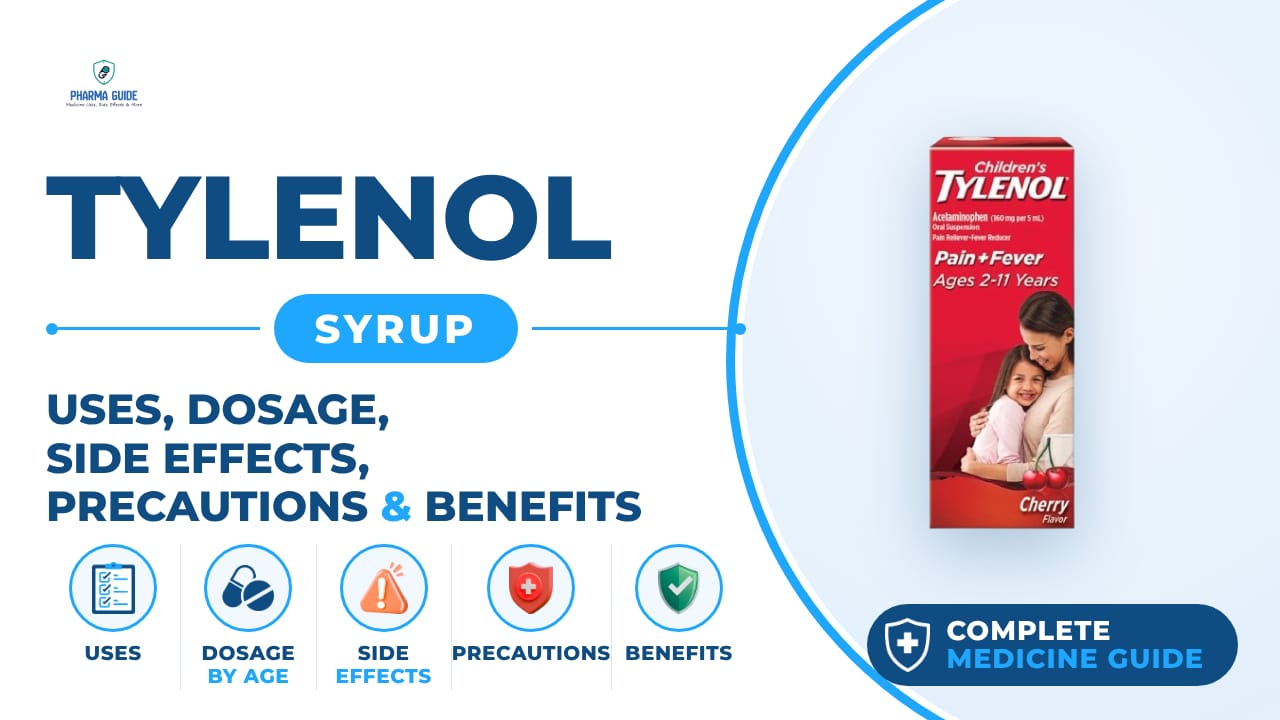
| Generic name | Acetaminophen |
|---|---|
| Drug class | analgesic (pain reliever) and antipyretic (fever reducer |
| Forms | Oral suspension (liquid) |
Quick overview
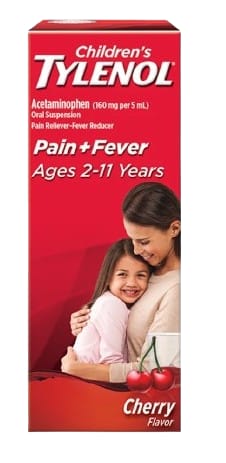
Tylenol Syrup is a liquid medicine containing acetaminophen, an analgesic (pain reliever) and antipyretic (fever reducer). It is used to reduce fever and relieve minor aches and pains in children. The formula is ibuprofen-free, aspirin-free, alcohol-free, and paraben-free, and it is given using a dosing cup based on a child's weight or age.
What is Tylenol Syrup
Children's Tylenol is a liquid medicine that contains acetaminophen. It is used to reduce fever and relieve minor aches and pains in children.
Tylenol Syrup uses
- Temporarily reduces fever
- Relieves minor aches and pains due to the common cold
- Relieves pain from flu
- Relieves headache
- Relieves sore throat
- Relieves toothache
Benefits of Tylenol Syrup
- Starts to reduce fever in as little as 15 minutes
- Comes in flavors that are gentle on the tummy
- Ibuprofen-free, aspirin-free, alcohol-free, and paraben-free formula
How Tylenol Syrup works
It works mainly by reducing the production of prostaglandins in the central nervous system (brain and spinal cord). Prostaglandins are chemicals involved in producing pain and fever.
For pain: It reduces the pain signals and makes the brain less sensitive to pain.
For fever: It acts on the brain's temperature-regulating center and helps bring an elevated body temperature back toward normal.
It does not treat the underlying cause of an infection; it only helps relieve pain and fever.
Tylenol Syrup dosage
Shake well before using. Find the right dose on the chart. If possible, use weight to dose; otherwise, use age. Remove the child protective cap and squeeze your child's dose into the dosing cup. Repeat the dose every 4 hours while symptoms last. Do not give more than 5 times in 24 hours.
Use only the enclosed dosing cup specifically designed for use with this product. Do not use any other dosing device. This product does not contain directions or complete warnings for adult use. Measure any liquid dose with the supplied measuring device, not a kitchen spoon.
| Age group | Dose |
|---|---|
| Under 2 years | Consult a doctor before use |
| 2–3 years | 5 mL |
| 4–5 years | 7.5 mL |
| 6–8 years | 10 mL |
| 11 years | 15 mL |
| 12 years and older | 20 mL |
Available forms and strengths
Oral suspension (liquid)
Side effects of Tylenol Syrup
Common
- Less serious side effects may occur, and you may have none at all.
Serious
- Signs of an allergic reaction such as hives, difficult breathing, or swelling of the face, lips, tongue, or throat
- Severe skin reaction: skin redness or a rash that spreads and causes blistering and peeling
- Liver problems: loss of appetite, nausea, vomiting, stomach pain (upper right side), tiredness, itching, dark urine, clay-colored stools, jaundice (yellowing of the skin or eyes)
- Any new or worsening symptoms
- Redness or swelling
Warnings and precautions
- This product contains acetaminophen. Severe liver damage may occur if your child takes more than 5 doses in 24 hours or takes it with other drugs containing acetaminophen.
- Acetaminophen may cause severe skin reactions such as skin reddening, blisters, or rash. If a skin reaction occurs, stop use and seek medical help right away.
- Do not use with any other drug containing acetaminophen, whether prescription or nonprescription. If you are not sure whether a drug contains acetaminophen, ask a doctor or pharmacist.
- Do not use if your child is allergic to acetaminophen or any of the inactive ingredients in this product.
- Ask a doctor or pharmacist before use if your child is taking the blood thinning drug warfarin.
- Do not give this medicine to a child without medical advice.
- An overdose of acetaminophen can damage your liver or cause death. Do not take more than recommended.
- Ask a doctor before using this medicine if you are pregnant. Ask a doctor before using this medicine if you are breastfeeding.
- Ask a doctor before use if your child has liver disease. Severe liver damage may occur if too much is taken or if it is used with other drugs containing acetaminophen.
- Drinking alcohol may increase your risk of liver damage. Ask a doctor or pharmacist before use if you have liver disease, cirrhosis, alcoholism, or drink more than 3 alcoholic beverages per day.
Storage
- Store between 20-25°C (68-77°F).
- Store at room temperature away from heat and moisture.
- Protect the liquid medicine from light.
- Do not use if carton tape or bottle wrap imprinted with "TYLENOL" is broken or missing.
- Keep out of reach of children.
When to see a doctor
- Stop use and ask a doctor if pain gets worse or lasts more than 5 days, fever gets worse or lasts more than 3 days, new symptoms occur, or redness or swelling is present. These could be signs of a serious condition.
- If a sore throat is severe, persists for more than 2 days, or is accompanied or followed by fever, headache, rash, nausea, or vomiting, consult a doctor promptly.
- In case of overdose, get medical help or contact your local Poison Control Center right away, even if you do not notice any signs or symptoms.
- Get emergency medical help if you have signs of an allergic reaction such as hives, difficult breathing, or swelling of your face, lips, tongue, or throat.
- Stop taking the medicine and call your doctor right away if you have skin redness or a rash that spreads and causes blistering and peeling, or signs of liver problems.
Alternatives
- Paracetamol (sold under names such as Panadol and Calpol)
- Anacin AF
- Mapap
- M-Pap
Watch the video
FAQs
What is Tylenol Syrup used for?
It temporarily reduces fever and relieves minor aches and pains from the common cold, flu, headache, sore throat, and toothache in children.
How often can I give Tylenol Syrup to my child?
The dose can be repeated every 4 hours while symptoms last, but it should not be given more than 5 times in 24 hours.
How quickly does Tylenol Syrup work?
It starts to reduce fever in as little as 15 minutes.
What are the serious side effects of Tylenol Syrup?
Serious side effects include signs of an allergic reaction (hives, difficulty breathing, swelling of the face, lips, tongue, or throat), severe skin reactions with blistering and peeling, and liver problems such as nausea, vomiting, dark urine, or jaundice.
When should I stop giving Tylenol Syrup and see a doctor?
Stop use and ask a doctor if pain worsens or lasts more than 5 days, fever worsens or lasts more than 3 days, new symptoms occur, or there is redness or swelling.
General information, not medical advice
Your prescriber and the leaflet in your pack know your situation. This page does not.
- Follow your prescriber and the leaflet
- Don't start, stop, or change a dose on your own
- Doses and warnings differ by country and product
Sources
- https://www.tylenol.com/products/children-infants/childrens-tylenol-oral-suspension
- https://www.drugs.com/mtm/children-s-tylenol.html
- DailyMed - CHILDRENS TYLENOL acetaminophen suspension, Kenvue Brands LLC
Video
Related medicines
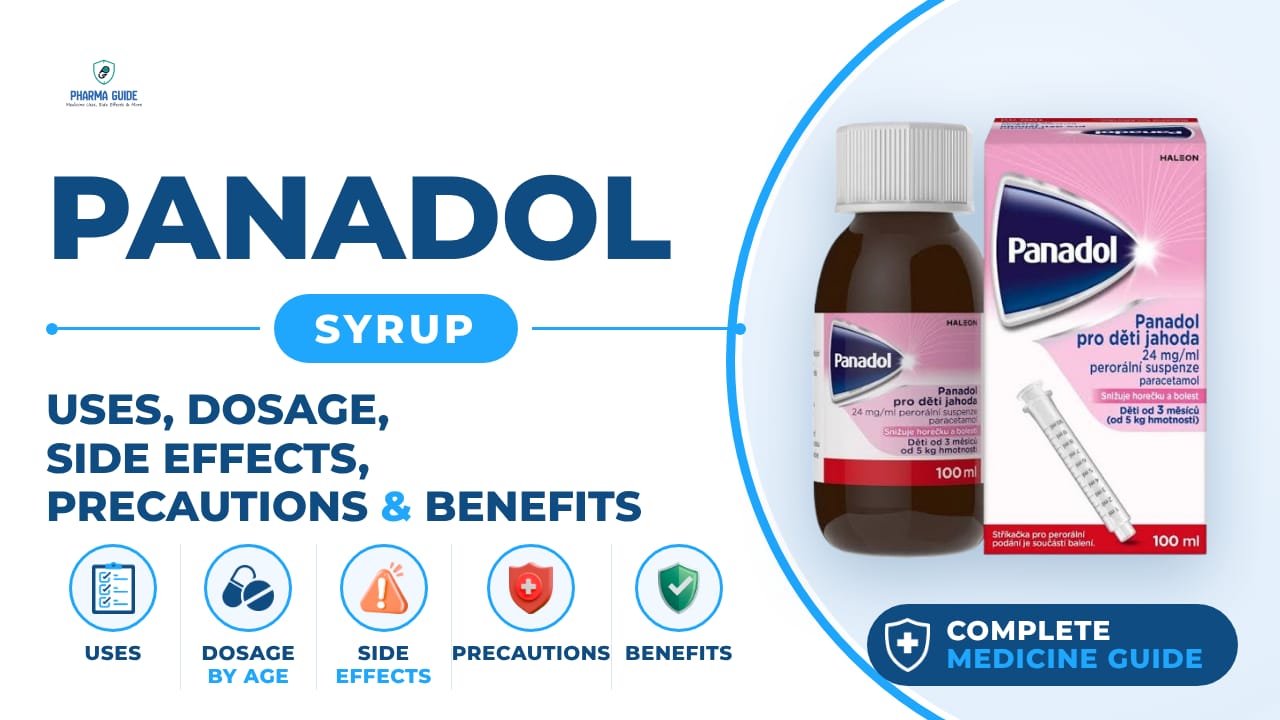
Panadol Syrup: Uses, Dosage, Side Effects, Precautions and Alternates
analgesic (pain reliever) & antipyretic (fever reducer)
Panadol Syrup contains paracetamol to relieve pain and reduce fever in children, easing earache, teething, headache and cold or flu symptoms.
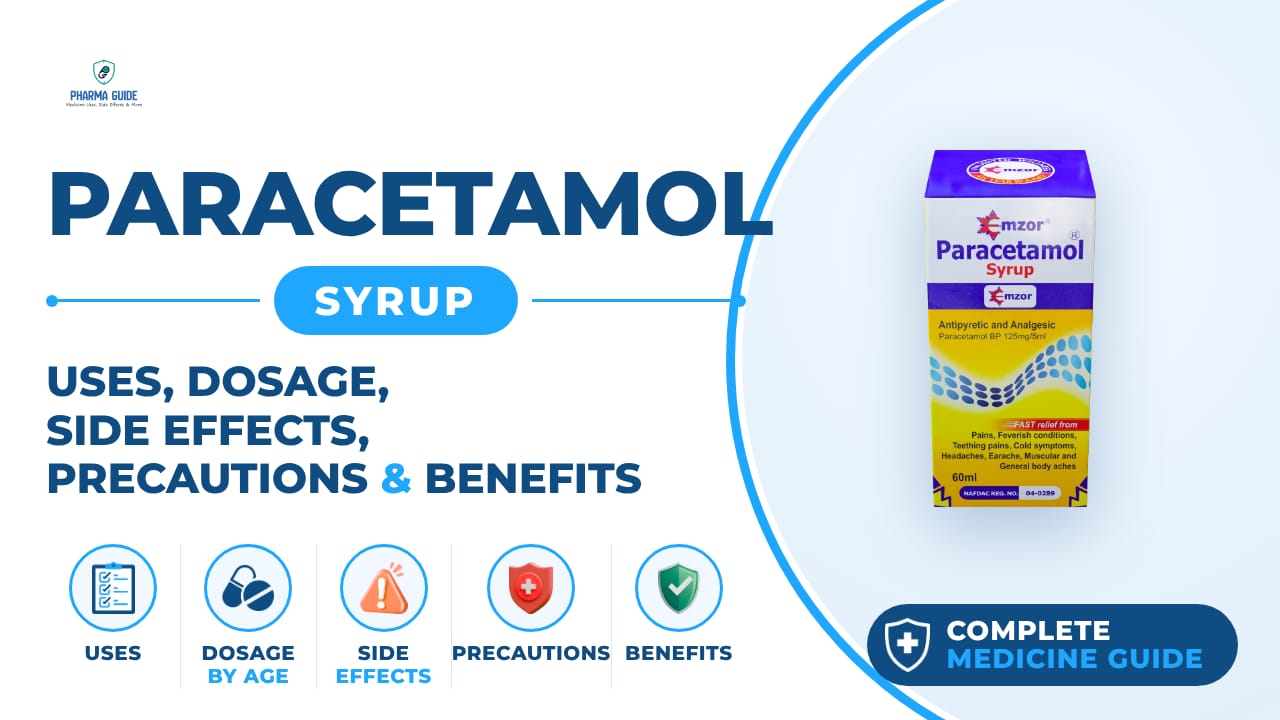
Paracetamol Syrup: Uses, Dosage, Side Effects, Precautions and Alternates
analgesic (pain reliever) and antipyretic (fever reducer)
Paracetamol Syrup relieves mild-to-moderate pain and fever in babies and children, including post-vaccination fever. Learn dosage, side effects, and safety