
Safety
General information, not medical advice
Your prescriber and the leaflet in your pack know your situation. This page does not.
- Follow your prescriber and the leaflet
- Don't start, stop, or change a dose on your own
- Doses and warnings differ by country and product
Vasopressin Injection: Uses, Dosage, Side Effects, Precautions and Alternates
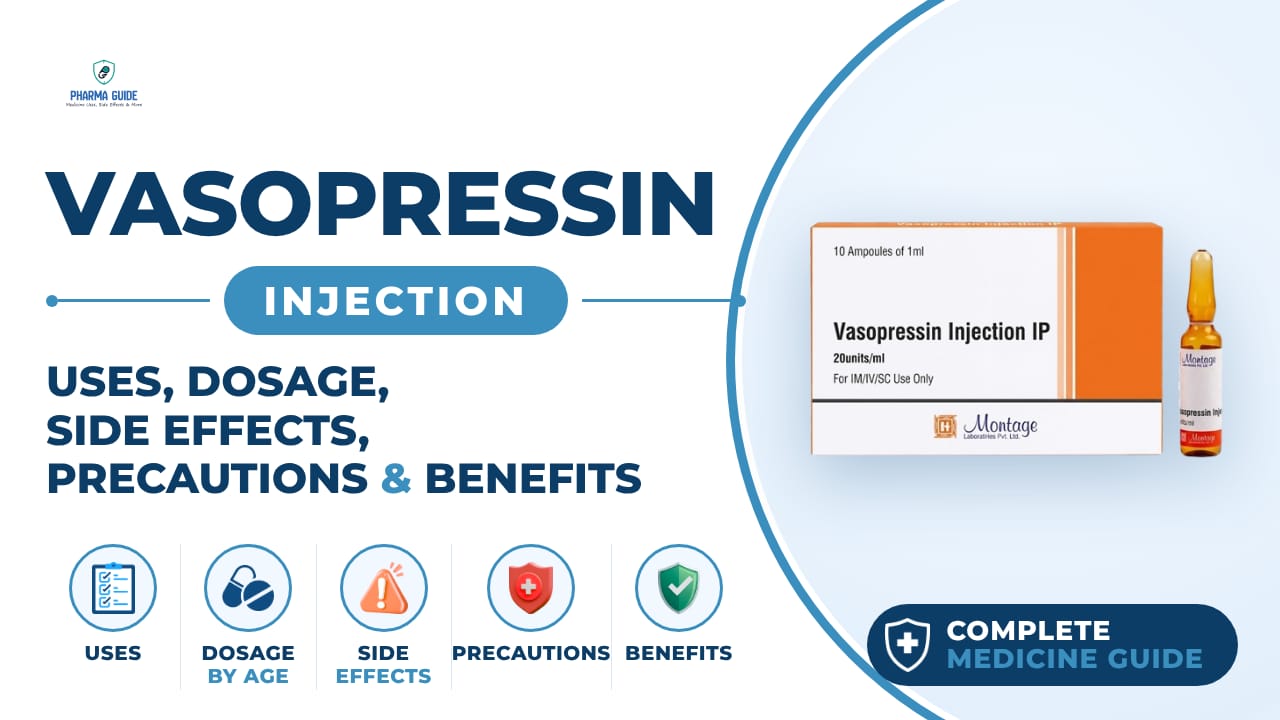
| Generic name | Vasopressin |
|---|---|
| Drug class | Antidiuretic hormones |
| Forms | Injection (intravenous solution) |
Quick overview
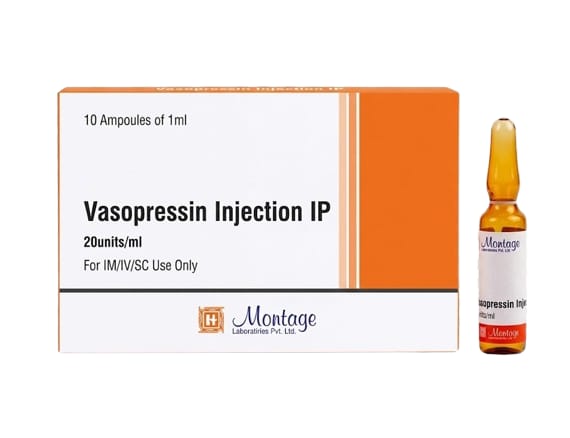
Vasopressin Injection contains vasopressin, a man-made version of a natural hormone, from the antidiuretic hormone drug class. It is given as an injection into a vein to raise blood pressure in adults with severe low blood pressure (vasodilatory shock) when fluids and other blood-pressure medicines have not worked. It works by constricting blood vessels and reducing urine output.
What is Vasopressin Injection
Vasopressin is a man-made version of a natural hormone. It is given as an injection into a vein to raise blood pressure in adults with severe low blood pressure (vasodilatory shock) when other treatments like fluids and other blood-pressure medicines have not worked.
Vasopressin Injection uses
- Increase blood pressure in adults with vasodilatory shock (for example, after heart surgery or from sepsis) who remain hypotensive despite fluids and other blood pressure medicines
- Diabetes insipidus (a condition causing excess urination)
- Low blood pressure associated with shock
- Abdominal distension (swelling) after abdominal surgery
- Used before an abdominal x-ray procedure
Benefits of Vasopressin Injection
- Raises blood pressure in people with dangerously low blood pressure from certain types of shock
- May reduce the amount of other blood-pressure medicines (catecholamines) needed
- In septic shock, may lead to higher urine output, lower creatinine levels, and less need for dialysis compared with some other treatments
How Vasopressin Injection works
Vasopressin works by tightening (constricting) blood vessels, which raises blood pressure, and by reducing the amount of urine the body makes.
Vasopressin Injection dosage
Vasopressin Injection is given as an injection into a vein by a healthcare provider; it is not self-administered. Your heart rate and blood pressure will be closely and constantly monitored while you receive this medicine. The dose may be gradually increased or decreased by your care team based on your blood pressure response. You may need follow-up blood tests after treatment ends to check your body's fluid and salt balance. If you receive this medicine during an emergency, make sure any follow-up doctor knows you received it. It is not recommended for use in children and adolescents under 18 due to lack of safety data.
Use exactly as prescribed by your doctor or pharmacist.
Available forms and strengths
- Injection (intravenous solution)
Side effects of Vasopressin Injection
Common
- Fever, feeling very tired
- Dry mouth, increased thirst or increased urination
- Dizziness
- Pounding sensation (throbbing) in the head or ears
- Pale skin
- Stomach pain
- Flatulence (passing gas)
- Nausea and vomiting
- Sweating
- Pain at the injection site
Serious
- Signs of allergic reaction: hives, difficulty breathing, swelling of face, lips, tongue, or throat
- Severe numbness or tingling in hands or feet, pale skin, blue lips or fingernails, unusual skin changes, especially in lower legs or feet
- Unusual bleeding, bleeding that will not stop, easy bruising, purple or red spots under the skin
- Heart problems: swelling, rapid weight gain, shortness of breath, chest pressure, chest pain or tightness, trouble breathing, racing or pounding heartbeats, fluttering in the chest, slow breathing, irregular or uneven heartbeats
- Severe stomach pain, nausea, vomiting, gas, bowel problems
- Low blood sodium: headache, confusion, problems with thinking or memory, weakness, feeling unsteady
- Kidney problems: swelling, urinating less, feeling tired or short of breath
- Irregular heartbeat
- Reversible diabetes insipidus after stopping treatment, with excess urination and high blood sodium
Warnings and precautions
- This medicine can worsen heart function in people whose heart is already not pumping well.
- After stopping this medicine, some people may develop a reversible form of diabetes insipidus, causing excess urination, very dilute urine, and high blood sodium. Blood salts, fluid levels, and urine output need to be monitored after the medicine is stopped.
- This medicine should not be given to people allergic to vasopressin or, for certain vial types, to the preservative chlorobutanol.
- Vasopressin tightens blood vessels in the gut and can be harmful for people with poor blood flow to the intestines or those at risk of surgical wound breakdown in the gut.
- This medicine should not be given into a vein outside a central line because there is no treatment available if it leaks into surrounding tissue.
- Should be used carefully in people with a history of asthma, migraine, seizures, or high blood pressure, since side effects may be more severe.
- This medicine can increase the risk of fluid overload and low blood sodium. Fluid intake is adjusted and patients are monitored for signs like tiredness, drowsiness, and headaches.
- Vasopressin can cause early labor contractions and is not recommended during pregnancy unless needed. There is no clear evidence on whether it harms the baby, but it may need dose adjustments in later pregnancy.
- It isn't known if vasopressin passes into breast milk. Doctors may advise a breastfeeding mother to pump and discard milk for a short time after receiving the medicine to reduce exposure to the baby.
- This medicine is not recommended if you have chronic kidney inflammation with nitrogen buildup, as it may worsen the condition. It may also cause kidney problems such as reduced urination.
- Drinking alcohol may make this medicine less effective and should be avoided during treatment.
- This medicine may cause dizziness. Do not drive or operate machinery if you feel dizzy or less alert after receiving it.
Storage
- Store between 2°C and 8°C (36°F and 46°F). Do not freeze.
- Vials may be held up to 12 months upon removal from refrigeration to room temperature storage conditions (20°C to 25°C [68°F to 77°F]), anytime within the labeled shelf life.
- Do not use Vasostrict beyond the manufacturer's expiration date stamped on the vial.
- After initial entry into the 10 mL vial, the remaining contents must be refrigerated. Discard the refrigerated 10 mL vial after 30 days after first puncture.
When to see a doctor
- Get emergency help right away if you have signs of an allergic reaction such as hives, trouble breathing, or swelling of the face, lips, tongue, or throat.
- Tell your medical team immediately about severe numbness or tingling in hands or feet, pale skin, blue lips or nails, or unusual skin changes, especially in the lower legs or feet.
- Tell your medical team immediately about unusual or uncontrolled bleeding, easy bruising, or purple/red spots under the skin.
- Tell your medical team immediately about signs of heart problems such as swelling, rapid weight gain, shortness of breath, chest pain or pressure, or irregular heartbeats.
- Tell your medical team immediately about signs of low blood sodium, such as headache, confusion, memory problems, weakness, or feeling unsteady.
- Tell your medical team immediately about signs of kidney problems such as swelling, urinating less, or feeling tired or short of breath.
Alternatives
- Dopamine
- Epinephrine
- Norepinephrine
Watch the video
FAQs
What is Vasopressin Injection used for?
It is used to increase blood pressure in adults with vasodilatory shock, such as after heart surgery or from sepsis, who remain hypotensive despite fluids and other blood pressure medicines. It is also used for diabetes insipidus, shock-related low blood pressure, abdominal distension after surgery, and before abdominal x-ray procedures.
How does Vasopressin Injection work?
Vasopressin works by tightening (constricting) blood vessels, which raises blood pressure, and by reducing the amount of urine the body makes.
How is Vasopressin Injection given?
It is given as an injection into a vein by a healthcare provider; it is not self-administered. Heart rate and blood pressure are closely monitored, and the dose may be adjusted based on response. It is not recommended for use in children and adolescents under 18.
What are the serious side effects of Vasopressin Injection?
Serious side effects include allergic reactions, severe numbness or tingling with pale or blue skin, unusual bleeding or bruising, heart problems like chest pain or irregular heartbeats, low blood sodium symptoms such as confusion or weakness, kidney problems, and reversible diabetes insipidus after stopping treatment.
Can Vasopressin Injection be used during pregnancy or breastfeeding?
It can cause early labor contractions and is not recommended during pregnancy unless needed, with possible dose adjustments later in pregnancy. It isn't known if it passes into breast milk, so doctors may advise pumping and discarding milk for a short time after receiving the medicine.
General information, not medical advice
Your prescriber and the leaflet in your pack know your situation. This page does not.
- Follow your prescriber and the leaflet
- Don't start, stop, or change a dose on your own
- Doses and warnings differ by country and product
Sources
Video
Related medicines

Injectafer Injection: Uses, Dosage, Side Effects, Precautions and Alternates
Iron products
Injectafer (ferric carboxymaltose) treats iron deficiency anemia and heart failure-related iron deficiency via IV. Learn uses, dosage, side effects, and

Gliclazide Tablet: Uses, Dosage, Side Effects, Precautions and Alternates
Sulfonylurea (hypoglycemic/antidiabetic agent)
Gliclazide Tablet is a sulfonylurea for type 2 diabetes that boosts insulin release. Learn about dosage, side effects, warnings, and precautions.