
Safety
General information, not medical advice
Your prescriber and the leaflet in your pack know your situation. This page does not.
- Follow your prescriber and the leaflet
- Don't start, stop, or change a dose on your own
- Doses and warnings differ by country and product
Vestibo Tablet: Uses, Dosage, Side Effects, Precautions and Alternates
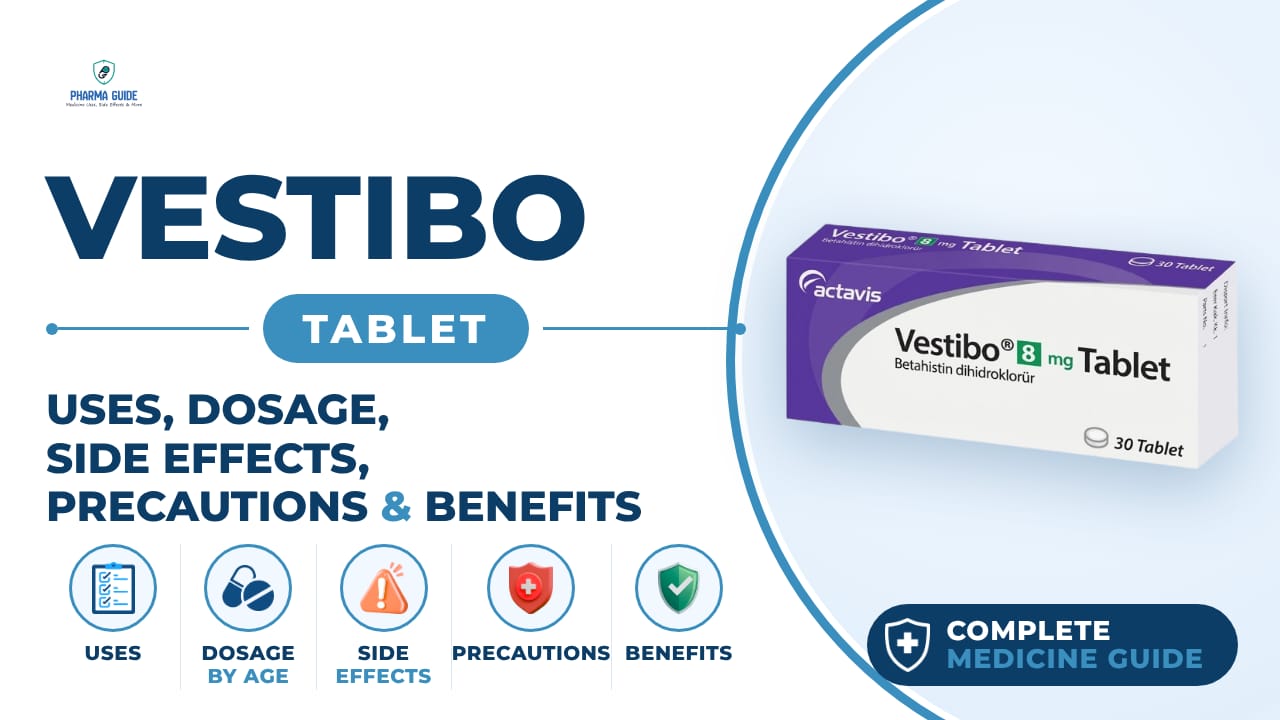
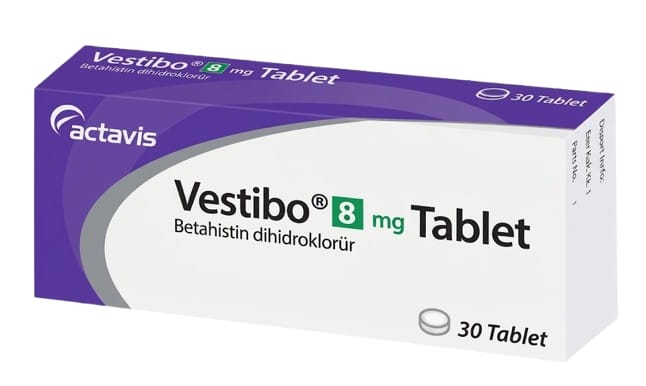
| Generic name | Betahistine Dihydrochloride |
|---|---|
| Forms | Tablet |
Quick overview
Vestibo Tablet (Betahistine Dihydrochloride) is used to treat balance disorders such as Meniere's disease, vestibular vertigo, and tinnitus. It works by improving blood flow in the inner ear and regulating fluid pressure that causes dizziness, ringing in the ears, and hearing problems. It is taken regularly, with or after food, and is not recommended for children and teenagers under 18.
What is Vestibo Tablet
Vestibo is a medicine used to treat balance disorders. It helps improve blood flow in the inner ear and regulate the fluid pressure that causes dizziness, ringing in the ears, and hearing problems.
Vestibo Tablet uses
- Meniere's disease (vertigo, tinnitus, and hearing loss)
- Vestibular vertigo (dizziness caused by inner ear problems)
- Tinnitus (ringing or buzzing in the ears)
- Nausea and vomiting linked to balance disorders
- Hearing loss prevention related to inner ear pressure
Benefits of Vestibo Tablet
- Vertigo Relief: Helps reduce spinning sensations and dizziness.
- Ménière's Disease Support: Used to help manage vertigo associated with Ménière's disease.
- Balance Support: May help reduce balance disturbances related to inner-ear disorders.
- Ear Symptom Support: May help reduce associated ear pressure and ringing in some patients.
- Inner-Ear Circulation: Thought to improve blood flow and fluid regulation in the inner ear.
How Vestibo Tablet works
Vestibo works on histamine receptors in the inner ear. It widens the small blood vessels there, which improves blood flow and reduces the buildup of fluid that causes pressure, dizziness, and ringing in the ears. This helps the inner ear send clearer balance signals to the brain.
Vestibo Tablet dosage
Take the tablets with or after food to help prevent stomach upset. This medicine is meant for regular, ongoing use rather than a one-time dose before travel. It may take about two to four weeks of regular use before you notice less frequent vertigo attacks. This medicine is not recommended for children and teenagers under 18. If you miss a dose, take it at your next regular dosing time; do not double up. Tell your doctor about any other medicines you take, especially antihistamines, since they may work against this medicine.
| Age group | Dose |
|---|---|
| Under 18 years | Not recommended |
| 18–64 years | 10 mg, once/day |
| 65+ years | 10 mg, once/day |
Available forms and strengths
- Tablet
Side effects of Vestibo Tablet
Common
- Mild headache
- Nausea
- Indigestion (dyspepsia, heartburn, burning, stomach discomfort)
- Bloating or stomach ache
- Rash or itching
- Drowsiness
- Insomnia
Serious
- Severe allergic reactions, including swelling of the face, lips, or tongue
- Breathing difficulties
- Drop in blood pressure
- Worsening of asthma symptoms
- Fast heartbeat
Warnings and precautions
This medicine is not recommended during pregnancy unless your doctor decides the benefits outweigh the risks. It passes into breast milk, so it should be avoided while breastfeeding. Alcohol can strengthen the effect of this medicine and may worsen dizziness, so it should be limited while being treated for vertigo. This medicine usually does not affect your ability to drive or operate machinery, but in rare cases it can cause drowsiness, so avoid these tasks if you feel drowsy.
- Do not take this medicine if you have pheochromocytoma, a tumor of the adrenal gland, because it can cause a severe spike in blood pressure.
- Use with caution if you have a peptic ulcer, as the medicine may increase the risk of stomach discomfort.
- Use with caution if you have asthma, hives, rash, or allergic rhinitis, since allergy symptoms may get worse during treatment.
- Use with caution if you have low blood pressure.
- Use with caution if you have cluster or migraine headaches, as this medicine may trigger attacks.
- Do not take this medicine together with antihistamine allergy medicines.
- This medicine contains lactose, so people with certain sugar intolerances should avoid it or check with their doctor first.
Storage
- Store at a temperature not exceeding 25°C.
- Keep out of reach of children.
- Medicines should not be disposed of via wastewater or household waste container. Ask your pharmacist how to destroy unneeded drugs.
When to see a doctor
- If you take more than the prescribed dose, contact a doctor right away.
- Watch for signs of overdose such as nausea, vomiting, stomach upset, loss of balance and coordination, or seizures, and get medical help immediately if these occur.
- If any side effect becomes severe or you notice a side effect not mentioned here, tell your doctor or pharmacist.
- Seek medical help right away if you notice swelling of the face, lips, or tongue, or breathing difficulties.
Alternatives
- Cinnarizine
- Prochlorperazine
- Meclizine
Watch the video
FAQs
What is Vestibo Tablet used for?
Vestibo Tablet is used to treat balance disorders such as Meniere's disease, vestibular vertigo, and tinnitus. It also helps with nausea and vomiting linked to balance disorders and may help prevent hearing loss related to inner ear pressure.
How does Vestibo Tablet work?
Vestibo works on histamine receptors in the inner ear. It widens the small blood vessels there, improving blood flow and reducing fluid buildup that causes pressure, dizziness, and ringing in the ears, helping the inner ear send clearer balance signals to the brain.
How long does it take for Vestibo Tablet to work?
It may take about two to four weeks of regular use before you notice less frequent vertigo attacks. It is meant for regular, ongoing use rather than a one-time dose.
What is the dosage of Vestibo Tablet?
For adults aged 18-64 and those 65 and older, the dose is 10 mg once a day, taken with or after food. It is not recommended for children and teenagers under 18.
Can I drink alcohol while taking Vestibo Tablet?
Alcohol can strengthen the effect of this medicine and may worsen dizziness, so it should be limited while being treated for vertigo.
General information, not medical advice
Your prescriber and the leaflet in your pack know your situation. This page does not.
- Follow your prescriber and the leaflet
- Don't start, stop, or change a dose on your own
- Doses and warnings differ by country and product
Sources
Video
Related medicines

Injectafer Injection: Uses, Dosage, Side Effects, Precautions and Alternates
Iron products
Injectafer (ferric carboxymaltose) treats iron deficiency anemia and heart failure-related iron deficiency via IV. Learn uses, dosage, side effects, and

Gliclazide Tablet: Uses, Dosage, Side Effects, Precautions and Alternates
Sulfonylurea (hypoglycemic/antidiabetic agent)
Gliclazide Tablet is a sulfonylurea for type 2 diabetes that boosts insulin release. Learn about dosage, side effects, warnings, and precautions.