
Safety
General information, not medical advice
Your prescriber and the leaflet in your pack know your situation. This page does not.
- Follow your prescriber and the leaflet
- Don't start, stop, or change a dose on your own
- Doses and warnings differ by country and product
Vitamin A Capsule: Uses, Dosage, Side Effects, Precautions and Alternates
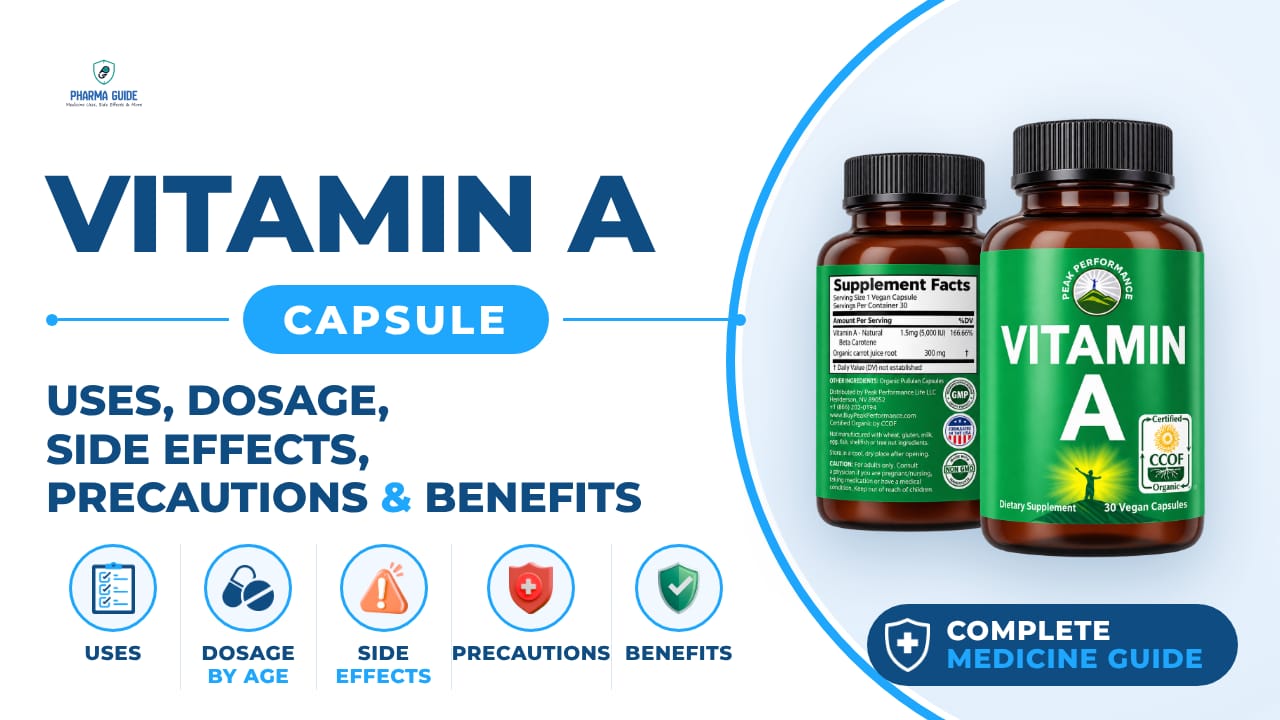
| Generic name | Vitamin A (retinol) |
|---|---|
| Drug class | Vitamins, Fat-Soluble |
| Forms | capsule, tablet, injectable solution |
Quick overview
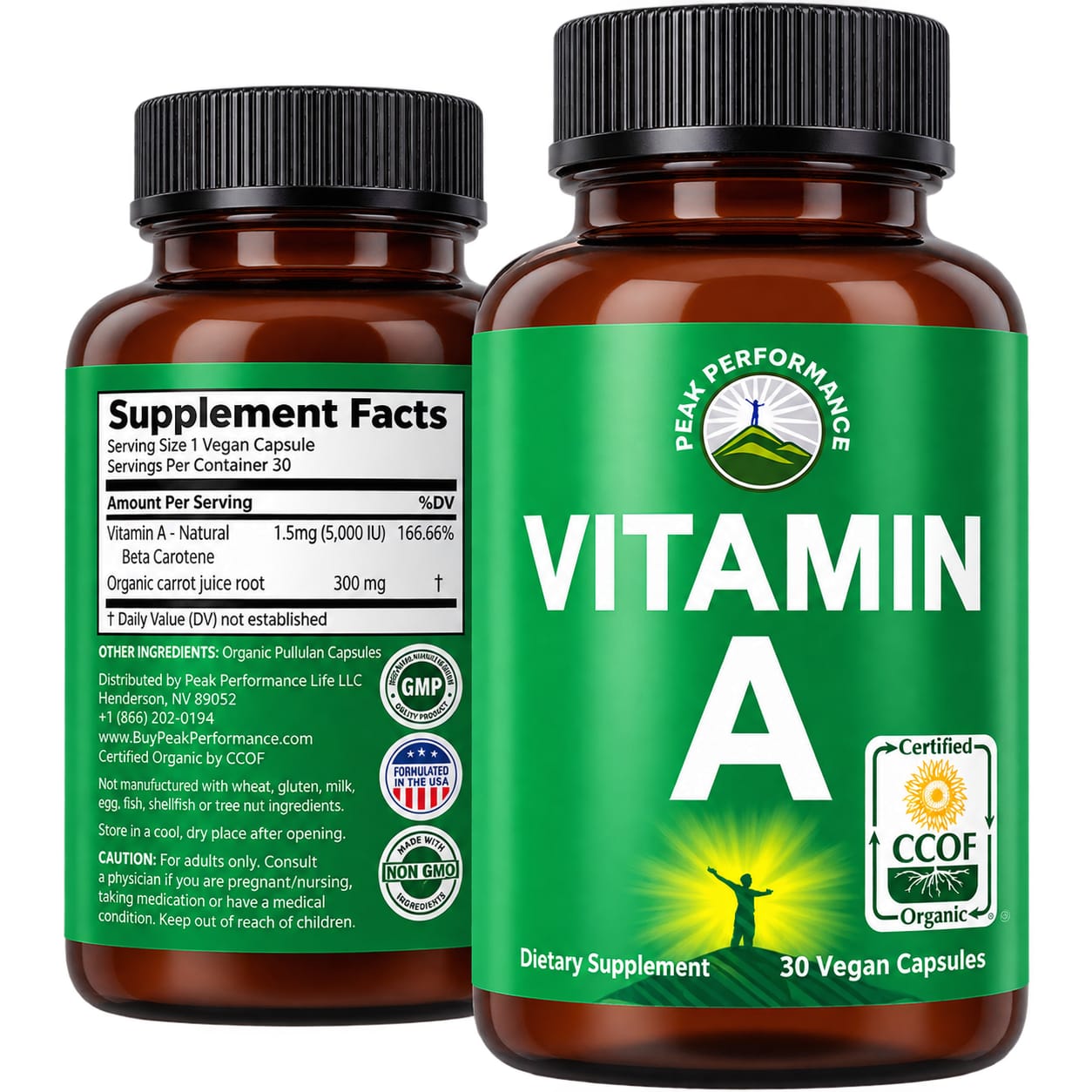
Vitamin A Capsule contains retinol and belongs to the fat-soluble vitamins class. It is used to prevent and treat low vitamin A levels in the body, supporting healthy eyes, skin, immune function, and reproductive health. It also acts as an antioxidant that helps protect cells. Follow your care team's guidance on proper use, as too much vitamin A can be unsafe.
What is Vitamin A Capsule
Vitamin A is a vitamin that prevents and treats low vitamin A levels in the body. It plays an important role in keeping the eyes, skin, immune system, and reproductive system healthy. It is an antioxidant, which helps protect your cells.
Vitamin A Capsule uses
- Prevents and treats low vitamin A levels (vitamin A deficiency)
- May be used for other purposes as directed by a health care provider
Benefits of Vitamin A Capsule
- Helps maintain healthy eyes, skin, immune system, and reproductive system
- Acts as an antioxidant that helps protect cells
- Supports normal vision, especially in low light
How Vitamin A Capsule works
Vitamin A supports embryonic development, helps the eyes adjust to darkness, supports immune function, and helps maintain epithelial (surface tissue) cells.
Vitamin A Capsule dosage
Take this vitamin by mouth with a glass of water. Follow the directions on the package or prescription label. For best results, take this vitamin with food. Take your vitamin at regular intervals, and do not take it more often than directed. If you miss a dose, take it as soon as you can; if it is almost time for your next dose, take only that dose—do not take double or extra doses. Talk to your care team about use of this medication in children. This medicine is only for you; do not share it with others.
Use exactly as prescribed by your doctor or pharmacist.
Available forms and strengths
- Capsule
- Tablet
- Injectable solution
Side effects of Vitamin A Capsule
Common
- Diarrhea
- Dizziness
- Headache
- Loss of appetite
- Nausea
Serious
- Allergic reactions—skin rash, itching, hives, swelling of the face, lips, tongue, or throat
- Bone or joint pain
- Increased pressure around the brain—severe headache, blurry vision, change in vision, nausea, vomiting
- Liver injury—right upper belly pain, loss of appetite, nausea, light-colored stool, dark yellow or brown urine, yellowing skin or eyes, unusual weakness or fatigue
Warnings and precautions
- Too much of this vitamin can be unsafe. Talk to your care team about how much is right for you.
- If you think you have taken too much of this medicine, contact a poison control center or emergency room right away.
- Do not take this medication with other vitamin A or retinoid products.
- This medication may interact with beta-carotene supplements, cholestyramine, mineral oil, and orlistat.
- Tell your care team if you are pregnant or trying to get pregnant. Taking too much vitamin A during pregnancy has been linked to birth defects, so avoid doses higher than the recommended amount unless a doctor says otherwise.
- Tell your care team if you are breast-feeding before taking this medication.
- Tell your care team if you have kidney disease before taking this medication.
- Tell your care team if you have liver disease before taking this medication, since high doses of vitamin A can cause liver damage.
- Do not exceed the recommended dose; excessive vitamin A can cause toxicity.
- Consult a healthcare professional before use during pregnancy or when planning pregnancy.
Storage
- Keep out of the reach of children
- Store at room temperature between 15 and 30 degrees C (59 and 85 degrees F)
- Protect from heat and light
- Throw away any unused medication after the expiration date
When to see a doctor
- Report allergic reactions such as skin rash, itching, hives, or swelling of the face, lips, tongue, or throat to your care team right away.
- Seek help for signs of increased pressure around the brain such as severe headache, blurry vision, change in vision, nausea, or vomiting.
- Seek help for signs of liver injury such as right upper belly pain, loss of appetite, nausea, light-colored stool, dark yellow or brown urine, yellowing skin or eyes, or unusual weakness or fatigue.
- Report bone or joint pain to your care team as soon as possible.
Alternatives
- Multivitamin with Vitamin A
- Cod Liver Oil
- Vitamin A–Containing Foods
Watch the video
FAQs
What is Vitamin A Capsule used for?
It is used to prevent and treat low vitamin A levels in the body and may be used for other purposes as directed by a health care provider.
How should I take Vitamin A Capsule?
Take it by mouth with a glass of water, preferably with food, following the directions on the package or prescription label. Take it at regular intervals and do not take it more often than directed.
What are the common side effects of Vitamin A Capsule?
Common side effects include diarrhea, dizziness, headache, loss of appetite, and nausea.
What precautions should I follow when taking Vitamin A Capsule?
Avoid taking too much, as excess vitamin A can be unsafe and cause toxicity. Do not combine it with other vitamin A or retinoid products, and tell your care team if you are pregnant, breast-feeding, or have kidney or liver disease.
What should I do if I miss a dose of Vitamin A Capsule?
If you miss a dose, take it as soon as you can; if it is almost time for your next dose, take only that dose and do not take double or extra doses.
General information, not medical advice
Your prescriber and the leaflet in your pack know your situation. This page does not.
- Follow your prescriber and the leaflet
- Don't start, stop, or change a dose on your own
- Doses and warnings differ by country and product
Sources
Video
Related medicines

Injectafer Injection: Uses, Dosage, Side Effects, Precautions and Alternates
Iron products
Injectafer (ferric carboxymaltose) treats iron deficiency anemia and heart failure-related iron deficiency via IV. Learn uses, dosage, side effects, and

Gliclazide Tablet: Uses, Dosage, Side Effects, Precautions and Alternates
Sulfonylurea (hypoglycemic/antidiabetic agent)
Gliclazide Tablet is a sulfonylurea for type 2 diabetes that boosts insulin release. Learn about dosage, side effects, warnings, and precautions.