
Safety
General information, not medical advice
Your prescriber and the leaflet in your pack know your situation. This page does not.
- Follow your prescriber and the leaflet
- Don't start, stop, or change a dose on your own
- Doses and warnings differ by country and product
Vitamin B12 Injection: Uses, Dosage, Side Effects, Precautions and Alternates
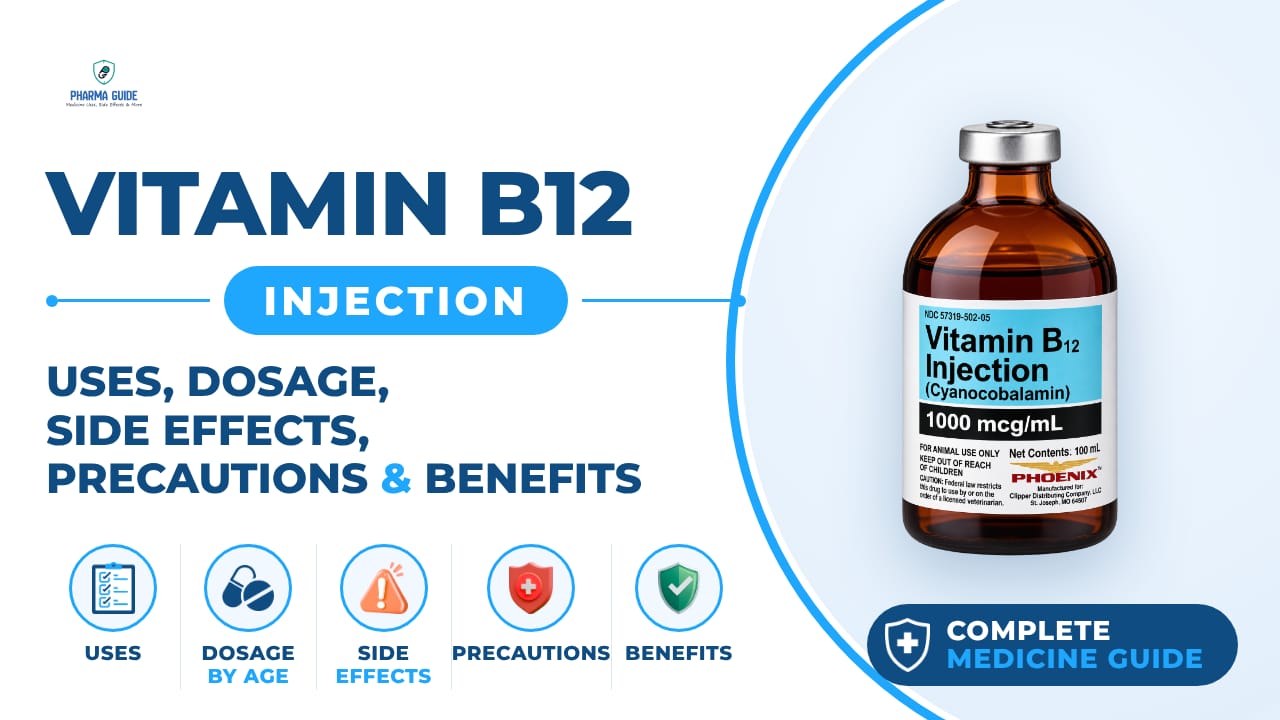
| Generic name | Cyanocobalamin (also available as hydroxocobalamin) |
|---|---|
| Drug class | Vitamins |
| Forms | Injection (into muscle or under the skin), Liquid, Tablet, Nasal spray, Capsule |
Quick overview
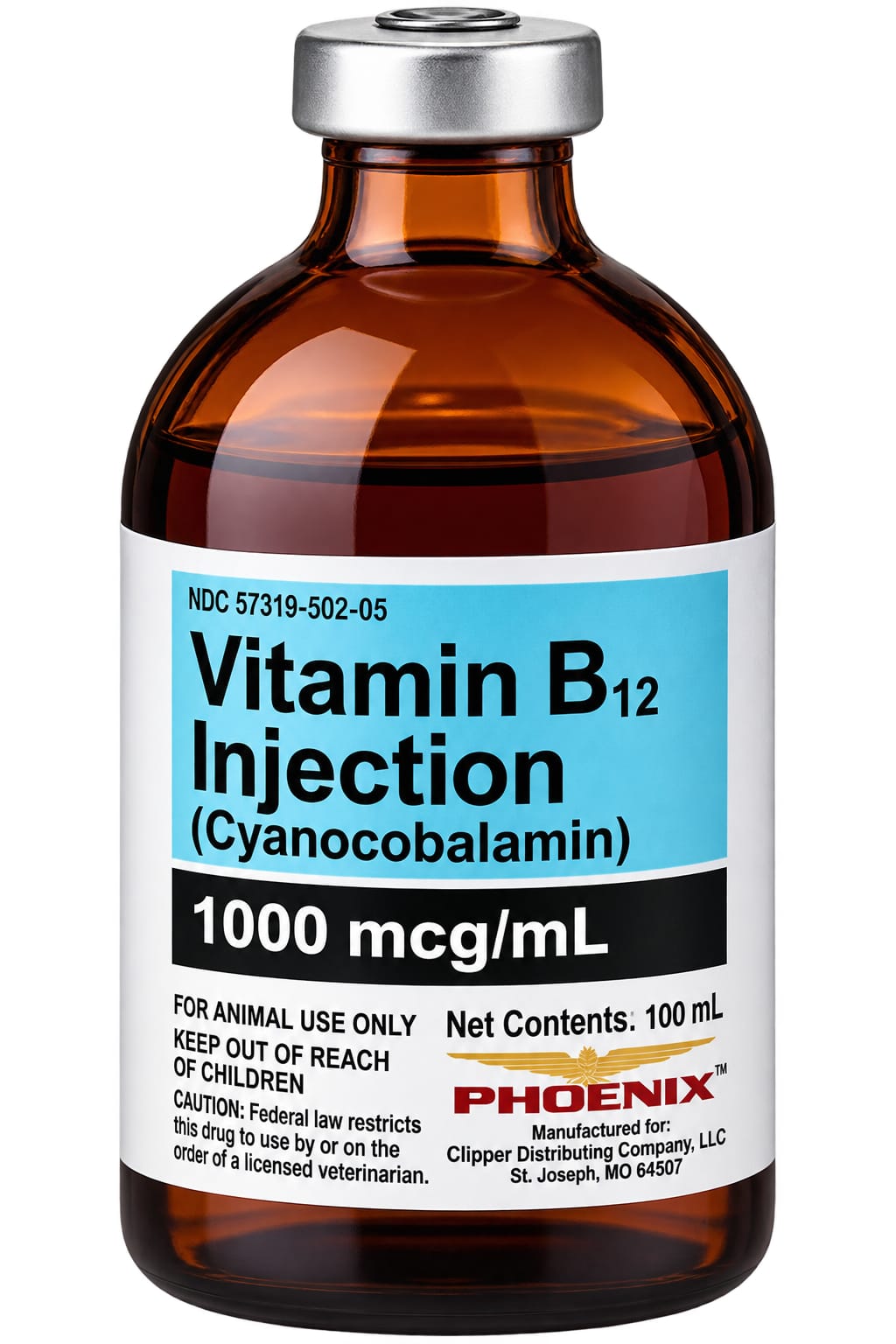
Vitamin B12 Injection (cyanocobalamin, also available as hydroxocobalamin) is a vitamins-class medicine given as a shot to treat and prevent vitamin B12 deficiency. It is used for conditions such as pernicious anemia and absorption problems caused by digestive disorders, surgery, aging, or diet. By delivering vitamin B12 directly into the body, it bypasses digestion for rapid absorption, supporting red blood cell formation and nerve health.
What is Vitamin B12 Injection
Vitamin B12 injection is a shot that gives the body a form of vitamin B12 (also called cobalamin), an essential vitamin needed for nerve function, red blood cell formation, and DNA production. It is given into a muscle or under the skin so the body can absorb it without going through the digestive system.
Vitamin B12 Injection uses
- Treating and preventing vitamin B12 deficiency
- Treating pernicious anemia
- Treating people with gastrointestinal disorders that affect B12 absorption, such as Crohn's disease or celiac disease
- Treating people who have had bariatric or gastric surgery
- Treating older adults with absorption difficulties
- Treating strict vegetarians or vegans at risk of deficiency
- Treating people taking medicines that lower B12 levels
- Treating diseases of the nerves in the eyes
Benefits of Vitamin B12 Injection
- Helps correct vitamin B12 deficiency more reliably than oral supplements in people with absorption problems
- Bypasses the digestive system for rapid absorption into the bloodstream
- May help improve fatigue and anemia symptoms in people who are deficient
- May help prevent permanent nerve damage from untreated deficiency
How Vitamin B12 Injection works
Vitamin B12 given by injection passes through the skin barrier and is absorbed quickly into the bloodstream, unlike oral B12 which relies on the digestive system. Once in the blood, it attaches to a carrier protein and travels to body tissues, where it helps make new blood cells and supports nerve health, including processes needed for DNA and myelin production.
Vitamin B12 Injection dosage
Use this medicine exactly as prescribed by your doctor, and follow all directions on the prescription label or instruction sheet. A doctor or nurse usually gives the injection into a muscle or deep under the skin, though some patients may be trained to give the injection to themselves at home.
Do not stop using the medicine unless your doctor tells you to, since untreated deficiency can lead to anemia or nerve damage that cannot be reversed. People being treated for pernicious anemia may need this medicine for life. Your dose needs may change if you become pregnant, breastfeed, or change to a vegetarian diet, so tell your doctor about any such changes.
Always follow the medicine label directions when giving this to a child, since the dose depends on age, weight, diet, and other factors. You will need regular blood tests while using this medicine to check how well it is working. Avoid drinking large amounts of alcohol while being treated with this medicine. Tell any doctor treating you that you are using this medicine, since it can affect the results of certain medical tests.
| Age group | Dose |
|---|---|
| Children | Dose based on age, weight, and severity of deficiency; prescribed by a healthcare professional |
| Adults (18–64 Years) | Commonly 1,000 mcg (1 mg) per injection; schedule depends on the cause of deficiency |
| Older Adults (65+ Years) | Commonly 1,000 mcg (1 mg) per injection; schedule individualized |
| Pregnancy | Dose determined by a healthcare professional based on B12 levels and clinical need |
Available forms and strengths
- Injection (into muscle or under the skin)
- Liquid
- Tablet
- Nasal spray
- Capsule
Side effects of Vitamin B12 Injection
Common
- Soreness, redness, or itching at the injection site
- Mild diarrhea
- Nausea
- Headache
- Dizziness
- Feeling hot or cold, fever, shivering
- Acne or skin rash
- General feeling of weakness or being unwell
- Changes in urine or stool color
Serious
- Signs of a severe allergic reaction (anaphylaxis), including hives, difficulty breathing, or swelling of the face, lips, tongue, or throat
- Swelling of hands, feet, ankles, throat, or tongue
- Fast, irregular, or slow heartbeat
- Chest pain or tightness
- Trouble breathing, especially when lying down, due to fluid buildup in the lungs
- Vision problems
- Low potassium levels (symptoms may include leg cramps, constipation, muscle weakness, or numbness and tingling)
- Blood clots in blood vessels, causing swelling or pain in a body part
- Congestive heart failure
- A type of blood cancer called polycythemia vera
Warnings and precautions
- If you are pregnant or planning to become pregnant, talk to your doctor before using this medicine, as your dose may need to change. If you are breastfeeding, tell your doctor, since your dose needs may be different while nursing.
- People with kidney problems should use this medicine cautiously, since some forms may contain aluminum that can build up in the body when the kidneys are not working well. Tell your doctor if you have kidney or liver disease before starting this medicine.
- Avoid drinking large amounts of alcohol while being treated with this medicine. Be careful before you drive or use machines or tools until you know how this medicine affects you, especially if you feel dizzy.
- People with an inherited eye condition called Leber's disease should not receive cyanocobalamin injections, because it can cause rapid and severe vision loss.
- In rare cases, this medicine can cause a life-threatening allergic reaction called anaphylaxis. A skin test may be recommended first if an allergy is suspected.
- In people with severe anemia caused by B12 deficiency, aggressive treatment can suddenly lower potassium levels and cause serious complications.
- Some forms of this injection contain an ingredient called benzyl alcohol, which has been linked to a serious and sometimes fatal condition in premature babies, so it is usually avoided in this group.
- The product may contain aluminum, which can build up in people with poor kidney function, including premature babies, and cause toxicity affecting the brain and bones with long-term use.
- If vitamin B12 deficiency is not treated for more than 3 months, it may cause permanent damage to the spinal cord and nerves, so early diagnosis and treatment are important.
- High doses of folic acid can hide the blood-related signs of vitamin B12 deficiency without protecting against nerve damage, so true deficiency may be missed if folic acid is taken alone.
- This medicine should never be given into a vein because of the risk of a severe allergic reaction.
Storage
- Store this medication at room temperature away from moisture, heat, and light.
- Use a needle and syringe only once and then place them in a puncture-proof "sharps" container. Follow state or local laws about how to dispose of this container. Keep it out of the reach of children and pets.
- Keep it in the original pack until it is time for it to be given.
- Keep it where the temperature stays below 25°C and protect from light.
- Store it in a cool dry place away from moisture, heat or sunlight; for example, do not store it in the bathroom or near a sink, or in the car or on windowsills.
- Keep it where young children cannot reach it.
- Do not use this medicine after the expiry date.
- If your doctor tells you to stop using it or it has passed its expiry date, ask your pharmacist what to do with any ampoules that are left over.
When to see a doctor
- Get emergency medical help right away if you have signs of a severe allergic reaction, such as hives, difficulty breathing, or swelling of your face, lips, tongue, or throat.
- Call your doctor right away if you have signs of heart problems, such as swelling, rapid weight gain, or feeling short of breath.
- Call your doctor right away if you have signs of fluid buildup around the lungs, such as pain when breathing, shortness of breath while lying down, wheezing, gasping for breath, a cough with foamy mucus, cold and clammy skin, anxiety, or a rapid heartbeat.
- Call your doctor right away if you have signs of low potassium levels, such as leg cramps, constipation, irregular heartbeats, fluttering in your chest, increased thirst or urination, numbness or tingling, or muscle weakness.
- If you think you have received too much of this medicine or have severe side effects, seek urgent medical attention right away, even if you feel fine.
Alternatives
- Vitamin B12 Tablets
- Methylcobalamin Tablets
- Hydroxocobalamin Injection
Watch the video
FAQs
What is Vitamin B12 Injection used for?
It is used to treat and prevent vitamin B12 deficiency, pernicious anemia, absorption problems from conditions like Crohn's disease or celiac disease, bariatric surgery, aging, vegan or vegetarian diets, certain medicines that lower B12, and nerve diseases of the eyes.
How does Vitamin B12 Injection work?
It passes through the skin barrier and is absorbed quickly into the bloodstream, unlike oral B12 which relies on digestion. Once absorbed, it travels to body tissues to help make new blood cells and support nerve health, including DNA and myelin production.
What is the common adult dose for Vitamin B12 Injection?
Adults commonly receive 1,000 mcg (1 mg) per injection, with the schedule depending on the cause of deficiency and individualized by a doctor.
What are the common side effects of Vitamin B12 Injection?
Common side effects include soreness, redness, or itching at the injection site, mild diarrhea, nausea, headache, dizziness, feeling hot or cold, fever, shivering, acne or skin rash, weakness, and changes in urine or stool color.
Who should not receive Vitamin B12 Injection?
People with an inherited eye condition called Leber's disease should not receive cyanocobalamin injections because it can cause rapid and severe vision loss. This medicine should also never be given into a vein due to the risk of severe allergic reaction.
General information, not medical advice
Your prescriber and the leaflet in your pack know your situation. This page does not.
- Follow your prescriber and the leaflet
- Don't start, stop, or change a dose on your own
- Doses and warnings differ by country and product
Sources
Video
Related medicines
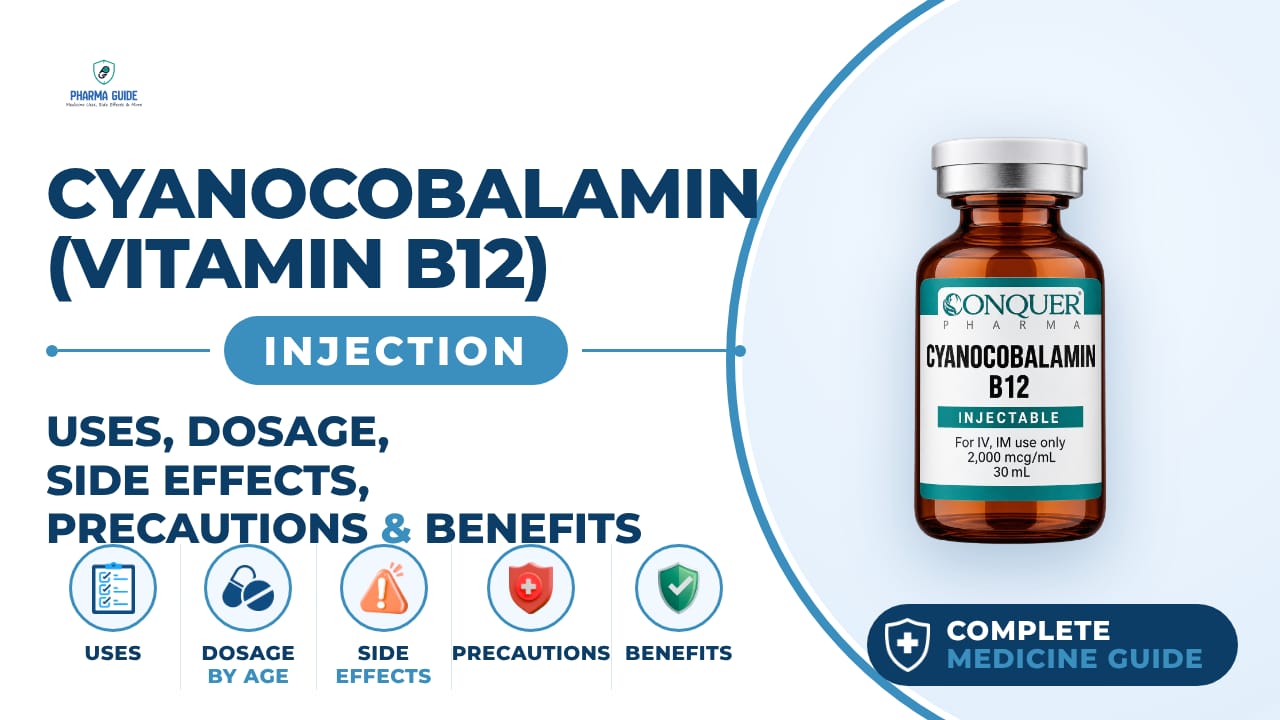
Cyanocobalamin (Vitamin B12) Injection: Uses, Dosage, Side Effects, Precautions and Alternates
Vitamins
Cyanocobalamin (Vitamin B12) Injection treats and prevents B12 deficiency and pernicious anemia, supporting nerve, blood cell, and DNA health.
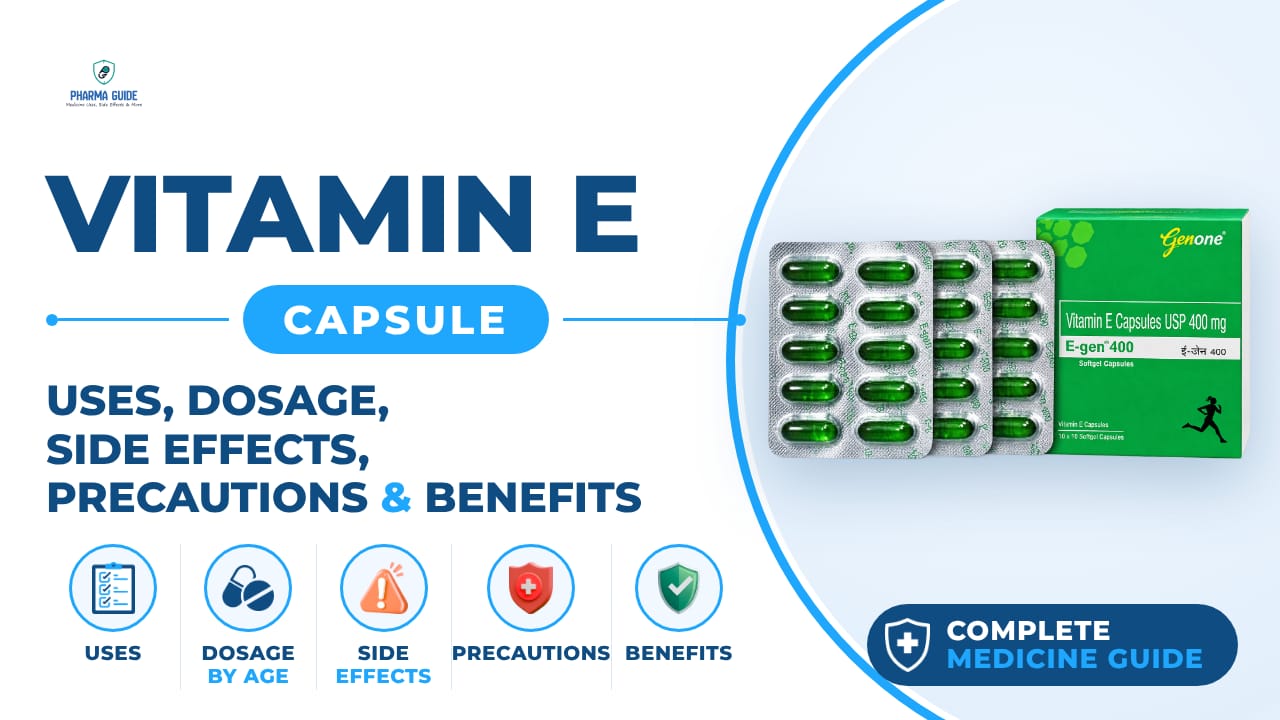
Vitamin E Capsule: Uses, Dosage, Side Effects, Precautions and Alternates
Vitamins
Vitamin E Capsule is an antioxidant supplement used to treat or prevent vitamin E deficiency. Learn its uses, dosage, side effects, and precautions.