
Safety
General information, not medical advice
Your prescriber and the leaflet in your pack know your situation. This page does not.
- Follow your prescriber and the leaflet
- Don't start, stop, or change a dose on your own
- Doses and warnings differ by country and product
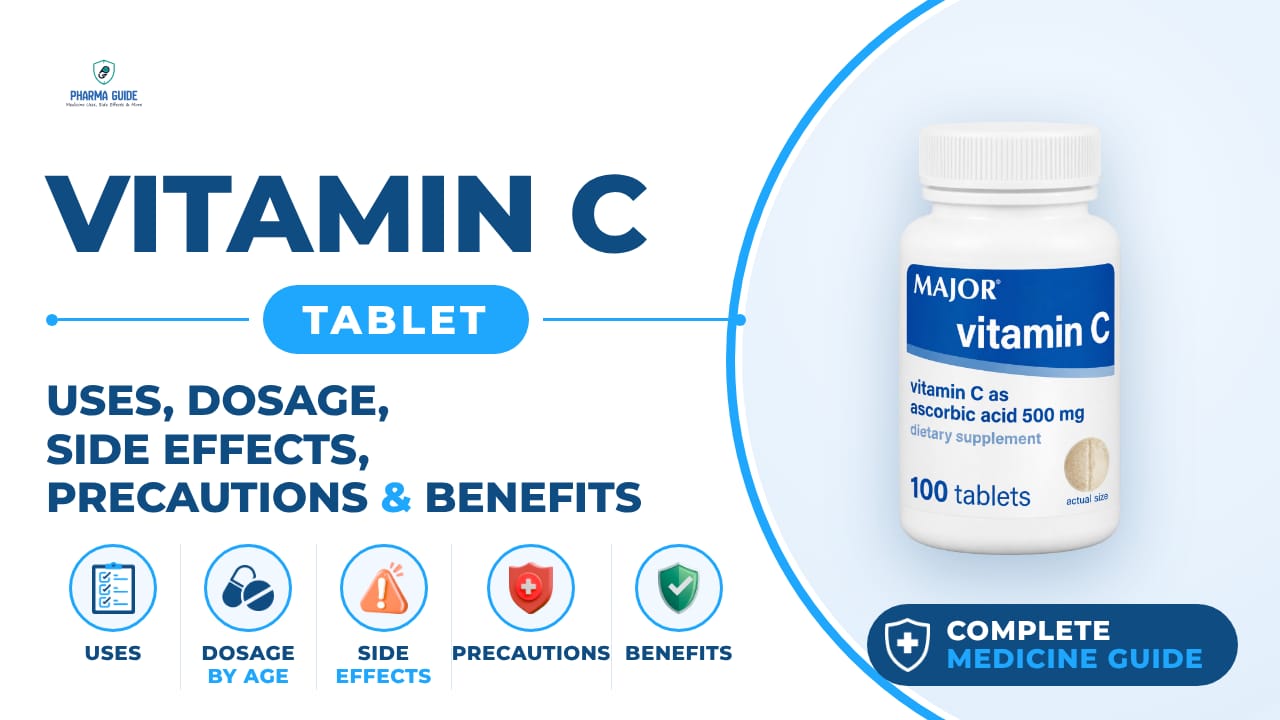
Vitamin C Tablet: Uses, Dosage, Side Effects, Precautions and Alternates
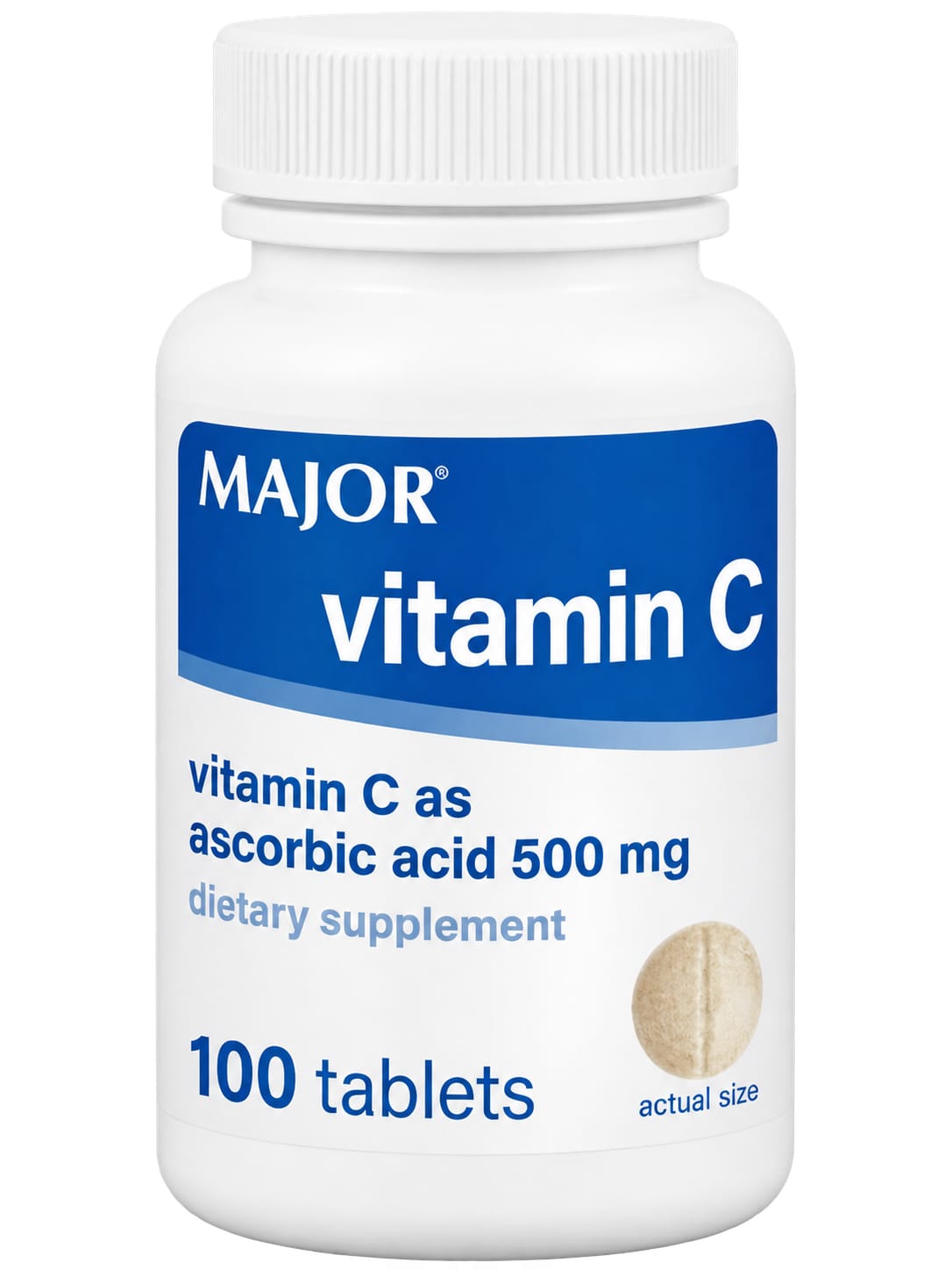
| Generic name | ascorbic acid |
|---|---|
| Forms | Capsules, Chewable tablets |
Quick overview
Vitamin C Tablet (ascorbic acid) is a vitamin supplement used to prevent or treat low vitamin C levels, help the body absorb non-heme iron from plant-based foods, and support wound healing and tissue repair. It works as an antioxidant and supports collagen formation. It is available as capsules and chewable tablets and comes with some warnings around high, long-term doses and certain health conditions.
What is Vitamin C Tablet
Vitamin C, also called ascorbic acid, is a vitamin the body needs to form blood vessels, cartilage, muscle, and collagen in bones, and it helps with healing. The body cannot make vitamin C on its own, so it must come from food or supplements.
Vitamin C Tablet uses
- Preventing or treating low vitamin C levels (vitamin C deficiency), also known as scurvy
- Helping the body absorb non-heme iron from plant-based foods or supplements
- Supporting wound healing and tissue repair
Benefits of Vitamin C Tablet
- Supports immune system function and may reduce how long a common cold lasts
- Acts as an antioxidant, protecting cells from damage caused by free radicals
- Helps the body make collagen, which keeps skin, cartilage, teeth, bones, and blood vessels healthy
How Vitamin C Tablet works
Vitamin C acts as an antioxidant, protecting the body's cells from damage caused by free radicals that come from normal body processes, tobacco smoke, sunlight, and other sources. It is also needed to make collagen, a protein important for wound healing and connective tissue, and it helps the body absorb iron from plant foods.
Vitamin C Tablet dosage
Vitamin C supplements come mainly as capsules that are swallowed or as tablets that are chewed. People who smoke need more vitamin C per day than people who don't smoke. Before having certain medical tests, such as blood sugar or hidden blood stool tests, tell your healthcare professional that you take vitamin C, since it may affect the results.
| Age group | Dose |
|---|---|
| Infants (0–12 Months) | 40–50 mg/day |
| Children (1–8 Years) | 15–25 mg/day |
| Children (9–13 Years) | 45 mg/day |
| Teenagers (14–18 Years) | 65–75 mg/day |
| Adults (18–64 or 65+ Years) | 75–90 mg/day |
Available forms and strengths
- Capsules
- Chewable tablets
Side effects of Vitamin C Tablet
Common
- Diarrhea, nausea, or loose stools
- Heartburn
- Stomach cramps or bloating
- Tiredness, sleepiness, or trouble sleeping (insomnia)
- Headache
Serious
- Higher risk of kidney stones, mainly with high, long-term doses
- Rare allergic reactions such as rash, itching, or swelling of the face and throat
- Hemolytic anemia in people with a genetic condition called G6PDH deficiency
Warnings and precautions
- Taking high doses of vitamin C over a long period of time (over 2,000 mg a day) raises the risk of serious side effects. People with a genetic condition called G6PDH deficiency can develop a type of anemia called hemolytic anemia if they take high doses of vitamin C.
- Vitamin C can interact with several medicines, including aluminum-containing drugs, chemotherapy medicines, estrogen-containing pills, protease inhibitors, statins, niacin, iron supplements, and the blood thinner warfarin.
- People getting chemotherapy or radiation therapy should be cautious with vitamin C, since it may interact with these treatments.
- Pregnancy: Do not exceed the recommended daily dose.
- Breastfeeding: Use with caution if you have kidney stones or kidney disease.
- Kidney: Vitamin C can increase how much aluminum the body absorbs from aluminum-containing medicines, which can be harmful for people with kidney conditions. High doses of vitamin C may also raise the risk of kidney stones.
- Liver: Inform your doctor if you have iron overload disorders.
- Alcohol: Tell your doctor about all supplements and medicines you are taking.
- Driving: Chew the tablet properly if it is a chewable form.
When to see a doctor
- Tell your healthcare professional that you take vitamin C before having certain medical tests, because it may change test results.
- If you have a history of kidney stones or other health conditions, discuss this with a healthcare professional before taking vitamin C supplements.
Alternatives
- Ascorbic Acid Tablet
- Redoxon
- Sodium Ascorbate
Watch the video
FAQs
What is Vitamin C Tablet used for?
It is used to prevent or treat low vitamin C levels (scurvy), help the body absorb non-heme iron from plant-based foods, and support wound healing and tissue repair.
What are the common side effects of Vitamin C Tablet?
Common side effects include diarrhea, nausea, loose stools, heartburn, stomach cramps or bloating, tiredness, sleepiness, trouble sleeping, and headache.
What is the recommended dose of Vitamin C for adults?
Adults aged 18 to 64 or 65+ years are generally recommended 75–90 mg per day.
Who should be cautious when taking Vitamin C Tablet?
People with G6PDH deficiency, kidney stones or kidney disease, iron overload disorders, or those undergoing chemotherapy or radiation therapy should use vitamin C with caution.
Can Vitamin C Tablet interact with other medicines?
Yes, it can interact with aluminum-containing drugs, chemotherapy medicines, estrogen-containing pills, protease inhibitors, statins, niacin, iron supplements, and the blood thinner warfarin.
General information, not medical advice
Your prescriber and the leaflet in your pack know your situation. This page does not.
- Follow your prescriber and the leaflet
- Don't start, stop, or change a dose on your own
- Doses and warnings differ by country and product
Sources
Video
Related medicines

Injectafer Injection: Uses, Dosage, Side Effects, Precautions and Alternates
Iron products
Injectafer (ferric carboxymaltose) treats iron deficiency anemia and heart failure-related iron deficiency via IV. Learn uses, dosage, side effects, and

Gliclazide Tablet: Uses, Dosage, Side Effects, Precautions and Alternates
Sulfonylurea (hypoglycemic/antidiabetic agent)
Gliclazide Tablet is a sulfonylurea for type 2 diabetes that boosts insulin release. Learn about dosage, side effects, warnings, and precautions.