
Safety
General information, not medical advice
Your prescriber and the leaflet in your pack know your situation. This page does not.
- Follow your prescriber and the leaflet
- Don't start, stop, or change a dose on your own
- Doses and warnings differ by country and product
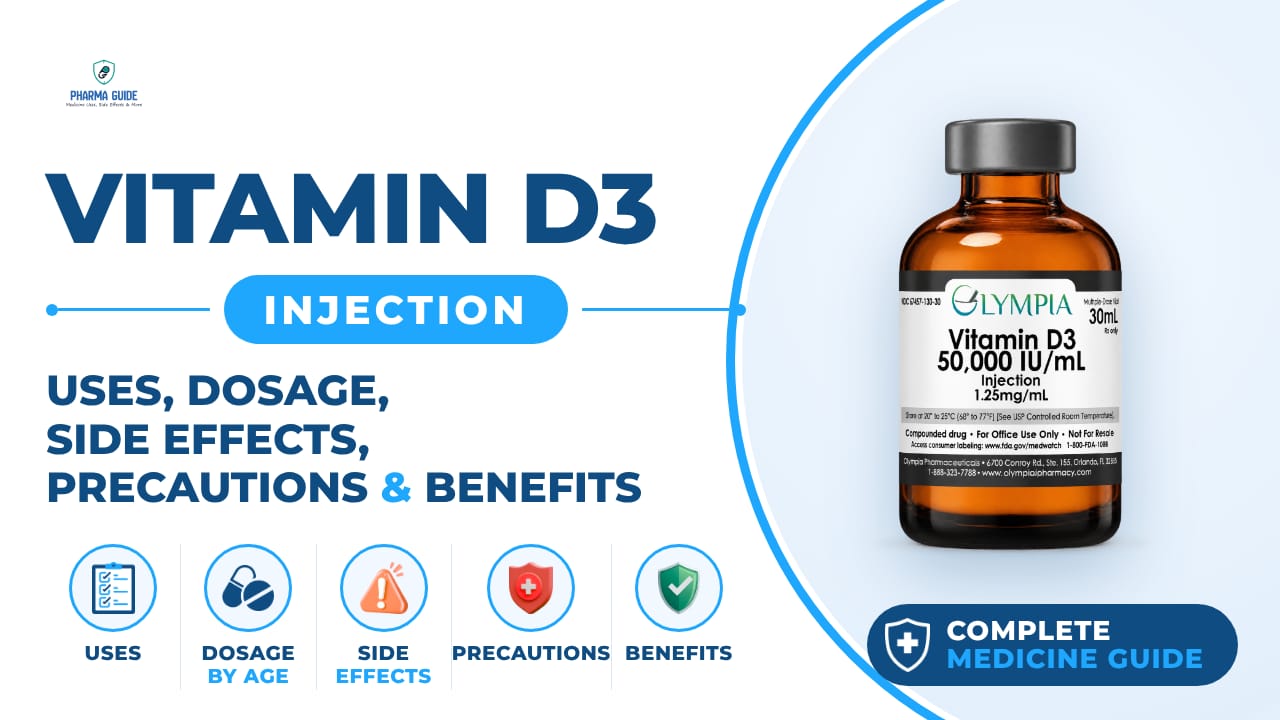
Vitamin D3 Injection: Uses, Dosage, Side Effects, Precautions and Alternates
| Generic name | Cholecalciferol |
|---|---|
| Drug class | Vitamin D analog |
| Forms | Intramuscular injection, Capsule, Gel capsule, Chewable gel (gummy), Tablet, Liquid drops |
Quick overview
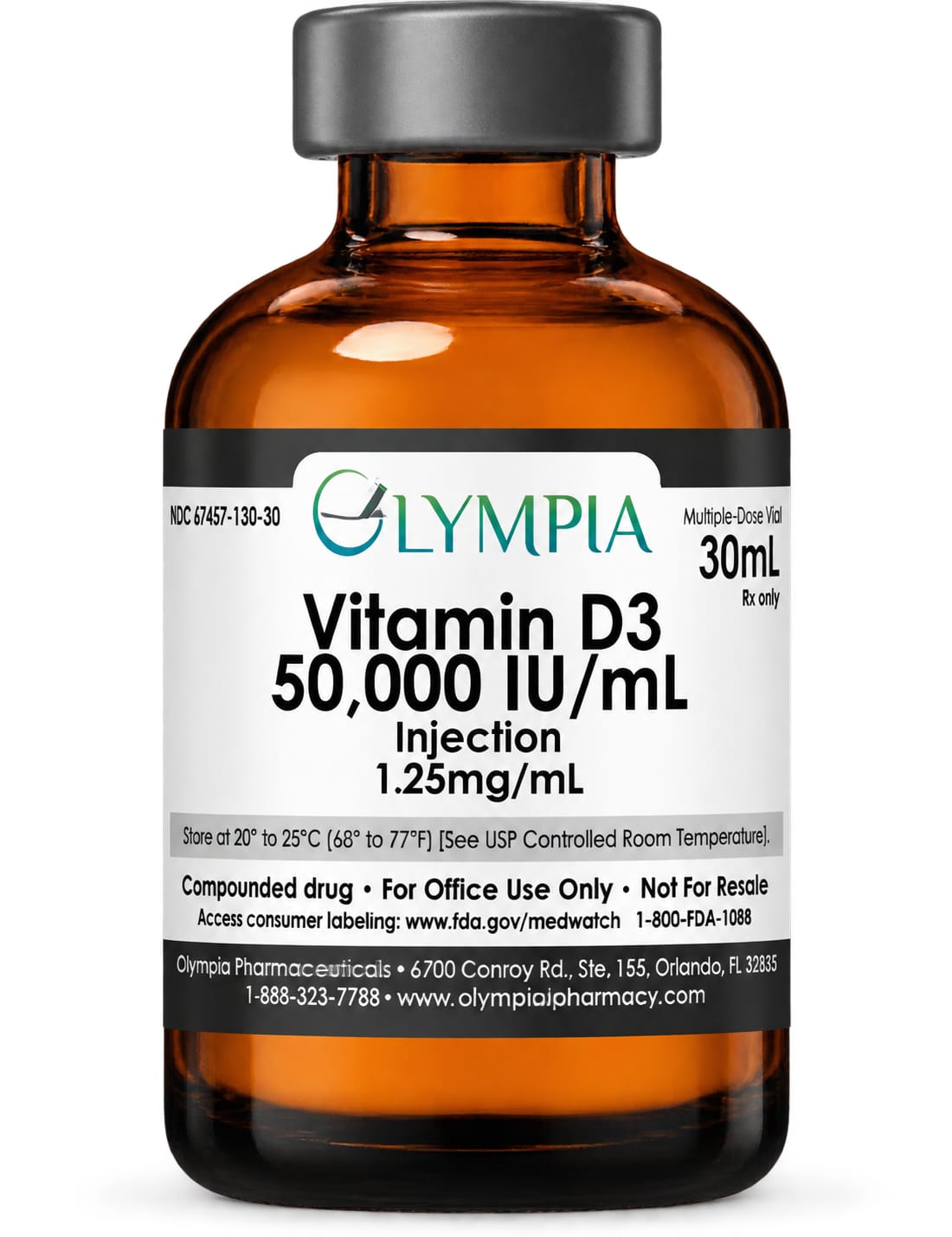
Vitamin D3 Injection (cholecalciferol) is a vitamin D analog given as a shot into a muscle to treat or prevent vitamin D deficiency. It is used alongside calcium for bone health and is often chosen when a person cannot absorb oral vitamin D well. The injected vitamin D is released slowly into the bloodstream over weeks to months and is then converted by the liver and kidneys into its active form.
What is Vitamin D3 Injection
Vitamin D3 injection is a shot given into a muscle that delivers a high dose of vitamin D3 (cholecalciferol), the same form of vitamin D your skin makes from sunlight. It is used to treat or prevent vitamin D deficiency, especially when the body can't absorb enough vitamin D from food, sunlight, or pills.
Vitamin D3 Injection uses
- Used as a dietary supplement when the amount of vitamin D in the diet is not enough
- Used along with calcium to prevent and treat bone diseases such as rickets, osteomalacia, and osteoporosis
- Considered for people with confirmed vitamin D deficiency who cannot absorb oral supplements well
- May be considered for malabsorption conditions such as coeliac disease, Crohn's disease, or after weight-loss surgery
- May be considered when a person has not been able to stick with daily oral vitamin D supplements
Benefits of Vitamin D3 Injection
- Cholecalciferol is needed by the body for healthy bones, muscles, nerves, and to support the immune system
- Helps the body use more of the calcium found in foods or supplements
- May help improve calcium absorption and support healthy bone mineralization
- May help improve muscle strength and physical function, particularly in older adults
- May help support normal immune function
- May help improve energy levels in people whose fatigue is caused by deficiency
- May help improve mood in people with a confirmed deficiency
How Vitamin D3 Injection works
The injected vitamin D is stored in fat and muscle tissue and released slowly into the bloodstream over weeks to months. The liver then converts it into a form that is measured in blood tests, and the kidneys convert it into its active form, which helps the body absorb calcium and supports bone, muscle, and immune health.
Vitamin D3 Injection dosage
The injection is given into a muscle, usually in the upper arm or buttock, by a trained healthcare professional. It is not meant to be self-administered without medical supervision. After the injection, most people can return to normal daily activities right away. Repeat injections should only be given after a doctor reviews your vitamin D levels, not on a fixed schedule.
Oral vitamin D supplements are usually taken once or twice daily at around the same time each day, following your product label or doctor's instructions. Liquid drop forms of oral vitamin D may be added to a child's food or drink.
| Age group | Dose |
|---|---|
| Infants (0–12 Months) | Dose based on vitamin D level and doctor's advice |
| Children (1–18 Years) | Usually 600 IU/day equivalent, or injection dose as prescribed |
| Adults (18–64 Years) | Commonly 600–2000 IU/day equivalent; injection dose depends on deficiency level |
| Older Adults (65+ Years) | Usually 800–2000 IU/day equivalent; adjusted according to vitamin D levels |
Available forms and strengths
- Intramuscular injection
- Capsule
- Gel capsule
- Chewable gel (gummy)
- Tablet
- Liquid drops
Side effects of Vitamin D3 Injection
Common
- Loss of appetite
- Weight loss
- Nausea
- Vomiting
- Constipation
- Pain, tenderness, or discomfort at the injection site
- Bruising at the injection site
- Temporary swelling at the injection site
- Headache
Serious
- Hypercalcaemia (too much calcium in the blood)
- Kidney stones
- Excessive thirst
- Allergic reactions, including rash or, rarely, severe whole-body allergic reaction
- Sterile abscess or lump formation at the injection site
Warnings and precautions
- Many injectable vitamin D preparations contain peanut (arachis) oil and should not be used by people allergic to peanuts or soya.
- This injection should never be given into a vein, only into a muscle.
- The injection is not suitable for people with high calcium levels, certain kidney conditions, a history of kidney stones, or sarcoidosis and similar diseases.
- Taking too much of this vitamin can lead to toxicity, so it should not be self-administered without medical supervision.
- Tell your doctor if you are pregnant or plan to become pregnant. High-dose injections should only be used if the benefits outweigh the risks, and preferably with specialist guidance.
- Tell your doctor if you are breastfeeding before using this medicine.
- Tell your doctor if you have kidney disease or high blood calcium levels, as this may affect whether the injection is safe for you and may require careful monitoring.
- Moderate alcohol does not usually interfere with the injection itself, but maintaining a healthy lifestyle supports overall wellbeing.
- Most people can drive and continue their normal daily activities immediately after treatment unless their doctor advises otherwise.
Storage
- Keep this vitamin in the container it came in, tightly closed, and out of reach of children
- Store it at room temperature and away from excess heat and moisture (not in the bathroom)
- Keep all medication out of sight and reach of children as many containers are not child-resistant
- Dispose of unneeded medications in a way so that pets, children, and other people cannot take them
- Do not flush this medication down the toilet; use a medicine take-back program
When to see a doctor
- Contact your doctor if you have ongoing nausea, vomiting, or stomach pain after the injection.
- Contact your doctor if you feel unusually thirsty or are urinating much more than usual.
- Get medical help if you become confused, feel very weak, or notice an irregular heartbeat.
- Seek medical advice if the injection site becomes severely painful, swollen, or shows signs of infection.
- If you develop severe pain, swelling, allergic symptoms, or feel unwell after your injection, seek medical advice promptly.
Alternatives
- Vitamin D3 Tablets
- Vitamin D3 Drops
- Cod Liver Oil Capsules
Watch the video
FAQs
What is Vitamin D3 Injection used for?
It is used to treat or prevent vitamin D deficiency, as a dietary supplement, and alongside calcium to prevent and treat bone diseases such as rickets, osteomalacia, and osteoporosis, especially when oral vitamin D cannot be absorbed well.
How is Vitamin D3 Injection given?
It is given as a shot into a muscle, usually in the upper arm or buttock, by a trained healthcare professional. It is not meant to be self-administered, and repeat injections should only be given after a doctor reviews vitamin D levels.
What are the common side effects of Vitamin D3 Injection?
Common side effects include loss of appetite, weight loss, nausea, vomiting, constipation, headache, and pain, tenderness, bruising, or temporary swelling at the injection site.
Who should not use Vitamin D3 Injection?
It is not suitable for people with high calcium levels, certain kidney conditions, a history of kidney stones, or sarcoidosis and similar diseases. Many preparations contain peanut oil and should be avoided by people allergic to peanuts or soya.
Can I drive or drink alcohol after a Vitamin D3 Injection?
Most people can drive and continue normal daily activities immediately after treatment unless their doctor advises otherwise, and moderate alcohol does not usually interfere with the injection.
General information, not medical advice
Your prescriber and the leaflet in your pack know your situation. This page does not.
- Follow your prescriber and the leaflet
- Don't start, stop, or change a dose on your own
- Doses and warnings differ by country and product
Sources
Video
Related medicines

Injectafer Injection: Uses, Dosage, Side Effects, Precautions and Alternates
Iron products
Injectafer (ferric carboxymaltose) treats iron deficiency anemia and heart failure-related iron deficiency via IV. Learn uses, dosage, side effects, and

Gliclazide Tablet: Uses, Dosage, Side Effects, Precautions and Alternates
Sulfonylurea (hypoglycemic/antidiabetic agent)
Gliclazide Tablet is a sulfonylurea for type 2 diabetes that boosts insulin release. Learn about dosage, side effects, warnings, and precautions.