
Safety
General information, not medical advice
Your prescriber and the leaflet in your pack know your situation. This page does not.
- Follow your prescriber and the leaflet
- Don't start, stop, or change a dose on your own
- Doses and warnings differ by country and product
Vitamin D3 Tablet: Uses, Dosage, Side Effects, Precautions and Alternates
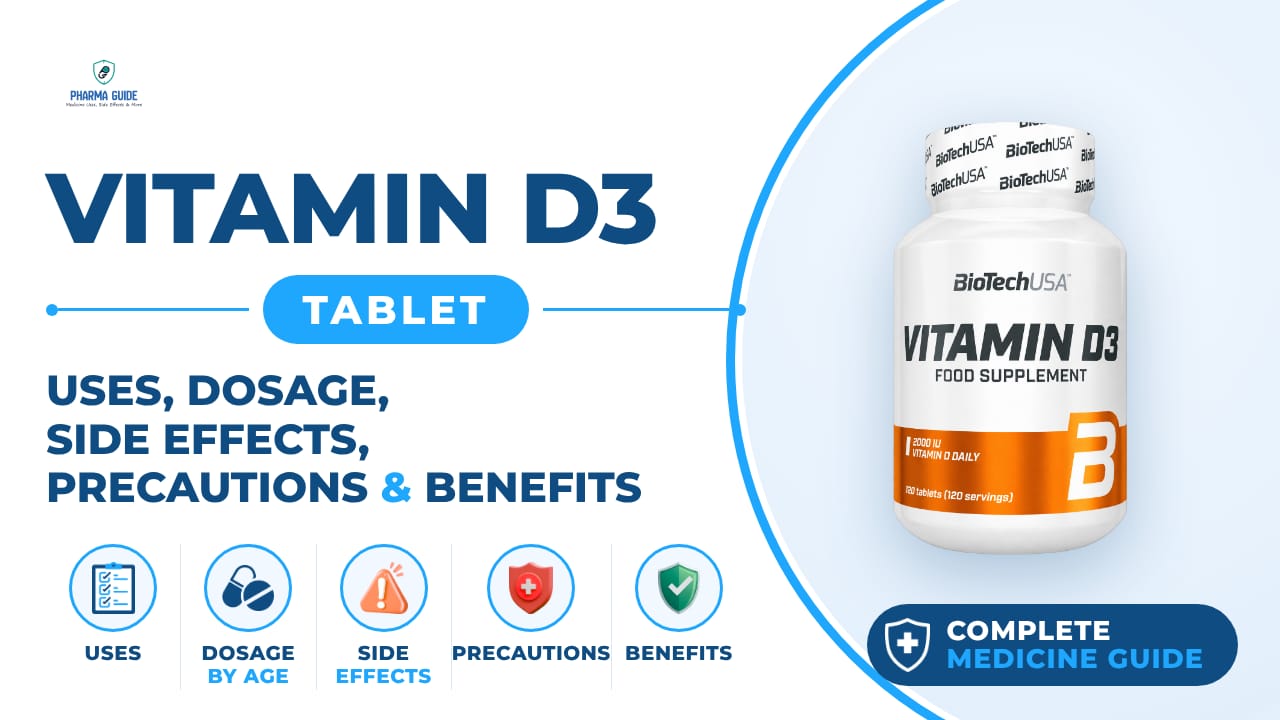
| Generic name | Cholecalciferol (Vitamin D3) |
|---|---|
| Drug class | Vitamins |
| Forms | Capsule, Gel capsule, Chewable gel (gummy), Tablet, Chewable tablet, Disintegrating (Quick-Melt) tablet, Wafer, Liquid drops |
Quick overview
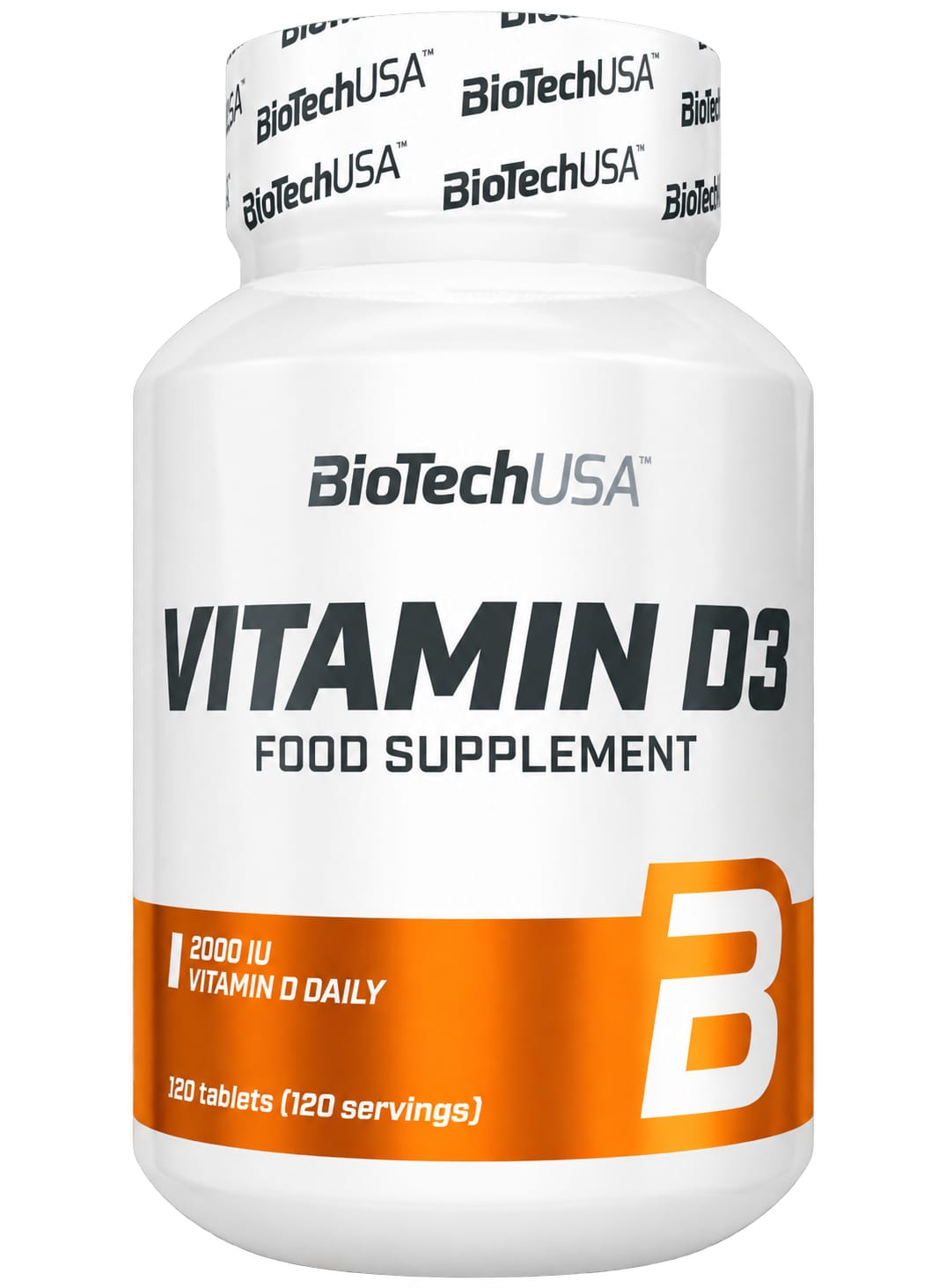
Vitamin D3 Tablet (cholecalciferol) is a vitamin used as a dietary supplement to treat or prevent low vitamin D levels in the body. It belongs to the vitamins drug class and comes in tablet, capsule, chewable gummy, and liquid forms. It is often used together with calcium to support healthy bones.
What is Vitamin D3 Tablet
Vitamin D3 (cholecalciferol) is a vitamin used as a dietary supplement to treat or prevent low vitamin D levels in the body. It comes in tablet, capsule, chewable gummy, and liquid forms.
Vitamin D3 Tablet uses
- Used as a dietary supplement when the diet does not provide enough vitamin D
- Used along with calcium to prevent and treat bone diseases such as rickets, osteomalacia, and osteoporosis
- Used to treat low vitamin D levels in the body
Benefits of Vitamin D3 Tablet
- Helps the body absorb calcium needed for healthy bones
- Supports muscle function
- Supports nerve function
- Supports the immune system
- Helps build and maintain healthy bones together with calcium
How Vitamin D3 Tablet works
Vitamin D helps the body absorb more calcium from food and supplements, which is needed for strong bones, muscles, and nerves, and also supports the immune system.
Vitamin D3 Tablet dosage
Take at around the same time every day, following your product label or doctor's instructions carefully. Take exactly as directed; do not take more, less, or more often than recommended. It may be best to take after a meal, but it can be taken with or without food. If taking with food, foods containing fat (like milk, yogurt, or cheese) may help absorption.
Liquid drops can be added to a child's food or drink. If using a liquid form, measure carefully with a dosing syringe or medicine dose-measuring device, not a kitchen spoon. Chewable tablets must be chewed before swallowing. A disintegrating (Quick-Melt) tablet should be placed on the tongue and allowed to dissolve without chewing or swallowing whole; you may drink liquid to help swallow it once dissolved. A wafer form is usually taken only once a week or once a month and must be chewed before swallowing.
If you miss a dose, take it as soon as you remember, but skip it if it is almost time for your next dose — do not double up. Continue your normal diet unless your doctor tells you otherwise, and eat calcium-rich foods if you're taking it for bone health.
| Age group | Dose |
|---|---|
| Under 12 Months | 400 IU/day (recommended intake) |
| 1–18 Years | 600 IU/day (recommended intake) |
| Adults (18–64 Years) | 600–800 IU/day (recommended intake) |
| Older Adults (65+ years) | 800 IU/day (recommended intake) |
Available forms and strengths
- Capsule
- Gel capsule
- Chewable gel (gummy)
- Tablet
- Chewable tablet
- Disintegrating (Quick-Melt) tablet
- Wafer
- Liquid drops
Side effects of Vitamin D3 Tablet
Common
- Loss of appetite
- Weight loss
- Nausea
- Vomiting
- Constipation
Serious
- Signs of allergic reaction such as hives, difficulty breathing, or swelling of the face, lips, tongue, or throat
- Chest pain or feeling short of breath
- Growth problems in a child taking this medicine
- Signs of too much calcium in the blood such as increased thirst, increased urination, nausea, vomiting, confusion, unusual weakness or tiredness, or bone pain
- Early signs of overdose such as weakness, metallic taste in the mouth, weight loss, muscle or bone pain, constipation, nausea, and vomiting
Warnings and precautions
- Do not take this medicine if you have had an allergic reaction to vitamin D, or if you have high levels of calcium or vitamin D in your body, or any condition that makes it hard for your body to absorb nutrients from food.
- Taking too much vitamin D over a long time can cause too much calcium to build up in the body, which can weaken bones and damage the kidneys and heart.
- Do not take other non-prescription products containing vitamin D, phosphorus, magnesium, or calcium (including antacids) while on this medicine unless your care team approves, as extra supplements can cause side effects.
- Certain products may contain peanut or soybean oil, sugar, aspartame, or food dyes, so check ingredients if you have allergies, diabetes, or phenylketonuria (PKU).
- Do not give this medicine to a child without medical advice, since the child's dose depends on age, weight, diet, and other factors.
- Tell your doctor if you are pregnant, plan to become pregnant, or are breastfeeding, since too much vitamin D could harm an unborn or nursing baby, and your dose needs may be different.
- Tell your doctor if you have kidney disease before taking this medicine.
- Tell your doctor if you have liver disease before taking this medicine.
Storage
- Keep in the container it came in, tightly closed, and out of reach of children
- Store at room temperature and away from excess heat and moisture (not in the bathroom)
- Store away from moisture, light, and heat
- Keep all medication out of sight and reach of children; lock safety caps and place in a location up and away from them
- Dispose of unneeded medication so pets, children, and others cannot take it; do not flush down the toilet unless told to do so
- Use a medicine take-back program; ask your pharmacist about programs in your community
- If a take-back program is not available, check the label to see if it can go in the trash; if so, mix with cat litter, dirt, or coffee grounds, seal in a bag, and throw away
- Get rid of any unused medication after the expiration date
When to see a doctor
If you think you have taken too much of this medicine, get emergency medical help or contact a poison control center right away, since an overdose can cause serious or life-threatening effects.
Alternatives
- Vitamin D2 (Ergocalciferol)
- Calcitriol
- Cholecalciferol Drops
Watch the video
FAQs
What is Vitamin D3 Tablet used for?
It is used as a dietary supplement to treat or prevent low vitamin D levels, and along with calcium to prevent and treat bone diseases such as rickets, osteomalacia, and osteoporosis.
What forms does Vitamin D3 come in?
It is available as capsules, gel capsules, chewable gummies, tablets, chewable tablets, disintegrating (Quick-Melt) tablets, wafers, and liquid drops.
What is the recommended dosage of Vitamin D3?
Recommended intake is 400 IU/day for infants under 12 months, 600 IU/day for ages 1-18, 600-800 IU/day for adults 18-64, and 800 IU/day for adults 65 and older, following your doctor's instructions.
What are the side effects of Vitamin D3 Tablet?
Common side effects include loss of appetite, weight loss, nausea, vomiting, and constipation. Serious effects include allergic reaction, chest pain, growth problems in children, and signs of too much calcium in the blood.
What happens if I miss a dose of Vitamin D3?
Take the missed dose as soon as you remember, but skip it if it is almost time for your next dose; do not double up.
General information, not medical advice
Your prescriber and the leaflet in your pack know your situation. This page does not.
- Follow your prescriber and the leaflet
- Don't start, stop, or change a dose on your own
- Doses and warnings differ by country and product
Sources
Video
Related medicines
Cyanocobalamin (Vitamin B12) Injection: Uses, Dosage, Side Effects, Precautions and Alternates
Vitamins
Cyanocobalamin (Vitamin B12) Injection treats and prevents B12 deficiency and pernicious anemia, supporting nerve, blood cell, and DNA health.
Vitamin E Capsule: Uses, Dosage, Side Effects, Precautions and Alternates
Vitamins
Vitamin E Capsule is an antioxidant supplement used to treat or prevent vitamin E deficiency. Learn its uses, dosage, side effects, and precautions.