
Safety
General information, not medical advice
Your prescriber and the leaflet in your pack know your situation. This page does not.
- Follow your prescriber and the leaflet
- Don't start, stop, or change a dose on your own
- Doses and warnings differ by country and product
Vivitrol Injection: Uses, Dosage, Side Effects, Precautions and Alternates
| Generic name | naltrexone |
|---|---|
| Drug class | opioid antagonist |
| Forms | Injection |
Quick overview
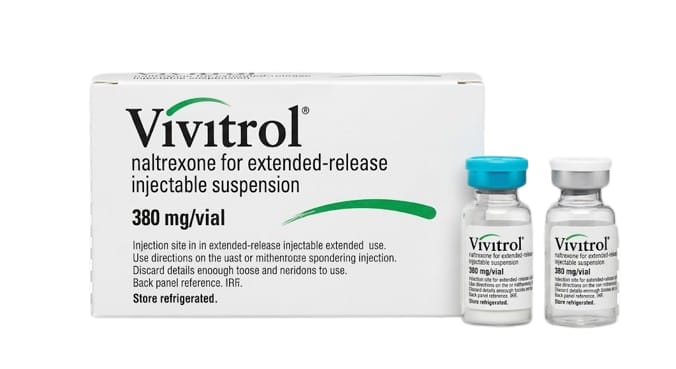
Vivitrol is a prescription medicine containing naltrexone, an opioid antagonist, given as a monthly injection into a muscle in the buttocks. It is used to treat alcohol dependence and to help prevent relapse to opioid use after opioid detoxification. It works by blocking opioid receptors in the brain, which can help reduce cravings and the urge to use alcohol or opioids.
What is Vivitrol Injection
Vivitrol is a prescription medicine given as a monthly injection into a muscle in the buttocks. It contains naltrexone, which blocks opioid receptors in the brain. It is used to treat alcohol dependence and to help prevent people from going back to opioid use after they have gone through opioid detox.
Vivitrol Injection uses
- Treatment of alcohol dependence in patients who are able to abstain from alcohol in an outpatient setting before starting treatment
- Prevention of relapse to opioid dependence, following opioid detoxification
Benefits of Vivitrol Injection
- Can help reduce heavy drinking days when used with counseling for alcohol dependence
- Can help people stay opioid-free for more weeks and stay in treatment longer when used with counseling for opioid dependence
- Only needs to be given about once a month instead of taking a pill every day
How Vivitrol Injection works
Vivitrol's active ingredient, naltrexone, attaches to opioid receptors in the brain but does not activate them. This blocks the rewarding or pleasurable effects of alcohol and opioids, which can help reduce cravings and the urge to use.
Vivitrol Injection dosage
Vivitrol must be given by a healthcare professional as a deep injection into a muscle in the buttocks, switching sides for each new injection. It must not be given into a vein or under the skin. Patients must be free of opioids for a minimum period before starting treatment to avoid triggering sudden withdrawal. Taking oral naltrexone first is not required before starting this medicine. If a dose is missed, the next dose should be given as soon as possible. Patients should not be actively drinking alcohol at the time of the first injection.
| Age group | Dose |
|---|---|
| Under 18 years | Not recommended |
| 18–64 years | 380 mg, once/month |
| 65+ years | 380 mg, once/month |
Available forms and strengths
Vivitrol is available as an injection.
Side effects of Vivitrol Injection
Common
- Nausea
- Vomiting
- Injection site reactions (pain, tenderness, induration, swelling, redness, bruising, itching, nodules)
- Muscle cramps
- Dizziness or fainting
- Sleepiness or sedation
- Decreased appetite or other appetite changes
- Headache
- Tiredness
- Joint pain
- Cold-like symptoms, trouble sleeping, and toothache (more common in people treated for opioid dependence)
Serious
- Severe injection site reactions, including tissue death (necrosis), sometimes requiring surgery
- Liver damage or hepatitis
- Risk of opioid overdose, including trouble breathing, extreme drowsiness, or death
- Severe allergic pneumonia
- Serious allergic reactions, including anaphylaxis
- Depression and suicidal thoughts or behavior
Warnings and precautions
- This medicine can cause liver damage (hepatocellular injury) when given in doses higher than recommended, and must not be used in people with acute hepatitis or liver failure. Treatment should be stopped if signs of acute hepatitis appear.
- Injection site reactions can sometimes be very severe, including tissue death, and some cases have required surgery.
- This medicine can cause a rare but serious type of allergic lung inflammation (eosinophilic pneumonia). Patients should be told about this risk and should get medical help if they develop pneumonia symptoms.
- Serious allergic reactions, including anaphylaxis, can occur with this medicine.
- Patients must be free of opioids for 7 to 10 days before starting this medicine, or they may experience sudden and severe opioid withdrawal.
- After stopping this medicine, at the end of a dosing cycle, or after missing a dose, patients may be more sensitive to opioids and could suffer a life-threatening overdose if they use the same amount of opioids as before. Trying to overcome the blocking effect of this medicine by taking large amounts of opioids is very dangerous and can be fatal.
- Patients should be watched for signs of depression or suicidal thinking while taking this medicine.
- This medicine should be used carefully in people with bleeding disorders, since it is given as a muscle injection.
- There are no adequate studies of this medicine in pregnant women. It should be used during pregnancy only if the possible benefit justifies the possible risk to the baby. Tell your doctor if you are pregnant or plan to become pregnant.
- It is not known if this medicine passes into breast milk or if it could harm a nursing baby. Since the active ingredient from oral naltrexone tablets does pass into breast milk, you and your doctor should decide whether you will breastfeed or take this medicine, not both.
- Caution is needed when giving this medicine to patients with moderate to severe kidney problems, since it has not been fully studied in this group.
- This medicine is not recommended for people with acute hepatitis or liver failure, and it has not been studied in people with severe liver impairment. It can cause liver injury at high doses, so tell your doctor about any liver problems.
- You should stop drinking alcohol before starting this medicine, and you should not be actively drinking when you receive your first injection. Continuing to drink while on this medicine is not recommended, since it can work against your treatment goals, although it will not cause a dangerous reaction with the drug.
- This medicine can cause dizziness. Do not drive a car, operate machinery, or do other dangerous activities until you know how this medicine affects you.
Storage
- The entire dose pack should be stored in the refrigerator (2-8°C, 36-46°F)
- Do not expose the product to temperatures above 25°C (77°F)
- Unrefrigerated, the medicine can be stored at temperatures not exceeding 25°C (77°F) for no more than 7 days prior to administration
- VIVITROL should not be frozen
- Keep out of reach of children
- Dispose of used and unused items in proper waste containers
When to see a doctor
- Call your doctor right away if you have intense pain, hardness, large swelling, lumps, blisters, an open wound, or a dark scab at an injection site, or if a reaction gets worse or does not improve within two weeks of the injection.
- Tell your doctor if you have stomach pain lasting more than a few days, dark urine, yellowing of the eyes, or ongoing tiredness, as these can be signs of liver problems.
- Get emergency medical help right away if you or someone close to you has trouble breathing, becomes very drowsy with slowed breathing, has slow shallow breathing, or feels faint, very dizzy, or confused.
- Call your doctor if you have shortness of breath, wheezing, or a cough that doesn't go away, as these can be signs of a serious allergic lung reaction.
- Get medical help right away if you have a skin rash, swelling of the face, eyes, mouth, or tongue, trouble breathing or wheezing, chest pain, or feel dizzy or faint, as these can be signs of a serious allergic reaction.
- Call your doctor right away if you or a family member notices new or worsening depression, including thoughts of hurting yourself or ending your life.
Alternatives
- Revia (Naltrexone Tablet)
- Campral (Acamprosate)
- Antabuse (Disulfiram)
Watch the video
FAQs
What is Vivitrol injection used for?
Vivitrol is used to treat alcohol dependence and to help prevent relapse to opioid use after a person has completed opioid detoxification.
How often is Vivitrol given?
Vivitrol is given as a 380 mg injection into a muscle in the buttocks about once a month, alternating sides for each new injection.
How does Vivitrol work?
Vivitrol's active ingredient, naltrexone, attaches to opioid receptors in the brain without activating them, blocking the rewarding effects of alcohol and opioids and helping reduce cravings.
How long must I be opioid-free before starting Vivitrol?
Patients must be free of opioids for 7 to 10 days before starting Vivitrol to avoid triggering sudden and severe opioid withdrawal.
What are the serious side effects of Vivitrol?
Serious side effects include severe injection site reactions with possible tissue death, liver damage, risk of opioid overdose, severe allergic pneumonia, anaphylaxis, and depression or suicidal thoughts.
General information, not medical advice
Your prescriber and the leaflet in your pack know your situation. This page does not.
- Follow your prescriber and the leaflet
- Don't start, stop, or change a dose on your own
- Doses and warnings differ by country and product
Sources
Video
Related medicines
Naloxone Injection: Uses, Dosage, Side Effects, Precautions and Alternates
Opioid antagonist
Naloxone Injection reverses opioid overdose by blocking opioid receptors. Learn dosage, injection steps, side effects, warnings, and emergency guidance.
Naloxone Nasal Spray: Uses, Dosage, Side Effects, Precautions and Alternates
Opioid antagonist
Naloxone Nasal Spray reverses opioid overdose by blocking opioid receptors. Learn how it works, dosage steps, side effects, warnings, and storage tips.