
Safety
General information, not medical advice
Your prescriber and the leaflet in your pack know your situation. This page does not.
- Follow your prescriber and the leaflet
- Don't start, stop, or change a dose on your own
- Doses and warnings differ by country and product
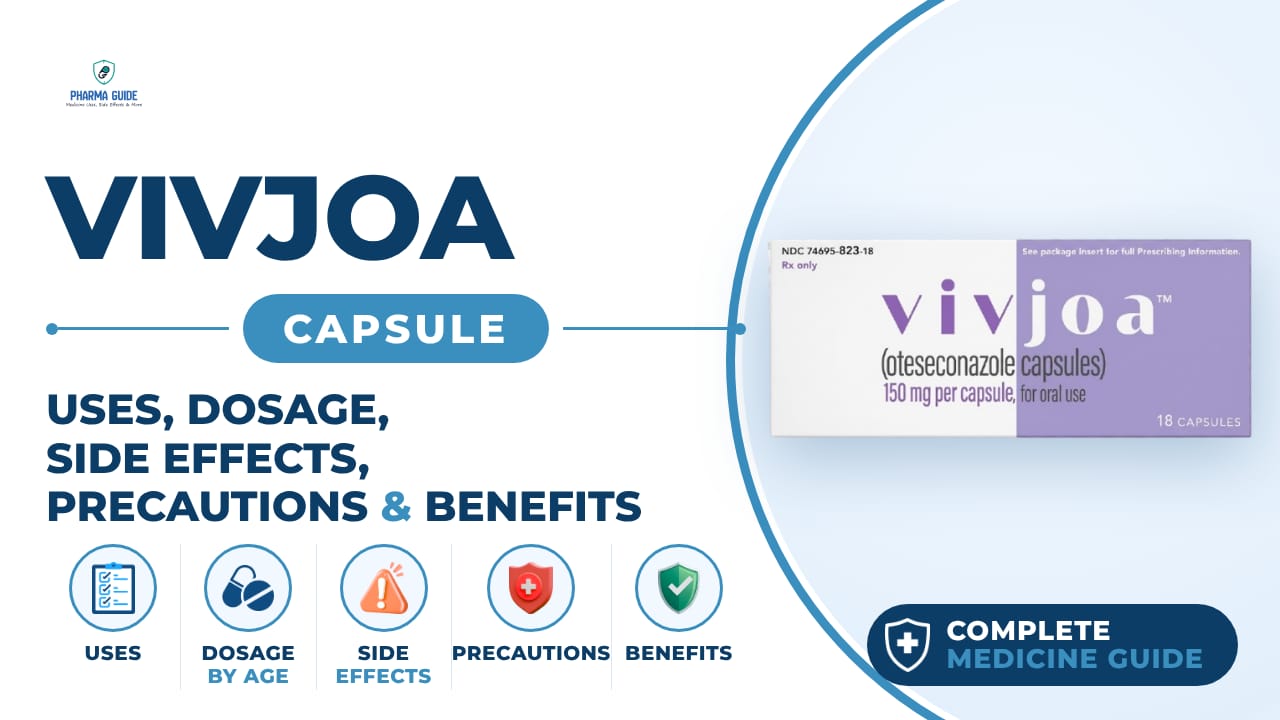
Vivjoa Capsule: Uses, Dosage, Side Effects, Precautions and Alternates
| Generic name | oteseconazole |
|---|---|
| Drug class | Azole antifungal (vaginal antifungal) |
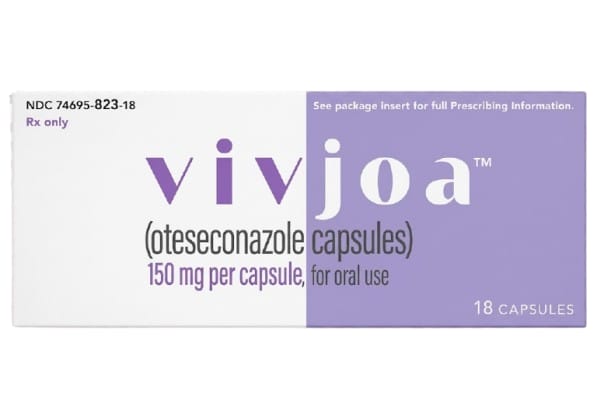
| Forms | 150 mg oral capsule |
Quick overview
Vivjoa Capsule (oteseconazole) is a prescription azole antifungal used to reduce the chance of recurrent vaginal yeast infections in women with a history of this condition who are not pregnant and cannot become pregnant. It works by blocking an enzyme the yeast needs to build its cell membrane, stopping fungal growth. Vivjoa is taken by mouth on a specific weekly schedule set by a doctor, and it must not be used during pregnancy or breastfeeding.
What is Vivjoa Capsule
Vivjoa is a prescription antifungal capsule used to reduce the chance of getting vaginal yeast infections that keep coming back. It is only for women who are not pregnant and who cannot become pregnant.
Vivjoa Capsule uses
- Reduces the chance of recurrent vulvovaginal candidiasis (RVVC), a condition of repeated vaginal yeast infections, in women with a history of RVVC who are not able to become pregnant.
Benefits of Vivjoa Capsule
- Helps reduce recurrent vaginal yeast infections.
- Lowers the chance of repeated infections.
- Provides an oral antifungal treatment option.
- Helps prevent recurrence in eligible patients.
- Offers a longer-term prevention regimen.
How Vivjoa Capsule works
Vivjoa blocks an enzyme the yeast needs to build its cell membrane, which stops the fungus from growing.
Vivjoa Capsule dosage
Take the capsules by mouth with food. Swallow the capsules whole; do not chew, crush, dissolve, or open them. Follow the specific schedule your doctor gives you, since there are two different dosing plans (one using Vivjoa alone, and one combined with fluconazole). If you miss a dose, take it as soon as you remember; if it is almost time for the next dose, skip the missed one and do not double up. Vivjoa is not known to be safe or effective in girls who have not yet started their periods.
| Age group | Dose |
|---|---|
| Under 18 years | Not recommended |
| 18–64 years | 150 mg, once/week. |
| 65+ years | 150 mg, once/week. |
Available forms and strengths
- 150 mg oral capsule
Side effects of Vivjoa Capsule
Common
- Headache
- Nausea
- Diarrhea
- Abdominal pain
- Fatigue
Serious
- Hives
- Difficulty breathing
- Swelling of the face, lips, tongue, or throat
- Increased blood creatine phosphokinase (a muscle enzyme)
- Indigestion
- Hot flashes
- Burning or discomfort with urination
- Heavy menstrual bleeding lasting more than 7 days
- Vulvovaginal irritation (burning, discomfort, or pain)
- Sudden vision loss, blurred vision, tunnel vision, eye pain or swelling, or seeing halos around lights
- Fast, irregular, or pounding heartbeats, fluttering in the chest, shortness of breath, sudden dizziness, lightheadedness, or passing out
- Severe headache, confusion, slurred speech, arm or leg weakness, trouble walking, loss of coordination, feeling unsteady, very stiff muscles, high fever, profuse sweating, or tremors
Warnings and precautions
Vivjoa must not be used by women who are pregnant or could become pregnant, because it may harm an unborn baby. Vivjoa can cause harm to a developing baby, and the drug can stay in the body for a very long time (about 690 days), so it cannot be safely used even if pregnancy is only being planned for later. Animal studies found eye problems such as cataracts, clouding, bulging eyes, and nerve or retina damage in the offspring of treated animals.
Vivjoa must not be used while breastfeeding; it is not known if it passes into breast milk, and it may pose risks to a nursing infant.
Tell your doctor if you have kidney problems before starting Vivjoa. No dose change is needed for mild to severe kidney impairment.
Tell your doctor if you have liver problems before starting Vivjoa. No dose change is needed for mild or moderate liver impairment; severe liver impairment has not been studied.
It is not known whether drinking alcohol affects this medicine.
Taking Vivjoa with certain other drugs, including the cholesterol medicine rosuvastatin, may raise the levels of those drugs in your body and increase their side effects.
Storage
- Store Vivjoa at room temperature between 68°F to 77°F (20°C to 25°C).
- It can be exposed to temperatures between 59°F to 86°F (15°C to 30°C) for shorter periods of time, such as when transporting it.
- Store in a cool, dry place.
- Protect capsules from light when they are removed from the outer carton.
- Keep Vivjoa and all medicines out of the reach of children.
When to see a doctor
- Get medical help right away if you have hives, trouble breathing, or swelling of the face, lips, tongue, or throat, or other serious side effects listed for this medicine.
- Seek emergency medical care or call for emergency help right away if you have sudden vision changes, eye pain or swelling, or seeing halos around lights.
- Seek emergency medical care right away if you have a fast, irregular, or pounding heartbeat, fluttering in your chest, shortness of breath, or sudden dizziness or fainting.
- Seek emergency medical care right away if you have a severe headache, confusion, slurred speech, weakness in an arm or leg, trouble walking, loss of coordination, very stiff muscles, high fever, heavy sweating, or tremors.
- If you think you or someone else has taken too much Vivjoa, get medical help right away or contact a poison control center.
Alternatives
- Miconazole
- Clotrimazole
- Fluconazole
Watch the video
FAQs
What is Vivjoa Capsule used for?
Vivjoa is used to reduce the chance of recurrent vulvovaginal candidiasis (repeated vaginal yeast infections) in women with a history of this condition who are not pregnant and cannot become pregnant.
How is Vivjoa Capsule taken?
Vivjoa capsules are taken by mouth with food, swallowed whole without chewing, crushing, dissolving, or opening. The usual dose is 150 mg once a week, following the specific schedule your doctor gives you, since there are two dosing plans available.
Can Vivjoa be used during pregnancy?
No, Vivjoa must not be used by women who are pregnant or who could become pregnant, as it may harm an unborn baby. The drug can stay in the body for about 690 days, so it cannot be safely used even if pregnancy is planned for later.
What are the common side effects of Vivjoa Capsule?
Common side effects include headache, nausea, diarrhea, abdominal pain, and fatigue.
Is Vivjoa safe while breastfeeding?
No, Vivjoa must not be used while breastfeeding, as it is not known if it passes into breast milk and it may pose risks to a nursing infant.
General information, not medical advice
Your prescriber and the leaflet in your pack know your situation. This page does not.
- Follow your prescriber and the leaflet
- Don't start, stop, or change a dose on your own
- Doses and warnings differ by country and product
Sources
Video
Related medicines

Injectafer Injection: Uses, Dosage, Side Effects, Precautions and Alternates
Iron products
Injectafer (ferric carboxymaltose) treats iron deficiency anemia and heart failure-related iron deficiency via IV. Learn uses, dosage, side effects, and

Gliclazide Tablet: Uses, Dosage, Side Effects, Precautions and Alternates
Sulfonylurea (hypoglycemic/antidiabetic agent)
Gliclazide Tablet is a sulfonylurea for type 2 diabetes that boosts insulin release. Learn about dosage, side effects, warnings, and precautions.