
Safety
General information, not medical advice
Your prescriber and the leaflet in your pack know your situation. This page does not.
- Follow your prescriber and the leaflet
- Don't start, stop, or change a dose on your own
- Doses and warnings differ by country and product
Vytorin Tablet: Uses, Dosage, Side Effects, Precautions and Alternates
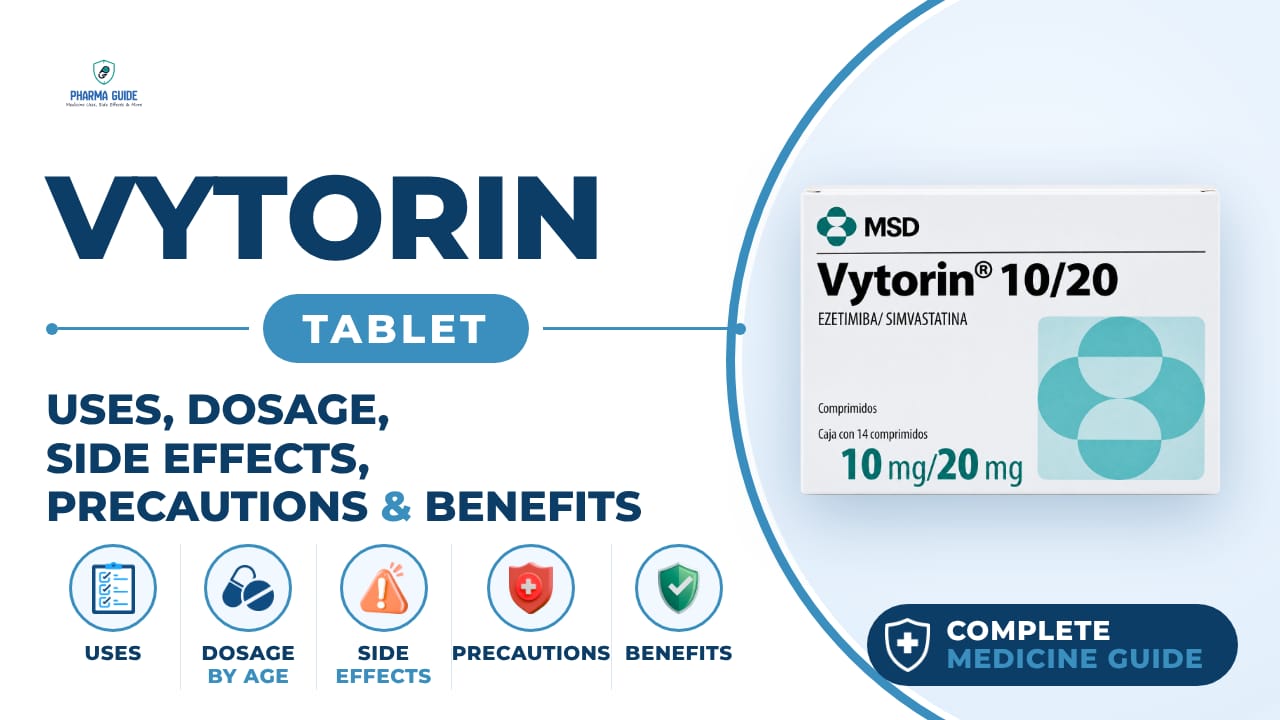
| Generic name | ezetimibe and simvastatin |
|---|---|
| Drug class | Antihyperlipidemic combination |
| Forms | Tablet |
Quick overview
Vytorin is a brand-name prescription medicine that combines two cholesterol-lowering drugs, ezetimibe and simvastatin, in one tablet. It is used together with a low-cholesterol diet to help manage certain types of high cholesterol, including primary hyperlipidemia, mixed hyperlipidemia, and familial hypercholesterolemia. It works by reducing cholesterol absorption in the intestine and cholesterol production in the liver. Vytorin is taken once daily and must be used exactly as prescribed, with attention to certain drug interactions and risks of muscle and liver problems.
What is Vytorin Tablet
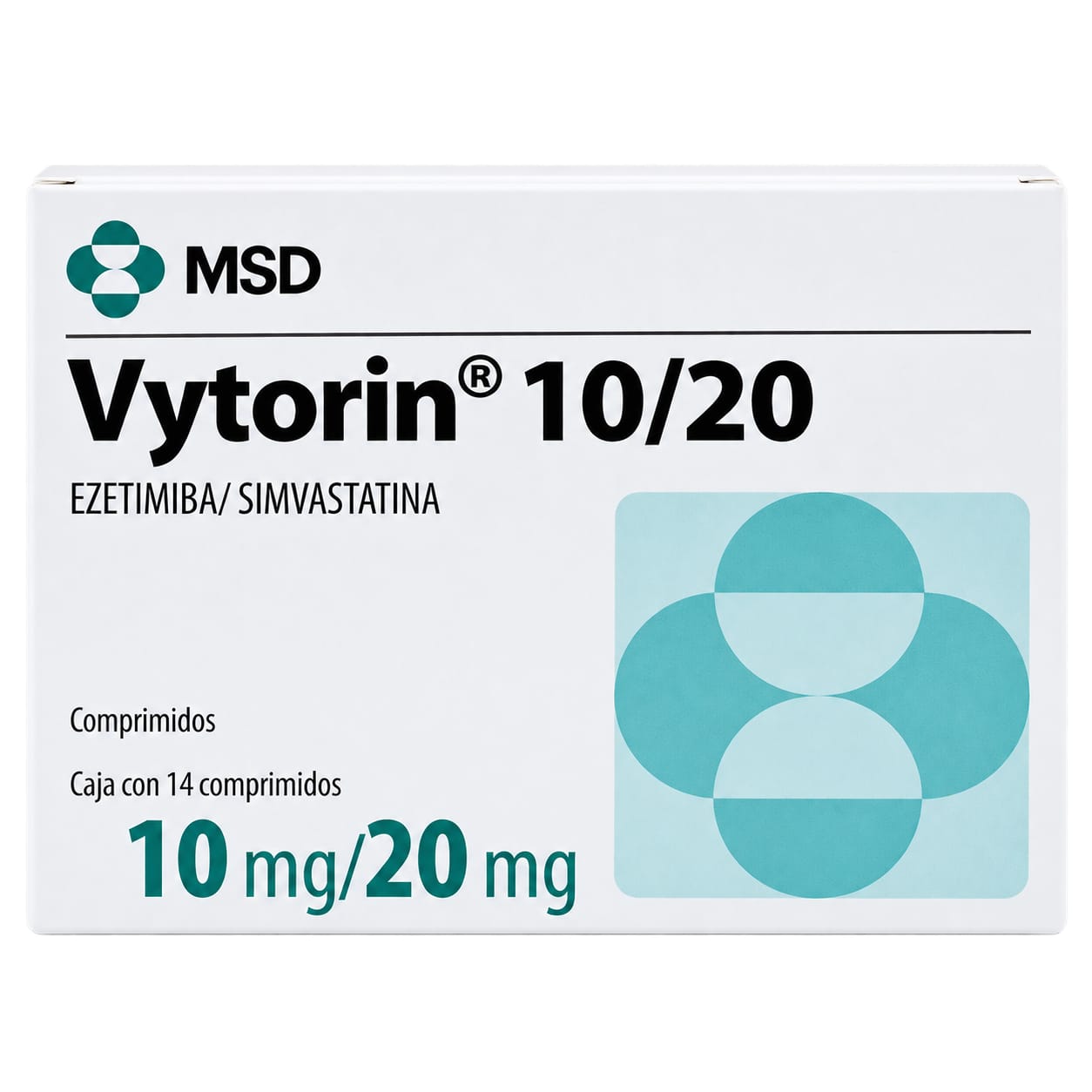
Vytorin is a brand-name prescription medicine that combines two cholesterol-lowering drugs, ezetimibe and simvastatin, in one tablet. It belongs to the antihyperlipidemic combination drug class and is used together with a low-cholesterol diet to help manage certain types of high cholesterol.
Vytorin Tablet uses
- Treating primary hyperlipidemia (high cholesterol with a genetic or lifestyle-related cause)
- Treating mixed hyperlipidemia (high cholesterol and high triglycerides)
- Treating homozygous familial hypercholesterolemia (HoFH), usually added on to other cholesterol-lowering treatments
- Lowering LDL cholesterol in people with heterozygous familial hypercholesterolemia (HeFH)
Benefits of Vytorin Tablet
- Lowers LDL ("bad") cholesterol
- Lowers total cholesterol
- Lowers triglycerides
- Raises HDL ("good") cholesterol
- Can lower the risk of heart attack, stroke, and death from heart and blood vessel disease
How Vytorin Tablet works
Vytorin contains two medicines that lower cholesterol in different ways. Ezetimibe blocks the small intestine from absorbing cholesterol from food. Simvastatin is a statin that blocks the liver from making cholesterol. Together, they lower bad cholesterol and triglycerides and raise good cholesterol. It usually starts lowering cholesterol within about two weeks, but it needs to be taken long term to keep cholesterol levels healthy.
Vytorin Tablet dosage
Take Vytorin once a day, in the evening, since the body makes most of its cholesterol at night. It can be taken with or without food. If you also take a bile acid sequestrant like cholestyramine or colestipol, take Vytorin at least 2 hours before or 4 hours after that medicine. If you miss a dose, skip it and take your next dose as usual the next evening — do not double up. Keep taking it regularly even if you feel well, since high cholesterol usually has no symptoms. It may take a few weeks to see the full effect on cholesterol levels. Continue following your doctor's advice on diet and exercise while taking this medicine. Dosing recommendations are the same for children ages 10 and older as for adults.
| Age group | Dose |
|---|---|
| Under 10 years | Safety and effectiveness not established |
| 10–17 years | 10/10 mg to 10/40 mg once daily for heterozygous familial hypercholesterolemia |
| 18–64 years | 10/10 mg to 10/40 mg once daily |
| 65 years and older | Same labeled adult range, with individualized monitoring |
Available forms and strengths
- Tablet
Side effects of Vytorin Tablet
Common
- Headache
- Upper respiratory infections such as sinusitis or the common cold
- Diarrhea
- Muscle pain or weakness
- Back or joint pain
- Pain in arms or legs
- Feeling weak or lacking energy
- Trouble sleeping (insomnia)
- Nausea
- Dizziness
- Rash or itchiness
- Hair loss
- Memory problems
- Depression
- Increased blood sugar levels
Serious
- Myopathy (muscle damage) and rhabdomyolysis (muscle breakdown that can lead to kidney failure)
- Immune-mediated necrotizing myopathy or myositis (overactive immune response causing muscle cell death)
- Liver problems, such as increased liver enzymes or liver failure
- Allergic reaction, including swelling of the face, lips, tongue, or throat, and trouble breathing
Warnings and precautions
- Do not take Vytorin with certain antibiotics, antifungals, or HIV medicines, as well as the drugs cyclosporine, danazol, nefazodone, or gemfibrozil, because these can cause dangerous buildup of Vytorin in the body and increase the risk of serious muscle damage.
- Avoid grapefruit and grapefruit juice while taking this medicine, as it can increase the risk of side effects.
- People over 65, women, people of Chinese descent, and those with kidney problems or poorly controlled underactive thyroid have a higher risk of serious muscle breakdown (rhabdomyolysis) while taking this medicine.
- This medicine should not be used by anyone with active liver failure or decompensated cirrhosis.
- This medicine should not be given to a girl who has not yet started having periods.
- Vytorin should not be used during pregnancy because it could harm the baby. If you become pregnant while taking it, stop taking it and tell your doctor right away.
- Vytorin should not be used while breastfeeding because it's not known if it passes into breast milk, and it could harm a breastfeeding child.
- People with long-term kidney disease may have Vytorin build up in the body, raising the risk of muscle damage. A lower dose may be needed.
- Vytorin can cause liver damage and should not be used by people with active liver disease or unexplained increases in liver enzymes. People with a past history of liver disease may have higher risk and should discuss this with their doctor.
- Drinking alcohol while taking Vytorin may increase the risk of liver damage. People who regularly drink large amounts of alcohol should talk to their doctor before taking Vytorin.
- Report unexplained muscle pain, tenderness, or weakness.
Storage
- Store at room temperature of 68°F to 77°F (20°C to 25°C)
- Keep in a tightly sealed container, away from light
- Avoid storing in areas where it could get damp or wet, such as bathrooms
- Keep out of the reach of children and pets
- Dispose of unused medicine safely; ask your pharmacist how to do this properly
When to see a doctor
- Get emergency help right away if you have signs of an allergic reaction, such as hives, difficulty breathing, or swelling of the face, lips, tongue, or throat.
- Stop taking Vytorin and call your doctor right away if you have unexplained muscle pain, tenderness, or weakness, especially with fever or unusual tiredness — this can be a sign of serious muscle damage.
- Call your doctor right away if you notice signs of liver problems, such as pain in your upper belly, nausea and vomiting, yellowing of your skin or eyes, unusually dark urine, pale stools, or loss of appetite.
- If you think you've taken too much Vytorin, contact your doctor or poison control right away, or go to the nearest emergency room if symptoms are severe.
Alternatives
- Bempedoic acid
- Pitavastatin
- Rosuvastatin
- Atorvastatin
Watch the video
FAQs
What is Vytorin Tablet used for?
Vytorin is used along with a low-cholesterol diet to treat primary hyperlipidemia, mixed hyperlipidemia, homozygous familial hypercholesterolemia, and to lower LDL cholesterol in heterozygous familial hypercholesterolemia.
How does Vytorin Tablet work?
Vytorin combines ezetimibe, which blocks the intestine from absorbing cholesterol from food, and simvastatin, which blocks the liver from making cholesterol. Together they lower LDL cholesterol and triglycerides and raise HDL cholesterol.
When should Vytorin Tablet be taken?
Vytorin should be taken once a day in the evening, with or without food, since the body makes most of its cholesterol at night. It should be taken regularly even if you feel well.
What are the serious side effects of Vytorin Tablet?
Serious side effects include myopathy and rhabdomyolysis (muscle damage), immune-mediated necrotizing myopathy, liver problems such as increased liver enzymes or liver failure, and allergic reactions.
Who should avoid taking Vytorin Tablet?
Vytorin should not be used by anyone with active liver failure or decompensated cirrhosis, girls who have not yet started having periods, and should not be used during pregnancy or breastfeeding.
General information, not medical advice
Your prescriber and the leaflet in your pack know your situation. This page does not.
- Follow your prescriber and the leaflet
- Don't start, stop, or change a dose on your own
- Doses and warnings differ by country and product
Sources
Video
Related medicines

Injectafer Injection: Uses, Dosage, Side Effects, Precautions and Alternates
Iron products
Injectafer (ferric carboxymaltose) treats iron deficiency anemia and heart failure-related iron deficiency via IV. Learn uses, dosage, side effects, and

Gliclazide Tablet: Uses, Dosage, Side Effects, Precautions and Alternates
Sulfonylurea (hypoglycemic/antidiabetic agent)
Gliclazide Tablet is a sulfonylurea for type 2 diabetes that boosts insulin release. Learn about dosage, side effects, warnings, and precautions.