
Safety
General information, not medical advice
Your prescriber and the leaflet in your pack know your situation. This page does not.
- Follow your prescriber and the leaflet
- Don't start, stop, or change a dose on your own
- Doses and warnings differ by country and product
Warfarin Tablet: Uses, Dosage, Side Effects, Precautions and Alternates
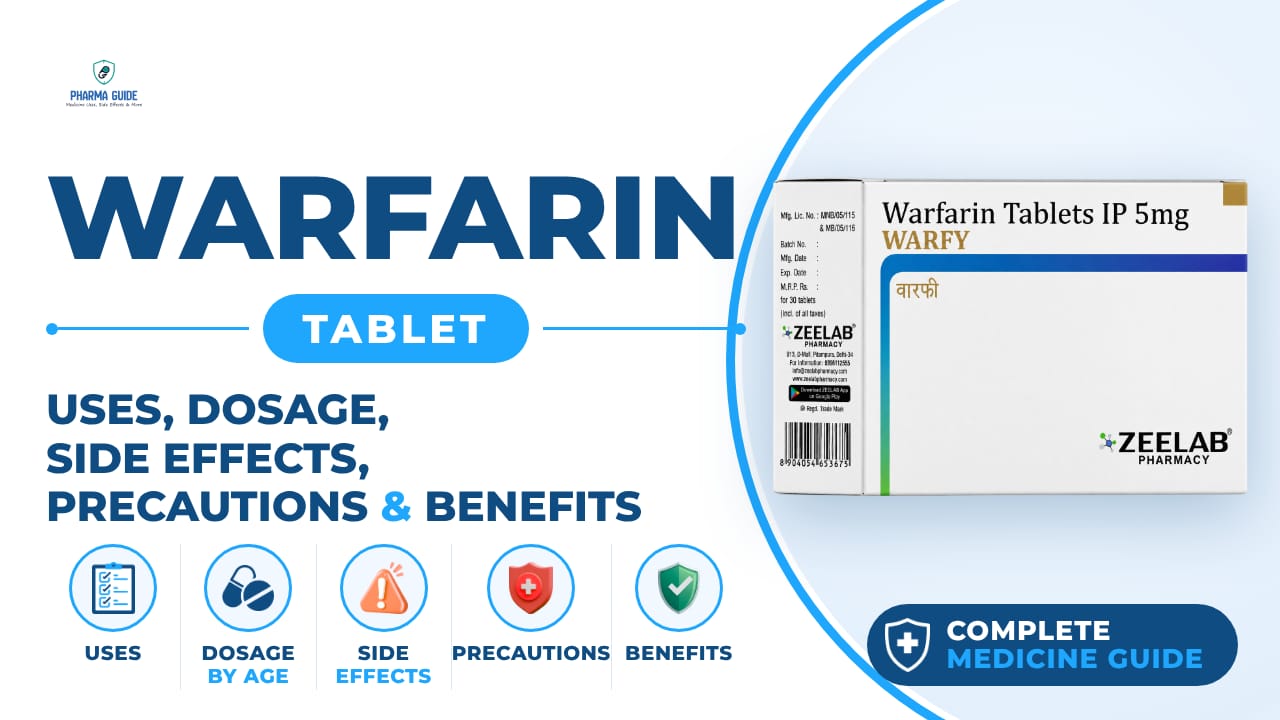
| Generic name | warfarin |
|---|---|
| Drug class | Coumarins and indandiones (anticoagulant) |
| Forms | tablet |
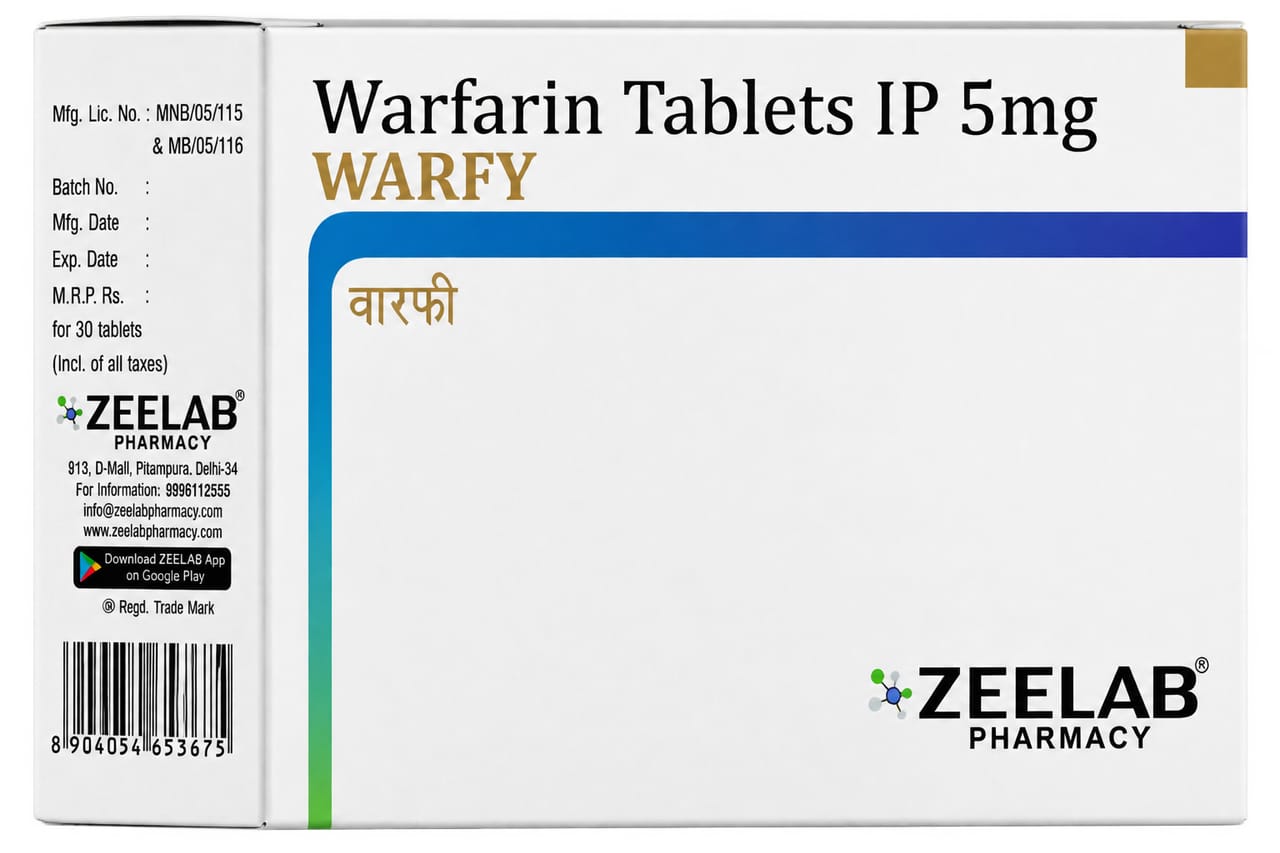
Quick overview
Warfarin is an anticoagulant, often called a blood thinner, that helps blood flow more easily through your veins and reduces the formation of blood clots. It is used to treat and prevent blood clots in veins or arteries, including deep vein thrombosis and pulmonary embolism, and to protect people at high risk of clots. Warfarin requires regular blood testing and careful attention to diet, other medicines, and lifestyle factors to use it safely.
What is Warfarin Tablet
Warfarin is an anticoagulant, often called a blood thinner. It helps blood flow more easily through your veins and reduces the formation of blood clots.
Warfarin Tablet uses
- Treating or preventing blood clots in veins or arteries
- Deep vein thrombosis (DVT), a blood clot in the leg
- Pulmonary embolism, a blood clot in the lungs
- Preventing blood clots in people at high risk, such as those with a mechanical or replacement heart valve, an irregular heartbeat (atrial fibrillation), or a blood-clotting disorder
- Preventing blood clots after a heart attack (myocardial infarction)
- Reducing the risk of stroke, heart attack, or organ damage from clots
Benefits of Warfarin Tablet
- Reduces the risk of stroke, heart attack, or other serious conditions caused by blood clots
- Keeps existing blood clots from getting larger
- May prevent a piece of a clot from breaking off and traveling to the lungs, brain, or heart
How Warfarin Tablet works
Warfarin blocks your body's use of vitamin K, which is needed by certain clotting factors to form blood clots. This slows down how fast your blood clots.
Warfarin Tablet dosage
Take warfarin exactly as your doctor tells you, and follow the directions on your prescription label. Take it at the same time every day, with or without food. Never take a double dose to make up for a missed one. If you miss a dose, take it as soon as you remember, unless it is almost time for your next dose, in which case skip the missed dose. If you often forget a dose, or forget two or more days in a row, contact your doctor.
You will need regular blood tests (INR or prothrombin time) to check how your blood is clotting and to adjust your dose. Do not stop taking warfarin without talking to your doctor first. Tell your doctor if you are sick with diarrhea, fever, chills, or flu symptoms, or if your body weight changes. Call your doctor if you fall or injure yourself, especially if you hit your head.
You may need to stop taking warfarin several days before surgery, dental work, or a medical procedure, so tell your doctor about upcoming procedures. Wear a medical alert tag or carry an anticoagulant alert card stating that you take warfarin, and show it before any medical or dental treatment, including vaccinations and routine dental cleanings.
Avoid making changes to your diet, especially foods high in vitamin K, without talking to your doctor first. Never change brands of warfarin without medical advice, as it can affect your blood test results.
| Age group | Dose |
|---|---|
| Under 18 years | Specialist-directed dosing required |
| 18–64 years | Usually 5 mg once daily initially |
| 65 years & older | Usually 2–5 mg once daily initially, with adjustment based on INR |
| Adults | Individualized; commonly 2–5 mg once daily initially |
Available forms and strengths
Warfarin is available as a tablet.
Side effects of Warfarin Tablet
Common
- Bleeding (most common side effect), such as nosebleeds or bruising more often than usual
- Abdominal pain
- Blurred vision
- Headache
- Dizziness
- Diarrhea
- Skin rash and itching
- Muscle or joint pain
- Excessive gas in the stomach
- Hair loss or thinning of hair
- Feeling or getting sick (vomiting)
- A high temperature of 38 degrees Celsius or higher
Serious
- Bleeding that will not stop
- Sudden headache, feeling very weak or dizzy
- Swelling, pain, or unusual bruising
- Bleeding gums, nosebleeds lasting longer than 10 minutes
- Heavy menstrual periods or abnormal vaginal bleeding
- Blood in urine, or bloody or tarry stools
- Coughing up blood or vomit that looks like coffee grounds
- Signs of an allergic reaction: hives, difficulty breathing, swelling of face, lips, tongue, or throat
- Pain, swelling, hot or cold feeling, skin changes, or discoloration anywhere on the body, which could signal tissue death (necrosis)
- Sudden and severe leg or foot pain, foot ulcer, purple toes or fingers
- Yellowing of skin or eyes (jaundice), which can be a sign of liver problems
- A painful rash or blisters on the skin
- Painful swollen patches on the skin, particularly with chronic kidney disease
- Severe headaches, seizures, changes to eyesight, loss of consciousness, or slurred speech
- Dizziness, numbness, or tingling in arms or legs, or feeling very tired, weak, or sick
Warnings and precautions
- Do not take warfarin if you are prone to bleeding due to a medical condition, have upcoming surgery, or need a spinal tap or epidural. Do not take it if you cannot take it on time every day.
- Warfarin increases the risk of severe or fatal bleeding, especially in people with certain medical conditions, those 65 or older, or those who have had a stroke or bleeding in the stomach or intestines.
- Many other drugs can increase the risk of bleeding when taken with warfarin, so tell your doctor about all medicines you use.
- Do not make changes to your diet without talking to your doctor first, since some foods can make warfarin less effective.
- Grapefruit juice, cranberry juice, noni juice, and pomegranate juice may interact with warfarin and cause unwanted side effects, so avoid these while taking the medicine.
- Warfarin can cause tissue death (necrosis) within a few days of starting treatment, so watch for pain and skin color changes.
- Warfarin may rarely cause a reaction called calciphylaxis, where calcium builds up in small blood vessels of the fat and skin tissue.
- Females who are pregnant should not handle crushed or broken warfarin tablets.
- Never change brands of warfarin without medical advice, as it can affect your blood test results.
- Warfarin should not be taken during pregnancy unless you have a mechanical heart valve, because it can cause birth defects, miscarriage, or death of an unborn baby. Your doctor will do a pregnancy test before starting this medicine.
- It is not known whether warfarin passes into breast milk, so watch for signs of bruising or bleeding in a breastfeeding baby, and discuss the risks and benefits with your doctor.
- Warfarin is not recommended for people with kidney disease due to an increased risk of bleeding, and close monitoring of kidney function is necessary.
- Warfarin is not recommended for people with liver disease due to an increased risk of bleeding, and liver function should be closely monitored.
- Avoid drinking alcohol while taking warfarin, as it increases the risk of bleeding.
Storage
- Store at room temperature away from heat, moisture, and light.
- Store warfarin away from heat, moisture or direct sunlight.
When to see a doctor
- Get emergency help right away if you have any bleeding that will not stop.
- Call your doctor immediately if you have signs of bleeding, such as swelling, pain, feeling very weak or dizzy, unusual bruising, bleeding gums, nosebleeds, heavy or abnormal vaginal bleeding, blood in urine, bloody or tarry stools, or coughing up blood or vomit that looks like coffee grounds.
- Get emergency medical help if you have signs of an allergic reaction: hives, difficulty breathing, or swelling of your face, lips, tongue, or throat.
- Get medical help right away if you notice pain, swelling, a hot or cold feeling, skin changes, or discoloration anywhere on the body, or sudden severe leg or foot pain, a foot ulcer, or purple toes or fingers.
- Contact your doctor or anticoagulant clinic immediately, or go to an emergency department, if you take more than your prescribed dose of warfarin.
- Call your doctor, anticoagulant clinic, or go to an emergency department immediately if you notice blood in your urine or stool, unusual bruising, nosebleeds lasting longer than 10 minutes, blood in vomit or coughing up blood, severe headaches, seizures, vision changes, loss of consciousness, slurred speech, dizziness, numbness or tingling in the arms or legs, or feeling very tired, weak, or sick.
- Call your doctor urgently if you develop yellowing of the skin or eyes, a painful rash or blisters on the skin, or painful swollen patches on the skin.
- Call emergency services or go to an emergency department right away if you have signs of a serious allergic reaction, such as an itchy, red, swollen, blistered or peeling rash, wheezing, tightness in the chest or throat, trouble breathing or talking, or swelling of the mouth, face, lips, tongue, or throat.
Alternatives
- Coumadin
- Jantoven
- Warfant
- Warfarin Teva
Watch the video
FAQs
What is Warfarin used for?
Warfarin is used to treat or prevent blood clots in veins or arteries, including deep vein thrombosis and pulmonary embolism. It also helps prevent clots in people with mechanical heart valves, atrial fibrillation, or blood-clotting disorders, and reduces the risk of stroke, heart attack, or organ damage from clots.
How does Warfarin work?
Warfarin blocks your body's use of vitamin K, which certain clotting factors need to form blood clots. This slows down how fast your blood clots.
What foods and drinks should be avoided while taking Warfarin?
Avoid making changes to your diet, especially foods high in vitamin K, without talking to your doctor first. Grapefruit juice, cranberry juice, noni juice, and pomegranate juice may interact with warfarin and cause unwanted side effects, so these should be avoided. Alcohol should also be avoided since it increases the risk of bleeding.
What should I do if I miss a dose of Warfarin?
If you miss a dose, take it as soon as you remember, unless it is almost time for your next dose, in which case skip the missed dose. Never take a double dose to make up for a missed one, and contact your doctor if you often forget doses or miss two or more days in a row.
What are the serious side effects of Warfarin?
Serious side effects include bleeding that will not stop, sudden headache or weakness, unusual bruising, bleeding gums, nosebleeds lasting longer than 10 minutes, blood in urine or stool, coughing up blood, signs of allergic reaction, tissue death, severe leg or foot pain, and yellowing of the skin or eyes.
General information, not medical advice
Your prescriber and the leaflet in your pack know your situation. This page does not.
- Follow your prescriber and the leaflet
- Don't start, stop, or change a dose on your own
- Doses and warnings differ by country and product
Sources
Video
Related medicines

Injectafer Injection: Uses, Dosage, Side Effects, Precautions and Alternates
Iron products
Injectafer (ferric carboxymaltose) treats iron deficiency anemia and heart failure-related iron deficiency via IV. Learn uses, dosage, side effects, and

Gliclazide Tablet: Uses, Dosage, Side Effects, Precautions and Alternates
Sulfonylurea (hypoglycemic/antidiabetic agent)
Gliclazide Tablet is a sulfonylurea for type 2 diabetes that boosts insulin release. Learn about dosage, side effects, warnings, and precautions.