
Safety
General information, not medical advice
Your prescriber and the leaflet in your pack know your situation. This page does not.
- Follow your prescriber and the leaflet
- Don't start, stop, or change a dose on your own
- Doses and warnings differ by country and product
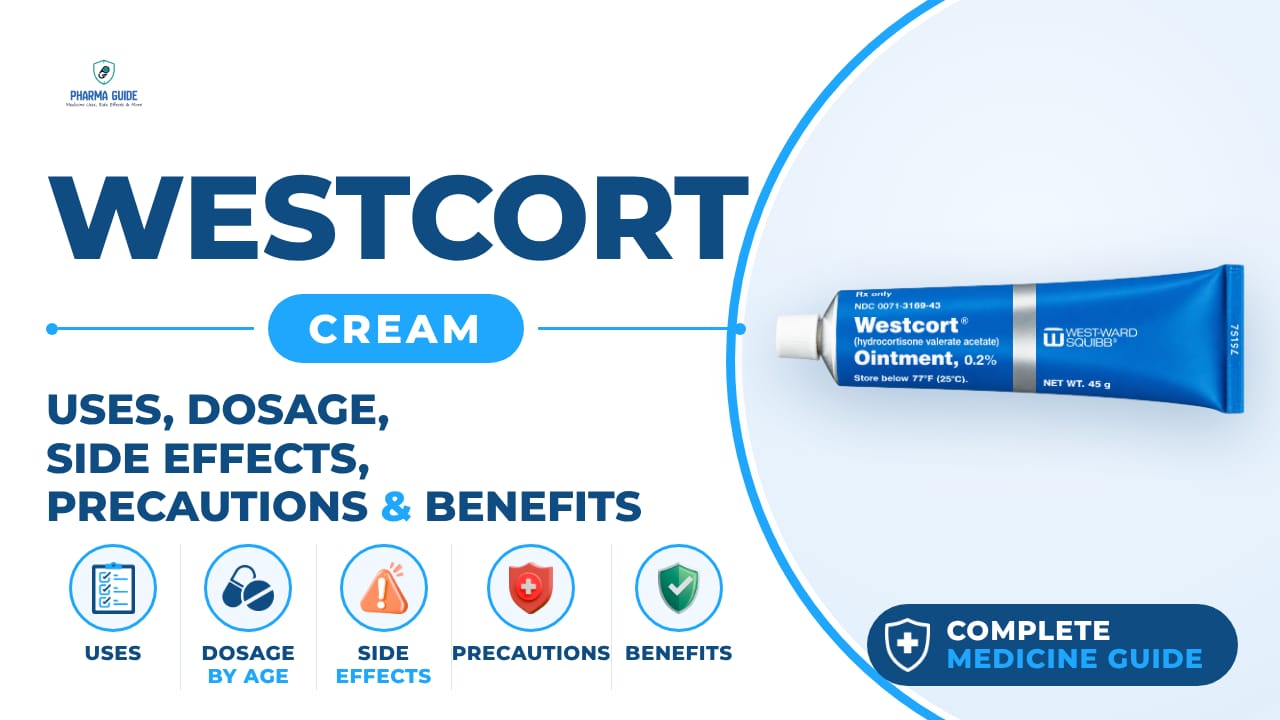
Westcort Cream: Uses, Dosage, Side Effects, Precautions and Alternates
| Generic name | hydrocortisone valerate |
|---|---|
| Drug class | Corticosteroids, Topical |
| Forms | Cream, Ointment |
Quick overview
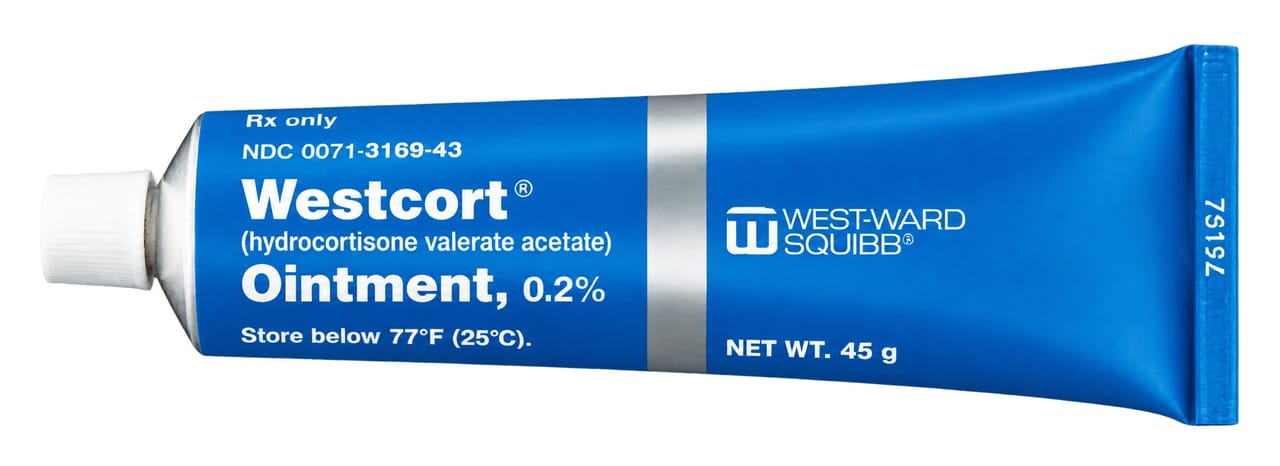
Westcort Cream (hydrocortisone valerate) is a medium-strength topical corticosteroid used to relieve inflammation, redness, itching, and swelling caused by skin conditions such as eczema, dermatitis, allergies, or psoriasis. It is applied directly to the skin and works by reducing inflammation and narrowing blood vessels in the affected area. The Westcort brand name is discontinued, but generic hydrocortisone valerate products may still be available.
What is Westcort Cream
Westcort Cream is a medium-strength (medium potency) corticosteroid medicine you put on the skin. It treats skin inflammation caused by conditions like allergic reactions, eczema, or psoriasis. The brand name Westcort is discontinued, but generic versions may be available.
Westcort Cream uses
- Relieving redness, itching, swelling, or other skin discomfort caused by skin conditions such as eczema, dermatitis, allergies, or psoriasis
- Treating the inflammatory and itchy symptoms of skin conditions that respond to corticosteroids in adults
Benefits of Westcort Cream
- Reduces swelling, itching, and redness in affected skin
- Calms inflammation caused by allergic reactions, eczema, or psoriasis
How Westcort Cream works
Hydrocortisone valerate is a corticosteroid that reduces inflammation, itching, and narrows blood vessels in the skin. Scientists believe corticosteroids work by triggering proteins that block the release of substances in the body that cause inflammation.
Westcort Cream dosage
Wash your hands with soap and water before and after using this medicine. Apply a thin layer to the affected area of skin and rub in gently. Be careful not to get this medicine in your eyes; if you do, flush your eyes with water. Do not apply to open wounds, burns, or broken or inflamed skin unless your doctor says to. Do not bandage or wrap the treated skin unless your doctor tells you to, since this increases how much medicine is absorbed. Do not use on the face, groin, or underarms unless your doctor directs you to. Do not use tight-fitting diapers or plastic pants over the treated area on a child, as these can act like a wrap and increase absorption. Do not use cosmetics or other skin care products on the treated areas.
If you miss a dose, apply it as soon as you remember, but skip it if it is almost time for your next dose - do not double up. Treatment should be stopped once the condition is under control; if there is no improvement within two weeks, contact your doctor. This medicine is for use on the skin only and should not be used for any condition other than the one it was prescribed for.
| Age group | Dose |
|---|---|
| Under 18 years | Safety not established; use only if specifically prescribed by a doctor |
| 18–64 years | Apply a thin film 2–3 times daily to affected areas |
| 65 years and older | Apply a thin film 2–3 times daily; use the lowest effective amount |
Available forms and strengths
- Cream
- Ointment
Side effects of Westcort Cream
Common
- Stinging, burning, itching, irritation, dryness, or redness at the application site when first applied
- Skin rash, encrusted, scaly, and oozing
- Dry skin
- Skin irritation
Serious
- Thinning of the skin, blistering skin, or stretch marks
- Blurred vision or seeing halos around lights
- Uneven or irregular heartbeats
- Sleep problems (insomnia)
- Weight gain
- Puffiness in the face
- Feeling tired
- Increased thirst or urination
- Dizziness or fainting
- Redness and scaling around the mouth
- Skin thinning with easy bruising, especially on the face or skin folds
Warnings and precautions
- This medicine should only be used during pregnancy if your doctor decides the benefits outweigh the possible risks to the baby, since there isn't enough research in pregnant women.
- It isn't known if using this cream on the skin causes enough of the drug to pass into breast milk to affect a nursing baby. Talk to your doctor before breastfeeding while using this medicine.
- For external use only; avoid contact with the eyes.
- Do not use on the face, underarms, or groin unless specifically directed by a doctor.
- Do not use occlusive dressings or tightly cover the treated area unless prescribed.
- Do not apply to the diaper area in children when diapers or plastic pants are used, because they can act as occlusive coverings.
- Avoid applying to large areas or using excessive amounts for prolonged periods.
- Prolonged or excessive use can cause skin thinning, stretch marks, irritation, and other local skin reactions.
- Significant absorption can rarely cause HPA-axis suppression, adrenal insufficiency, Cushing's syndrome, increased blood glucose, or glucose in the urine.
- Children have a higher risk of systemic corticosteroid effects because of their larger skin-surface-to-body-weight ratio. Safety of hydrocortisone valerate 0.2% has not been established in pediatric patients.
- If irritation develops, discontinue use and consult a healthcare professional.
- If a skin infection is present or develops, appropriate antibacterial or antifungal treatment may be required; corticosteroid treatment may need to be stopped until the infection is controlled.
- Stop when the condition is controlled. If there is no improvement within 2 weeks, the diagnosis should be reassessed.
- Using too much of this medicine or using it on the skin for a long time can be absorbed into the body and cause serious effects, similar to taking corticosteroids by mouth, including adrenal gland problems.
- Children may absorb more of this medicine through their skin than adults because their skin surface is larger relative to their body size, putting them at greater risk of side effects like adrenal gland suppression and slowed growth.
- Do not use this medicine if you have ever had an allergic reaction to it or to any of its ingredients.
- Do not use this cream in the diaper area if diapers or plastic pants are needed, since these can act like an occlusive wrap and increase how much medicine is absorbed.
- If your skin becomes irritated, stop using this medicine and contact your doctor.
- If a skin infection is present or develops while using this medicine, it should be treated with an appropriate antibiotic or antifungal medicine, and Westcort should be stopped if the infection doesn't improve quickly.
Storage
- Store the medicine in a closed container at room temperature, away from heat, moisture, and direct light
- Keep from freezing
- Keep out of the reach of children
- Do not keep outdated medicine or medicine no longer needed
- Ask your healthcare professional how you should dispose of any medicine you do not use
When to see a doctor
- Get medical help right away if you notice signs of a serious allergic reaction, such as hives, difficulty breathing, or swelling of your face, lips, tongue, or throat.
- Talk to your doctor right away if you or your child have symptoms that could mean the medicine has affected your adrenal glands, such as blurred vision, dizziness or fainting, a fast or irregular heartbeat, increased thirst or urination, irritability, or unusual tiredness.
- Stop using this medicine and check with your doctor right away if you or your child develop a skin rash, burning, stinging, swelling, or irritation on the skin.
- Seek medical care right away for serious eye symptoms such as sudden vision loss, blurred vision, tunnel vision, eye pain or swelling, or seeing halos around lights.
- Seek medical care right away for serious heart symptoms such as a fast, irregular, or pounding heartbeat, fluttering in your chest, shortness of breath, or sudden dizziness or passing out.
- Get medical help right away for a severe headache, confusion, slurred speech, arm or leg weakness, trouble walking, loss of coordination, feeling unsteady, very stiff muscles, high fever, heavy sweating, or tremors.
- Contact your doctor if your symptoms don't improve within two weeks or if they get worse.
Alternatives
- Hydrocortisone 1% Cream
- Desonide 0.05% Cream
- Mometasone Furoate 0.1% Cream
Watch the video
FAQs
What is Westcort Cream used for?
Westcort Cream is used to relieve redness, itching, swelling, and other skin discomfort caused by conditions such as eczema, dermatitis, allergies, or psoriasis.
How is Westcort Cream applied?
Apply a thin layer to the affected area 2-3 times daily and rub in gently. Wash your hands before and after use, avoid contact with the eyes, and do not bandage or wrap the treated skin unless directed by your doctor.
What are the common side effects of Westcort Cream?
Common side effects include stinging, burning, itching, irritation, dryness, or redness at the application site, as well as dry skin and skin irritation.
Can Westcort Cream be used on the face or in skin folds?
No, it should not be used on the face, groin, or underarms unless specifically directed by a doctor, since these areas can absorb more medicine.
Is Westcort Cream safe to use during pregnancy?
It should only be used during pregnancy if your doctor decides the benefits outweigh the possible risks, since there isn't enough research in pregnant women.
General information, not medical advice
Your prescriber and the leaflet in your pack know your situation. This page does not.
- Follow your prescriber and the leaflet
- Don't start, stop, or change a dose on your own
- Doses and warnings differ by country and product
Sources
Video
Related medicines
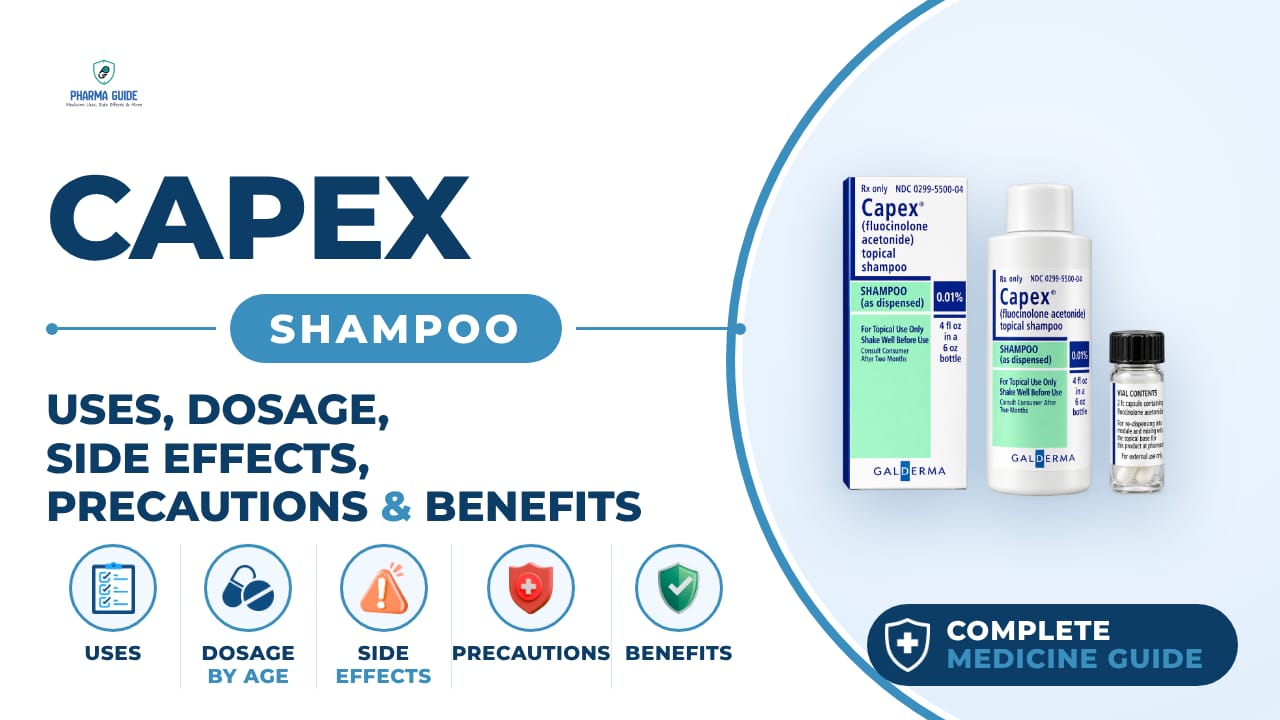
Capex Shampoo: Uses, Dosage, Side Effects, Precautions and Alternates
Corticosteroids, Topical
Capex Shampoo is a prescription corticosteroid shampoo for scalp seborrheic dermatitis. Learn its uses, dosage, side effects, warnings, and alternatives.
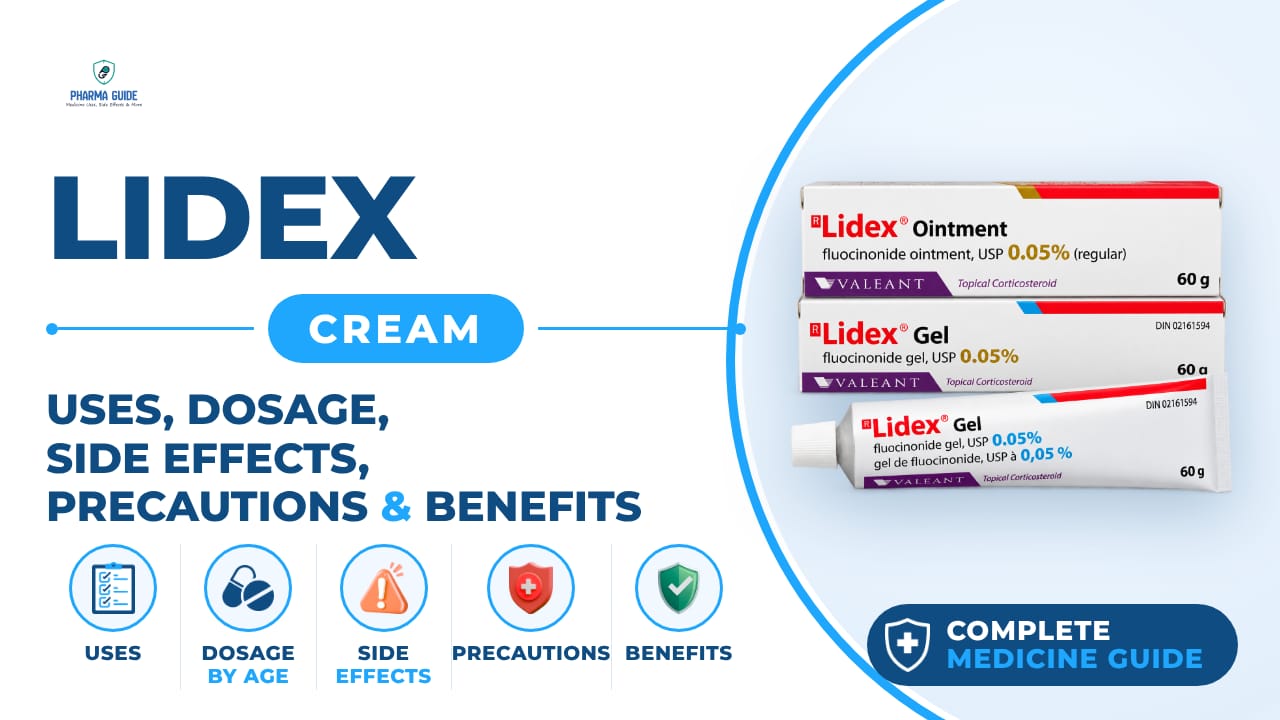
Lidex Cream: Uses, Dosage, Side Effects, Precautions and Alternates
Corticosteroids, Topical
Lidex Cream (fluocinonide) is a strong topical steroid for eczema, dermatitis, and psoriasis. Learn dosage, side effects, and precautions here.