
Safety
General information, not medical advice
Your prescriber and the leaflet in your pack know your situation. This page does not.
- Follow your prescriber and the leaflet
- Don't start, stop, or change a dose on your own
- Doses and warnings differ by country and product
Wysolone Tablet: Uses, Dosage, Side Effects, Precautions and Alternates
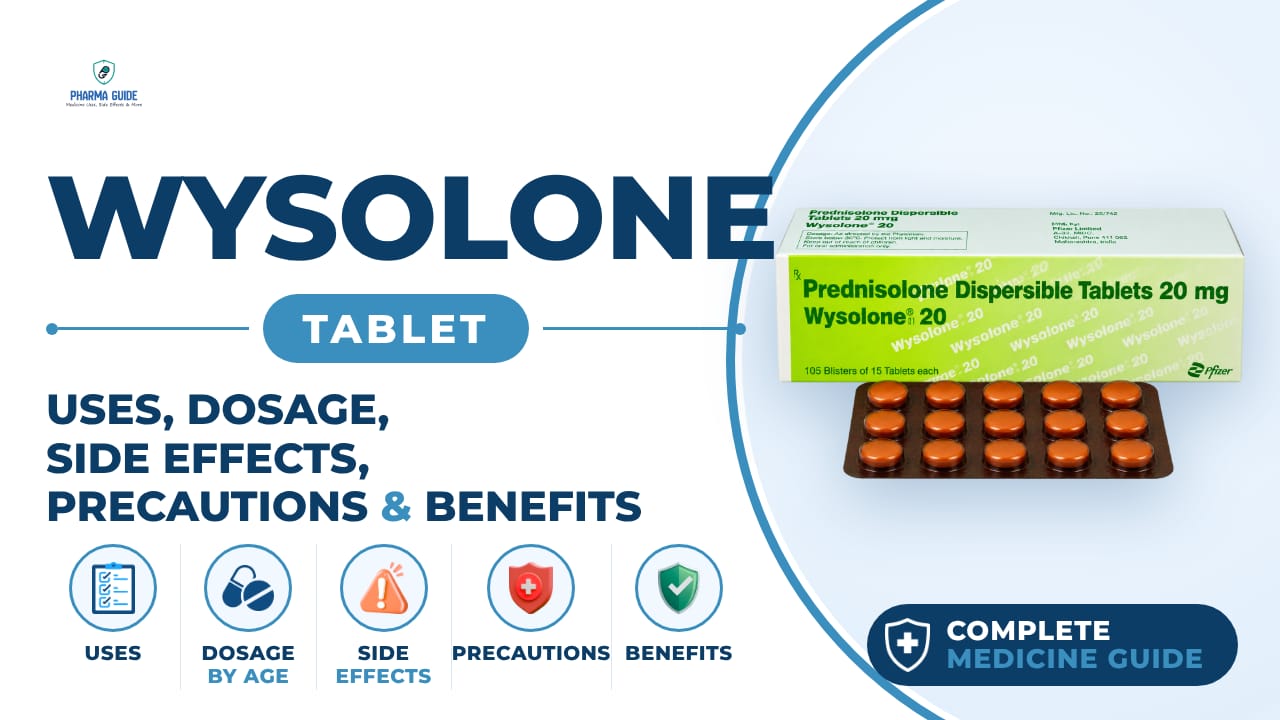
| Generic name | Prednisolone |
|---|---|
| Drug class | Corticosteroid (Glucocorticoid) |
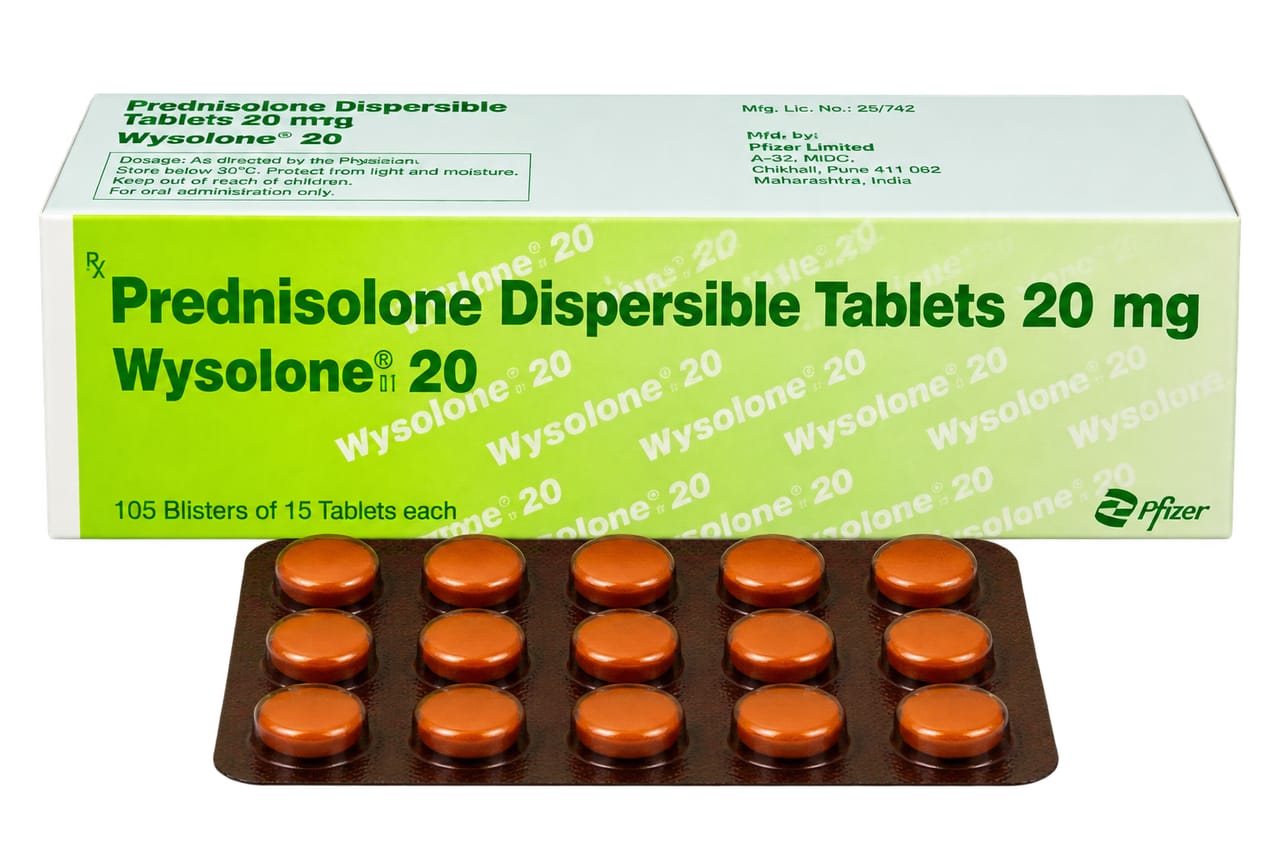
| Forms | Tablet, Dispersible tablet (DT) |
Quick overview
Wysolone Tablet contains prednisolone, a corticosteroid (glucocorticoid) medicine. It is used to reduce swelling, inflammation, and calm an overactive immune system in many different conditions, including gouty arthritis, psoriasis, nephrotic syndrome, rheumatoid arthritis, and asthma. It works similarly to the natural body hormone cortisol. It is available as a regular tablet and a dispersible tablet.
What is Wysolone Tablet
Wysolone is a corticosteroid medicine that contains prednisolone. It is used to reduce swelling, inflammation, and calm down an overactive immune system in many different conditions.
Wysolone Tablet uses
- Gouty arthritis
- Psoriasis
- Nephrotic syndrome
- Rheumatoid arthritis
- Asthma
- Osteoarthritis
- Bursitis
- Multiple sclerosis
- Severe allergic reactions
- Skin, eye, kidney and bowel disorders
Benefits of Wysolone Tablet
- Helps reduce inflammation and swelling
- Calms an overactive immune response
- Helps relieve symptoms of allergic disorders, arthritis, and asthma
How Wysolone Tablet works
This medicine works like a natural body hormone called cortisol. It stops the body from making substances that cause inflammation, keeps white blood cells from reaching swollen areas, reduces immune cells attacking healthy tissue, and prevents the release of histamine that causes allergic reactions.
Wysolone Tablet dosage
Take this medicine with food or milk to reduce stomach upset. If it is a dispersible tablet, dissolve it in water as directed before taking it. Take it exactly as your doctor prescribes and follow the timing instructions given. Use dry hands to remove the tablet from its packaging. Do not chew, split, or break the tablets. Do not stop taking this medicine suddenly after using it for a long time; the dose needs to be lowered gradually under medical guidance. If you miss a dose, take it as soon as you remember, but skip it if it is almost time for your next dose — do not double up.
| Age group | Dose |
|---|---|
| Children | 0.1–2 mg/kg/day depending on medical condition (as prescribed) |
| Adults (18–64 Years) | 5–60 mg/day depending on condition and response |
| Older Adults (65+ Years) | Lowest effective dose (usually 5–40 mg/day) adjusted according to condition |
Available forms and strengths
- Tablet
- Dispersible tablet (DT)
Side effects of Wysolone Tablet
Common
- Weight gain
- Increased susceptibility to infections
- Fluid retention
- Skin irritation
- Bloating (gas)
- Mood changes
- Dizziness
- Headache
- Increased appetite
- Fast heartbeat
- Aggression or anger
- Decreased urine output
Serious
- Shortness of breath, swelling, or rapid weight gain
- Bruising, thinning skin, or wounds that will not heal
- Severe depression, personality changes, or unusual thoughts or behavior
- New or unusual pain in an arm, leg, or back
- Bloody or tarry stools, coughing up blood, or vomit that looks like coffee grounds
- Severe stomach pain spreading to the back, with nausea and vomiting
- Seizures
- Low potassium symptoms such as leg cramps, constipation, irregular heartbeat, fluttering in the chest, increased thirst or urination, numbness or tingling
- Signs of an allergic reaction such as hives, difficulty breathing, or swelling of the face, lips, tongue, or throat
Warnings and precautions
- Do not use this medicine if you have a fungal infection anywhere in your body.
- This medicine can weaken your immune system, making infections easier to catch, and can make existing infections worse or reactivate old ones. Tell your doctor about any illness or infection in the past several weeks.
- Tell your doctor if you have had tuberculosis, thyroid disorder, herpes eye infection, stomach ulcers, ulcerative colitis, diverticulitis, depression or mental illness, liver disease, high blood pressure, osteoporosis, myasthenia gravis, or multiple sclerosis.
- Do not stop taking this medicine suddenly, as this can cause severe side effects such as confusion and headache. The dose must be lowered gradually under a doctor's guidance.
- Do not receive live vaccines (such as MMR, polio, chickenpox, or shingles vaccines) while using this medicine, as it may not work properly and may not fully protect you.
- Avoid being near people who are sick or have infections, since illnesses like chickenpox or measles can be serious or even life-threatening while on this medicine.
- This medicine may slow growth and development in children. Speak with your child's doctor about the risks.
- This medicine is not recommended during pregnancy unless it is absolutely necessary. It can harm an unborn baby, especially if taken in the first three months. Talk to your doctor about the risks and benefits.
- This medicine may pass into breast milk and could harm a nursing baby. Talk to your doctor before using it while breastfeeding.
- If you have kidney problems, tell your doctor before taking this medicine. Your dosage may need to be adjusted or your kidney function monitored more closely.
- If you have liver problems, tell your doctor before taking this medicine. Your dosage may need to be adjusted or your liver function monitored more closely.
- Avoid drinking alcohol while taking this medicine, as it may increase the risk of stomach bleeding.
- This medicine may cause dizziness or drowsiness. Do not drive or use machinery until you know how it affects you.
Storage
- Store the medicine in its original packaging
- Keep medicine airtight and at room temperature
- Protect the medicine from light, excess heat, and moisture
- Keep it away from children and pets
- Use the product before its expiry date
- Store below 30°C
When to see a doctor
- Get emergency medical help if you have signs of an allergic reaction such as hives, difficulty breathing, or swelling of the face, lips, tongue, or throat.
- Call your doctor right away if you have shortness of breath, swelling, or sudden weight gain; bruising or wounds that won't heal; severe depression or unusual behavior; new pain in an arm, leg or back; bloody or tarry stools or vomit that looks like coffee grounds; severe stomach pain with vomiting; seizures; or signs of low potassium like leg cramps, irregular heartbeat, or increased thirst.
- If you take too much of this medicine by accident, get immediate medical attention or contact your doctor or nearby hospital.
- If side effects do not improve or become serious, speak to your doctor right away.
Alternatives
- Hydrocortisone
- Dexamethasone
- Methylprednisolone
- Prednisone
Watch the video
FAQs
What is Wysolone Tablet used for?
Wysolone Tablet is used for conditions like gouty arthritis, psoriasis, nephrotic syndrome, rheumatoid arthritis, asthma, osteoarthritis, bursitis, multiple sclerosis, severe allergic reactions, and skin, eye, kidney, and bowel disorders.
How should I take Wysolone Tablet?
Take it with food or milk to reduce stomach upset. If using the dispersible tablet, dissolve it in water as directed. Take it exactly as prescribed, do not chew, split, or break the tablets, and do not stop suddenly without medical guidance.
What are the common side effects of Wysolone Tablet?
Common side effects include weight gain, increased susceptibility to infections, fluid retention, skin irritation, bloating, mood changes, dizziness, headache, increased appetite, fast heartbeat, aggression or anger, and decreased urine output.
Can I stop taking Wysolone Tablet suddenly?
No, you should not stop taking this medicine suddenly after long-term use, as it can cause severe side effects such as confusion and headache. The dose must be lowered gradually under a doctor's guidance.
Is Wysolone Tablet safe during pregnancy?
It is not recommended during pregnancy unless absolutely necessary, as it can harm an unborn baby, especially if taken in the first three months. Talk to your doctor about the risks and benefits.
General information, not medical advice
Your prescriber and the leaflet in your pack know your situation. This page does not.
- Follow your prescriber and the leaflet
- Don't start, stop, or change a dose on your own
- Doses and warnings differ by country and product
Sources
Video
Related medicines
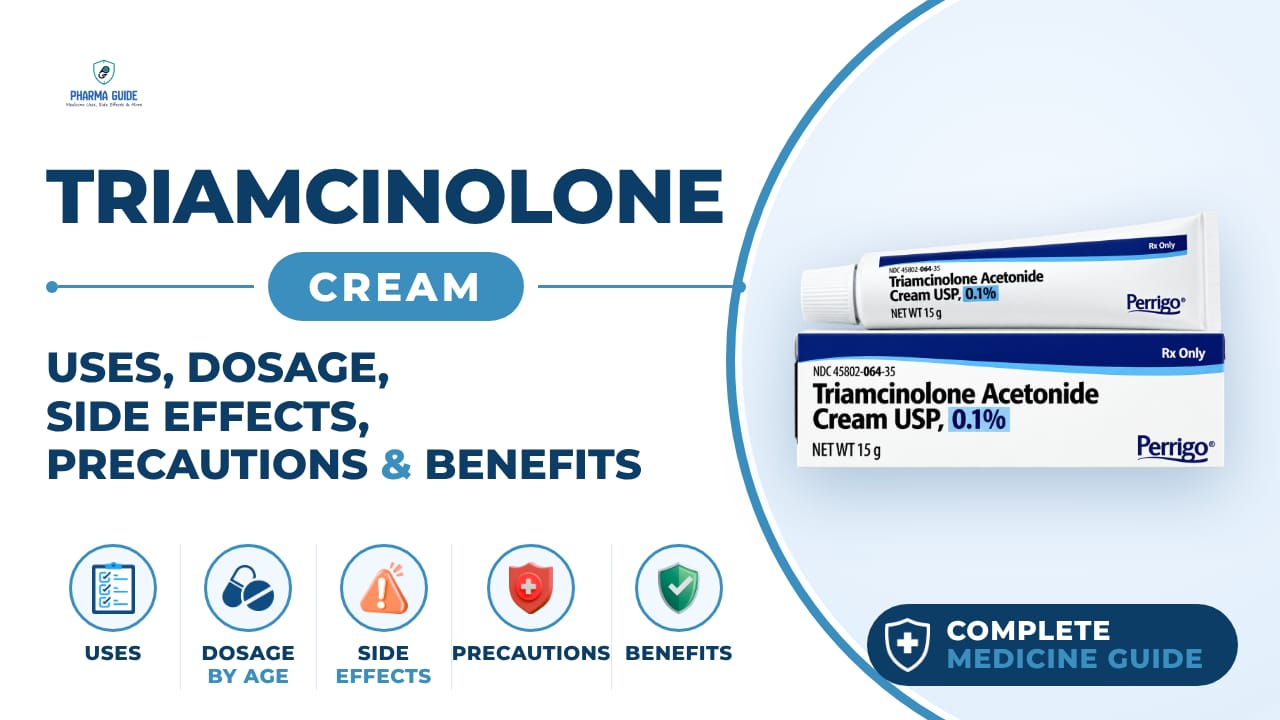
Triamcinolone Cream: Uses, Dosage, Side Effects, Precautions and Alternates
corticosteroid (glucocorticoid)
Triamcinolone Cream is a mid-potency corticosteroid that treats eczema, psoriasis, and allergic rashes by reducing skin inflammation, redness, and itching.
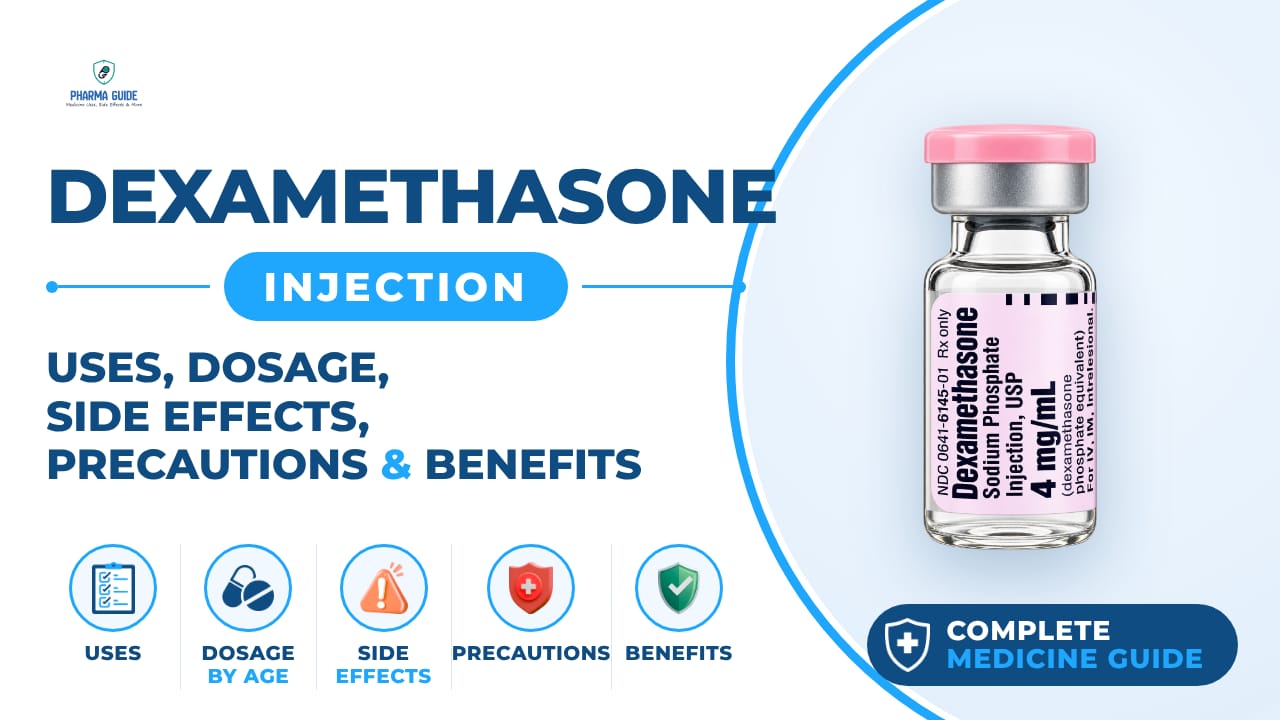
Dexamethasone Injection: Uses, Dosage, Side Effects, Precautions and Alternates
Corticosteroid (glucocorticoid)
Dexamethasone Injection is a corticosteroid shot used for inflammation, allergic reactions, breathing problems, and more. Learn uses, dosage, and side effects.