
Safety
General information, not medical advice
Your prescriber and the leaflet in your pack know your situation. This page does not.
- Follow your prescriber and the leaflet
- Don't start, stop, or change a dose on your own
- Doses and warnings differ by country and product
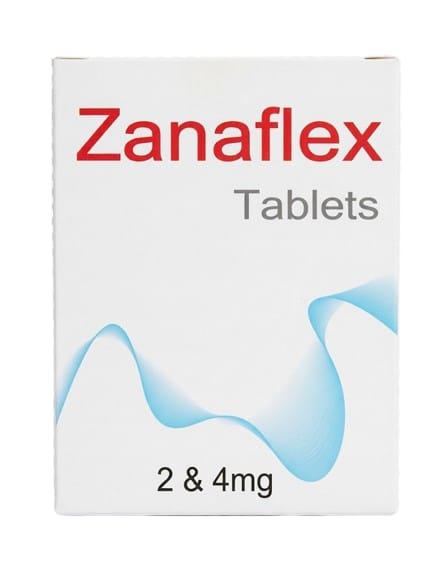
Zanaflex Tablet: Uses, Dosage, Side Effects, Precautions and Alternates
| Generic name | tizanidine |
|---|---|
| Drug class | Skeletal muscle relaxant (central alpha-2-adrenergic agonist) |
| Forms | Capsules (2 mg, 4 mg, 6 mg), Tablets (4 mg) |
Quick overview
Zanaflex Tablet (tizanidine) is a short-acting skeletal muscle relaxant that works as a central alpha-2-adrenergic agonist. It is used in adults to treat muscle spasticity, stiffness, and spasms associated with neurological conditions such as multiple sclerosis and spinal cord injury. It works by calming nerve signals in the spinal cord to help relax tight, stiff muscles. It is taken as directed by a doctor, with regular liver monitoring recommended during use.
What is Zanaflex Tablet
Zanaflex is a short-acting muscle relaxer used to treat muscle spasticity (tight, stiff muscles) in adults.
Zanaflex Tablet uses
- Muscle spasticity
- Muscle stiffness
- Muscle spasms associated with neurological conditions
- Spasticity associated with multiple sclerosis
- Spasticity associated with spinal cord injury
Benefits of Zanaflex Tablet
- Reduces muscle spasticity
- Helps decrease muscle spasms
- May improve movement and mobility
- Can reduce muscle tightness
- Helps relieve discomfort related to spasticity
How Zanaflex Tablet works
Zanaflex works by calming nerve signals in the spinal cord. This reduces the activity that causes muscles to tighten, which helps relax stiff, spastic muscles.
Zanaflex Tablet dosage
Take Zanaflex exactly as prescribed by your doctor and do not use more or less than directed. You can take it with or without food, but you must take it the same way every time — do not switch between taking it with food and without food. Do not switch between tablets and capsules, since they are absorbed differently by the body.
Doses are usually spaced several hours apart, up to three times in a day, because the effect is short-acting. Since the medicine works for only a short time, take it only for the daily activities or times when you most need relief from muscle spasticity.
Do not stop taking this medicine suddenly after using it for a long time — ask your doctor how to reduce the dose gradually. You will need regular blood tests to check how well your liver is working while on this medicine.
| Age group | Dose |
|---|---|
| Under 18 years | Not recommended |
| 18–64 years | 2 mg, up to 3 times/day |
| 65+ years | 2 mg, up to 3 times/day |
Available forms and strengths
- Capsules (2 mg, 4 mg, 6 mg)
- Tablets (4 mg)
Side effects of Zanaflex Tablet
Common
- Dry mouth
- Drowsiness or sleepiness
- Weakness, fatigue, or tiredness
- Dizziness
- Urinary tract infection
- Constipation
- Vomiting
- Flu-like symptoms
- Abnormal liver function tests
- Runny nose, sore throat
- Painful or frequent urination
- Blurred vision
- Feeling nervous
- Uncontrolled muscle movements
Serious
- Signs of a severe allergic reaction, such as hives, trouble breathing, or swelling of the face, lips, tongue, or throat
- Low blood pressure, causing a light-headed or faint feeling
- Confusion or hallucinations
- Yellowing of the eyes or skin (sign of liver problems)
- Very slow heart rate (bradycardia)
- Weak or shallow breathing
- Pain or burning when urinating
Warnings and precautions
- This medicine can lower blood pressure, which may cause fainting, especially when standing up quickly from sitting or lying down.
- Zanaflex can cause liver injury, so liver function tests are recommended before starting and after reaching the highest dose.
- This medicine can cause sedation that may interfere with daily activities, and this effect can be made worse by alcohol or other drugs that cause drowsiness.
- Some people have experienced hallucinations or psychosis-like symptoms while taking this medicine.
- This medicine can cause severe allergic reactions, including swelling of the throat and difficulty breathing.
- Stopping this medicine suddenly, especially after long-term or high-dose use, can cause withdrawal symptoms like rebound high blood pressure and fast heart rate.
- Do not take this medicine with fluvoxamine or ciprofloxacin, as this combination can cause dangerously low blood pressure and excess drowsiness.
- Switching between taking this medicine with or without food, or switching between tablets and capsules, can change how well it works or increase side effects.
- It is not known whether Zanaflex is safe to use during pregnancy. Tell your doctor if you are pregnant or planning to become pregnant.
- It isn't known if this medicine passes into breast milk or how it might affect a nursing baby. Talk to your doctor about the risks and benefits before breastfeeding while taking this medicine.
- People with kidney problems may need a lower dose because the body clears this medicine more slowly, increasing the risk of side effects.
- This medicine should be used carefully in people with liver problems, and a lower dose may be needed. This drug can also cause liver injury, so liver function should be monitored.
- Avoid drinking alcohol while taking this medicine, since it can increase side effects like drowsiness and dizziness.
- This medicine can make you drowsy or dizzy. Avoid driving or operating machinery until you know how it affects you.
Storage
- Store at room temperature, between 68°F to 77°F (20°C to 25°C)
- Brief exposure to temperatures between 59°F to 86°F (15°C to 30°C) is permitted, such as during transport
- Store in a cool, dry place, away from moisture and heat
- Keep in a container with a child-resistant cap
- Keep out of the reach of children
When to see a doctor
- Get emergency medical help if you have signs of a serious allergic reaction, like hives, trouble breathing, or swelling of your face, lips, tongue, or throat.
- Call your doctor right away if you feel like you might pass out, have weak or shallow breathing, become confused, have hallucinations, or notice yellowing of your eyes or skin.
- Seek medical help right away if you experience pain or burning when you urinate.
- If you develop hallucinations, your doctor may consider stopping this medicine.
Alternatives
- Baclofen
- Cyclobenzaprine
- Methocarbamol
Watch the video
FAQs
What is Zanaflex Tablet used for?
Zanaflex is a short-acting muscle relaxer used in adults to treat muscle spasticity, stiffness, and spasms associated with neurological conditions such as multiple sclerosis and spinal cord injury.
How does Zanaflex work?
Zanaflex works by calming nerve signals in the spinal cord, which reduces the activity that causes muscles to tighten, helping relax stiff, spastic muscles.
What is the dosage of Zanaflex Tablet?
For adults aged 18-64 and those 65 and older, the typical dose is 2 mg, up to 3 times a day, spaced several hours apart since the effect is short-acting. It is not recommended for those under 18 years.
Can I switch between Zanaflex tablets and capsules?
No, you should not switch between tablets and capsules since they are absorbed differently by the body, which can change how well the medicine works or increase side effects.
What are the serious side effects of Zanaflex?
Serious side effects include severe allergic reactions, low blood pressure causing light-headedness or fainting, confusion or hallucinations, yellowing of the eyes or skin, very slow heart rate, and weak or shallow breathing.
General information, not medical advice
Your prescriber and the leaflet in your pack know your situation. This page does not.
- Follow your prescriber and the leaflet
- Don't start, stop, or change a dose on your own
- Doses and warnings differ by country and product
Sources
Video
Related medicines

Injectafer Injection: Uses, Dosage, Side Effects, Precautions and Alternates
Iron products
Injectafer (ferric carboxymaltose) treats iron deficiency anemia and heart failure-related iron deficiency via IV. Learn uses, dosage, side effects, and

Gliclazide Tablet: Uses, Dosage, Side Effects, Precautions and Alternates
Sulfonylurea (hypoglycemic/antidiabetic agent)
Gliclazide Tablet is a sulfonylurea for type 2 diabetes that boosts insulin release. Learn about dosage, side effects, warnings, and precautions.