
Safety
General information, not medical advice
Your prescriber and the leaflet in your pack know your situation. This page does not.
- Follow your prescriber and the leaflet
- Don't start, stop, or change a dose on your own
- Doses and warnings differ by country and product
Zejula Capsule: Uses, Dosage, Side Effects, Precautions and Alternates
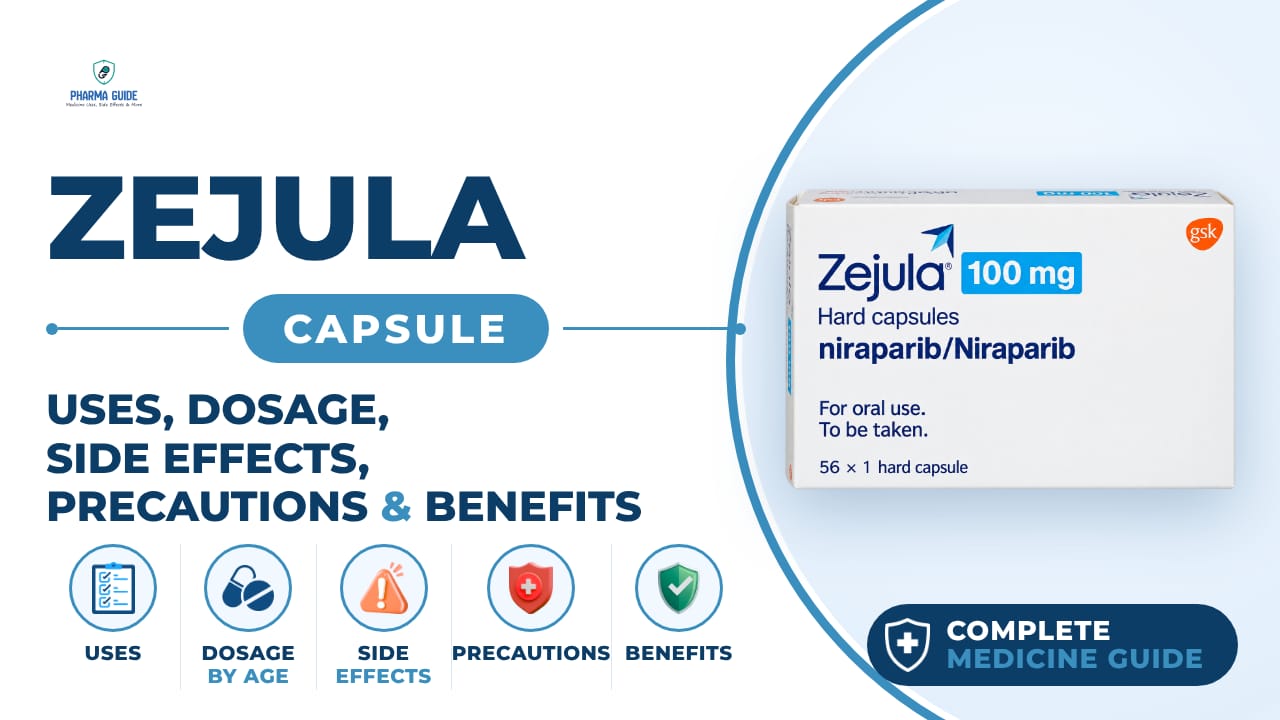
| Generic name | Niraparib |
|---|---|
| Drug class | PARP inhibitor |
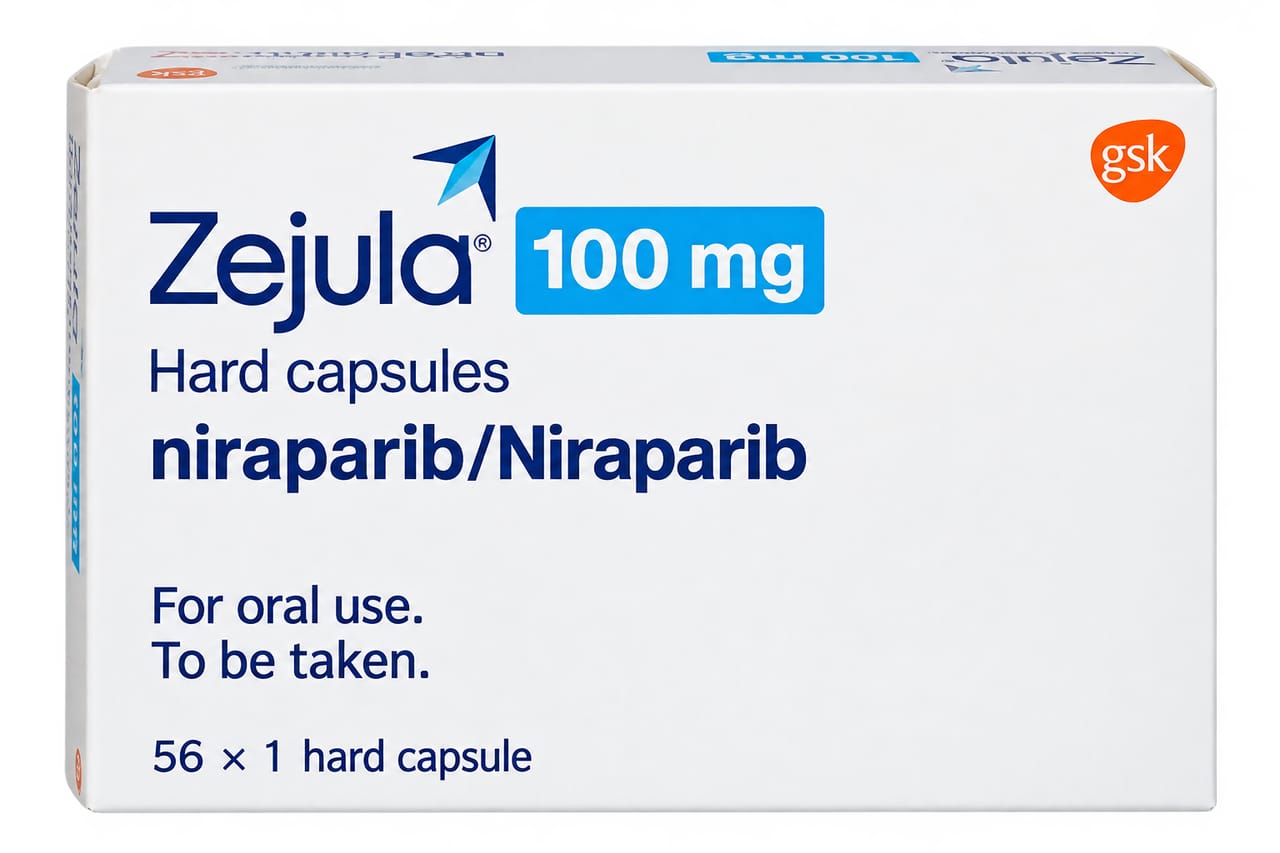
| Forms | Tablets (100 mg, 200 mg, 300 mg), Capsules (100 mg) |
Quick overview
Zejula Capsule (niraparib) is a prescription cancer medicine belonging to the PARP inhibitor drug class. It is taken by mouth as a tablet or capsule and used as a maintenance treatment to help keep certain ovarian-related cancers from coming back after they have responded to chemotherapy. It works by blocking an enzyme that cancer cells use to repair their DNA, which helps control the cancer.
What is Zejula Capsule
Zejula is a prescription cancer medicine that comes as a tablet (or in some cases a capsule) taken by mouth. It is used as a maintenance treatment to help keep certain ovarian-related cancers from coming back after they have responded to chemotherapy.
Zejula Capsule uses
- Maintenance treatment of advanced ovarian, fallopian tube, or primary peritoneal cancer that has completely or partially responded to first-line platinum-based chemotherapy, in cancers linked to homologous recombination deficiency (HRD)
- Maintenance treatment of ovarian, fallopian tube, or primary peritoneal cancer that has come back (recurred) and is linked to an inherited (germline) BRCA gene change, after the cancer has responded to platinum-based chemotherapy
Benefits of Zejula Capsule
- Helps control the cancer by stopping cancer cells from repairing their damaged DNA, which can delay the cancer from coming back
How Zejula Capsule works
Zejula blocks an enzyme called PARP that cancer cells use to repair damaged DNA. Without this repair, the DNA damage builds up and the cancer cells die, which helps control the cancer.
Zejula Capsule dosage
Take it at about the same time every day. It can be taken with or without food. Swallow the tablet or capsule whole with a glass of water; do not open, chew, crush, or split it. Taking it at bedtime may help reduce nausea. Continue taking it for as long as your doctor tells you, usually until the disease gets worse or side effects become unacceptable.
If you miss a dose, take your next dose at its regular scheduled time; do not take an extra dose to make up for a missed one. Do not take an extra dose if you vomit after taking your dose. Do not stop taking it or change the dose without talking to your doctor first.
| Age group | Dose |
|---|---|
| Under 18 years | Not recommended |
| 18–64 years | 200–300 mg, once/day |
| 65+ years | 200–300 mg, once/day |
Available forms and strengths
- Tablets (100 mg, 200 mg, 300 mg)
- Capsules (100 mg)
Side effects of Zejula Capsule
Common
- Tiredness
- Weakness
- Nausea
- Stomach pain
- Vomiting
- Constipation
- Diarrhoea
- Indigestion
- Decreased appetite
- Trouble sleeping (insomnia)
- Headache
- Dizziness
- Runny or stuffy nose
- Shortness of breath
- Cough
- High blood pressure
- Urinary tract infection
- Heart palpitations
- Back pain
- Joint or muscle pain
- Rash
- Low magnesium levels
Serious
- Low blood cell counts (low platelets, low red blood cells, low white blood cells) causing unusual bruising or bleeding, fever or infection, extreme tiredness, pale skin, or fast heartbeat
- Myelodysplastic syndrome (MDS) or acute myeloid leukaemia (AML), rare bone marrow or blood cancers, which can be fatal
- High blood pressure, which can become severe
- Posterior Reversible Encephalopathy Syndrome (PRES) causing headache, vision changes, confusion, or seizures
- Kidney problems, including kidney failure, with symptoms like weakness, confusion, nausea, vomiting, loss of appetite, or changes in urination
- Life-threatening allergic reaction (anaphylaxis), including difficulty breathing, swelling of face, lips, or tongue, or low blood pressure
Warnings and precautions
- This medicine can cause serious bone marrow problems, including myelodysplastic syndrome (MDS) and acute myeloid leukaemia (AML), which can be fatal. Watch for weakness, tiredness, weight loss, frequent infections, fever, shortness of breath, blood in urine or stool, or easy bruising or bleeding.
- High blood pressure is common with this medicine and can become serious. Your blood pressure and heart rate will be checked regularly, especially at the start of treatment.
- A rare brain condition called Posterior Reversible Encephalopathy Syndrome (PRES) has happened with this medicine, which can cause headache, vision changes, confusion, or seizures.
- This medicine lowers blood cell counts, which can increase the risk of anaemia, infection, and bleeding or bruising. Blood counts are checked regularly throughout treatment.
- If you have an allergy to aspirin, there is a small chance you might also be allergic to this medicine because of an ingredient in the capsule dye similar to aspirin.
- Do not take this medicine if you are pregnant or planning to become pregnant, as it can harm an unborn baby and may cause miscarriage. Women who could become pregnant must use effective contraception during treatment and for 6 months after the last dose.
- Do not breastfeed while taking this medicine. You must stop breastfeeding before starting treatment and should not begin again until 1 month after your last dose.
- This medicine can cause kidney problems, including kidney failure, with symptoms like weakness, confusion, less frequent urination, and nausea.
- Tell your doctor if you have liver problems. People with moderate liver impairment need a lower dose.
- Tell your doctor about your alcohol use before starting this medicine.
- This medicine may cause dizziness, tiredness, difficulty concentrating, or weakness. If you have any of these symptoms, do not drive or operate machinery.
Storage
- Keep tablets in the original pack or container until it is time to take them
- Store in a cool, dry place where the temperature stays below 30°C (or between 68°F to 77°F / 20°C to 25°C as per US labeling)
- Do not store in the bathroom, near a sink, in the car, or on windowsills
- Keep where children cannot reach it; a locked cupboard at least one-and-a-half metres above the ground is recommended
- Take unused or expired medicine to a pharmacy for safe disposal
- Do not use after the expiry date
When to see a doctor
- Get emergency help right away if you have signs of a severe allergic reaction, such as hives, difficulty breathing, or swelling of the face, lips, tongue, or throat.
- Stop taking this medicine and call your doctor right away if you notice signs of a bone marrow problem, such as fever, frequent infections, weakness, tiredness, shortness of breath, weight loss, blood in urine or stool, or easy bruising or bleeding.
- Contact your doctor straight away if you have headache, vision changes, confusion, or seizures, which could be signs of a rare brain condition (PRES).
- Call your doctor immediately if you become pregnant while taking this medicine.
- If you think you have taken too much of this medicine, you need urgent medical attention—contact your doctor or go to the nearest hospital emergency department right away, even if you feel fine.
Alternatives
- Lynparza
- Rubraca
Watch the video
FAQs
What is Zejula Capsule used for?
Zejula is used as a maintenance treatment to help keep certain ovarian, fallopian tube, or primary peritoneal cancers from coming back after they have responded to platinum-based chemotherapy, including cancers linked to HRD or inherited BRCA gene changes.
How does Zejula Capsule work?
Zejula blocks an enzyme called PARP that cancer cells use to repair damaged DNA. Without this repair, DNA damage builds up and the cancer cells die, helping control the cancer.
How should I take Zejula Capsule?
Take it at about the same time every day, with or without food. Swallow the tablet or capsule whole with water; do not open, chew, crush, or split it. Taking it at bedtime may help reduce nausea.
What are the serious side effects of Zejula Capsule?
Serious side effects include low blood cell counts, myelodysplastic syndrome or acute myeloid leukaemia, high blood pressure, Posterior Reversible Encephalopathy Syndrome (PRES), kidney problems, and life-threatening allergic reactions.
Can I take Zejula Capsule if I am pregnant?
No, Zejula should not be taken during pregnancy as it can harm an unborn baby and may cause miscarriage. Women who could become pregnant must use effective contraception during treatment and for 6 months after the last dose.
General information, not medical advice
Your prescriber and the leaflet in your pack know your situation. This page does not.
- Follow your prescriber and the leaflet
- Don't start, stop, or change a dose on your own
- Doses and warnings differ by country and product
Sources
Video
Related medicines
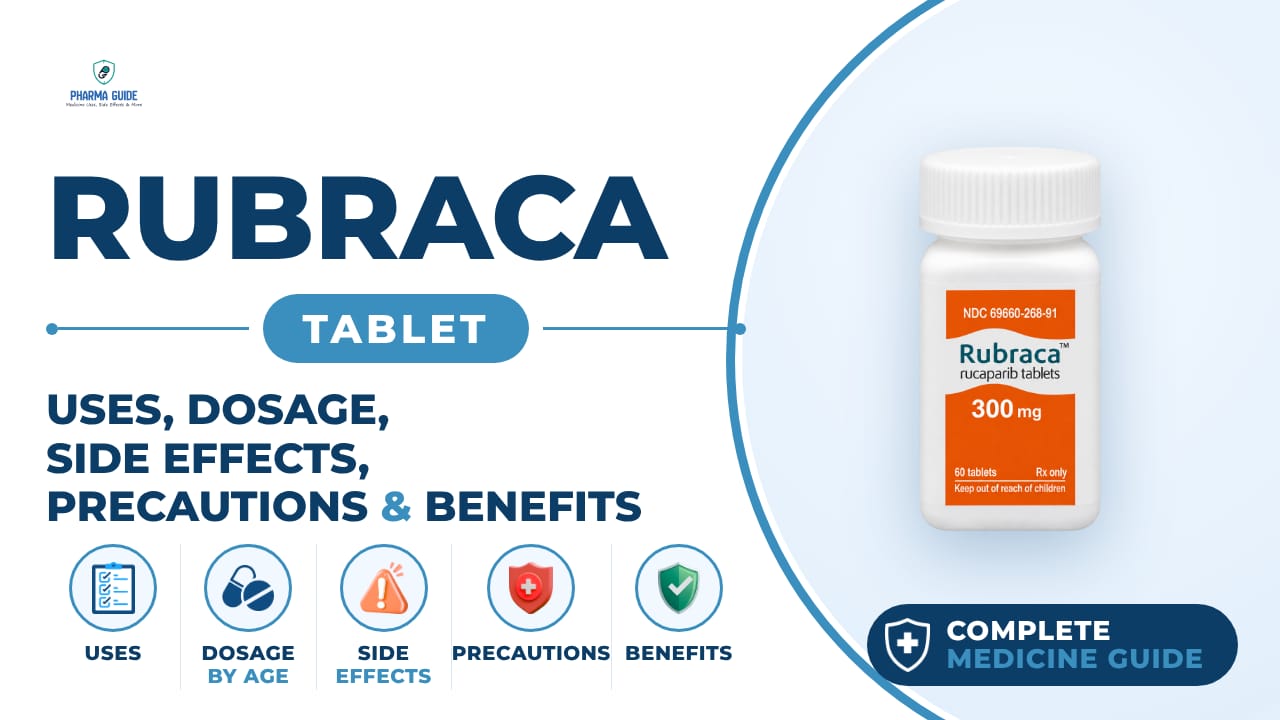
Rubraca Tablet: Uses, Dosage, Side Effects, Precautions and Alternates
PARP inhibitor
Rubraca Tablet (rucaparib) is a PARP inhibitor used for certain ovarian, fallopian tube, peritoneal, and prostate cancers. Learn uses, dosage, and side effects.
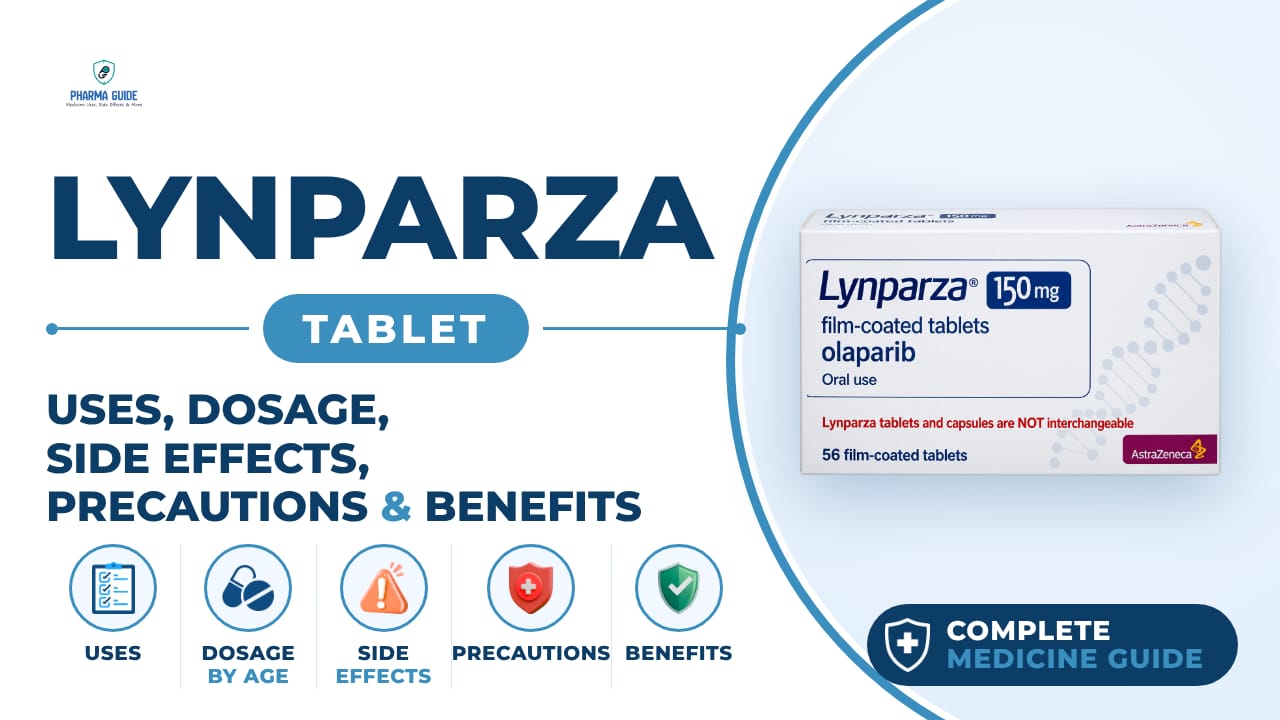
Lynparza Tablet: Uses, Dosage, Side Effects, Precautions and Alternates
PARP inhibitor
Lynparza Tablet (olaparib) treats BRCA-mutated or HRD-positive ovarian, breast, pancreatic, or prostate cancers. Learn uses, dosage, side effects, and warnings.