
Safety
General information, not medical advice
Your prescriber and the leaflet in your pack know your situation. This page does not.
- Follow your prescriber and the leaflet
- Don't start, stop, or change a dose on your own
- Doses and warnings differ by country and product
Zepatier Tablet: Uses, Dosage, Side Effects, Precautions and Alternates
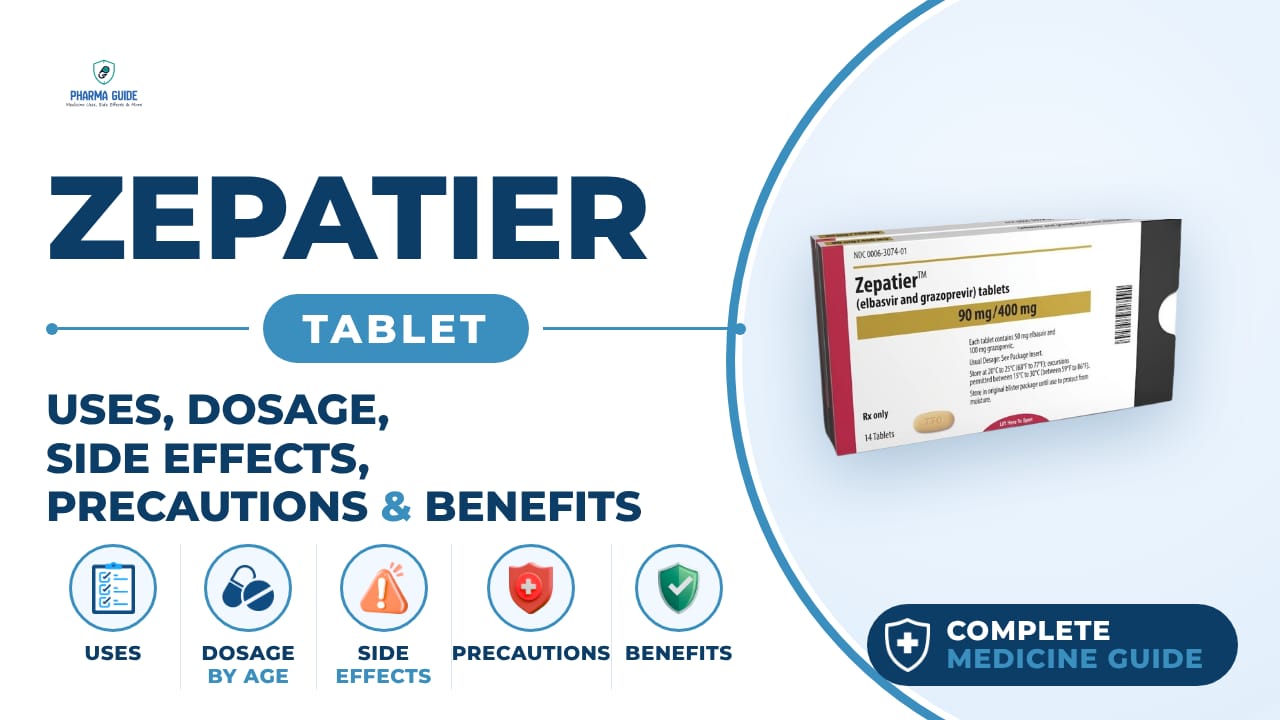
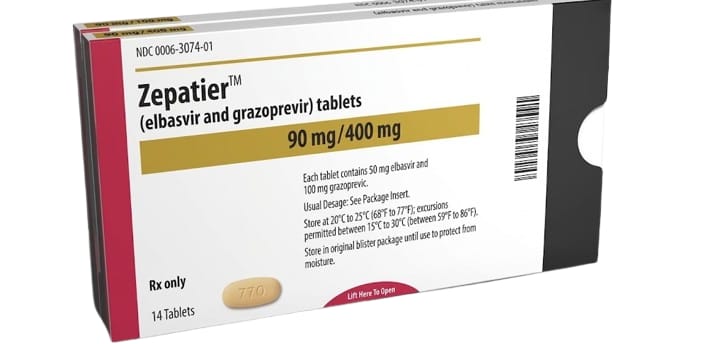
| Generic name | elbasvir/grazoprevir |
|---|---|
| Drug class | Antiviral (Hepatitis C Virus NS3/4A Protease Inhibitor, NS5A Inhibitor); direct-acting antiviral |
| Forms | Tablet |
Quick overview
Zepatier Tablet is a brand-name prescription antiviral medicine containing elbasvir and grazoprevir, used to treat chronic hepatitis C virus (HCV) infection caused by genotypes 1 and 4. It is approved for adults, and per some guidance, for children 12 years and older or weighing at least 66 pounds. It may be used alone or together with another HCV medicine called ribavirin, and treatment can lead to a cure in many people.
What is Zepatier Tablet
Zepatier is a brand-name prescription medicine used to treat long-lasting (chronic) infection caused by certain types of hepatitis C virus (HCV), specifically genotypes 1 and 4. It combines two active drugs, elbasvir and grazoprevir, in one tablet and is approved for adults and, per one source, for children 12 years and older or weighing at least 66 pounds.
Zepatier Tablet uses
- Treats chronic hepatitis C virus (HCV) infection caused by genotypes 1 and 4
- May be used alone or together with another HCV medicine called ribavirin
- Used in adults, and in some guidance children 12 years and older or weighing at least 66 lb (30 kg)
Benefits of Zepatier Tablet
- Can lead to a cure, meaning the virus is no longer found in the blood 12 weeks after finishing treatment (sustained virologic response)
- High cure rates seen in clinical studies for genotype 1 and genotype 4 HCV
- Works effectively in people who also have HIV, according to clinical trial data
How Zepatier Tablet works
Zepatier contains two medicines that work together to stop the hepatitis C virus from copying itself, which keeps it from multiplying and spreading in the body. This lowers the amount of virus so the body can clear the infection.
Zepatier Tablet dosage
Zepatier is taken as a tablet that you swallow whole, usually once per day at about the same time each day. It can be taken with or without food. Treatment usually lasts 12 to 16 weeks, depending on the type of HCV and other factors, and it may be prescribed together with another drug called ribavirin in some cases.
Keep the tablet in its blister package until right before you take it, since it is sensitive to moisture. Zepatier is not approved for use in children under 12 years of age (or under 18 in some sources) and has not been studied in younger children.
If you miss a dose, take it as soon as you remember, but skip it if it's almost time for the next dose; never take two doses at once to make up for a missed one.
| Age group | Dose |
|---|---|
| Under 18 years | Not recommended |
| 18–64 years | 100 mg, once/day |
| 65+ years | 100 mg, once/day |
Available forms and strengths
- Tablet, 100 mg
Side effects of Zepatier Tablet
Common
- Diarrhea
- Nausea
- Insomnia (trouble sleeping)
- Fatigue (tiredness)
- Headache
- Low red blood cell count (anemia), especially when taken with ribavirin
- Depression, irritable mood, itching, joint pain, rash, abdominal pain, shortness of breath (mainly when used with ribavirin)
Serious
- Allergic reaction, including severe reactions with swelling of the face, lips, tongue, or throat, or trouble breathing
- Hepatitis B virus reactivation in people who have ever had hepatitis B, which can cause serious liver problems or death
- Increased liver enzyme levels, which can be a sign of liver damage
Warnings and precautions
- Zepatier carries a boxed warning, the FDA's most serious type of warning, because it can cause an old hepatitis B infection to become active again, even after stopping Zepatier. This can lead to severe liver problems, liver failure, or in rare cases death.
- Do not take Zepatier with certain other medicines, including some used for HIV, fungal infections, seizures, tuberculosis, and the herbal supplement St. John's wort, because these can make Zepatier less effective or raise the risk of side effects.
- Zepatier should not be used by people with moderate or severe liver disease, including certain stages of cirrhosis.
- Taking Zepatier does not stop you from spreading hepatitis C to others, and it does not treat or prevent HIV infection.
- It is not known whether Zepatier is safe during pregnancy; it has not been studied in pregnant people. Animal studies showed no harm to the fetus, but this does not guarantee safety in humans. If Zepatier is used with ribavirin, pregnancy must be avoided during treatment and for 6 months after, due to ribavirin's risks.
- It is not known whether Zepatier passes into breast milk, since this has not been studied in breastfeeding people. Talk with your doctor about the risks and benefits before breastfeeding while taking this medicine.
- Zepatier can be used without changing the dose in mild, moderate, or severe kidney disease, including in people on dialysis.
- Zepatier should not be used if you have moderate or severe liver disease, or certain other liver problems besides hepatitis C, since the body may not break down the drug properly, raising the risk of side effects such as higher liver enzyme levels. Liver function will be checked with blood tests before and during treatment.
- There are no known direct interactions between Zepatier and alcohol, but drinking alcohol while you have hepatitis C can cause liver problems, including liver scarring, so it's wise to be cautious and discuss alcohol use with your doctor.
Storage
- Store at room temperature, 68°F to 77°F (20°C to 25°C)
- For short periods, such as when traveling, can be kept at 59°F to 86°F (15°C to 30°C)
- Keep tablets in their original blister package until ready to take, and away from light
- Avoid storing in damp or wet places such as bathrooms
- Throw away medicine that is no longer needed or expired; follow guidelines for safe disposal of unused medicine
- Keep out of reach of children
When to see a doctor
- Get emergency help right away if you notice signs of a severe allergic reaction, such as swelling of the face, lips, tongue or throat, trouble breathing, or hives.
- Call your doctor right away if you notice signs of liver problems or hepatitis B reactivation, such as yellowing of your skin or eyes, dark urine, pale or clay-colored stools, loss of appetite, nausea and vomiting, unusual tiredness, fever, or pain in the belly.
- If you think you've taken too much Zepatier, contact your doctor or a poison control center right away; if symptoms feel severe or life-threatening, seek emergency care immediately.
Alternatives
- Vosevi
- Epclusa
- Harvoni
Watch the video
FAQs
What is Zepatier Tablet used for?
Zepatier is used to treat chronic hepatitis C virus (HCV) infection caused by genotypes 1 and 4, in adults and in some guidance for children 12 years and older or weighing at least 66 pounds. It may be used alone or with ribavirin.
How is Zepatier Tablet taken?
Zepatier is taken as a tablet swallowed whole, usually once per day with or without food. Treatment typically lasts 12 to 16 weeks depending on the HCV type and other factors.
What are the common side effects of Zepatier Tablet?
Common side effects include diarrhea, nausea, insomnia, fatigue, headache, and low red blood cell count (anemia), especially when taken with ribavirin.
Who should not take Zepatier Tablet?
Zepatier should not be used by people with moderate or severe liver disease, including certain stages of cirrhosis, and should not be combined with certain medicines like some HIV, fungal infection, seizure, and tuberculosis drugs, or St. John's wort.
Does Zepatier Tablet have a boxed warning?
Yes, Zepatier carries a boxed warning because it can cause an old hepatitis B infection to reactivate, even after stopping the medicine, which can lead to severe liver problems or death.
General information, not medical advice
Your prescriber and the leaflet in your pack know your situation. This page does not.
- Follow your prescriber and the leaflet
- Don't start, stop, or change a dose on your own
- Doses and warnings differ by country and product
Sources
Video
Related medicines

Injectafer Injection: Uses, Dosage, Side Effects, Precautions and Alternates
Iron products
Injectafer (ferric carboxymaltose) treats iron deficiency anemia and heart failure-related iron deficiency via IV. Learn uses, dosage, side effects, and

Gliclazide Tablet: Uses, Dosage, Side Effects, Precautions and Alternates
Sulfonylurea (hypoglycemic/antidiabetic agent)
Gliclazide Tablet is a sulfonylurea for type 2 diabetes that boosts insulin release. Learn about dosage, side effects, warnings, and precautions.