
Safety
General information, not medical advice
Your prescriber and the leaflet in your pack know your situation. This page does not.
- Follow your prescriber and the leaflet
- Don't start, stop, or change a dose on your own
- Doses and warnings differ by country and product
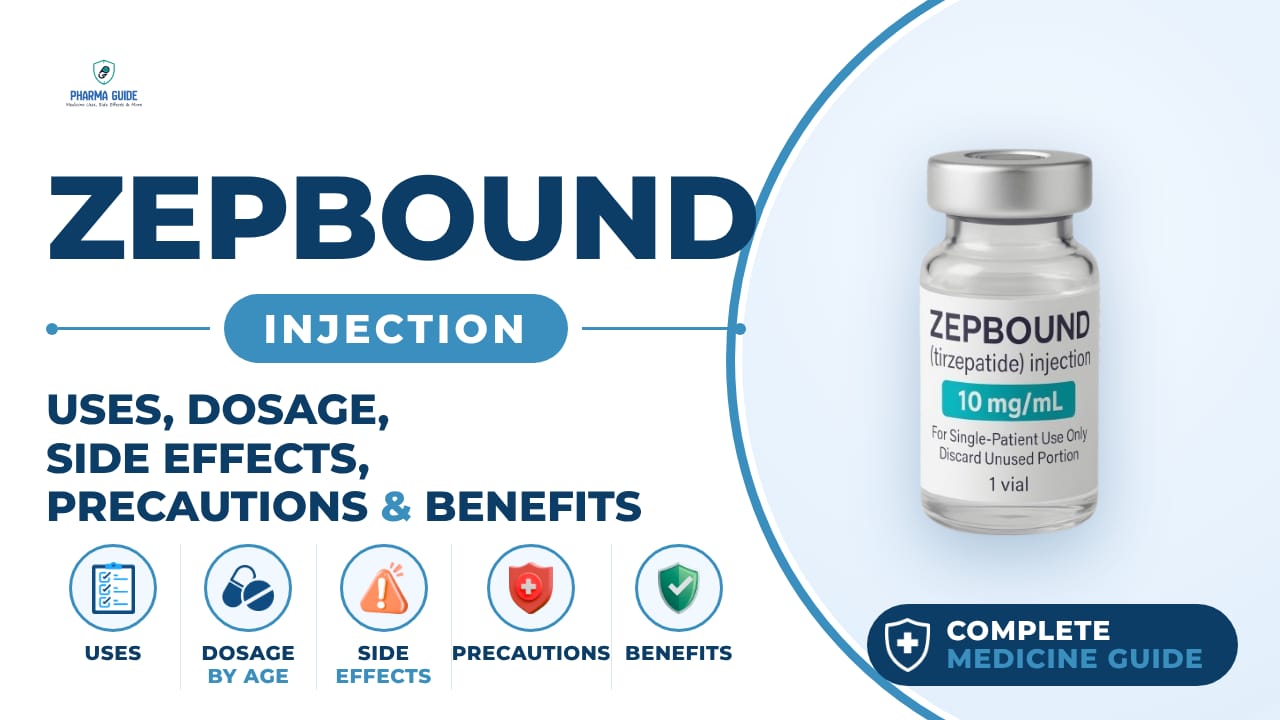
Zepbound Injection: Uses, Dosage, Side Effects, Precautions and Alternates
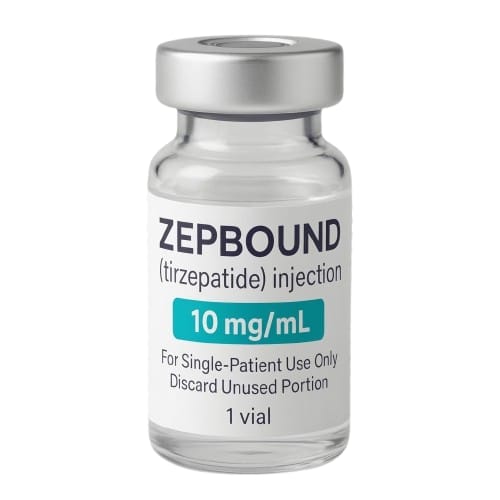
| Generic name | tirzepatide |
|---|---|
| Drug class | GIP and GLP-1 receptor agonist (GLP-1 Drugs) |
| Forms | Single-dose pen, Single-dose vial, Multi-dose vial |
Quick overview
Zepbound Injection (tirzepatide) is a prescription injection from the GIP and GLP-1 receptor agonist class, used for weight loss and weight management in adults with obesity or who are overweight with related health conditions. It is also used to treat moderate to severe obstructive sleep apnea in adults with obesity. There is no generic version available.
What is Zepbound Injection
Zepbound is a prescription injection medicine used for weight loss and weight management in adults with obesity, or who are overweight and have weight-related health problems. It's also used to treat moderate to severe obstructive sleep apnea in adults with obesity. There is no generic version available.
Zepbound Injection uses
- Long-term weight management in adults with obesity
- Weight management in adults who are overweight and have a weight-related health condition such as high blood pressure, type 2 diabetes, or high cholesterol
- Treatment of moderate to severe obstructive sleep apnea (OSA) in adults with obesity
Benefits of Zepbound Injection
- Helps reduce body weight when combined with a reduced-calorie diet and exercise
- Helps maintain weight loss over the long term
- Can reduce waist circumference
- Can improve obstructive sleep apnea symptoms in adults with obesity
How Zepbound Injection works
Zepbound works on two gut hormone receptors (GIP and GLP-1) to reduce your appetite and slow down digestion, so you feel full sooner and for longer. This helps you eat less and lose weight, which can also improve sleep apnea.
Zepbound Injection dosage
Zepbound is given as an injection under the skin once a week, with or without meals, at any time of day. You can inject into the stomach (abdomen) or thigh yourself, or have another person inject into the back of your upper arm. Do not inject into a muscle or vein.
Change (rotate) your injection site with each weekly injection; do not use the same spot each time. You may change which day of the week you use this medicine as long as there are at least three days between doses. Use a new syringe and needle for each injection when using vials.
People who are blind or have vision problems should not use the pen without help from someone trained to use it. Never share an injection pen with another person, even if the needle has been changed. Follow your prescription label directions carefully and ask your pharmacist or doctor to explain anything you don't understand.
| Age group | Dose |
|---|---|
| Under 18 years | Not recommended |
| 18–60 years | 2.5 mg, once/week |
| 60+ years | 2.5 mg, once/week |
Available forms and strengths
- Single-dose pen
- Single-dose vial
- Multi-dose vial
Side effects of Zepbound Injection
Common
- Nausea
- Diarrhea
- Constipation
- Indigestion or upset stomach
- Abdominal pain
- Vomiting
- Injection site reactions (bruising, itching, pain, redness)
- Tiredness or fatigue
- Allergic/hypersensitivity reactions (often mild skin reactions)
- Hair loss
- Burping
- Heartburn or acid reflux
Serious
- Serious allergic reactions, including anaphylaxis and swelling of the face, lips, tongue, or throat
- Severe stomach problems, including intestinal obstruction and severe constipation
- Dehydration leading to kidney problems
- Gallbladder problems, such as gallstones or inflammation
- Pancreatitis (inflammation of the pancreas)
- Low blood sugar (hypoglycemia), especially with insulin or sulfonylureas
- Vision changes, including worsening of diabetic retinopathy
- Thyroid tumor symptoms, including a lump or swelling in the neck
- Changes in mood, behavior, or new/worsening mental health symptoms
- Risk of food or liquid entering the lungs during surgery with anesthesia or deep sedation
Warnings and precautions
Zepbound has a boxed warning, the strongest safety warning from the FDA, because it caused thyroid tumors in rat studies. It isn't known if it causes thyroid tumors in people. Do not use this medicine if you or a family member has had a type of thyroid cancer called medullary thyroid carcinoma, or if you have a condition called Multiple Endocrine Neoplasia syndrome type 2.
- Do not use this medicine together with other tirzepatide products or any other GLP-1 receptor agonist medicine.
- Never share your injection pen with another person, even if you change the needle, because it could spread serious infections.
- This medicine can make birth control pills less effective. You may need to use another form of birth control for 4 weeks after starting treatment and for 4 weeks after each dose increase.
- This medicine slows stomach emptying, which may affect how other oral medicines are absorbed, including medicines with a narrow safety margin like warfarin.
- This medicine is not recommended if you have severe gastroparesis (a condition where your stomach empties very slowly).
- Before any planned surgery or procedure involving anesthesia or deep sedation, tell your healthcare providers that you are using this medicine, since it may increase the risk of food or liquid getting into your lungs.
- Zepbound may harm an unborn baby, and weight loss is not recommended during pregnancy. Tell your doctor if you are pregnant or planning to become pregnant, and stop using Zepbound if you become pregnant.
- Zepbound may pass into breast milk. Talk to your doctor about the best way to feed your baby if you are breastfeeding or plan to while using this medicine.
- Tell your doctor if you have kidney disease, since dehydration from side effects like diarrhea and vomiting can lead to kidney problems.
- No dosage adjustment is needed for people with liver problems, since studies showed no change in how the medicine is processed.
- It isn't known whether alcohol affects this medicine, so there is no specific warning against it, but talk to your doctor about your alcohol use.
Storage
- Store the single-dose pen and single-dose vial in the refrigerator between 36°F to 46°F (2°C to 8°C)
- Do not freeze. Do not use if frozen
- Store single-dose pens in the original carton until use to protect them from light
- Each single-dose pen or vial can be stored at room temperature up to 86°F (30°C) for up to 21 days if needed; throw away after a total of 21 days at room temperature
- Store the multi-dose vial in the refrigerator between 36°F and 46°F (2°C and 8°C) or at room temperature up to 86°F (30°C)
- Throw away the multi-dose vial after a total of 30 days at room temperature, 30 days after first use, or after taking 4 weekly doses, even if medicine is left in it
- Store unused KwikPens in the refrigerator between 36°F and 46°F (2°C and 8°C); unused pens may be used until the expiration date if kept refrigerated
- Do not freeze the KwikPen; throw it away if it has been frozen
- Used KwikPens may be stored at room temperature up to 86°F (30°C) after injection, away from heat and light
- Throw away the KwikPen 30 days after first use or after 4 weekly doses, even if medicine is left in it
- Keep the pen and needles out of the sight and reach of children
When to see a doctor
- Get medical help right away if you have signs of a serious allergic reaction, such as hives, trouble breathing, feeling lightheaded, or swelling of your face, lips, tongue, or throat.
- Call your doctor right away if you have severe stomach pain that doesn't go away, with or without vomiting, especially if the pain spreads to your back, as this could be a sign of a serious stomach or pancreas problem.
- Tell your healthcare provider right away if you notice pain in your upper stomach, fever, yellowing of your skin or eyes, or clay-colored stools, which could mean a gallbladder problem.
- Talk to your healthcare provider if you're urinating less than usual, your urine is dark yellow, or you have ongoing nausea, vomiting, or diarrhea, as this can signal dehydration and kidney problems.
- Call your doctor right away if you notice a lump or swelling in your neck, trouble swallowing, a hoarse voice, or shortness of breath, which could be signs of a thyroid problem.
- Call your healthcare provider right away if you notice any new, worse, or worrying changes in your mood, behavior, feelings, or thoughts.
- Watch for signs of low blood sugar like headache, hunger, weakness, sweating, confusion, dizziness, or a fast heartbeat, and contact your healthcare provider if these happen.
Alternatives
- Saxenda Injection
- Mounjaro Injection
- Wegovy Injection
Watch the video
FAQs
What is Zepbound Injection used for?
Zepbound is used for long-term weight management in adults with obesity or who are overweight with a weight-related health condition, and to treat moderate to severe obstructive sleep apnea in adults with obesity.
How does Zepbound Injection work?
Zepbound works on two gut hormone receptors (GIP and GLP-1) to reduce appetite and slow digestion, helping you feel full sooner and longer, which helps you eat less and lose weight.
How is Zepbound Injection given?
Zepbound is given as an injection under the skin once a week, with or without meals, into the stomach or thigh yourself, or into the back of the upper arm by another person. The injection site should be rotated each week.
What are the common side effects of Zepbound Injection?
Common side effects include nausea, diarrhea, constipation, indigestion, abdominal pain, vomiting, injection site reactions, tiredness, hair loss, burping, and heartburn.
Is there a generic version of Zepbound Injection?
No, there is no generic version of Zepbound Injection available.
General information, not medical advice
Your prescriber and the leaflet in your pack know your situation. This page does not.
- Follow your prescriber and the leaflet
- Don't start, stop, or change a dose on your own
- Doses and warnings differ by country and product
Sources
- Drugs.com - Zepbound
- Lilly Zepbound Prescribing Information (pi.lilly.com)
- Healthline - Zepbound (tirzepatide): Uses, side effects, and safety considerations
- Healthline - A Guide to Using Zepbound, Its Side Effects, and More
- WebMD - Zepbound (Tirzepatide): Uses, Side Effects, and Dosage
- Zepbound.com (Eli Lilly consumer site)
Video
Related medicines

Injectafer Injection: Uses, Dosage, Side Effects, Precautions and Alternates
Iron products
Injectafer (ferric carboxymaltose) treats iron deficiency anemia and heart failure-related iron deficiency via IV. Learn uses, dosage, side effects, and

Gliclazide Tablet: Uses, Dosage, Side Effects, Precautions and Alternates
Sulfonylurea (hypoglycemic/antidiabetic agent)
Gliclazide Tablet is a sulfonylurea for type 2 diabetes that boosts insulin release. Learn about dosage, side effects, warnings, and precautions.