
Safety
General information, not medical advice
Your prescriber and the leaflet in your pack know your situation. This page does not.
- Follow your prescriber and the leaflet
- Don't start, stop, or change a dose on your own
- Doses and warnings differ by country and product
Zerodol-P Tablet: Uses, Dosage, Side Effects, Precautions and Alternates
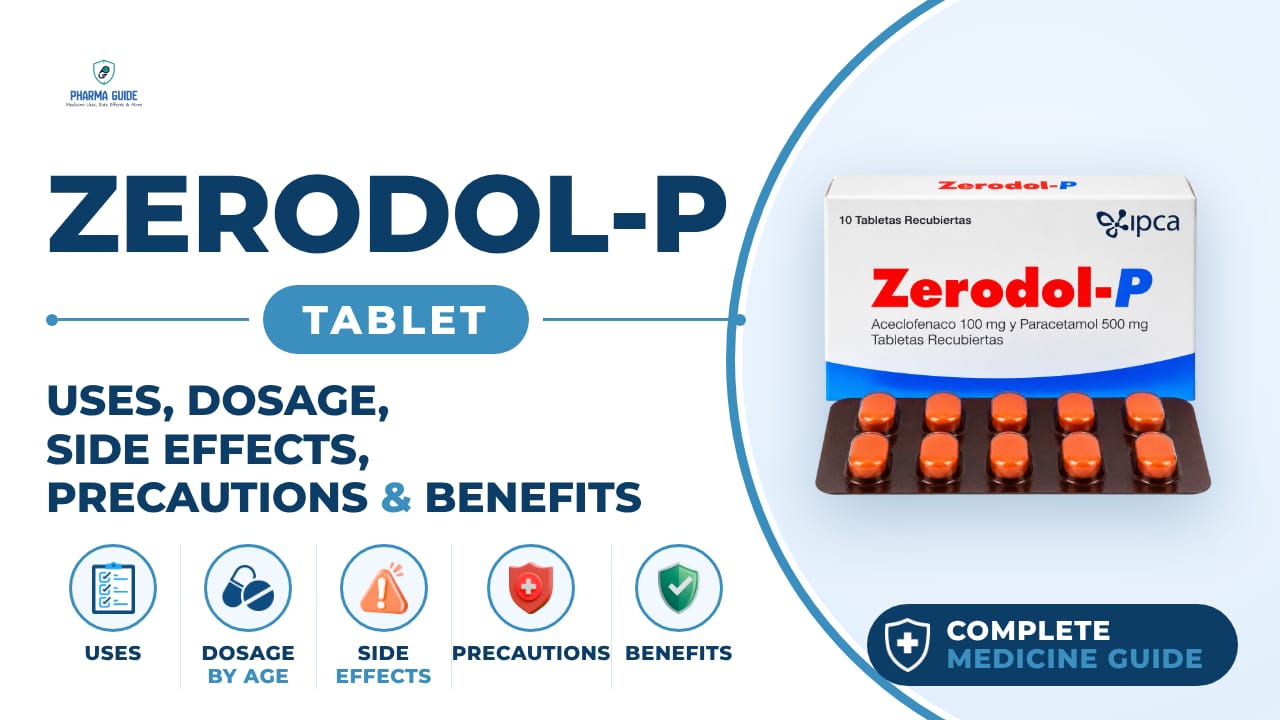
| Generic name | Aceclofenac (100 mg) + Paracetamol (325 mg) |
|---|---|
| Drug class | NSAID (Aceclofenac) + Analgesic/Antipyretic (Paracetamol) |
| Forms | Tablet, Oral suspension, Suspension, Syrup |
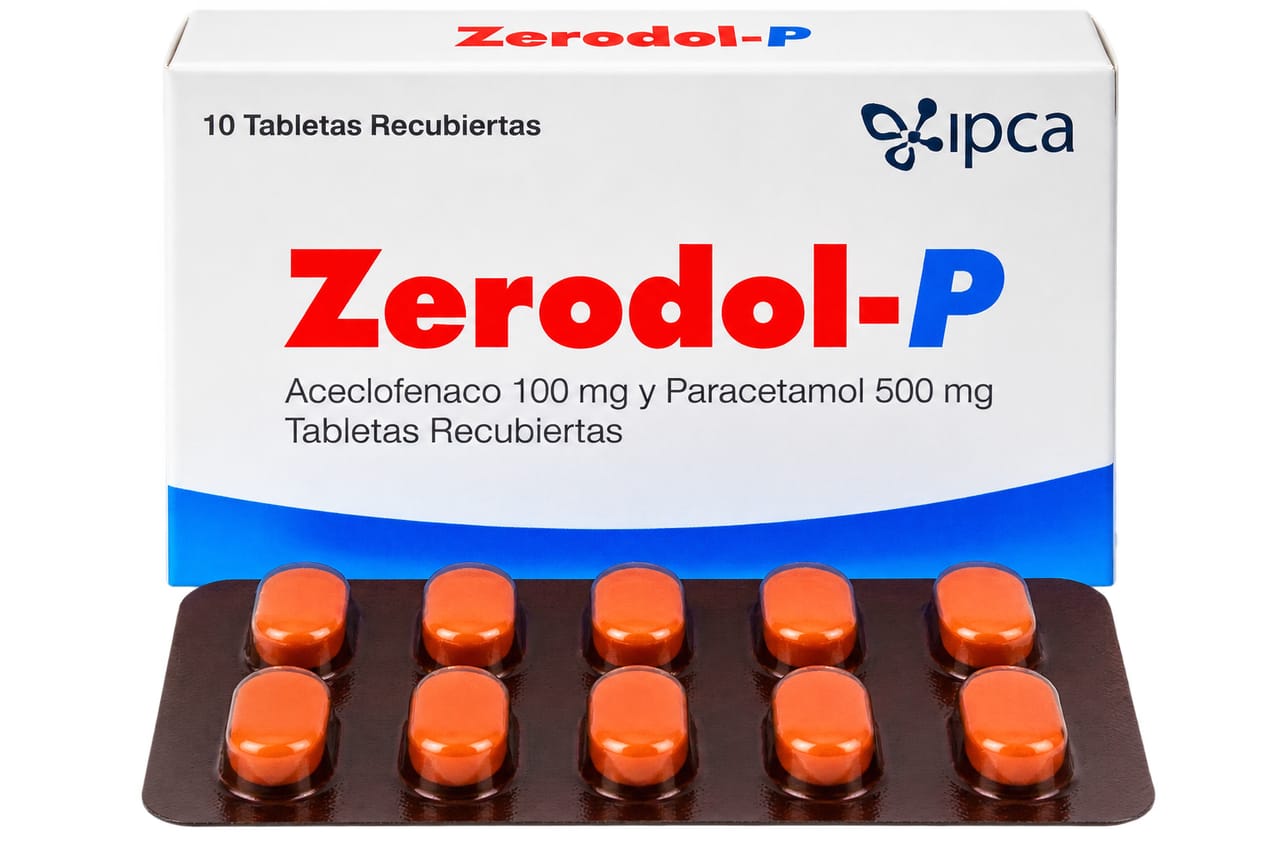
Quick overview
Zerodol-P Tablet is a combination medicine containing Aceclofenac (100 mg) and Paracetamol (325 mg), belonging to the NSAID and analgesic/antipyretic drug classes. It is used to treat pain, stiffness, and swelling caused by joint conditions like arthritis, as well as other types of pain such as headaches, toothaches, and back pain. It also helps reduce fever. The tablet should be used exactly as prescribed, with common and serious side effects, and several precautions to keep in mind.
What is Zerodol-P Tablet
Zerodol-P Tablet is a combination medicine containing Aceclofenac and Paracetamol. It is used to treat pain, stiffness, and swelling caused by joint conditions like arthritis, as well as other types of pain such as headaches, toothaches, and back pain.
Zerodol-P Tablet uses
- Rheumatoid arthritis
- Osteoarthritis
- Ankylosing spondylitis
- Muscle pain and sprains/strains
- Back pain and muscular strain
- Toothache and dental pain
- Ear pain and throat pain
- Headache
- Menstrual pain
- Postoperative/post-injury pain
- Fever (from the paracetamol component)
Benefits of Zerodol-P Tablet
- Reduces pain and swelling
- Improves joint movement and mobility in arthritis
- Provides relief in musculoskeletal and dental pain
- Helps reduce fever when present
- Fast-acting, working within a short time and lasting several hours
How Zerodol-P Tablet works
Zerodol-P Tablet works by blocking chemical messengers in the body called prostaglandins that cause pain and swelling. Aceclofenac reduces inflammation at the source, while Paracetamol acts on pain-regulating centers in the brain to relieve pain and reduce fever. Together they give more complete pain relief than either ingredient alone.
Zerodol-P Tablet dosage
Zerodol-P Tablet can be taken with or without food, based on what is comfortable for you, though taking it with or after food may help reduce stomach irritation. Swallow the tablet whole with water; do not crush or chew it. Take it at around the same time each day as prescribed. Follow your doctor's prescribed schedule and do not change the dose or stop early on your own. Do not take more than the amount your doctor recommends or use it for longer than advised.
If you miss a dose, take it as soon as you remember, but skip it if it is almost time for your next dose; do not double up.
| Age group | Dose |
|---|---|
| Under 12 Years | Use only if prescribed by a healthcare professional |
| 12 Years and Above | 1 tablet (Aceclofenac 100 mg + Paracetamol 325 mg) 1–2 times daily as directed |
| Adults (18–64 Years) | 1 tablet 1–2 times daily after food |
| Older Adults (65+ Years) | 1 tablet once daily or as advised; use with caution |
Available forms and strengths
- Tablet (Aceclofenac 100 mg + Paracetamol 325 mg)
- Oral suspension
- Suspension
- Syrup
Side effects of Zerodol-P Tablet
Common
- Nausea
- Vomiting
- Stomach discomfort/indigestion
- Heartburn
- Diarrhoea
- Dizziness
- Headache
- Skin rash
- Loss of appetite
- Increased liver enzymes
Serious
- Severe allergic reactions (rash, itching, swelling of face, lips, tongue, or throat, difficulty breathing or swallowing)
- Intense stomach pain or bleeding (vomiting blood, black or tarry stools)
- Heart-related symptoms (chest pain, irregular heartbeat, unexplained shortness of breath)
- Liver problems (yellowing of skin or eyes, dark urine, persistent fatigue)
- Kidney problems (reduced urination, swelling in legs or ankles, fluid retention)
Warnings and precautions
- Do not take this medicine if you are allergic to Aceclofenac, Paracetamol, or any other ingredient in it.
- This medicine is not recommended for people with lung conditions such as asthma or bronchospasm.
- This medicine is not recommended for people with severe heart problems, including heart failure, and should not be used for pain relief after heart surgery.
- Tell your doctor if you have a history of stomach ulcers, inflammatory bowel disease, or conditions that make you prone to bleeding or bruising.
- Taking too much of this medicine can cause serious harm, including stomach bleeding, kidney failure, drowsiness, seizures, and severe or even fatal liver damage that may show no symptoms for the first day.
- Avoid taking this medicine with other NSAIDs or other products containing paracetamol, as this can raise the risk of side effects.
- This medicine may cause serious skin reactions; stop taking it and tell your doctor right away if you notice rashes, hives, fever, or other allergic symptoms.
- Use this medicine cautiously if you have a bleeding or clotting disorder, as it may increase bleeding risk.
- This medicine should only be used during pregnancy after consulting a doctor, and it is generally avoided, especially in the last stage of pregnancy, unless specifically prescribed.
- This medicine is not recommended while breastfeeding as it may pass into breast milk and affect the infant. Talk to your doctor before using it.
- This medicine is not recommended for people with severe kidney problems and should be used carefully in those with mild kidney impairment. Check with your doctor first.
- This medicine should not be used by people with severely impaired liver function. Speak with your doctor before taking it.
- Avoid drinking alcohol while taking this medicine, as it can increase the risk of stomach bleeding and liver damage.
- Do not drive or operate machinery after taking this medicine if you feel dizzy or drowsy, since it can affect alertness and reaction time.
Storage
- Store below 25°C in a cool, dry place
- Protect from moisture and light
- Keep out of reach of children
When to see a doctor
- Get medical help right away for signs of a severe allergic reaction, such as rash, itching, swelling of the face, lips, tongue, or throat, or difficulty breathing or swallowing.
- Seek help immediately if you have severe stomach pain, vomit blood, or pass black or tarry stools.
- Contact a doctor for heart-related symptoms like chest pain, irregular heartbeat, or unexplained shortness of breath.
- Seek medical advice for signs of liver problems, such as yellowing of the skin or eyes, dark urine, or ongoing tiredness.
- Get medical help for signs of kidney problems, such as reduced urination, swelling in the legs or ankles, or unusual fluid buildup.
- Seek help for neurological symptoms like severe dizziness, fainting, confusion, or sudden headaches.
- Get medical attention for severe skin reactions such as blistering, peeling, or widespread rash.
- If you think you have taken too much of this medicine, go to the nearest emergency department right away and take the medicine pack with you.
Alternatives
- Diclofenac + Paracetamol
- Paracetamol Alone
- Naproxen + Paracetamol
Watch the video
FAQs
What is Zerodol-P Tablet used for?
It is used to treat pain, stiffness, and swelling from joint conditions like arthritis, as well as headaches, toothaches, back pain, menstrual pain, and fever.
How should Zerodol-P Tablet be taken?
Swallow the tablet whole with water, with or without food, though taking it with or after food may help reduce stomach irritation. Do not crush or chew it, and follow your doctor's prescribed schedule.
What are the common side effects of Zerodol-P Tablet?
Common side effects include nausea, vomiting, stomach discomfort, heartburn, diarrhoea, dizziness, headache, skin rash, loss of appetite, and increased liver enzymes.
Can Zerodol-P Tablet be taken during pregnancy or breastfeeding?
It should only be used during pregnancy after consulting a doctor and is generally avoided, especially in the last stage, unless specifically prescribed. It is also not recommended while breastfeeding as it may pass into breast milk and affect the infant.
What precautions should be followed when taking Zerodol-P Tablet?
Avoid alcohol, do not combine with other NSAIDs or paracetamol-containing products, and use cautiously if you have stomach ulcers, bleeding disorders, or kidney or liver impairment. Avoid driving if you feel dizzy or drowsy.
General information, not medical advice
Your prescriber and the leaflet in your pack know your situation. This page does not.
- Follow your prescriber and the leaflet
- Don't start, stop, or change a dose on your own
- Doses and warnings differ by country and product
Sources
- KD Tripathi. Nonsteroidal Anti-inflammatory Drugs and Antipyretic-Analgesics. Essentials of Medical Pharmacology. Seventh edition. 2013.
- Anil Pareek, Nitin Chandurkar, V D Sharma, Mohan Desai, Seema Kini, Girish Bartakke. A randomized, multicentric, comparative evaluation of aceclofenac-paracetamol combination with aceclofenac alone in Indian patients with osteoarthritis flare-up. PubMed.gov. April 2009.
- Taj Life Sciences. Aceclofenac and Paracetamol 100/325mg.
- Taj Life Sciences. Aceclofenac and Paracetamol 100/500mg.
- Aceclofenac and Paracetamol Tablets. Summary of Product Characteristics.
- Lifecare Neuro Products. Ano-Plus. Aceclofenac and Paracetamol Tablet.
- Central Drugs Standard Control Organisation (CDSCO), Ministry of Health & Family Welfare, Government of India, approved drug and schedule listings.
- National List of Essential Medicines (NLEM) 2022, Government of India.
- World Health Organization, ATC/DDD classification and Model Formulary for the active ingredient.
- Nulifepharma.com. 2021. Aceparon Tablets.
- Pubchem.ncbi.nlm.nih.gov. 2021. Aceclofenac.
- CiplaMed. 2021. VOLTANEC PR Tablets.
- Pubchem.ncbi.nlm.nih.gov. 2020. Acetaminophen.
Video
Related medicines

Injectafer Injection: Uses, Dosage, Side Effects, Precautions and Alternates
Iron products
Injectafer (ferric carboxymaltose) treats iron deficiency anemia and heart failure-related iron deficiency via IV. Learn uses, dosage, side effects, and

Gliclazide Tablet: Uses, Dosage, Side Effects, Precautions and Alternates
Sulfonylurea (hypoglycemic/antidiabetic agent)
Gliclazide Tablet is a sulfonylurea for type 2 diabetes that boosts insulin release. Learn about dosage, side effects, warnings, and precautions.