
Safety
General information, not medical advice
Your prescriber and the leaflet in your pack know your situation. This page does not.
- Follow your prescriber and the leaflet
- Don't start, stop, or change a dose on your own
- Doses and warnings differ by country and product
Zerodol SP Tablet: Uses, Dosage, Side Effects, Precautions and Alternates
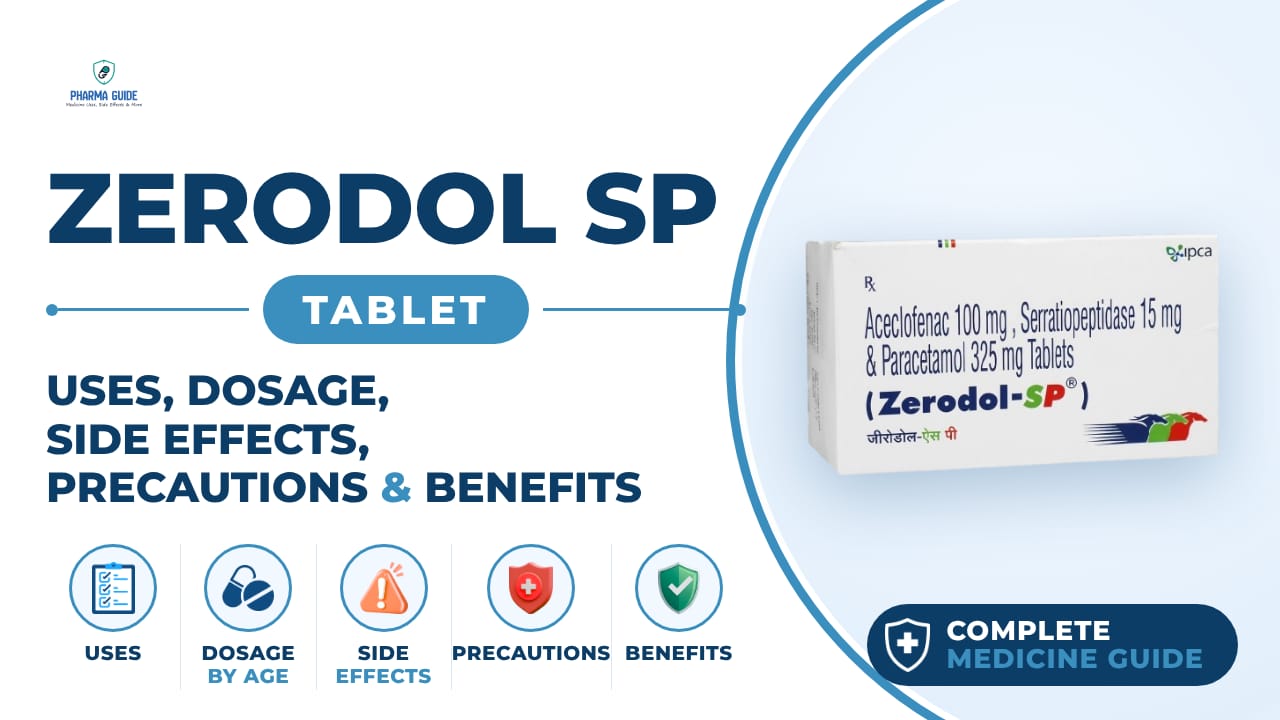
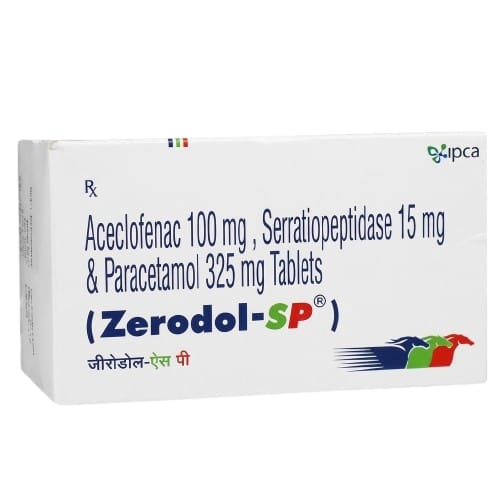
| Generic name | Aceclofenac + Paracetamol + Serratiopeptidase |
|---|---|
| Drug class | Non-Steroidal Anti-Inflammatory Drug (NSAID) combination with analgesic and proteolytic enzyme |
| Forms | Tablet |
Quick overview
Zerodol SP Tablet is a combination medicine containing aceclofenac, paracetamol, and serratiopeptidase, used to treat pain, swelling, and inflammation from conditions such as osteoarthritis, rheumatoid arthritis, muscle injuries, and dental or post-surgical pain. It also helps reduce fever. The three ingredients work together as an anti-inflammatory painkiller, a pain and fever reducer, and an enzyme that helps reduce swelling.
What is Zerodol SP Tablet
Zerodol-SP Tablet is a combination medicine containing aceclofenac (an anti-inflammatory painkiller), paracetamol (a pain and fever reducer), and serratiopeptidase (an enzyme that helps reduce swelling). Together these three ingredients treat pain, swelling, and inflammation from different angles.
Zerodol SP Tablet uses
- Joint and muscle pain, including osteoarthritis, rheumatoid arthritis, and ankylosing spondylitis
- Swelling and inflammation after muscle or soft-tissue injuries
- Dental pain and pain after surgery
- Fevers
- Mild to moderate visceral pains
- Wound healing support
- Oedema (fluid swelling) conditions
- Pain in bones, women's reproductive health conditions, and dental pain
Benefits of Zerodol SP Tablet
- Helps relieve pain.
- Reduces inflammation and swelling.
- May improve joint movement.
- Helps reduce muscle and joint discomfort.
- May ease pain after injury or surgery.
How Zerodol SP Tablet works
Aceclofenac blocks enzymes that make substances called prostaglandins, which cause pain, swelling, and fever. Paracetamol reduces pain signals and lowers fever by acting on the brain's temperature center. Serratiopeptidase is an enzyme that breaks down proteins that build up at the site of swelling, helping reduce fluid buildup and swelling while supporting tissue repair.
Zerodol SP Tablet dosage
Take with or after food to help avoid stomach irritation. Swallow the tablet whole with a full glass of water; do not break, crush, or chew it. Take it at around the same time each day. Do not take two doses at the same time to make up for a missed dose. If a dose is missed, take it as soon as remembered, but skip it if it is almost time for the next dose.
Do not take other medicines containing paracetamol or other pain/fever/cough-and-cold products without asking your doctor first. This medicine is not recommended for children due to lack of safety and effectiveness data. Elderly patients with normal kidney and liver function may take it as usual, with caution and medical supervision. Use only for the duration advised by your doctor; avoid long-term use as a routine painkiller.
| Age group | Dose |
|---|---|
| Under 18 years | Not recommended |
| 18–64 years | 1 tablet, twice/day |
| 65+ years | 1 tablet, twice/day |
Available forms and strengths
- Tablet
Side effects of Zerodol SP Tablet
Common
- Nausea or vomiting
- Indigestion or heartburn
- Stomach pain or discomfort
- Diarrhoea
- Loss of appetite
- Dizziness
- Mild drowsiness
- Constipation
- Mouth sores
- Allergic skin reaction
- Fatigue
Serious
- Allergic reactions such as skin rash, itching, hives, or swelling of the face, lips, or tongue
- Stomach ulcers or bleeding, shown by black, tarry stools or vomiting blood
- Liver problems such as yellowing of the skin or eyes, dark urine, or persistent nausea
- Kidney problems such as changes in urine output, blood or protein in urine, or swelling in the ankles or feet
- Cardiovascular events such as chest pain or shortness of breath
- Severe dizziness and breathing difficulty
Warnings and precautions
- This medicine is not recommended during pregnancy, especially in the last three months, because it may harm the baby. Your doctor may prescribe an alternative instead.
- If you are breastfeeding, avoid this medicine as traces can pass into breast milk and may affect your baby. Discuss the risks and benefits with your doctor first.
- This medicine is not recommended for people with kidney problems, especially those linked to long-term use of painkillers, and kidney function should be monitored during use.
- People with liver problems need special care when taking this medicine, since it is processed by the liver and large amounts could build up and cause further damage.
- Avoid alcohol while taking this medicine, as it can increase dizziness, drowsiness, stomach bleeding, and the risk of liver damage.
- This medicine can cause dizziness and sleepiness, so avoid driving or operating heavy machinery until you know how it affects you.
- Avoid this medicine if you have active or past peptic ulcers, bleeding disorders, or a history of gastrointestinal bleeding linked to previous NSAID use.
- This medicine is not recommended for people with severe heart, liver, or kidney failure, or confirmed heart failure, peripheral artery disease, ischaemic heart disease, or stroke-related disease.
- Avoid this medicine if you have asthma, hives, or a runny nose triggered by aspirin or other NSAIDs in the past.
- Do not use this medicine for more than four weeks, since long-term safety has not been well established.
- Stop taking this medicine at least 10-14 days before a scheduled surgery, as it can increase the risk of bleeding during or after the procedure.
- This medicine may interfere with blood clotting, so use it cautiously if you have a bleeding disorder.
- Malnutrition or fasting can increase the risk of overdose with this medicine; your doctor will adjust your dose based on body weight.
Storage
- Store Zerodol-SP Tablet in a cool and dry place
- Protect it from light and moisture by keeping it in its original packaging
- Keep the medicine out of reach and sight of children and pets
- Use the product before its expiry date mentioned on the packaging
- Store below 30°C
- Do not refrigerate unless specifically instructed
- Dispose of unused tablets safely; do not flush down the sink or discard in household waste; check with your pharmacist for safe medicine disposal options
When to see a doctor
- Seek immediate medical attention if you notice signs of a serious allergic reaction, such as skin rash, itching or swelling of the face, tongue, or throat, severe dizziness, or difficulty breathing.
- Get medical help right away if you notice black stools, vomiting blood, or severe stomach pain, as these can be signs of stomach bleeding or ulcers.
- If you suspect you have taken an overdose, go to the emergency department of your local hospital right away, since an overdose can cause silent liver damage even if you initially feel fine.
- Contact your doctor promptly if common side effects persist for a long time or become severe.
Alternatives
- Dolokind Plus
- Aceclo Plus
- Hifenac-P
Watch the video
FAQs
What is Zerodol SP Tablet used for?
It is used to treat pain, swelling, and inflammation from conditions like osteoarthritis, rheumatoid arthritis, muscle injuries, and dental or post-surgical pain, and also helps reduce fever.
What are the ingredients in Zerodol SP Tablet?
It contains aceclofenac, an anti-inflammatory painkiller; paracetamol, a pain and fever reducer; and serratiopeptidase, an enzyme that helps reduce swelling.
What is the dosage of Zerodol SP Tablet for adults?
Adults aged 18-64 years and elderly patients aged 65 and above typically take 1 tablet twice a day, with or after food, swallowed whole with water.
Can Zerodol SP Tablet be taken during pregnancy?
No, it is not recommended during pregnancy, especially in the last three months, as it may harm the baby. Your doctor may prescribe an alternative.
What are the serious side effects of Zerodol SP Tablet?
Serious side effects include allergic reactions, stomach ulcers or bleeding, liver problems, kidney problems, cardiovascular events, and severe dizziness with breathing difficulty.
General information, not medical advice
Your prescriber and the leaflet in your pack know your situation. This page does not.
- Follow your prescriber and the leaflet
- Don't start, stop, or change a dose on your own
- Doses and warnings differ by country and product
Sources
Video
Related medicines

Injectafer Injection: Uses, Dosage, Side Effects, Precautions and Alternates
Iron products
Injectafer (ferric carboxymaltose) treats iron deficiency anemia and heart failure-related iron deficiency via IV. Learn uses, dosage, side effects, and

Gliclazide Tablet: Uses, Dosage, Side Effects, Precautions and Alternates
Sulfonylurea (hypoglycemic/antidiabetic agent)
Gliclazide Tablet is a sulfonylurea for type 2 diabetes that boosts insulin release. Learn about dosage, side effects, warnings, and precautions.